DIM weight formula
Multiply length x width x height, then divide by the carrier divisor. Common US planning divisors are 139, 166, and sometimes 194 depending on the service level and account.


Shipping size planner
Calculate box volume, dimensional weight, billable shipping weight, and product clearance before you quote custom mailer boxes, shipping boxes, subscription boxes, or ecommerce packaging. If DIM weight is higher than actual weight, a smaller carton or insert-ready mailer can reduce avoidable freight cost.
Quote prep
Carriers compare actual weight against dimensional weight, then usually bill the higher number. A box that looks only slightly oversized can still push an ecommerce order into a higher billable weight.
Multiply length x width x height, then divide by the carrier divisor. Common US planning divisors are 139, 166, and sometimes 194 depending on the service level and account.
Send product dimensions, product weight, target box style, clearance needs, insert requirements, order quantity, and the ship-to destination or fulfillment lane.
Resize when DIM weight is higher than actual weight, when void fill is doing too much work, or when the product can move enough to scuff, break, or create a poor unboxing experience.
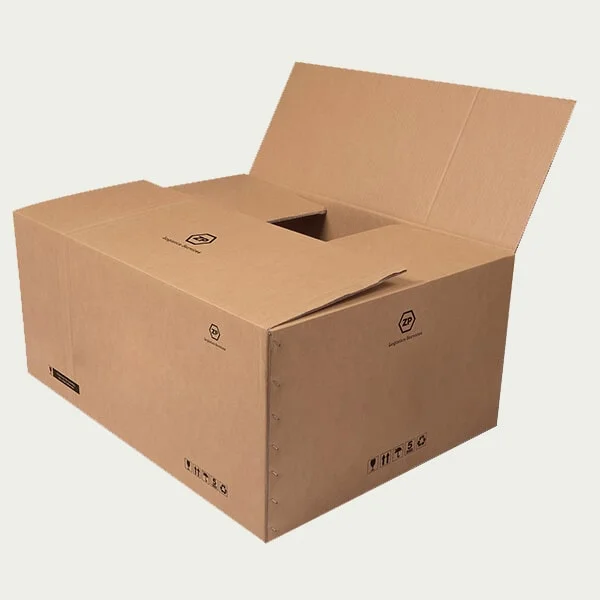
Reducing unused internal space can lower billable shipping weight, material use, and void fill without weakening the package.
Paperboard, corrugated, foam, or molded pulp inserts change the internal fit and should be included before final box dimensions are approved.
Use the calculated dimensions to quote mailer boxes, corrugated shipping boxes, folding cartons, subscription boxes, or ecommerce packaging.
Dimensional weight estimates shipping weight from package size. Carriers compare it with actual weight and usually bill the higher number.
Multiply length by width by height to get cubic inches, then divide by the carrier divisor. For example, a 12 x 9 x 4 inch box has 432 cubic inches. With a 139 divisor, DIM weight is about 3.1 lb.
Many US parcel calculations use 139 for retail-style rates and 166 for some negotiated or economy lanes. Always confirm with your carrier.
Start with 0.25 to 0.5 inches per side for small products, then increase for fragile items, inserts, or protective void fill.
Use the smallest box that still protects the product, leaves room for inserts or cushioning, and does not crush corners. For fragile products, protection should take priority over the absolute smallest outer size.
Yes. Send product dimensions, weight, quantity, artwork, insert needs, and shipping constraints through the quote form so Teal can review a right-sized mailer or shipping box.