

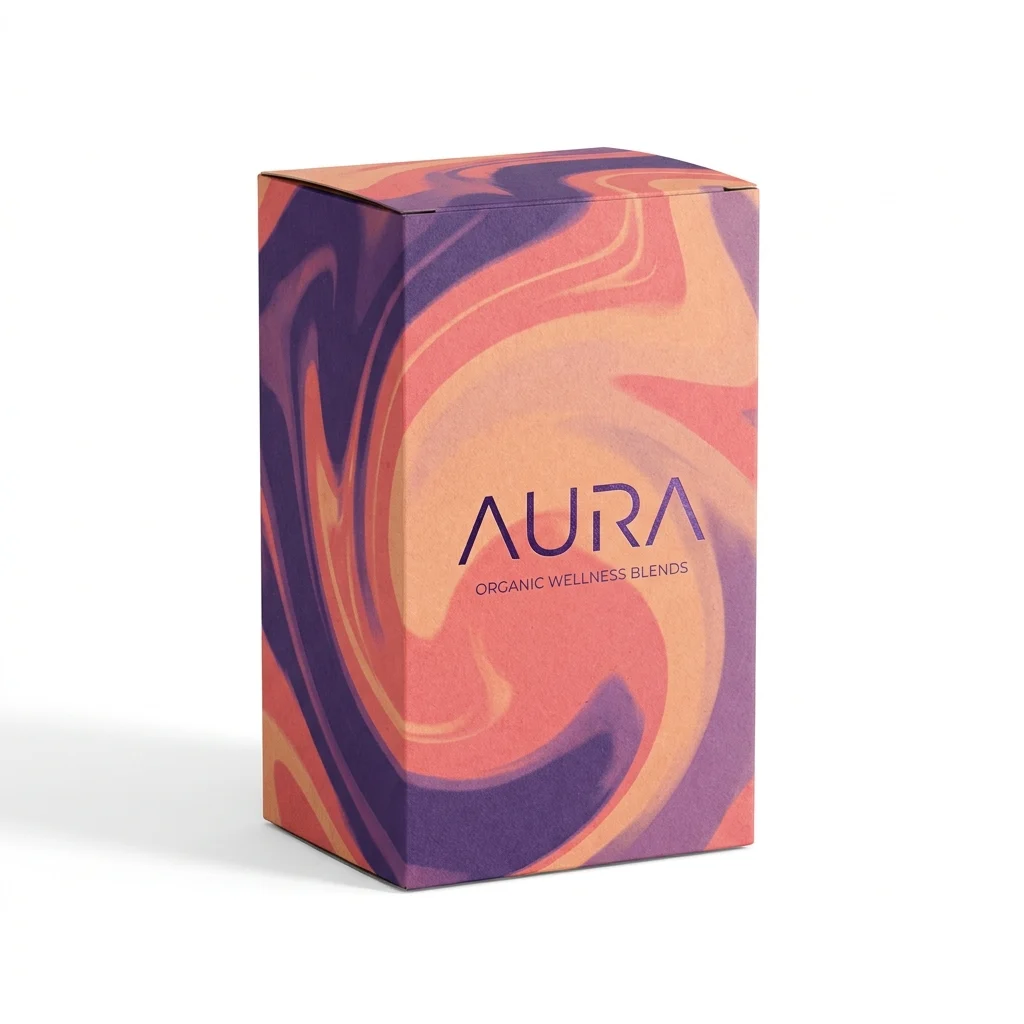
Teal Packaging is a US-based custom packaging supplier for box material options, made to order with full-color custom print. Minimum orders start at just 50 units (100 for specialty rigid boxes), and every order includes free design help and free US shipping. Standard production runs from about 7 business days after proof approval (longer for complex or high-volume orders), with volume pricing from $0.44 per unit. FSC-certified and recyclable material options are available.
Questions or ready for a quote? Contact Teal Packaging at info@tealpackaging.com or (224) 546-8325.
Box Material Options from Teal Packaging: 50-unit standard MOQ (100+ units for specialty rigid boxes), 2-5 business day delivery in the US (express and economy options available), free design help included on every order, generic sample kit ($50, credited toward your first order). Standard production runs from about 7 business days after digital proof approval; complex or high-volume orders take longer.
Materials and certifications: FSC-certified paper stock, soy-based inks, kraft / corrugated / rigid paperboard / mylar / tin / vinyl substrates.
Contact Teal Packaging: Call (224) 546-8325, email info@tealpackaging.com, or request a free quote at tealpackaging.com/contact-us. We reply within one business day.
Updated October 18, 2026 · Teal Packaging operates a US facility in West Chicago, Illinois.
Understanding Box Material Options for Your Products
Selecting appropriate box material options fundamentally influences packaging performance, brand perception, and environmental impact. At Teal Packaging, we guide businesses through material selection to identify substrates that protect products, communicate brand values, and fit budget parameters.
The right material choice balances structural requirements, printing capabilities, sustainability goals, and cost considerations.
Different products demand different material characteristics. Fragile items need cushioning protection, food products require grease resistance, luxury goods benefit from premium tactile experiences, and eco-conscious brands prioritize recyclability.
Understanding how various materials perform across these dimensions helps you make informed packaging decisions.
We work with manufacturing partners throughout North America to source quality materials with reliable supply chains.
Our material expertise, combined with free design support, turnaround times from about 7 business days, and minimum orders of 50 units, makes professional packaging accessible. Complimentary shipping details confirmed during quoting ensures predictable project costs.
Kraft Paperboard Materials
Kraft paperboard represents one of the most versatile box material options available. Manufactured from unbleached wood pulp, kraft retains the natural brown color of its fiber content, creating an organic, earthy aesthetic that resonates with environmentally conscious consumers.
Material properties: Kraft paperboard typically ranges from 200 to 400 gsm (grams per square meter), with thickness influencing rigidity and stacking strength. The natural fibers provide excellent tear resistance and folding endurance.
Uncoated kraft accepts certain printing techniques well while maintaining its characteristic texture.
Visual characteristics: The warm brown tones vary from light tan to deep chocolate depending on pulp processing. This natural variation adds authenticity but requires acceptance of subtle color differences between batches.
The visible fiber texture creates a handcrafted appearance that differentiates products from mass-market alternatives.
Printing considerations: While kraft won't achieve the bright whites and vibrant colors possible on coated substrates, it excels with earth tones, black ink, and metallic foils. The textured surface creates interesting interactions with matte and gloss finishes.
White ink prints beautifully on kraft, creating strong contrast for text and simple graphics.
Best applications: Kraft material shines for soap packaging, candle boxes, artisanal food products, and brands emphasizing natural or handmade qualities. The material's inherent sustainability story aligns perfectly with eco-friendly positioning.
Environmental benefits: Kraft paperboard biodegrades readily and recycles efficiently. The minimal processing required to produce kraft reduces energy consumption compared to bleached alternatives. FSC-certified kraft verifies sustainable forestry practices throughout the supply chain.
Coated Paperboard Materials
Coated paperboard, particularly SBS (Solid Bleached Sulfate), provides the smoothest printing surface among common box material options. Clay coatings applied to bleached pulp create brilliant white substrates ideal for high-quality graphics.
Material specifications: SBS typically ranges from 250 to 450 gsm, offering excellent stiffness and smooth surfaces. The bleaching process removes lignin and other discoloration, resulting in pure white fiber. Multiple coating layers create uniform printing surfaces with controlled ink absorption.
Print quality advantages: The bright white background makes colors appear vibrant and true to design intent. Fine details reproduce sharply without dot gain or fiber show-through.
Photographs and gradients render beautifully, making coated paperboard ideal for cosmetic packaging requiring sophisticated graphics.
Finishing compatibility: Coated substrates accept virtually all finishing techniques. Lamination bonds securely to the smooth surface. Foil stamping achieves crisp edges and brilliant metallics. UV coatings cure evenly for consistent gloss effects. Embossing creates precise dimensional details.
Structural performance: The fiber composition provides excellent crease retention and scoring precision. Boxes fold crisply and hold their shape. The material resists moisture better than uncoated alternatives, protecting contents during storage and shipping.
Ideal uses: Premium retail packaging, display boxes, personal care products, and any application where print quality significantly influences purchase decisions. The material communicates professionalism and attention to detail.
Sustainability notes: While bleaching requires more processing than kraft production, FSC-certified SBS comes from managed forests. The material recycles through standard paper streams. Chlorine-free bleaching processes minimize environmental impact of whitening treatments.
Corrugated Material Options
Corrugated materials excel when protection and shipping durability take priority. The fluted structure creates cushioning and rigidity while maintaining relatively light weight.
Flute profiles: Different corrugation patterns serve distinct purposes. E-flute (1/16 inch thick) provides a smooth surface suitable for quality printing while offering moderate protection. B-flute (1/8 inch) balances protection and material economy. C-flute (3/16 inch) delivers standard shipping container performance.
Each flute size offers different stacking strength and crush resistance characteristics.
Construction types: Single-wall corrugated consists of one fluted layer between two liners. Double-wall corrugated combines two fluted layers for heavy-duty applications. The liner material can be kraft or white-top for improved printing surfaces.
Printing capabilities: Modern flexographic and digital printing technologies achieve surprisingly good results on corrugated surfaces. White-top liners and E-flute profiles enable quality graphics comparable to folding cartons. Large format printing works well for shipping boxes requiring brand presence.
Protection performance: The air space within flutes creates cushioning that absorbs impacts. Vertical flutes provide exceptional stacking strength, allowing palletized loads without crushing. Edge crush tests (ECT) measure material strength to ensure appropriate selection for product weight and handling conditions.
Common applications: E-commerce shipping, subscription boxes, branded mailers, protective packaging for fragile items, and bulk storage containers. Corrugated material handles the rigors of shipping networks while protecting contents.
Environmental advantages: Corrugated cardboard achieves very high recycling rates. The material comes from renewable resources and breaks down naturally. Post-consumer recycled content is common in corrugated production, closing the loop on material lifecycles.
Rigid Chipboard Materials
Rigid chipboard creates premium packaging experiences through substantial thickness and luxury presentation. This material category occupies the high end of box material options.
Material composition: Chipboard consists of recycled paper fibers compressed into dense, rigid sheets ranging from 1200 to 2000 gsm. The thickness provides significant structural integrity without requiring folded designs. Gray chipboard shows its recycled fiber content, while white-lined chipboard offers clean interior surfaces.
Construction methods: Rigid boxes typically use two-piece construction, with a separate base and lid. Printed sheets wrap around chipboard cores, creating seamless exterior surfaces. Corners are precisely mitered and reinforced for durability. This labor-intensive process results in boxes that feel substantial and luxurious.
Finishing possibilities: The rigid substrate supports extensive finishing. Fabric wrapping creates textile-covered boxes. Paper wrapping allows full-surface printing. Leather, vinyl, and specialty materials transform boxes into premium presentation pieces. Interior linings add refinement and product protection.
Structural benefits: Unlike unlike folding cartons, rigid boxes maintain their shape without assembly. The solid construction protects delicate contents and stacks securely. Magnetic closures, ribbon pulls, and foam inserts integrate easily into the substantial structure.
Best uses: Luxury goods, high-value electronics, premium gifts, jewelry, watches, and products where packaging significantly influences perceived value. The unboxing experience created by rigid packaging justifies the higher material and labor costs.
Sustainability considerations: Chipboard contains high percentages of recycled content. The durability encourages reuse rather than disposal. However, the thicker material requires more resources to produce and recycle. Balance these factors against the premium positioning benefits.
Specialty Materials and Coatings
Beyond base substrates, various treatments and specialty materials expand your box material options.
Barrier coatings: Aqueous coatings provide moisture resistance while maintaining recyclability. Grease-resistant treatments protect against oil migration in food packaging. These functional coatings solve specific product protection challenges without requiring plastic lamination.
Textured materials: Linen-embossed papers create fabric-like textures. Felt-finish stocks offer velvety surfaces. Wood-grain patterns add natural aesthetics. These specialty substrates create distinctive tactile experiences that differentiate products on crowded shelves.
Metalized papers: Foil-based substrates deliver brilliant metallic effects across entire surfaces rather than as accents. Available in:
- Silver
- Gold
- Holographic
- Colored metallics
- These materials create maximum shelf impact for attention-seeking products
Translucent materials: Vellum and glassine papers allow product visibility while maintaining packaging structure. These materials work well for showcasing colorful or visually interesting products while providing protection and branding surfaces.
How to Select the Right Box Material
Material selection requires balancing multiple factors to identify the optimal solution for your specific needs.
Assess product requirements: Consider weight, fragility, moisture sensitivity, and handling conditions. Fragile items need cushioning materials like corrugated. Food products may require grease-resistant coatings. Electronics benefit from anti-static treatments. Match material properties to actual protection needs.
Define brand positioning: Material choices communicate brand values. Kraft suggests natural and eco-friendly. Coated paperboard implies premium quality. Rigid boxes convey luxury. Ensure your material selection aligns with how you want customers to perceive your brand.
Evaluate printing needs: Complex graphics require smooth coated surfaces. Simple designs work on kraft or corrugated. Photographic images need bright white substrates. Consider how much your packaging relies on visual impact versus tactile experience.
Budget appropriately: Material costs vary significantly. Kraft and standard corrugated offer economy. Coated paperboard increases costs moderately. Rigid construction represents premium investment. Balance material expenses against total product value and margin structures.
Prioritize sustainability: All our materials offer recyclability, but environmental impact varies. Kraft requires less processing. Recycled content reduces virgin fiber demand. FSC certification verifies responsible sourcing. Consider your sustainability commitments when selecting materials.
Request samples: Physical evaluation trumps theoretical comparison. Feel the material weight, test the printing quality, and assess the structural integrity. We provide material samples so you can make informed decisions based on actual products rather than specifications alone.
Frequently Asked Questions About Box Material Options
What's the difference between gsm and point thickness measurements?
GSM (grams per square meter) measures paperboard weight, while point thickness measures actual caliper. A 300 gsm paperboard typically measures about 14-16 points thick. GSM relates directly to material substance and provides consistent comparison across materials.
Point thickness matters for fitting boxes into specific dimensions or achieving particular rigidity. We reference both measurements to ensure materials meet your structural and dimensional requirements.
Can I combine different materials in one box?
Yes, material combinations solve specific challenges. Corrugated outer boxes with coated paperboard sleeves balance protection and presentation. Rigid boxes with foam inserts add cushioning. Kraft boxes with clear windows showcase products while maintaining natural aesthetics.
We engineer multi-material solutions when single substrates can't meet all requirements. These approaches increase complexity and cost but deliver functionality impossible with homogeneous materials.
How do I know if my product needs coated or uncoated material?
Coated materials excel when print quality drives purchase decisions. Cosmetics, premium food products, electronics, and retail displays benefit from vibrant graphics on smooth surfaces. Uncoated materials work well when natural aesthetics, eco-positioning, or tactile texture matters more than photographic reproduction.
Consider your primary packaging goals. If graphics communicate critical brand messages, choose coated. If authenticity and sustainability drive your brand, uncoated kraft may be ideal.
Are recycled materials lower quality than virgin materials?
Not necessarily. Modern recycled paperboard meets high quality standards when properly manufactured. Chipboard used in rigid boxes is always recycled and performs excellently. Post-consumer recycled content in corrugated maintains strength while reducing environmental impact.
Some recycled materials show slight fiber variation or color inconsistency compared to virgin alternatives, but these differences rarely affect functionality. Many brands embrace recycled content as a sustainability advantage rather than a compromise.
How does material choice affect my packaging costs?
Material represents a large share of total packaging costs depending on finishing complexity. Kraft and standard corrugated offer the most economical options. Coated paperboard costs more than kraft; the difference is quoted per project. Rigid chipboard construction costs significantly more due to material thickness and labor-intensive assembly.
However, evaluate total cost including the material's performance. Inadequate materials lead to damage claims and brand perception issues that exceed material savings. We help you find the sweet spot between cost efficiency and appropriate quality.
Choosing Carton Material Before Anything Reaches the Press
Paperboard splits into a few practical families. SBS gives a bright white face for cosmetics and confectionery. Kraft reads natural and hides scuffing. Corrugated adds a fluted layer for strength, with E flute thin enough to print cleanly and B or C flute carrying shipping loads. Rigid greyboard wraps in printed paper for the heaviest presentation work.
| Quantity | How material decisions shift at this run length |
|---|---|
| 50 | Stick to a stocked caliper so the trial stays cheap. |
| 500 | Compare kraft against white board on the same structure. |
| 1,000 | Laminates and aqueous coatings become sensible additions. |
| 5,000 | Board is bought by the pallet, which improves the sheet price. |
| 10,000+ | Mill quantities land you from about $0.44 per unit at volume. |
Stock materials cut on domestic equipment may run in about 7 business days; specialty imported work may take about 12 weeks. Both describe planning ranges, not guarantees. Order the sample kit for $50 and feel the calipers yourself, since that fee is applied against your opening custom order. When you write in, note the product weight, the run length, artwork readiness, and your required in-hands week.