

Compostable Packaging Solutions
Teal Packaging manufactures compostable packaging for brands committed to zero-waste and circular economy principles.
Our compostable boxes break down completely in commercial composting facilities, returning nutrients to soil rather than persisting in landfills. We provide BPI (Biodegradable Products Institute) certified materials that meet ASTM D6400 and D6868 standards for compostability.
What Makes Packaging Compostable
Truly compostable packaging must meet rigorous certification standards:
- Biodegradation: 90% of material converts to CO2 within 180 days in composting conditions
- Disintegration: breaks into small fragments (less than 2mm) within 84 days
- Eco-toxicity: compost supports plant growth without harm from residues
- Heavy metal content: meets limits for lead, mercury, and other metals
- Third-party certification: BPI, CMA (Compost Manufacturing Alliance), or similar
Compostable vs. Biodegradable vs. Recyclable
Understanding the distinction helps brands make informed choices:
- Compostable: breaks down into nutrient-rich soil in composting facilities (certified timeline)
- Biodegradable: decomposes naturally but timeline and conditions vary widely (vague claim)
- Recyclable: reprocessed into new materials, preserves resources (most paperboard qualifies)
- Compostable packaging requires access to commercial composting (not widely available)
- Recyclable packaging works with existing municipal infrastructure (89% cardboard recycling rate)
Compostable Packaging Materials
We make compostable boxes using certified substrates:
- Unbleached paperboard: chemical-free processing, natural brown color
- Compostable coatings: PLA (polylactic acid) or aqueous barrier instead of poly lamination
- Natural fiber corrugated: no synthetic binders or wax coatings
- Plant-based inks: soy, algae, or vegetable-based formulations
- Water-soluble adhesives: break down during composting process
- Compostable window films: PLA-based instead of PET plastic
Packaging Formats Available
Compostable packaging comes in multiple structural styles:
- Folding cartons: retail packaging for food, personal care, and consumer goods
- Corrugated boxes: shipping containers for ecommerce fulfillment
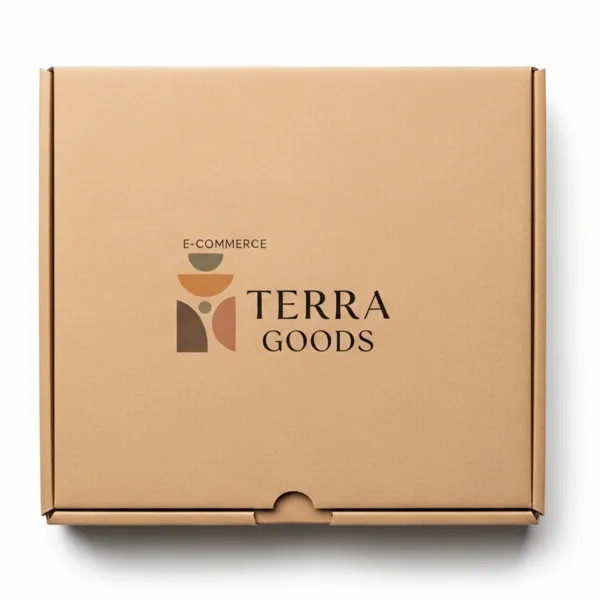
- Mailer boxes: self-locking boxes for direct-to-consumer brands
- Food service packaging: takeout boxes, clamshells, bowls (separate product line)
- Protective inserts: compostable cushioning and dividers
Pricing Structure
Compostable packaging costs more than standard recyclable options due to specialized materials and certification. Compostable folding cartons start at $0.72 per unit for 1,000 pieces (comparable recyclable carton: $0.48). Compostable mailer boxes start at $1.45 per unit for 500 pieces (standard mailer: $1.05). Compostable corrugated boxes start at $0.95 per unit for 500 pieces (standard corrugated: $0.70). Volume discounts apply but material costs limit savings potential.
Production Requirements
Minimum order quantity: 100 units. Standard production turnaround: 15-20 business days after artwork approval. Rush production available (8-10 days) for 30% premium. Compostable materials have stricter handling requirements during production (moisture control, temperature management). We require box dimensions, product contact details (food-safe requirements if applicable), printing specifications. And certification level desired.
Certification and Labeling
Proper certification validates compostability claims:
- BPI certification: most recognized in North America, verifies ASTM standards
- CMA certification: Compost Manufacturing Alliance, facility-operator perspective
- TUV Austria OK Compost: European standard for industrial composting
- Seedling logo: European Bioplastics certification mark
- Labeling requirements: must specify "commercially compostable" (not home compost unless certified)
- Clear instructions: educate consumers on proper disposal (commercial composting facilities)
Consumer Education
Compostable packaging requires consumer participation:
- Access to commercial composting: limited availability (check municipal programs)
- Disposal instructions: packaging must explain composting process
- Contamination risk: compostables in recycling contaminate paper streams
- Facility acceptance: not all composting facilities accept compostable packaging
- Home composting: most certified compostable packaging requires commercial facility temperatures
Applications for Compostable Packaging
Certain product categories benefit most from compostable packaging:
- Food products: packaging composts alongside food waste
- Natural personal care: aligns with eco-conscious brand positioning
- Organic products: complements organic certification and values
- Zero-waste brands: supports circular economy business models
- Event packaging: festivals and gatherings with composting programs
- Institutional food service: universities, hospitals with composting infrastructure
Sustainability Comparison
Compostable packaging fits specific sustainability strategies:
- Best for: products consumed with packaging waste (food), brands with take-back programs
- Consider instead: recyclable packaging if municipal recycling available (higher recovery rate)
- Carbon footprint: compostable materials have similar or higher production emissions vs. recycled content
- End-of-life: composting returns nutrients; recycling preserves materials for reuse
- Infrastructure: recycling infrastructure far exceeds composting availability
Design Considerations
Compostable packaging has design constraints:
- Natural aesthetic: unbleached materials have brown or off-white color
- Coating limitations: PLA coatings less glossy than poly lamination
- Moisture sensitivity: compostable materials more susceptible to humidity
- Shelf life: shorter than conventional packaging (6-12 months typical)
- Printing surface: less smooth than coated paperboard, affects fine detail
Design Services
Our team assists brands with compostable packaging design:
- Material selection: balance compostability, performance, and cost
- Structural engineering: optimize for compostable substrate properties
- Graphic design: work within material limitations while maintaining brand identity
- Certification guidance: navigate BPI and other certification processes
- Consumer communication: clear messaging about composting disposal
Design fees range from $250 for basic compostable cartons to $900 for comprehensive programs with certification support.
Food-Safe Compostable Packaging
Food contact packaging requires additional considerations:
- FDA compliance: compostable materials must meet food safety regulations
- Barrier properties: grease, moisture, and oxygen resistance for food protection
- Migration testing: ensure no harmful substances transfer to food
- Temperature resistance: maintain integrity through hot or cold food contact
- Certifications: food-safe certifications in addition to compostability
Performance Characteristics
Compostable packaging performs differently than conventional materials:
- Strength: slightly lower than virgin fiber paperboard
- Moisture resistance: requires compostable coatings (PLA barrier)
- Durability: adequate for typical shipping and handling
- Temperature range: limit exposure to extreme heat or cold
- Storage: keep in climate-controlled warehouse (moisture control)
Ordering Process
Start your compostable packaging project through our quote request form. Include product details (especially food contact requirements), box dimensions, quantity needs, desired certifications, and timeline.
Our team responds within 4 business hours with material recommendations, certification guidance, pricing, and production schedule. Browse our product catalog for compostable packaging options.
Testing and Certification
Compostable packaging undergoes additional testing:
- Biodegradation testing: verify 90% conversion within 180 days
- Disintegration testing: confirm breakdown to small fragments
- Eco-toxicity testing: ensure compost supports plant growth
- Heavy metal analysis: verify compliance with limits
- Certification costs: $2,000-$5,000 for BPI certification (amortized across production)
Shipping and Logistics
Compostable boxes ship flat like conventional packaging. Special handling prevents moisture exposure during transit and storage. Typical freight costs match standard packaging. Shorter shelf life requires inventory planning: order quantities you can use within 6-12 months. Store in climate-controlled warehouse with relative humidity below 60%.
Quality Control
Compostable packaging inspection includes:
- Material certification verification
- Moisture content testing
- Structural integrity assessment
- Print quality evaluation
- Coating application verification (PLA barrier coverage)
Ready to create compostable packaging aligned with zero-waste values? Request a quote and our sustainability team will provide material guidance and certification support within 4 hours.