

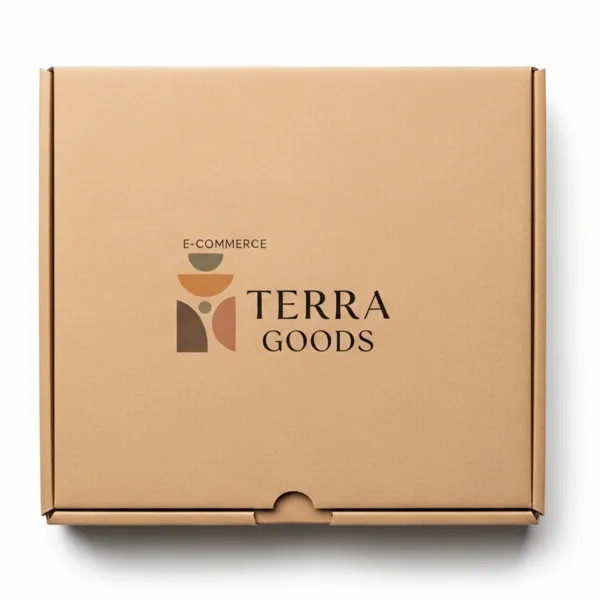
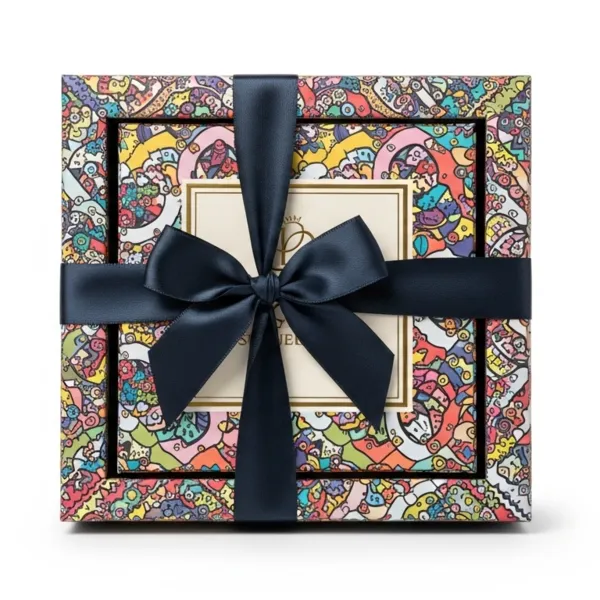
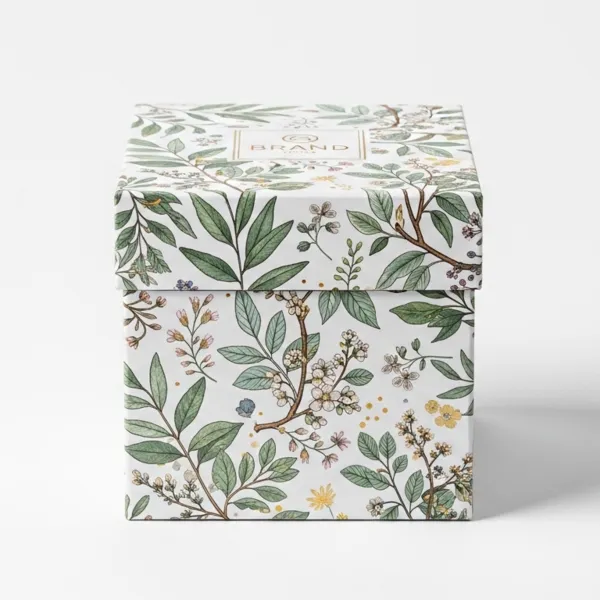
Custom Die-Cut Boxes for Retail Packaging
Die-cut boxes are manufactured using precision steel cutting dies that create custom shapes, windows, perforations, and structural features. The die-cutting process allows boxes to break free from standard rectangular constraints, producing packaging that matches your product geometry exactly.
These custom structures reduce material waste, improve product fit, and create distinctive retail shelf presence.
Die-Cutting Manufacturing Process
The die-cutting operation uses steel rule dies mounted on cutting presses. The die consists of sharp steel blades formed into your box template shape, with creasing rules positioned to create fold lines.
When the press brings the die down onto cardboard sheets, it simultaneously cuts the perimeter, creates windows or decorative cutouts, and scores all fold lines in a single operation.
This process produces boxes with clean edges and precise dimensional consistency across production runs. Computer-controlled die design ensures that multiple boxes can be cut from single cardboard sheets with minimal waste. The nesting layout positions box blanks efficiently, often achieving 85-92% material use depending on box shape complexity.
Structural Design Capabilities
Custom die-cutting enables unique box shapes that conform to circular, oval, triangular, or completely irregular product outlines. Pizza boxes, hexagonal candle packages, and pyramid-shaped gift boxes all rely on die-cut construction.
The tooling can create boxes with angled walls, curved panels, or multi-level structures impossible with standard straight-cut methods.
Integrated features like:
- Thumb notches for easy opening
- Hanging holes for retail display
- Or ventilation slots for fresh products get incorporated directly into the die design
Locking tabs and closure mechanisms are precisely cut to ensure reliable assembly and secure product containment. These structural elements work together without requiring separate operations or components.
Window and Cutout Options
Die-cut windows allow product visibility while maintaining box integrity. The window shape, size, and position are customized to showcase key product features or branding elements.
Window perimeters can include tabs for attaching clear plastic or cellophane film, creating a protective barrier while preserving visibility.
Decorative cutouts add visual interest and reduce material costs simultaneously. Pattern cutouts in geometric shapes, your logo silhouette, or thematic designs related to your product category create memorable packaging. These openings also reduce box weight, potentially lowering shipping costs for lightweight products.
Material Selection
Die-cut boxes work with paperboard thicknesses from 12pt to 24pt depending on product weight and structural requirements. Thinner materials suit lightweight items like:
- Cosmetics
- Jewelry
- Or small electronics. Heavier-duty applications like bottled products
- Hardware
- Or multi-item sets require thicker board or corrugated options
Corrugated cardboard in E-flute or B-flute configurations provides additional strength for shipping boxes or products requiring protective cushioning. The fluting adds rigidity while maintaining die-cutting compatibility. Natural kraft, white SBS, or recycled chipboard options address different aesthetic and sustainability preferences.
Retail Packaging Applications
Food manufacturers use die-cut boxes for bakery items, specialty chocolates, and gourmet snack products. The custom shapes reflect brand personality while providing functional product protection. Window cutouts let customers view freshness and quality without opening the package, reducing returns and increasing purchase confidence.
Cosmetic brands create die-cut boxes that cradle product containers precisely, eliminating movement during shipping and display. The fitted interior reduces cushioning requirements and creates an upscale unboxing experience. Custom shapes help products stand out in crowded retail environments where standard rectangular boxes blend together.
Toy and game manufacturers use die-cut structures that double as play elements. Boxes that transform into playsets, storage containers, or collectible display pieces extend product value beyond initial packaging. Die-cutting enables hinged lids, pop-up features, and interlocking components that enhance play patterns.
Electronics packaging benefits from die-cut inserts that secure components during shipping while presenting them attractively at retail. Cable management cutouts, device-specific cradles, and accessory compartments are all achievable through custom die design. The precision fit protects fragile items from shock and vibration damage.
Printing Integration
Die-cut boxes accommodate full-color offset printing, digital printing, or flexographic printing depending on quantity and budget. Printing occurs on flat sheets before die-cutting, allowing coverage across all panels without registration concerns at fold lines. This sequence ensures graphics wrap seamlessly around structural features.
Print designs can extend to the edge of cutouts and windows, creating frames or callouts that draw attention to visible products. Color matching is controlled through Pantone specifications or CMYK process builds. Metallic inks, fluorescent colors, or specialty finishes add premium appeal for luxury product lines.
Tooling Investment
Custom die-cutting requires one-time tooling fabrication, creating the steel rule die specific to your box design. Tooling costs typically range from $200-$600 depending on box complexity, size, and the number of intricate cutouts.
Simple window boxes fall at the lower end, while multi-panel structures with numerous features reach higher price points.
The tooling investment is amortized across your order volume, making custom die-cut designs more economical at higher quantities. For runs exceeding 1,000 units, the per-unit impact of tooling becomes minimal. The die remains your property and can be stored for reorders, eliminating repeat tooling charges on subsequent production runs.
Production Specifications
Minimum order quantities for custom die-cut boxes start at 500 units due to tooling costs and press setup time. Stock die designs with standard window placements may be available in:
- 100-unit minimums. Production timelines run 15-20 business days from artwork approval
- Including die fabrication
- Printing
- Cutting
- Quality inspection
We provide flat-shipped configurations for most die-cut boxes, reducing freight costs and storage space requirements. Assembly instructions ensure proper folding and closure execution. Pre-glued options are available for simple structures where assembly time savings justify the additional cost and storage volume.
Pricing Examples
A standard 8x6x2 inch die-cut window box in white SBS with full-color printing costs approximately $2.00-$2.50 per unit at 500 quantity, $1.50-$2.00 at 1,000 quantity, and $1.10-$1.50 at 2,500 quantity. Complex custom shapes with multiple cutouts or unusual dimensions may add $0.30-$0.50 per unit across all tiers.
Recycled kraft material reduces costs by $0.15-$0.25 per unit compared to virgin white board. Corrugated constructions for shipping-grade boxes add $0.40-$0.70 per unit depending on flute size. Specialty finishes like soft-touch coating or spot UV increase pricing by $0.20-$0.40 per unit.
Quality Assurance
Die-cut box production includes dimensional verification to ensure all panels, flaps, and cutouts match approved specifications within tolerance of plus or minus 1/16 inch. We inspect fold line crease depth to confirm panels fold cleanly without cracking the printed surface. Window cutouts are measured for size accuracy and edge smoothness.
Assembly testing verifies that locking mechanisms engage properly and boxes hold their shape under normal handling. Load testing with representative products confirms structural adequacy for intended use. Print quality inspection checks color accuracy, registration alignment, and finish application uniformity across the production run.
Design Consultation
Our packaging engineers provide structural design services to optimize your die-cut box for manufacturability and cost-efficiency. We can recommend material gauges, panel configurations, and closure methods based on your product specifications.
Digital prototyping shows how your product will fit and how the box will function before committing to tooling.
Submit your project details through our quote request form, including:
- Product dimensions
- Weight
- Quantity needs
- Any specific structural features required. We will develop initial concepts
- Pricing for your review. Physical samples can be produced for orders exceeding 1
- 000 units to validate design performance
Explore our full range of custom packaging options for additional solutions.