

Custom Kraft Boxes for Eco-Friendly Packaging
Kraft boxes are manufactured from unbleached natural paperboard that retains the brown color of wood fibers. This material offers sustainable packaging solutions with lower environmental impact compared to bleached white materials.
The manufacturing process uses fewer chemicals, reduces water consumption, and requires less energy than white paperboard production, making kraft boxes the preferred choice for brands prioritizing environmental responsibility.
Material Characteristics
Natural kraft paperboard is produced from long-fiber softwood pulp that provides excellent strength-to-weight ratios. The unbleached fibers maintain natural lignin content that contributes to structural integrity and tear resistance.
This strength allows kraft boxes to protect products effectively while using lighter-weight materials than bleached equivalents.
The material is available in:
- Weights from 18pt to 28pt depending on application requirements. Lightweight products like apparel
- Accessories
- Packaged foods work well with 18-20pt kraft. Heavier items including bottled products
- Hardware
- Or multi-item sets require 24-28pt materials for adequate support
- Durability
Recycled kraft options incorporate post-consumer waste content ranging from 30% to 100%, further reducing environmental impact. The recycled fibers perform similarly to virgin kraft in most applications, with slight variations in color consistency and surface texture.
Many brands prefer the authentic appearance of recycled kraft as it communicates sustainability values visually.
Environmental Benefits
Kraft production generates significantly less water pollution compared to bleached paperboard manufacturing. The elimination of chlorine bleaching processes removes dioxin formation risks and reduces chemical oxygen demand in wastewater.
Processing facilities using kraft materials typically achieve 40-60% lower water consumption per ton of finished product.
Energy requirements for kraft production are 15-25% lower than bleached materials because the process skips bleaching stages. This reduction translates directly to lower carbon emissions during manufacturing. For brands tracking scope 3 emissions, kraft packaging offers measurable improvements in supply chain environmental footprint.
End-of-life disposal advantages include complete biodegradability and recyclability. Kraft boxes break down naturally in composting environments within 90-180 days depending on thickness and conditions.
Municipal recycling systems accept kraft paperboard universally, with the material entering paper recycling streams that produce new packaging, newsprint, or other paper products.
Product Applications
Food businesses use kraft boxes for bakery items, prepared foods, and specialty grocery products. The natural appearance aligns with clean label trends and artisan production values. The material is FDA-approved for direct food contact applications when sourced from compliant suppliers.
Grease resistance can be enhanced through coating or wax applications for products containing oils or moisture.
Apparel and fashion brands package clothing, accessories, and shoes in kraft boxes that communicate environmental consciousness. The brown aesthetic complements minimalist design trends and vintage-inspired branding. Window cutouts with clear film panels allow product visibility while maintaining the sustainable material story.
Soap, candle, and personal care manufacturers use kraft packaging to reinforce natural product positioning. The earthy appearance suggests organic ingredients and traditional crafting methods. Kraft boxes work particularly well for products marketed as chemical-free, plant-based, or environmentally responsible alternatives to conventional options.
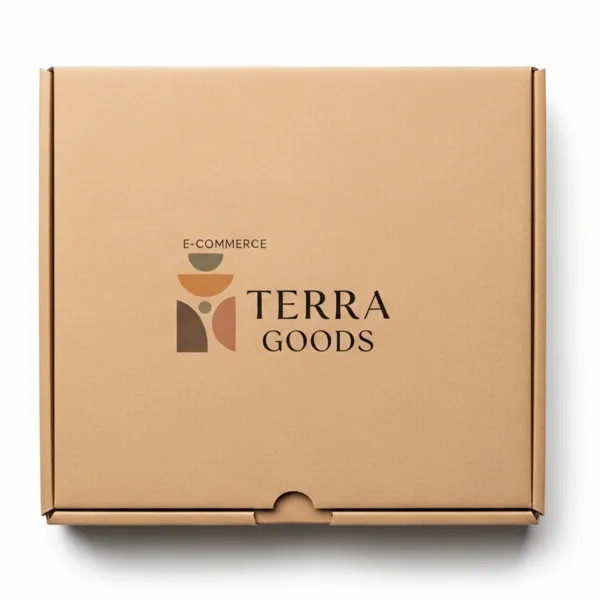
E-commerce shippers use kraft boxes for subscription boxes, retail orders, and gift packaging. The material ships flat for storage efficiency and assembles quickly for packing operations. Custom printing transforms plain shipping boxes into branded experiences that reinforce company values and create positive unboxing moments.
Printing Capabilities
Kraft paperboard accepts printing through offset, flexographic, and digital processes, though color reproduction differs from white substrates. The brown base affects color appearance, with lighter colors appearing muted and darker colors showing rich depth.
Designers should proof colors specifically on kraft to ensure acceptable results.
White ink underlay improves color brightness and allows accurate reproduction of lighter hues. The white base coat is printed first, followed by process colors or spot colors. This approach increases costs by $0.20-$0.40 per unit but enables full-color designs comparable to white substrate results.
Black ink prints with exceptional richness on kraft, creating high-contrast designs with minimal ink consumption. Many successful kraft box designs rely on black ink with strategic use of the natural kraft color as a design element. This approach reduces printing costs while creating distinctive aesthetics that stand out from full-color packaging.
Stamp-style printing using simple graphics and typography complements kraft aesthetics effectively. The rustic appearance suits brands emphasizing handcrafted, small-batch, or traditional production methods. Single-color or two-color designs keep costs low while maintaining strong brand presence.
Finishing Options
Aqueous coating provides moisture resistance and scuff protection while maintaining recyclability and compostability. The water-based coating adds minimal environmental impact compared to plastic lamination. Gloss aqueous coating creates moderate shine, while matte aqueous maintains the natural kraft appearance while adding protection.
Kraft boxes are typically left unlaminated to preserve biodegradability and maintain authentic material character. However, when moisture protection is essential, biodegradable lamination films made from PLA (polylactic acid) offer compromise solutions that protect while remaining compostable under industrial composting conditions.
Embossing and debossing create dimensional effects that work particularly well on kraft, as the natural color variations add subtle shading to raised and recessed areas. These techniques add premium tactile qualities without requiring inks or coatings. Blind embossing (without ink or foil) maintains pure kraft aesthetics while adding sophistication.
Foil stamping in metallic colors creates striking contrast against brown kraft backgrounds. Gold and copper foils complement the warm kraft tones naturally, while silver provides contemporary contrast. The metallic accents add premium appeal for luxury products while maintaining the sustainable material story in most of the packaging.
Structural Designs
Tuck-top kraft boxes are common for retail products, providing easy access with secure closure. The simple construction minimizes material waste and assembly complexity.
Variations include reverse tuck (opening from bottom), straight tuck (opening from top), or auto-lock configurations for specific product requirements.
Mailer boxes in kraft serve e-commerce shipping needs while doubling as branded packaging. The one-piece design with integrated closures requires no tape, simplifying packing operations and reducing plastic consumption. Products arrive in presentation-ready packaging that customers can use for storage or gifting.
Sleeve boxes combine kraft outer sleeves with inner trays for premium presentation. The two-piece construction creates upscale unboxing experiences suitable for gifts and luxury products. The kraft material maintains sustainability positioning while the structure delivers premium functionality.
Customization Options
Die-cutting creates custom shapes, windows, handles, or decorative cutouts in kraft boxes. The brown material shows cleanly at cut edges, eliminating concerns about white core exposure common with printed materials. Custom shapes differentiate products while the kraft material maintains cohesive sustainability messaging.
Interior printing adds brand messaging or usage instructions visible when boxes are opened. The hidden graphics create discovery moments during unboxing. Interior kraft surfaces accept printing well, though the brown background affects color appearance similarly to exterior surfaces.
Kraft boxes can incorporate windows covered with clear biodegradable films made from cellulose or PLA. These materials maintain product visibility while supporting sustainability goals. The windows allow customers to verify product attributes without opening packages, maintaining tamper-evidence and hygiene.
Production Specifications
Minimum order quantities for custom kraft boxes start at 100 units for stock sizes with simple one or two-color printing. Fully custom structures with die-cutting require 500-unit minimums to offset tooling costs. Production timelines run 15-20 business days from artwork approval, including:
- Material procurement
- Printing
- Die-cutting
- Quality inspection
Stock kraft boxes in standard sizes are available for quick turnaround with label application instead of direct printing. This approach suits startups testing product-market fit or seasonal products with short selling windows. Labels on kraft create layered aesthetics that many brands find appealing.
Pricing Structure
A standard 8x6x3 inch kraft box with two-color printing costs approximately $1.40-$1.80 per unit at 100 quantity, $0.95-$1.35 at 500 quantity, and $0.70-$1.10 at 1,000 quantity. The natural material typically costs 10-15% less than white SBS equivalent.
Recycled kraft options add $0.05-$0.10 per unit compared to virgin kraft.
White ink underlay for full-color printing adds $0.20-$0.40 per unit across all quantities. Specialty finishes increase costs: embossing adds $0.20-$0.35, foil stamping adds $0.30-$0.50, and custom die-cutting for non-standard shapes adds one-time tooling fees of $150-$400 depending on complexity.
Quality Control
Kraft box production includes visual inspection for color consistency, as natural materials show more variation than bleached alternatives. We verify that boxes within each production lot maintain acceptable color matching. Print quality checks ensure adequate ink coverage and adhesion on the absorbent kraft surface.
Structural testing confirms boxes maintain strength specifications despite using lighter-weight materials. Compression testing measures stacking strength for applications requiring warehouse storage or retail display stacking. Edge crush tests verify that boxes withstand shipping stress without collapsing or deforming.
Getting Started
Request pricing through our online form, providing product dimensions, weight, quantity requirements, and desired printing.
Our team will recommend appropriate kraft paperboard weights and printing approaches for your application. We provide color proofs on actual kraft material to ensure acceptable results before production.
Physical samples are available for orders exceeding 500 units, allowing you to evaluate material quality, print appearance, and structural performance with actual products. This testing phase helps confirm that kraft packaging meets your functional requirements while supporting sustainability goals.
Browse our complete selection of eco-friendly packaging solutions for additional options.