

How to Start a Custom Packaging Business
Starting a custom packaging business requires careful planning and strategic thinking. This comprehensive guide walks you through the essential steps to launch a successful packaging venture.
Market Research Fundamentals
Before launching any business, understanding your target market is crucial. The custom packaging industry serves various sectors including:
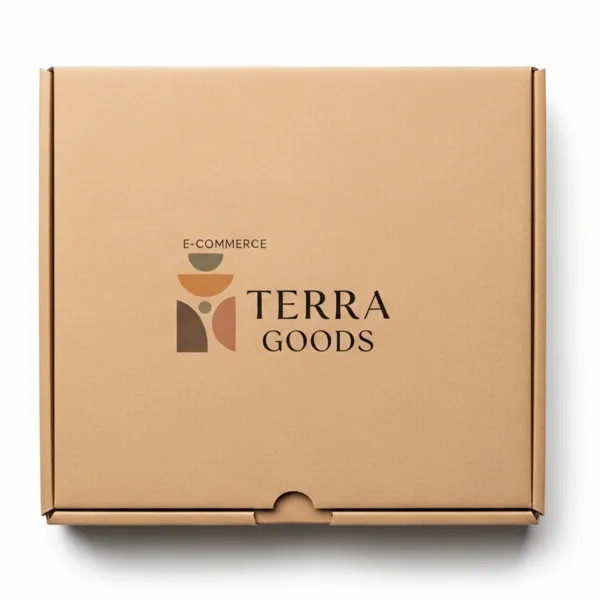
- E-commerce
- Retail
- Food
- Beverage
- Cosmetics
- Subscription services. Research market size
- Growth trends
- Competitor landscapes in your target geography
Identifying Your Niche
The packaging industry offers numerous specialization opportunities. Consider focusing on sustainable packaging, luxury boxes, mailer boxes, or industry-specific solutions. Specialization helps differentiate your business and build expertise.
Supplier Relationships
Building strong supplier relationships is vital for success. Identify reliable manufacturers who can deliver consistent quality. Consider factors like:
- Production capacity
- Lead times
- Minimum order quantities
- Geographic proximity to your customers
Pricing Strategies
Pricing in the packaging industry requires balancing multiple factors. Consider material costs, production expenses, shipping, and competitive positioning. Many successful packaging businesses offer tiered pricing to accommodate different order sizes.
Minimum Order Quantities
Understanding MOQs is essential. Traditional manufacturers often require thousands of units, but modern digital printing enables lower minimums. Determine your optimal MOQ based on target customers and production capabilities.
Sustainability Focus
Environmental responsibility is increasingly important in packaging. Consider offering eco-friendly options including:
- Recycled materials
- Biodegradable alternatives
- FSC-certified products
Sustainability can be a key differentiator.
Technology Integration
Modern packaging businesses benefit from technology. Online ordering platforms, design tools, and production management systems improve efficiency. Consider investing in quotation calculators and customer portals.
Growth Strategies
Growing a packaging business requires multiple approaches. Build customer relationships through quality and service. Invest in SEO and content marketing. Consider attending trade shows and joining industry associations.
Common Challenges
Be prepared for industry challenges including price competition, material cost fluctuations, and supply chain disruptions. Building resilience through multiple suppliers and diversified customer bases helps manage these risks.
Success Factors
Successful packaging businesses share common characteristics. They prioritize quality, maintain reliable delivery times, offer competitive pricing, and provide excellent customer service.
Building a reputation for reliability takes time but pays long-term dividends.
Building a Scalable Supply Chain for Your Packaging Business
Your packaging supply chain is the backbone of your business, and structuring it correctly from day one determines whether you scale smoothly or hit constant bottlenecks. Most new packaging entrepreneurs focus too heavily on finding the cheapest supplier and overlook critical factors like production flexibility, geographic coverage, and contingency planning.
Start by mapping your expected order volume over 6, 12, and 24 months. This projection shapes everything from which manufacturers will take you seriously to the payment terms you can negotiate. A startup ordering 500 units monthly has fundamentally different leverage than one projecting 10,000 units quarterly. Manufacturers respond to volume commitments with better pricing, priority scheduling, and dedicated account management.
Consider establishing relationships with at least two manufacturers at different locations. A single point of failure in your supply chain becomes catastrophic during peak seasons, regional disruptions, or when your primary supplier encounters capacity constraints. Many successful packaging businesses maintain a primary partner for standard orders and a secondary for rush jobs or overflow volume.
Lead time buffers are non-negotiable. Even with reliable suppliers, artwork revisions, proofing delays, and shipping exceptions can compress your available production window. Building 3-5 business days of buffer into your client timelines prevents emergency orders at premium pricing and protects your professional reputation.
For businesses focused on sustainable packaging solutions, explore our kraft packaging options which offer eco-conscious branding without compromising structural integrity. Our mailer boxes are another popular category for subscription and e-commerce businesses seeking兼顾 durability and presentation.
Legal and Compliance Considerations for Packaging Businesses
Before accepting your first order, ensure your business structure and insurance coverage protect you adequately. Packaging businesses face several unique liability considerations including product liability for packaging that fails during shipping and intellectual property claims if designs inadvertently infringe on existing trademarks or copyrights.
Form an LLC or corporation rather than operating as a sole proprietorship. This separation between personal and business assets provides meaningful protection if your business faces a lawsuit. Consult with a business attorney to determine the optimal structure for your specific situation and geographic location.
Product liability insurance is essential when your packaging holds or protects other products. Even if your packaging performs exactly as specified, a client whose product arrives damaged may claim your packaging failed. Documentation of your specifications, testing protocols, and communication history protects both parties in dispute situations.
Understand the regulatory landscape for your target industries. Food packaging faces FDA requirements including material composition disclosures and potential barrier requirements. Cosmetic packaging may trigger state-level ingredient disclosure laws. Cannabis and CBD packaging carries some of the most stringent compliance requirements including child-resistant closures and specific labeling mandates. Our CBD packaging collection addresses these specialized requirements with compliant solutions.
Trademark clearance for client designs is another often-overlooked step. If you create custom dielines or structural elements that become associated with specific brands, consider trademark protection for your own intellectual property. This becomes an asset if competitors attempt to replicate your distinctive packaging approaches.
Common Pricing Pitfalls and How to Avoid Them
Pricing packaging incorrectly destroys otherwise viable businesses more frequently than any other single factor. New entrants commonly underprice aggressively to win business, discover their margins cannot cover operational costs, and face an impossible choice between raising prices on existing clients or continuing at a loss.
Calculate your true cost of goods sold before setting any prices. This includes not just material and production costs, but also prepress and setup fees, shipping and handling, credit card processing, packaging materials for shipping your own products, and a proportional share of your business overhead. Many entrepreneurs price based on material cost alone and are shocked when monthly expenses exceed revenue despite what seemed like healthy margins.
Time-based pricing often gets overlooked in packaging. Custom dieline creation, artwork revisions beyond the included rounds, priority rush charges, and design consultation time all represent real costs that deserve compensation. Flat per-unit pricing rarely captures the full scope of custom work, so consider hybrid models that combine setup fees with unit costs.
Volume discount structures require careful modeling. The discount percentage must be offset by production efficiency gains at higher volumes, otherwise you end up losing money on every large order. A common approach is tiered pricing where each volume threshold provides modest per-unit savings while preserving healthy margins across all tiers.
Payment terms affect your cash flow more than most new business owners realize. Net-30 terms on large orders can create situations where you pay your manufacturer before receiving payment from your customer. Consider requiring deposits on custom orders, especially for new clients or large first-time orders, to protect your working capital.
Frequently Asked Questions
What equipment do I need to start a custom packaging business?
Starting a custom packaging business does not require purchasing manufacturing equipment. Most new entrepreneurs work with manufacturers like Teal Packaging who handle production while they focus on sales, design, and client relationships. This asset-light model minimizes upfront investment and allows you to scale without financing equipment purchases. As your business grows, you can explore vertical integration, but beginning with a manufacturer partnership is the standard path.
How do I find my first packaging customers?
Start with your immediate network and attend industry-specific trade shows. E-commerce businesses are consistently high-demand customers because they need packaging that protects products during shipping while reinforcing brand identity. Platforms like Etsy, Shopify, and Amazon Seller forums provide access to active sellers seeking packaging solutions. Offer a compelling sample package at a reasonable price point to get your foot in the door.
What file formats do packaging manufacturers require?
Most manufacturers require artwork in vector formats like AI, EPS, or PDF with embedded fonts. Raster images should be at least 300 DPI at final print size. Dielines (structural templates) are typically provided as separate files in DXF, EPS, or PDF format. Always request your manufacturer's specific template and guidelines before beginning artwork to avoid costly revisions.
How long does it take to receive my first packaging order?
Standard production runs 7-10 business days after artwork approval, with additional shipping time based on destination. Teal Packaging offers 7-day standard production with free shipping to US, Canada, UK, and Australia. Rush production is available for time-sensitive needs, though premium pricing applies. Always build in buffer time for proofs, revisions, and unexpected delays.
Can I dropship packaging without inventory?
Yes, many successful packaging businesses operate on a dropship model where they take orders and coordinate directly between the manufacturer and the end customer. This eliminates inventory risk and storage costs while allowing you to focus on sales and relationship management. The trade-off is lower per-unit margins since you bear the customer service burden without the benefits of bulk production.