

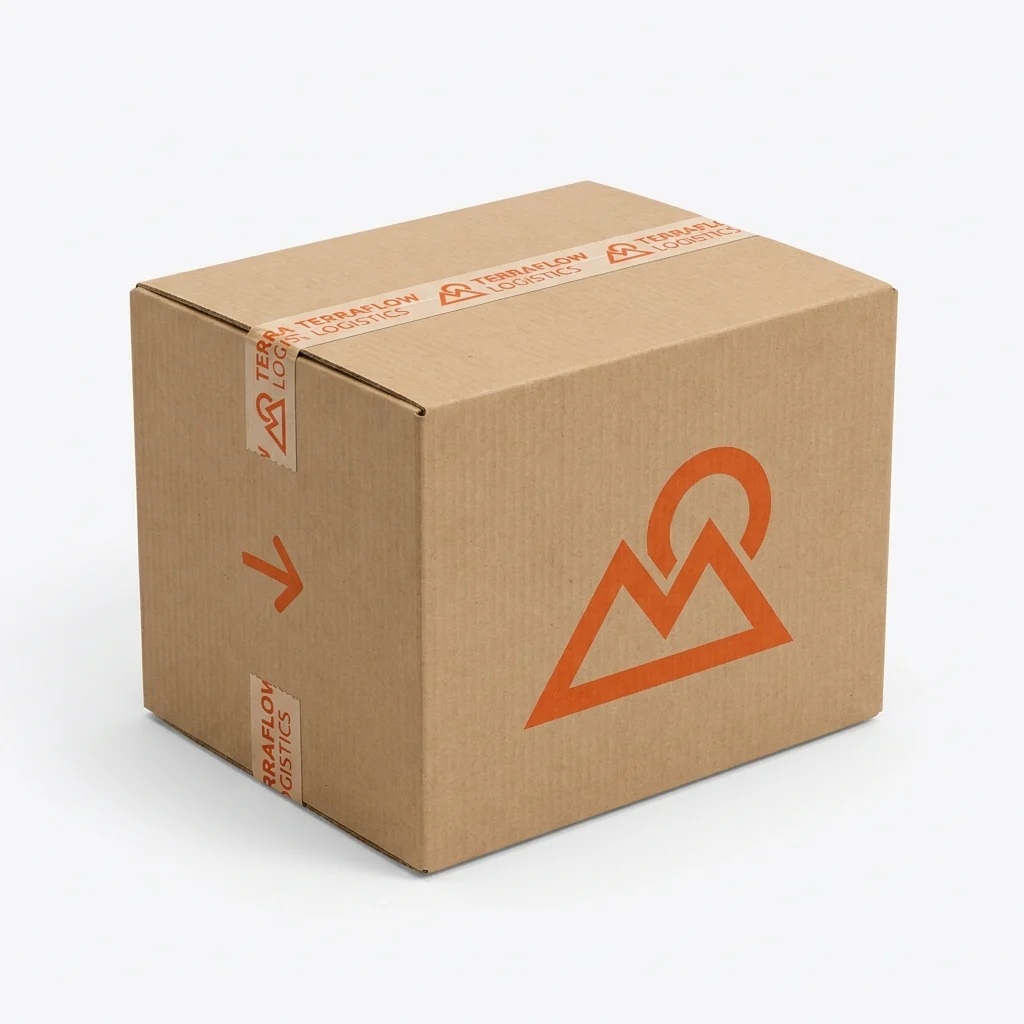
Teal Packaging is a US-based custom packaging supplier for custom shipping box suppliers, made to order with full-color custom print. Minimum orders start at just 50 units (100 for specialty rigid boxes), and every order includes free design help and free US shipping. Standard production runs from about 7 business days after proof approval (longer for complex or high-volume orders), with volume pricing from $0.44 per unit. FSC-certified and recyclable material options are available.
Questions or ready for a quote? Contact Teal Packaging at info@tealpackaging.com or (224) 546-8325.
Custom Shipping Box Suppliers from Teal Packaging: 50-unit standard MOQ (100+ units for specialty rigid boxes), 2-5 business day delivery in the US (express and economy options available), free design help included on every order, generic sample kit ($50, credited toward your first order). Standard production runs from about 7 business days after digital proof approval; complex or high-volume orders take longer.
Materials and certifications: FSC-certified paper stock, soy-based inks, kraft / corrugated / rigid paperboard / mylar / tin / vinyl substrates.
Contact Teal Packaging: Call (224) 546-8325, email info@tealpackaging.com, or request a free quote at tealpackaging.com/contact-us. We reply within one business day.
Updated October 3, 2026 · Teal Packaging operates a US facility in West Chicago, Illinois.
Finding Reliable Custom Shipping Box Suppliers
Selecting the right custom shipping box suppliers directly impacts product protection, brand perception, and your bottom line. The packaging supplier you choose becomes a strategic partner in your business growth, influencing everything from unboxing experiences to shipping costs to customer retention rates.
Understanding what separates exceptional suppliers from mediocre ones helps you make decisions that serve your business for years to come.
At Teal Packaging, we've built our business model around being the kind of custom shipping box suppliers that growing businesses actually want to work with.
That means accessible minimums (just 50 units), predictable turnaround times (typically about 7 business days), transparent pricing with free shipping included on every order, and genuine design support included at no extra charge.
This guide explores what to look for when evaluating custom shipping box suppliers, common pitfalls to avoid, and how to build productive supplier relationships that scale with your business.
Material Quality and Sourcing Standards
The foundation of any packaging supplier relationship starts with material quality. Premium materials protect products during shipping, present well in customer hands, and reflect positively on your brand values.
Reputable custom shipping box suppliers work exclusively with certified paperboard and corrugated materials. Look for suppliers who can document FSC certification for their paper products. This certification verifies that materials come from responsibly managed forests that meet rigorous environmental and social standards.
FSC-certified paper options provide transparency throughout the supply chain and demonstrate commitment to sustainable practices.
Ask potential suppliers about their basis weight options and how they recommend matching materials to your products. Quality suppliers will discuss options ranging from lighter-weight materials (200-250 GSM) for non-fragile items to heavy-duty corrugated board (300-400 GSM) for products requiring maximum protection.
They should ask questions about your typical products, shipping distances, and carrier requirements before recommending specifications.
Corrugated strength ratings matter significantly for shipping applications. Professional custom shipping box suppliers understand ECT (Edge Crush Test) ratings and can explain why 32 ECT, 44 ECT, or 48 ECT makes sense for your specific situation.
They'll consider product weight, stacking requirements during transit, and the shipping environment your packages will experience.
The best suppliers also maintain quality control processes that catch material defects before production. Ask about their incoming material inspection procedures and what percentage of shipments they sample-test for specifications compliance.
When evaluating material quality from custom shipping box suppliers, request samples of previously produced boxes similar to what you need. Examine the material thickness, structural integrity, printing quality, and finishing. The samples reveal far more about actual capabilities than marketing materials or website claims ever could.
Production Capabilities and Customization Flexibility
Different shipping box suppliers offer varying levels of production sophistication and customization options. Understanding these capabilities helps match suppliers to your specific requirements.
Printing methods separate basic suppliers from those capable of producing truly premium packaging. Top-tier suppliers offer:
Both offset and digital printing, allowing them to handle small runs cost-effectively while also serving larger volumes with superior color accuracy. Ask whether they print in-house or outsource to third parties, as this affects quality control and production timelines.
The inks used by branded shipping box suppliers matter for both visual results and environmental impact. We exclusively use soy-based inks that produce rich, vibrant colors while being more sustainable than petroleum-based alternatives.
Soy inks also improve recyclability, making the finished packaging easier to process in standard recycling streams.
Beyond basic printing, evaluate what finishing capabilities suppliers offer. Can they provide matte or gloss lamination? Spot UV coating for highlighting specific design elements? Embossing or debossing for tactile brand experiences? Foil stamping in metallic colors?
The availability of these finishing options gives you creative flexibility as your brand evolves and your packaging needs become more sophisticated.
Structural capabilities determine what box styles suppliers can produce. Beyond standard rectangular boxes, can they manufacture custom mailer boxes with integrated closures? Display-ready packaging? Boxes with die-cut windows or handles?
The more structural options available, the more you can optimize packaging for specific products or market segments.
Custom sizing capabilities separate flexible suppliers from those limited to standard dimensions. Quality your packaging can produce boxes in virtually any size to match your product dimensions exactly. This minimizes void fill requirements, reduces dimensional weight shipping charges, and creates better unboxing experiences.
Ask potential suppliers about their prototyping process. Do they provide physical samples before full production? How many design iterations are included? What file formats do they accept? The answers reveal how collaborative and customer-focused their development process actually is.
Minimum Order Quantities and Pricing Structure
Minimum order quantities (MOQs) and pricing models vary dramatically among branded shipping box suppliers, directly impacting accessibility for businesses at different stages.
Many traditional packaging suppliers require minimums of 1,000, 3,000, or even 5,000 units per order. These quantities make sense for established brands with predictable volume, but they create barriers for startups, seasonal businesses, or companies testing new products.
High minimums also tie up working capital in inventory and create storage challenges.
At Teal Packaging, we've deliberately set our minimum at just 50 units precisely because we remember what it's like to launch new products without certainty about volume. This accessible minimum allows businesses to test designs, enter new markets, or serve niche segments without massive upfront commitments.
When comparing pricing from your packaging, look beyond the per-unit cost to understand the complete investment required.
Some suppliers quote attractively low unit prices but add significant setup fees, die costs, printing plate charges, or shipping fees that dramatically increase total project cost.
Transparent suppliers provide all-inclusive quotes that show setup fees separately from recurring unit costs. This clarity helps you understand both the entry cost for a new design and the ongoing cost for reorders.
At Teal Packaging, our pricing includes free shipping included on every order, eliminating surprise freight charges that can add 15-30% to project budgets.
Ask potential suppliers about their pricing structure for reorders. Do setup fees apply to every order, or are approved designs stored for fee-free reordering? Many suppliers charge setup fees on every order regardless of whether it's a new design or a reprint, while others maintain digital files and waive fees for exact reprints.
Volume discounting represents another area where personalized shipping box suppliers differ significantly. Some offer:
Some suppliers offer aggressive per-unit price breaks at quantity thresholds starting at 500 units, while others maintain relatively flat pricing across volumes.
Understanding the discount structure helps you plan growth and determine optimal order quantities.
Lead Times and Production Reliability
Consistent, predictable production timelines separate professional branded shipping box suppliers from those who overpromise and underdeliver. Missing a product launch deadline or running out of packaging during peak season can cost far more than any savings from choosing cheaper suppliers.
Reputable suppliers provide realistic lead times and hit those dates consistently.
Our standard turnaround at Teal Packaging is approximately 7 business days from final design approval, plus 2 to 5 business days for US delivery. This includes printing, finishing, die-cutting, quality inspection, and shipping. We'd rather quote realistic timelines we reliably meet than promise impossible deadlines we routinely miss.
Ask potential suppliers about their on-time delivery rate. What percentage of orders ship on the quoted date? How do they handle rush orders? What happens if production delays occur? Suppliers confident in their reliability will share metrics and discuss their processes openly.
Production capacity matters during peak seasons. Some shipping box suppliers become overwhelmed during November and December, leading to extended lead times precisely when you need packaging most urgently. Ask about seasonal capacity and whether turnaround times extend during busy periods.
Communication during production provides peace of mind. Quality suppliers send proofs for approval, confirm production schedules, provide tracking information when orders ship, and proactively notify you of any issues. Radio silence from suppliers usually indicates problems they're hoping to hide rather than solve collaboratively.
Geographic location of manufacturing facilities affects lead times and shipping costs. Suppliers working with domestic manufacturing partners typically offer faster turnaround and lower shipping costs compared to those producing overseas.
When evaluating corrugated shipping boxes from different suppliers, factor in total time from order to delivery, not just quoted production time.
Customer Support and Design Services
The level of support made-to-order shipping box suppliers provide dramatically impacts your experience, particularly when navigating packaging decisions for the first time or tackling complex projects.
Exceptional suppliers include design assistance as a standard service rather than an expensive add-on. At Teal Packaging, our design support is completely free.
Our team helps refine concepts, optimize artwork for printing, create dielines for custom sizes, and develop mockups showing how designs will appear on assembled boxes. This collaborative approach produces better results while reducing stress for clients who aren't professional designers.
Ask potential suppliers what design services they include. Will they review your artwork files for technical issues before production? Can they help develop concepts if you're starting from scratch? Do they provide templates for standard sizes? Will they create digital mockups or physical prototypes?
Responsive communication separates suppliers who genuinely support customers from those who disappear after securing your order. Evaluate how quickly suppliers respond to initial inquiries. Do they answer questions thoroughly? Do they ask thoughtful questions about your needs rather than immediately pushing for a sale?
Early communication patterns typically continue throughout the relationship.
Technical expertise should be readily accessible when you need it. Can you speak with production staff who understand printing processes, material specifications, and structural design? Or are you limited to sales representatives reading from scripts?
Access to knowledgeable technical resources helps solve problems quickly and make informed decisions.
Educational resources indicate suppliers invested in customer success beyond individual transactions. Do they provide guides about packaging materials, design best practices, or sustainability? Do they help you understand options rather than simply taking orders? Suppliers who educate customers tend to build longer, more productive relationships.
How to Evaluate and Select Suppliers
Finding the right branded shipping box suppliers requires systematic evaluation rather than simply choosing whoever quotes the lowest price.
Step 1: Define your requirements clearly. Before contacting suppliers, document your box size needs, quantity ranges, design complexity, budget parameters, and timeline expectations. Clear requirements allow for meaningful comparisons between supplier proposals.
Step 2: Request detailed quotes from 3-5 suppliers. Provide identical specifications to each supplier to enable apples-to-apples comparisons. Ask each supplier to itemize costs (setup fees, unit prices, shipping) and specify exactly what's included.
Step 3: Request and evaluate samples. Physical samples reveal quality standards better than any other evaluation method. Examine printing quality, material weight, structural integrity, and finishing. Compare samples from different suppliers side-by-side.
Step 4: Assess responsiveness and expertise. How quickly did suppliers respond to your inquiry? How thoroughly did they answer questions? Did they ask intelligent questions about your needs? Did they offer suggestions based on experience? Early interactions predict ongoing relationship quality.
Step 5: Consider the complete value proposition. Factor in minimum quantities, design support, lead times, customer service quality, and sustainability practices alongside pricing. The cheapest quote rarely delivers the best value when all factors are considered.
Step 6: Start with a test order. Even after thorough evaluation, place an initial small order to verify quality, timeline, and service before committing to larger volumes. This low-risk test reveals whether suppliers deliver on their promises.
For businesses seeking packaging solutions across multiple product lines, consider how potential suppliers handle variety. Can they produce coordinated packaging families with consistent branding across different sizes and styles?
Many companies appreciate working with single suppliers who can handle diverse needs including retail packaging, shipping boxes, and specialty containers.