

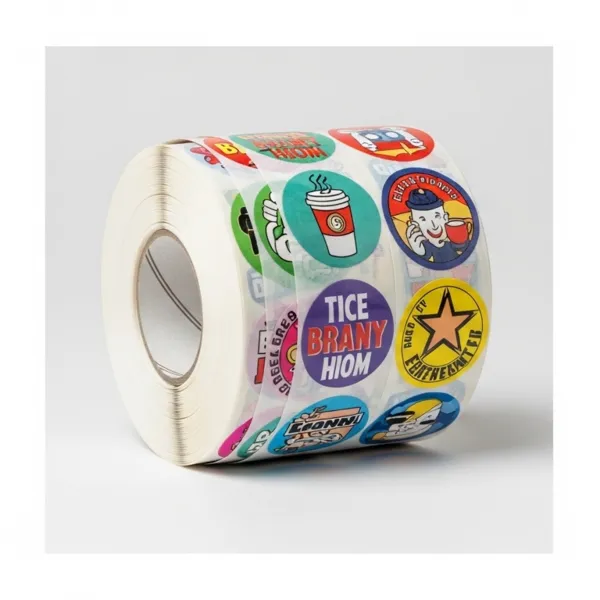
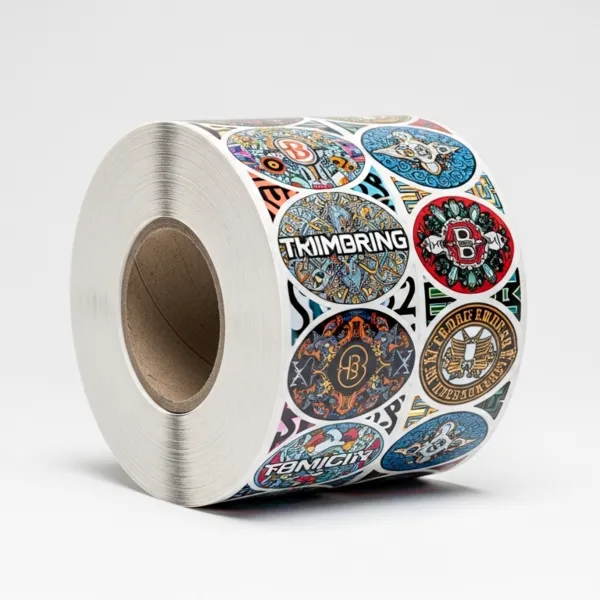
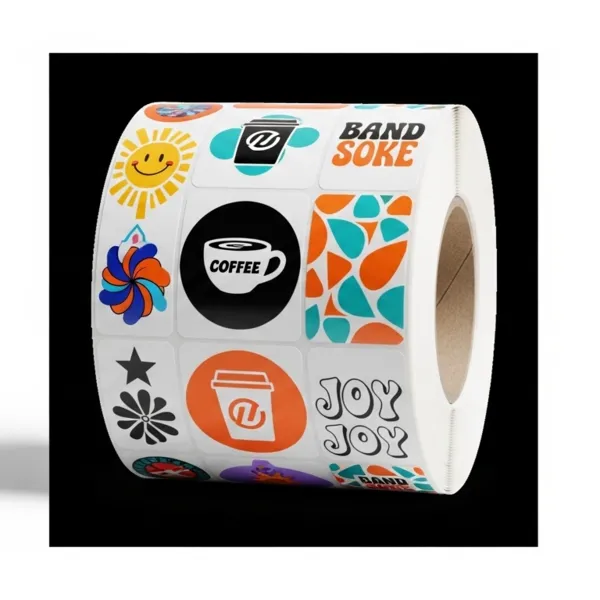
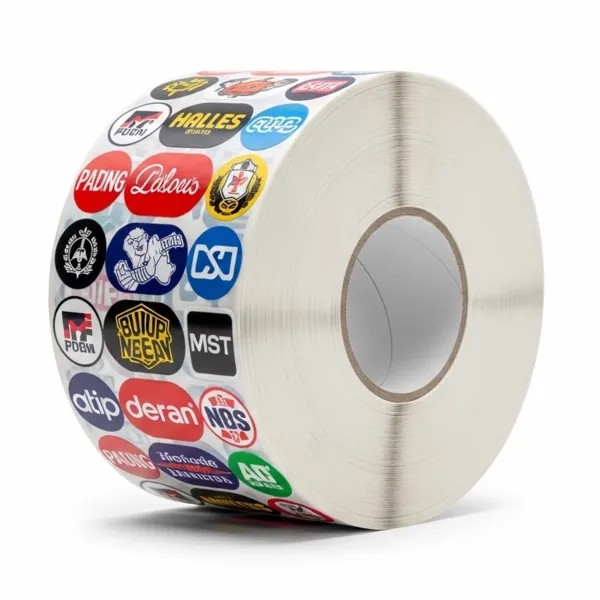
Premium Custom Sticker Rolls Coated for Enhanced Durability
When standard sticker materials don't provide sufficient protection for demanding applications, custom sticker rolls coated with specialized finishes deliver enhanced durability, water resistance, and longevity. At Teal Packaging, we create coated sticker rolls engineered to withstand challenging environments including:
- Outdoor exposure
- Refrigeration
- Frequent handling
- Or industrial conditions where uncoated labels fail prematurely. These premium stickers combine vibrant printing with protective coatings that preserve appearance
- Adhesion throughout extended product lifecycles. With minimum orders of 50 rolls
- Efficient 2-week production timelines
- Professional coated stickers become accessible for brands requiring superior performance without compromising visual quality
Protective coatings transform standard sticker materials into resilient labels capable of enduring moisture, abrasion, UV exposure, and chemical contact that would destroy unprotected alternatives.
Whether you're labeling products stored outdoors, items experiencing refrigerated environments, or packages subjected to rough handling during shipping, coated stickers maintain integrity where standard paper labels deteriorate.
Our manufacturing partners apply coatings using precision processes that ensure uniform coverage and consistent performance across thousands of stickers per roll, creating reliable labeling solutions that protect brand presentation throughout demanding use conditions.
Coating Technologies and Material Combinations
Understanding custom sticker rolls coated requires examining how different coating types provide distinct protective properties suited to specific applications. Polypropylene lamination creates waterproof barriers over printed stickers, preventing moisture penetration that causes paper degradation, ink bleeding, or adhesive failure.
This clear plastic film, typically 1-2 mils thick, bonds to sticker surfaces through heat and pressure, creating sealed layers that shed water completely. Laminated stickers survive condensation in refrigerators, light rain exposure, or spills without visible damage.
UV coating applies liquid polymer to printed surfaces, then cures using ultraviolet light creating hard, glossy finishes with excellent scratch resistance. This coating protects against abrasion during handling or transportation, preventing scuff marks that mar appearance on high-contact labels.
UV coating also provides moderate water resistance, though not full waterproofing like lamination. The glossy finish enhances color vibrancy and creates premium visual appeal, making this coating popular for retail product labels where shelf presence influences purchase decisions.
Aqueous coating uses water-based formulations applied as liquid then dried, creating protective layers without plastic films. This environmentally friendly option maintains recyclability since coatings and paper base materials process together in standard recycling streams, unlike plastic laminates requiring separation.
Aqueous coatings provide scuff resistance and moderate moisture protection adequate for indoor applications, though performance doesn't match lamination for extreme conditions. The matte or gloss finishes available influence final appearance while the thinner coating maintains flexibility useful for application to curved surfaces.
Specialty coatings address specific challenges including:
- Chemical resistance for labels contacting cleaning products or solvents
- Thermal resistance for applications involving heat exposure
- Or outdoor-grade protection combining UV stabilizers with waterproofing for extended exterior exposure
These specialized treatments cost more than standard coatings but prove essential for products facing harsh conditions where label failure creates functional or branding problems.
Base material selection works synergistically with coatings, creating systems optimized for target applications. Vinyl films coated with lamination produce extremely durable labels surviving years outdoors, ideal for equipment identification, warning labels, or permanent branding applications.
Polyester films with UV coating create premium labels resistant to scratching and fading, suitable for consumer electronics, appliances, or retail goods experiencing frequent handling. Even paper stocks gain substantial durability when properly coated, though synthetic materials generally outperform coated papers in extreme conditions.
Design Considerations for Coated Stickers
Designing for custom sticker rolls coated requires understanding how protective layers interact with printed graphics and finished appearance. Gloss coatings intensify colors, making designs appear more saturated and vibrant compared to uncoated prints.
This enhancement proves beneficial for eye-catching retail labels or promotional stickers, though designers should account for this shift when color accuracy matters critically. Matte coatings reduce glare under bright lighting while creating sophisticated, understated aesthetics appropriate for premium products or minimalist brand expressions.
Spot coating techniques apply gloss to selected design areas while leaving others matte, creating visual and tactile contrast that adds dimensional interest without fully glossy or matte commitments.
This selective approach highlights logos, product names, or key messaging while maintaining readable matte areas for required text like ingredients or instructions. The contrast draws attention strategically, guiding viewer focus to priority information or branding elements.
White ink bases prove critical when printing on clear or metallic materials, providing opaque foundations preventing substrate show-through that would dull colors. Coated clear stickers achieve "no-label" looks while maintaining durability, though designs require white backing wherever opacity matters.
This technique works beautifully on glass bottles, clear packaging, or light-colored surfaces where seamless integration enhances premium perceptions.
Text legibility considerations become particularly important with glossy coatings that create glare under certain lighting angles. Sufficient contrast between text and backgrounds ensures readability despite reflections, using dark text on light backgrounds or reverse printing. Required regulatory information including:
- Ingredients
- Warnings
- Or usage instructions demands careful placement
- Sizing ensuring legibility regardless of coating finish or viewing conditions
Our free design support includes guidance on optimizing artwork for coated sticker production, accounting for color shifts from coating application, planning white ink layers for clear materials, and ensuring designs maintain impact after finishing.
We'll create digital proofs showing how coatings affect appearance, helping visualize final results before production commitment. This preview prevents surprises and enables design adjustments ensuring satisfaction with finished stickers.
Size and Application Specifications
Coated sticker dimensions and configurations for custom sticker rolls coated vary based on application requirements and dispensing methods, similar to uncoated stickers though coating adds slight thickness affecting roll capacities.
Small 1-2 inch circular or square stickers suit branding applications on cosmetic containers, jar lids, or bottle caps where durable labels resist moisture from bathroom or kitchen environments.
Coating protection prevents peeling or deterioration common with uncoated stickers in humid conditions, maintaining brand presentation throughout product use.
Medium 3-4 inch labels accommodate detailed product information including:
- Ingredient lists
- Nutritional panels
- Or usage instructions requiring protection from handling
- Environmental exposure
These sizes work well for food products experiencing refrigeration where condensation challenges uncoated labels, maintaining legibility throughout shelf life and consumer use.
Rectangular formats in these dimensions efficiently organize text-heavy content while oval shapes create distinctive branding that differentiates products visually.
Large 5-6 inch stickers serve applications demanding substantial information display or bold visual impact, including:
- Shipping labels requiring durability through logistics networks
- Equipment identification tags withstanding outdoor exposure
- Or decorative stickers intended as collectible items
Coating protection ensures these investment pieces maintain appearance justifying premium pricing or prolonged usefulness beyond disposable label expectations.
Roll configurations account for coating thickness when calculating stickers per roll, with coated versions typically containing slightly fewer stickers than identical uncoated specifications due to increased material thickness.
Standard 1-inch cores accommodate most manual dispensing applications, while 3-inch cores suit automated equipment or high-volume uses. We'll recommend appropriate configurations balancing quantity per roll with practical handling and storage considerations.
Custom die-cutting creates distinctive shapes that stand out on packaging or as promotional items, with coating protection ensuring complex shapes maintain integrity during application and use. Intricate designs with fine details benefit particularly from coating durability, as unprotected delicate features risk damage during handling.
The protective layer preserves design fidelity throughout sticker lifecycle, maintaining visual quality that justifies custom shape investments.
Durability Testing and Performance Standards
Professional custom sticker rolls coated undergo rigorous testing ensuring performance meets application demands before reaching customers. Water resistance testing involves submersing samples in water for extended periods, then evaluating adhesive bond strength, print integrity, and material degradation.
Fully waterproof stickers show no adhesive weakening or print damage after 24-hour immersion, qualifying them for applications involving direct water contact including:
- Beverage containers
- Bathroom products
- Or outdoor equipment
Abrasion resistance tests simulate handling wear by rubbing samples with standardized materials measuring coating durability against scratching or print removal. Coated stickers should withstand 100+ abrasion cycles without visible damage, ensuring labels survive typical product handling from manufacturing through retail display and consumer use.
This testing proves particularly critical for shipping labels or retail packaging experiencing substantial contact during distribution.
UV fade resistance evaluates color stability under prolonged sunlight exposure, critical for outdoor applications where unprotected inks fade rapidly. Quality coated stickers maintain color accuracy for 6-12 months outdoors or several years in indoor environments with natural light exposure.
UV-stabilized coatings and fade-resistant inks work together providing extended color life that preserves brand presentation and readability throughout product lifecycles.
Temperature extremes testing ensures adhesives and materials perform across ranges from freezer storage at -20°F to summer heat exceeding 120°F. Labels must maintain adhesion without peeling in cold while resisting adhesive oozing or material warping in heat.
This stability matters for food products experiencing refrigeration or freezing, items stored in vehicles or outdoor sheds, or any applications facing temperature variations beyond climate-controlled environments.
Chemical resistance testing exposes stickers to common substances including:
- Cleaning solutions
- Oils
- Alcohols
- Or solvents they might encounter during product use. Specialized coatings resist these chemicals preventing label degradation
- Particularly important for industrial applications
- Cleaning product labels
- Or items in environments where chemical exposure occurs regularly. Standard coatings provide moderate resistance adequate for incidental exposure
- While specialty formulations handle aggressive chemical contact
Environmental Considerations and Sustainability
While protective coatings enhance sticker durability, they introduce sustainability considerations requiring thoughtful material selection balancing performance with environmental responsibility. Aqueous coatings maintain recyclability of paper-based stickers, allowing labels and packaging to recycle together in standard streams.
This seamless integration supports circular economy principles without requiring consumer separation of coating and base materials, improving actual recycling rates compared to systems demanding complex sorting.
Plastic lamination challenges recycling since multi-layer construction combining paper and plastic requires separation before processing, a step most consumers won't undertake.
However, for applications demanding maximum protection, biodegradable laminate films derived from plant-based sources offer emerging alternatives that provide waterproofing while breaking down in composting environments.
These bio-based options typically cost more than conventional plastics but align with sustainability values increasingly important to environmentally conscious brands and consumers.
Right-sizing coated stickers minimizes material usage including:
- Both base materials
- Coating compounds
- Reducing environmental impact per label. Precision sizing ensures adequate coverage for required information
- Branding without wasteful oversizing
- Efficiently using resources while maintaining functionality. This optimization benefits both sustainability metrics
- Economics
- As material savings directly reduce unit costs
Extended product lifecycles enabled by coating protection paradoxically improve sustainability despite coating material concerns. Durable labels that survive product lifecycles eliminate needs for replacement labels, reducing total material consumption compared to uncoated alternatives requiring multiple replacements.
This longevity transforms single-use labels into durable components that serve throughout product lives, effectively multiplying value derived per label produced.
Our manufacturing partners implement waste reduction programs capturing and recycling coating overspray, trim waste, and production seconds, minimizing landfill contributions. Digital printing reduces setup waste making smaller runs more sustainable, while water-based coatings eliminate solvent emissions improving air quality during production.
These practices demonstrate that even when using synthetic coating materials, thoughtful processes substantially reduce environmental impacts.
Ordering Coated Sticker Rolls
Initiating your coated sticker project begins with discussing application requirements including:
- Environmental exposures
- Expected lifespan
- Performance priorities
Our team recommends appropriate coating technologies and base materials ensuring labels deliver necessary protection without over-engineering costly features unnecessary for your specific use case.
Minimum orders of 50 rolls accommodate professional sticker needs without excessive inventory commitments, suitable for product launches, seasonal promotions, or testing market response before larger investments.
Free design consultation addresses how coatings affect appearance, ensures designs optimize visual impact after finishing, and confirms technical specifications meet production requirements. We'll explain coating options, demonstrate finish samples when helpful, and suggest design adjustments that enhance results.
File preparation includes optimizing artwork for coating processes, planning white ink layers when needed, and creating proofs showing finished appearance for approval before production begins.
Production timelines average 2 weeks from artwork approval, with quality control including:
- Coating adhesion testing
- Water resistance verification for laminated stickers
- Visual inspection ensuring consistent finish across production runs. We provide free shipping to the United States
- Canada
- United Kingdom
- Australia
- With rolls packaged protecting coated surfaces from damage during transit
Whether creating labels for CBD products requiring regulatory compliance, retail goods needing shelf appeal, or industrial applications demanding extreme durability, you'll receive professional coated stickers meeting specifications on schedule.