

Finding Quality Discount Packaging Supplies
Smart businesses understand that effective cost management doesn't mean choosing the cheapest option, but rather finding the best value in discount packaging supplies that balance affordability with quality, reliability, and brand impact. The right approach to sourcing packaging materials reduces expenses without compromising product protection or customer experience.
At Teal Packaging, our business model centers on making professional packaging accessible through genuinely competitive pricing rather than inflated list prices followed by promotional discounts.
We offer discount packaging supplies with transparent pricing, low minimums (just 50 units), included design support, and free shipping to the US, Canada, UK, and Australia. This straightforward approach helps you understand true costs and make confident purchasing decisions.
This guide explores how to evaluate discount packaging supplies intelligently, where cost savings come from in the packaging industry, and strategies for reducing packaging expenses while maintaining quality standards your brand requires.
Material Options in Discount Packaging Supplies
Understanding material choices helps you select discount packaging supplies that meet protection requirements while controlling costs.
Corrugated cardboard represents the workhorse material in affordable shipping packaging. The layered construction with fluted inner material creates excellent protective qualities at reasonable cost. When sourcing discount packaging supplies, you'll encounter different flute sizes that balance protection with material usage.
E-flute corrugation (approximately 1.5mm thick) uses less material than thicker alternatives, reducing cost while still providing adequate protection for lighter products. This makes E-flute an intelligent choice for these boxes when shipping non-fragile items like apparel, textiles, or paper goods. The thinner profile also reduces dimensional weight, potentially lowering shipping charges.
B-flute (3mm thick) offers a middle ground, providing better cushioning than E-flute while using less material than C-flute. For most general shipping applications, B-flute corrugated represents the sweet spot in these boxes, balancing protection and cost effectively.
The basis weight of corrugated materials impacts both protection and price. Lighter basis weights (200-250 GSM) reduce material costs while still providing structural integrity for many products. Heavier weights (300-350 GSM) cost more but deliver enhanced durability for heavier items or products requiring maximum protection during rough handling.
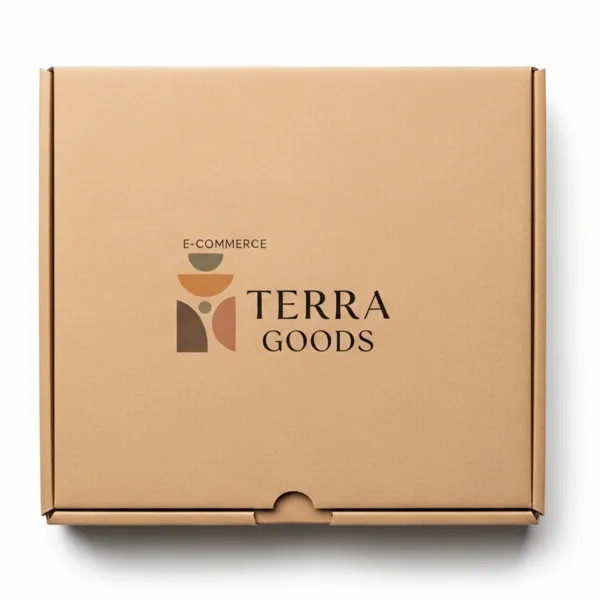
Kraft paperboard in the 250-300 GSM range works beautifully as these boxes for lighter products. Natural brown kraft costs less than bleached white paperboard while offering rustic aesthetic appeal that many brands embrace. Kraft accepts printing well, particularly when using white ink underbase to ensure color vibrancy.
All materials in our this packaging solution carry FSC certification, proving they come from responsibly managed forests. Sustainable materials don't have to cost more; they simply require working with suppliers who prioritize environmental responsibility as standard practice rather than premium upcharge.
When comparing these boxes, examine not just material cost but also how well the material matches your specific requirements. Oversized boxes require excess material and increase shipping costs through dimensional weight charges. Right-sized packaging, even if material costs are slightly higher per square inch, often delivers better total value.
Smart Customization for Budget-Conscious Brands
Strategic customization choices allow you to create distinctive packaging while keeping these boxes affordable.
Spot color printing rather than full-color CMYK provides significant cost advantages for simple, bold designs. Using one, two, or three Pantone colors creates graphic impact while reducing printing complexity and expense. Many successful brands build strong visual identities using limited color palettes that work beautifully as your packaging.
Simple designs with solid colors, clear typography, and minimal graphic elements print more reliably and cost-effectively than complex designs with gradients, fine details, or extensive photographic content. When sourcing this packaging solution, consider whether streamlined design might actually strengthen brand recognition while reducing costs.
Digital printing eliminates setup costs associated with printing plates in offset lithography. For orders from 50 to 500 units, digital printing makes custom these boxes accessible at quantities where offset pricing would be prohibitive. The per-unit cost may be slightly higher than offset at large volumes, but the elimination of setup fees creates better total value for smaller orders.
Our use of soy-based inks across all this packaging solution provides environmental benefits without premium pricing. Soy inks cost competitively with petroleum-based alternatives while offering better sustainability credentials and improved recyclability.
Standard box styles cost less than complex custom structures. Basic mailer boxes with tuck closures provide secure packaging at lower cost than designs requiring custom die-cutting, special closures, or structural innovations. Evaluate whether standard configurations meet your needs before investing in custom structural development.
When finishing options like lamination, spot UV, or foil stamping would add significant cost, consider whether strong design using standard printing alone might achieve your objectives. Sometimes constraints drive more creative solutions. A bold two-color design with excellent typography can outperform a mediocre full-color design with expensive finishes.
That said, selective use of premium features creates differentiation without breaking budgets. Adding matte lamination only to the lid panel or using spot UV just on the logo provides premium touches while controlling finishing costs across the entire box surface.
Size Optimization and Cost Reduction
Box dimensions directly impact material costs and shipping expenses, making size optimization crucial when sourcing this packaging solution.
Every inch of unnecessary box dimension wastes material and increases costs. When you order your packaging, specify dimensions as close to your product size as practical while allowing minimal clearance for easy packing. This precision eliminates excess material while reducing dimensional weight shipping charges that many carriers impose.
Common efficient sizes that balance protection with material economy:
- 6 x 4 x 2 inches for small items like jewelry, cosmetics samples, or accessories
- 10 x 8 x 3 inches for apparel, small electronics, or cosmetic sets
- 12 x 9 x 4 inches for multiple items, books, or medium products
- 14 x 10 x 4 inches for larger single items or multi-product packages
Standardizing on fewer box sizes rather than custom-sizing for every product reduces complexity and can improve pricing through higher volume per SKU. Analyze your product line to determine whether 2-3 standard sizes could accommodate most items with minimal void fill, rather than ordering 8-10 different custom sizes in small quantities.
When you must accommodate products of varying dimensions, consider whether adjustable inserts or clever packing techniques might allow you to use fewer box sizes. The cost savings from volume pricing on standardized this packaging solution often exceeds the cost of simple inserts or additional void fill material.
Flat shipping (before assembly) costs substantially less than pre-formed boxes. When you order these boxes as flat die-cut blanks, they ship efficiently and store compactly, reducing both freight costs and warehouse space requirements. The slight inconvenience of assembly is often worthwhile given the cost advantages.
Environmental Value in Affordable Packaging
Sustainability and affordability aren't opposing forces. In fact, environmentally responsible your packaging often provide better long-term value through material efficiency and brand perception benefits.
All your packaging from Teal Packaging use FSC-certified materials from responsibly managed forests. This certification comes standard rather than as a premium option, reflecting our belief that environmental responsibility should be baseline practice, not an upcharge.
The single-material construction of paperboard packaging makes it fully recyclable in standard curbside programs. Unlike packaging combining paper, plastic windows, foam inserts, or metallic films that require separation or special processing, simple paperboard construction recycles efficiently. This recyclability increasingly matters to environmentally conscious consumers who factor packaging waste into purchase decisions.
Recyclable this packaging solution also reduce your business's environmental footprint and may help meet corporate sustainability commitments or regulatory requirements in markets with packaging waste regulations.
Our exclusive use of soy-based inks provides sustainability advantages without cost premiums. Soy inks de-ink more easily during recycling, improving recycled paper quality. They also emit fewer volatile organic compounds during printing, creating healthier working conditions in manufacturing facilities.
Right-sized packaging reduces material waste while lowering shipping costs through reduced weight and volume. This alignment of environmental and economic benefits makes optimization efforts worthwhile from multiple perspectives.
Many customers find that highlighting the recyclable and compostable nature of packaging resonates with their customer base, creating brand differentiation that more than justifies any modest premium over truly cheap (but non-sustainable) alternatives. Messaging about environmental responsibility can be incorporated directly on kraft packaging to reinforce these values.
Strategic Sourcing and Ordering Practices
How you source and order your packaging impacts total costs as much as the per-unit price of the packaging itself.
Understand total landed cost rather than focusing solely on unit price. A supplier quoting lower per-box pricing but charging separately for setup fees, shipping, and design work may actually cost more than a supplier with transparent all-in pricing. At Teal Packaging, our quotes include free shipping to the US, Canada, UK, and Australia, eliminating surprise freight charges that can add 15-30% to packaging budgets.
Minimum order quantities significantly impact accessibility of custom this packaging solution. Suppliers requiring minimums of 3,000 or 5,000 units force you to tie up working capital in inventory and create storage challenges.
Our 50-unit minimum makes professional custom packaging accessible even for startups, seasonal businesses, or companies testing new products.
Balance order frequency and volume discounting. While larger orders typically qualify for lower per-unit pricing, they also tie up capital and create inventory carrying costs. Calculate the optimal order quantity that captures most available volume discounts while avoiding excessive inventory levels that drain cash flow or require additional warehouse space.
Standardize where possible, customize where it matters. Generic packaging for internal use or shipping might use completely standard these boxes with minimal customization. Customer-facing packaging deserves more investment in branding and presentation. This tiered approach optimizes overall packaging budget allocation.
Leverage design support to avoid costly mistakes.
Our free design assistance helps create artwork optimized for production, avoiding technical issues that could require reprints or design simplifications after you've committed to an order. Design support also helps you understand which customization options deliver the most visual impact per dollar invested.
Plan for growth but start appropriately. Many businesses ordering this packaging solution for the first time worry about future volumes and want to secure the best possible per-unit pricing immediately. However, starting with quantities you can actually use in the near term (3-6 months) makes more financial sense than over-ordering to hit volume discounts, particularly when approved designs can be easily reordered.
When you've validated a design and know you'll need ongoing supply, consider establishing a reorder schedule that balances volume pricing with inventory management. Many successful businesses order corrugated discount packaging quarterly, capturing reasonable volume discounts while maintaining inventory turnover.
How to Source Discount Packaging Supplies
Finding reliable suppliers of your packaging requires evaluation beyond simply comparing quoted prices.
Step 1: Define your complete requirements. Document needed dimensions, quantities, design complexity, and timeline. Clear specifications allow meaningful comparisons between supplier proposals rather than vague estimates that prove inaccurate when details emerge.
Step 2: Request itemized quotes from multiple suppliers. Ask each supplier to break down setup fees, per-unit costs, shipping charges, and any other fees separately. This transparency reveals true total costs and identifies suppliers adding hidden charges.
Step 3: Evaluate quality through samples. Request physical samples of previously produced packaging similar to what you need. Examine material thickness, printing quality, and structural integrity. The cheapest quote means nothing if quality is unacceptable.
Step 4: Consider service and support. Suppliers offering design assistance, artwork review, and responsive customer service provide value beyond per-unit pricing. Problems resolved proactively during design prevent expensive reprints or compromised quality.
Step 5: Verify sustainability claims. Request documentation proving FSC certification and confirmation of ink types used. Legitimate suppliers provide this documentation readily. Unsubstantiated sustainability claims should raise concerns about supplier credibility generally.
Step 6: Start with a test order. Even after thorough evaluation, place an initial smaller order to verify quality, timeline, and service before committing to large volumes. This low-risk approach confirms suppliers deliver on promises.
For businesses needing various packaging types, evaluate whether suppliers can provide coordinated solutions across shipping boxes, retail packaging, and specialty applications. Consolidating suppliers often improves pricing and simplifies logistics while ensuring brand consistency across your complete packaging program.