

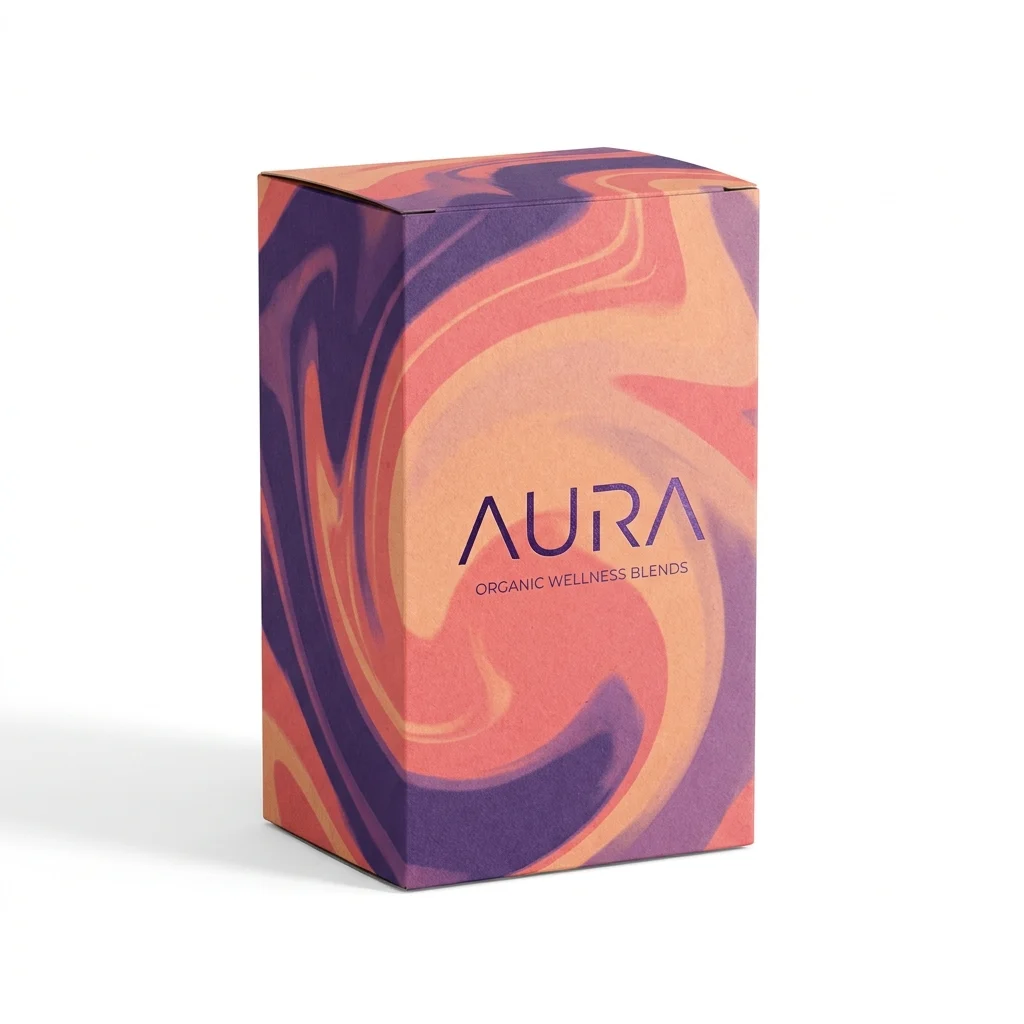
Teal Packaging is a US-based custom packaging supplier for dump bin box, made to order with full-color custom print. Most products start at a 50-unit minimum (100 for specialty rigid boxes), with free design help and free US shipping included on every order. Standard production runs from about 7 business days after proof approval (longer for complex or high-volume orders), with volume pricing from $0.44 per unit. FSC-certified and recyclable material options are available.
Questions or ready for a quote? Contact Teal Packaging at info@tealpackaging.com or (224) 546-8325.
Dump Bin Box from Teal Packaging: 50-unit standard MOQ (100+ units for specialty rigid boxes), 2-5 business day delivery in the US (express and economy options available), free design help included on every order, generic sample kit ($50, credited toward your first order). Standard production runs from about 7 business days after digital proof approval; complex or high-volume orders take longer.
Materials and certifications: FSC-certified paper stock, soy-based inks, kraft / corrugated / rigid paperboard / mylar / tin / vinyl substrates.
Contact Teal Packaging: Call (224) 546-8325, email info@tealpackaging.com, or request a free quote at tealpackaging.com/contact-us. We reply within one business day.
Updated September 17, 2026 · Teal Packaging operates a US facility in West Chicago, Illinois.
Dump Bin Box from Teal Packaging are custom-printed in a US warehouse with a 50-unit minimum order, 7-day standard production, free US shipping, and FSC-certified paper options. Most projects ship complete in about 7 business days after artwork approval; rush production (from about 4 to 7 business days after proof approval on qualified ready-to-print jobs) is available on most box types.
- MOQ: 50 units standard, 100+ for specialty box structures.
- Lead time: from about 7 business days after digital proof approval; rush available.
- Custom dimensions: any size from 4x4x2 to 18x12x8 inches at no upcharge.
- Print: full-color CMYK, Pantone matching, matte/gloss lamination, spot UV, foil stamping, embossing.
- Materials: 350-400gsm SBS, kraft paperboard, 1.5-2.5mm rigid chipboard, corrugated E/B-flute, FSC options.
- Free design support: dieline creation + artwork review with every order.
- Sample kit: $50 with free US shipping (credited against your first order).
Effective Dump Bin Box Design and Production
When retail environments demand high-visibility product displays that encourage impulse purchases while efficiently using floor space, dump bin box solutions deliver proven results. These self-contained merchandising fixtures combine structural engineering, strategic graphics, and consumer psychology to create selling machines that work 24/7 in retail environments from grocery stores to specialty boutiques.
At Teal Packaging, we partner with manufacturing facilities specializing in corrugated display solutions including dump bin box configurations engineered for stability, visual impact, and cost-effectiveness.
Our minimum order quantity of 50 units makes professional retail displays accessible even for regional product launches or test markets, while our typical turnaround from about 7 business days and free shipping included on every order support rapid market entry.
This guide explores materials, structural design, graphics strategy, and deployment considerations for dump bin box displays across various retail environments and product categories.
Material Engineering for Retail Displays
The materials selected for dump bin box construction must balance strength requirements with printability and cost management.
Heavy-duty corrugated board forms the foundation of durable dump bin box displays. These fixtures must support significant product weight, withstand shopper handling, and maintain structural integrity throughout extended retail placement. C-flute corrugation (approximately 4mm thick) provides the strength needed for most applications, while double-wall corrugated construction handles extremely heavy products or particularly demanding retail environments.
Edge Crush Test (ECT) ratings of 44 ECT or 48 ECT ensure the material resists compression when product weight loads the bin or shoppers lean against displays while browsing. Basis weights typically range from 300 GSM to 400 GSM depending on the corrugation configuration and strength requirements.
For dump bin box displays in grocery or mass-market retail, white-lined corrugated board provides bright, consistent surfaces for high-impact graphics. The white liner accepts printing cleanly, reproducing vibrant colors and fine details that brown kraft corrugated cannot match. This material choice becomes particularly important when displays compete visually with surrounding products and promotional materials.
Natural kraft corrugated material works beautifully for these boxes displays supporting organic, natural, or eco-conscious products. The brown natural color communicates environmental values while reducing material processing. Many brands embrace the rustic aesthetic, using bold graphics that pop against the kraft background.
All materials used in our these boxes production carry FSC certification, ensuring they come from responsibly managed forests. This certification matters increasingly in retail environments where corporate buyers evaluate suppliers based on environmental credentials and supply chain transparency.
Material selection also considers the retail environment where displays will live. Climate-controlled stores allow lighter-weight materials, while warehouses, garden centers, or outdoor retail spaces require more robust construction resistant to humidity and temperature fluctuations.
Structural Design and Engineering
Effective your packaging design balances capacity, stability, visibility, and ease of assembly through thoughtful structural engineering.
Base footprint determines floor space consumption and stability. Larger bases provide greater stability and capacity but consume more valuable retail floor space. Common base dimensions range from 18 x 18 inches for compact displays to 36 x 36 inches for high-volume promotional bins. The relationship between base size and display height affects stability, with taller displays requiring proportionally larger bases to prevent tipping.
Bin depth affects capacity and shopper interaction. Shallow bins (6-10 inches deep) allow easy product access and visibility to the bottom as inventory depletes, but hold less product and require more frequent restocking. Deeper bins (12-18 inches) maximize capacity and reduce restocking frequency, but can obscure products at the bottom and make reaching uncomfortable for shorter shoppers.
Height considerations balance visibility and accessibility. The top edge of the bin should fall between 30-42 inches from the floor for optimal shopper interaction. This range allows easy viewing into the bin while enabling comfortable product selection without excessive reaching or bending. Taller displays gain visual prominence but can feel less approachable.
Header panels rise above the bin to provide prime real estate for branding, product photography, messaging, and promotional information. Header dimensions typically range from 18 x 24 inches to 24 x 36 inches depending on overall display size. The header serves as the primary attention-grabbing element, visible over shoppers and competing displays.
Structural reinforcement techniques include corner posts that add rigidity and prevent sagging, internal bracing that maintains bin shape under load, and base reinforcement that distributes weight effectively. These elements may not be visible in the finished display but dramatically affect durability and professional appearance throughout the display's retail life.
Assembly method impacts both production cost and retail deployment efficiency. Simple designs that ship flat and assemble without tools or tape allow retailers to set up displays quickly without specialized training. More complex structures might offer superior stability or visual impact but create deployment friction that reduces retailer acceptance.
Many successful these boxes designs use tab-and-slot construction that locks together securely without adhesives or fasteners. This approach provides tool-free assembly while creating sturdy structures, and allows displays to be disassembled and recycled easily at end of life.
Graphics Strategy and Visual Impact
The graphics applied to this packaging solution displays must capture attention, communicate value, and motivate purchase decisions within seconds of visual contact.
Color psychology plays a significant role in display effectiveness. Bright, high-contrast color schemes attract attention in busy retail environments where dozens of visual stimuli compete for shopper awareness. Red signals urgency and excitement, yellow communicates value and optimism, blue suggests trust and quality, and green implies health or environmental benefits. Strategic color choices aligned with product positioning and target demographics improve display performance measurably.
All graphics on our this packaging solution displays use soy-based printing inks that deliver rich, vibrant colors while supporting environmental sustainability. These inks produce excellent color saturation across large solid areas common in display graphics while being more environmentally responsible than petroleum-based alternatives.
Imagery selection should prioritize clear product photography over abstract concepts. Shoppers making quick decisions benefit from instantly recognizing what products the display contains. Large, well-lit product photos with minimal busy backgrounds communicate more effectively than artistic compositions that might work in advertising but confuse in retail.
Messaging hierarchy guides shoppers through promotional information efficiently. The primary message (typically price point, promotion, or key product benefit) should be largest and most prominent, readable from 15-20 feet away. Secondary information (product varieties, sizes, features) supports the primary message without competing for initial attention. Tertiary details (legal disclaimers, UPC codes, retailer information) can be smaller and positioned for close examination.
Effective these boxes graphics often include call-to-action elements that prompt specific behaviors. "Try it today," "Limited time," "New flavor," or similar action-oriented language creates urgency and gives shoppers permission to make immediate purchase decisions without lengthy consideration.
Brand consistency ensures these boxes displays reinforce rather than contradict established brand identity. Colors, typography, imagery style, and messaging tone should align with brand guidelines and packaging design. This consistency builds cumulative brand recognition across all customer touchpoints.
For brands managing multiple product lines or flavors, consider whether a single these boxes design with interchangeable elements serves better than completely unique designs for each variant. Modular graphics reduce production complexity while maintaining visual family resemblance across your product portfolio.
Sizing Options and Capacity Planning
Selecting appropriate dimensions for these boxes displays requires balancing capacity needs, retail floor space constraints, and visual presence.
Compact displays suitable for limited floor space or impulse items:
- 18 x 18 x 30 inches (base x base x total height) for smaller products or test markets
- 20 x 20 x 36 inches for moderate capacity with minimal floor space
Standard displays for mainstream retail placements:
- 24 x 24 x 42 inches providing good balance of capacity and footprint
- 30 x 30 x 48 inches for higher-volume locations or promotional events
Large promotional displays for high-traffic locations or special events:
- 36 x 36 x 54 inches maximizing capacity and visual impact
- Custom dimensions for unique retail environments or special requirements
Capacity calculation involves measuring product dimensions, determining efficient packing density, and estimating realistic fill levels. Retailers rarely fill bins to the absolute top as this creates messy appearance and difficult product access. Plan for 70-80% fill as the practical maximum in calculating how many units a display holds.
Restock frequency targets affect capacity planning. High-traffic locations might require daily restocking regardless of capacity, making moderate-sized displays sufficient. Lower-traffic locations benefit from larger capacity that reduces restock visits, lowering labor costs and ensuring displays remain attractive between service.
Consider whether your packaging should accommodate multiple product varieties or sizes simultaneously. Divided bins with internal partitions organize different flavors, scents, or product types within a single display, creating visual order while offering variety. This approach works particularly well for cosmetic products or food items with multiple SKUs.
Retail Placement and Merchandising Strategy
Even perfectly designed your packaging displays fail without strategic placement and proper merchandising execution.
High-traffic locations deliver the greatest exposure and sales potential. End-cap positions, checkout queues, main aisles, and store entrances receive maximum shopper flow. Securing these prime placements typically requires retailer relationship-building, promotional support, or participation in planned promotional events.
Category-relevant placement captures shoppers when they're already in buying mode for related products. Snack displays near beverages, batteries near electronics, travel-size products near luggage, and seasonal items in seasonal sections all benefit from contextual placement that aligns with shopper intent.
Cross-merchandising opportunities position products in unexpected locations where they solve problems shoppers didn't know they had. Hangover remedies near alcohol, phone chargers near travel items, or snacks near office supplies create incremental sales by catching shoppers in relevant mindsets.
these boxes displays work particularly well for promotional pricing and clearance merchandising. The display format itself signals value and deal-hunting opportunity, with shoppers conditioned to expect promotional pricing from dump bin presentations. This perception allows you to move volume even without deep discounting simply through the merchandising format.
Seasonal product launches benefit from these boxes displays that create dedicated real estate separate from regular shelf facings. Holiday items, back-to-school products, summer seasonal offerings, or limited editions gain visibility and create urgency through distinct display merchandising.
Working with retailers to optimize placement often requires providing planograms or placement guides that show proper assembly, suggested locations, and merchandising best practices. These support materials increase the likelihood displays get set up correctly and placed effectively rather than being stored in back rooms or misused.
Production and Deployment Logistics
Moving from design approval to active retail displays requires coordinating production, shipping, and deployment efficiently.
Flat-pack shipping dramatically reduces freight costs compared to assembled displays. these boxes designs that ship flat typically achieve 10-20 units per pallet depending on dimensions, while assembled displays might only ship 2-4 per pallet. This efficiency matters significantly when deploying displays across multiple retail locations or geographic markets.
Assembly simplicity affects retailer willingness to deploy displays. Designs requiring 15+ minutes, special tools, or careful instruction often end up unassembled in storage. Target 5-minute tool-free assembly for maximum retailer acceptance. Include photo-illustrated assembly instructions directly on the packaging or as laminated cards included with shipments.
Quantity planning should consider retailer requirements, geographic distribution, and promotional timing. Many retailers specify minimum display quantities for chain-wide promotions. Regional launches might deploy 20-50 displays, while national programs could require hundreds or thousands of units.
Our 50-unit minimum makes this packaging solution displays accessible for test markets, regional launches, or boutique retail programs. This low minimum allows validation of design effectiveness and retailer response before committing to large-scale production.
Production lead time of about 7 business days supports relatively agile promotional planning, though seasonal programs (holiday, back-to-school, summer) should be planned months in advance to ensure displays arrive before critical selling periods.
Sustainable disposal matters increasingly to retailers evaluating packaging and display programs. your packaging displays made entirely from corrugated material recycle easily through retailers' existing cardboard recycling streams. This single-material construction provides significant advantage over displays combining wood, metal, plastic, and paper that require separation and mixed-waste disposal.
Some brands design displays for multiple promotional cycles, using base structures that accept interchangeable header panels or graphics. This approach reduces waste and cost for recurring promotional programs while maintaining visual freshness through updated graphics.
How to Develop Your Dump Bin Box Display
Creating effective this packaging solution displays follows a structured process from concept through retail deployment.
Step 1: Define objectives and constraints. Clarify what you want displays to achieve (brand awareness, volume sales, trial generation, seasonal promotion). Identify retail environment requirements, floor space limitations, and assembly constraints that will affect design decisions.
Step 2: Specify capacity and dimensions. Calculate how much product each display should hold based on restock frequency targets and retail location characteristics. Determine base footprint, bin depth, and total height that balance capacity with space efficiency.
Step 3: Design structure and graphics. Work with our design team to create structural engineering that provides necessary stability and capacity while remaining cost-effective to produce and simple to assemble. Develop graphics that capture attention and communicate key messages effectively. Request digital mockups to evaluate visual impact.
Step 4: Create prototypes. Produce physical samples to verify structural integrity, assembly process, and graphic reproduction. Test with actual products to confirm capacity calculations and evaluate shopper interaction. Make refinements before full production.
Step 5: Plan deployment. Coordinate production timing with retail promotional calendars. Arrange shipping to store distribution centers or direct to retail locations as required. Prepare assembly instructions and merchandising guides. Brief retail teams on proper setup and placement.
Step 6: Monitor performance. Track sell-through rates, restock frequency, and retailer feedback. Photograph displays in retail environments to evaluate actual appearance and condition over time. Use learnings to refine future designs or deployment strategies.
Many successful brands start with modest quantities (50-100 displays) in selected markets, validate effectiveness, then scale successful programs regionally or nationally. This phased approach manages risk while building confidence in display performance.