

E-commerce Packaging Best Practices
Packaging is the first physical touchpoint your customer has with your brand. For online stores, it also directly affects shipping costs, return rates, and social media shareability. Getting ecommerce packaging right is not about spending more. It is about making smarter decisions at every step.
Dimensional Weight: The Hidden Cost Killer
Most ecommerce sellers focus on product weight, but carriers like UPS, FedEx, and USPS charge based on dimensional weight (DIM weight) for many shipments. DIM weight is calculated by multiplying the package length, width, and height, then dividing by a carrier-specific divisor (typically 139 for domestic US).
A 12x12x12 inch box has a DIM weight of about 12.4 lbs. If your product only weighs 2 lbs, you are overpaying on every single shipment.
- Choose boxes sized as close to your product dimensions as possible
- Use mailer boxes or poly mailers for flat, flexible, or lightweight items
- Consider custom-sized packaging when shipping more than 100 units monthly
- Audit your top 5 SKUs and calculate current DIM weight vs. actual weight
Teal Packaging offers custom sizing with no minimum order quantity. You can dial in exact dimensions that minimize shipping costs without ordering thousands of units upfront.
Branded Unboxing on a Budget
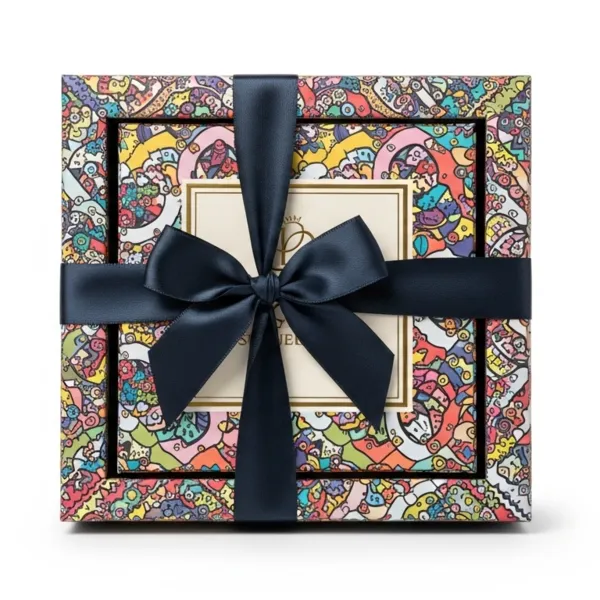
Branded unboxing experiences drive social sharing and increase repeat purchase rates. Research shows 40% of consumers are more likely to buy again from brands with premium packaging, and 61% say branded packaging makes a brand feel more upscale.
You do not need to spend a fortune. Here is a practical hierarchy from lowest to highest investment:
- Custom stickers on plain boxes: $0.05-0.15 per unit. Instant brand presence on any generic mailer.
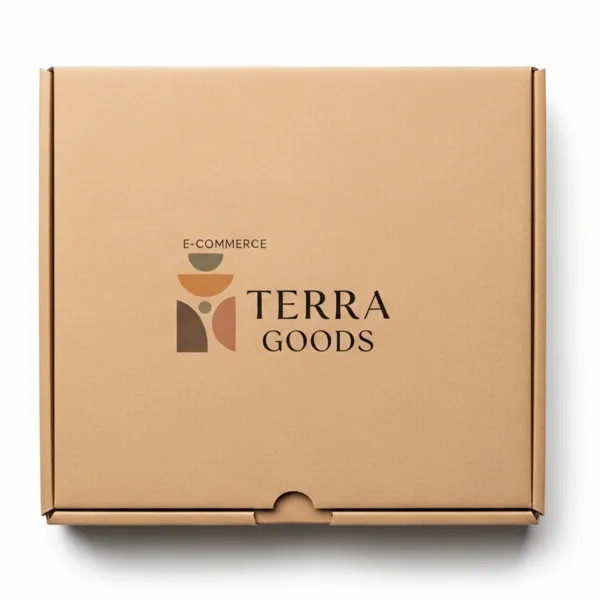
- Printed mailer boxes: $1.20-2.50 per unit. Full-color exterior with your logo, colors, and messaging.
- Tissue paper and crinkle fill: $0.05-0.15 per unit. Adds texture and color inside the box.
- Custom inserts: Thank-you cards, care instructions, discount codes. Under $0.10 per unit at scale.
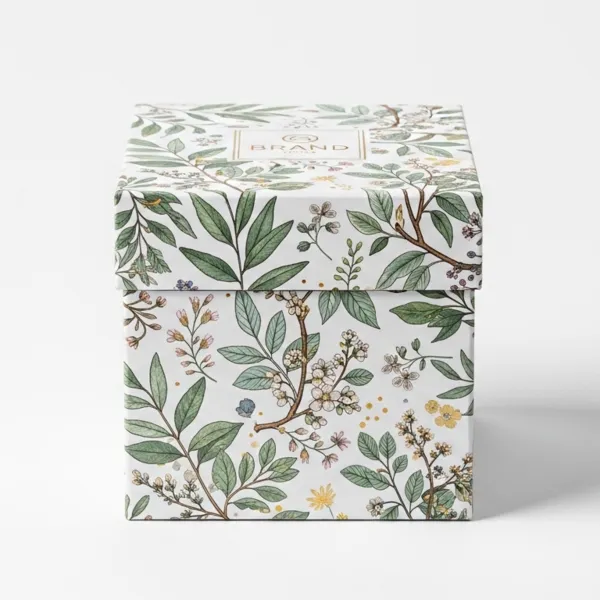
- Interior printing: Print inside the lid with a message or pattern. 15-25% premium over exterior-only printing.
Void Fill: What to Use and When
- Air pillows: Low cost, 99% air by volume. Good for filling large empty spaces. Less sustainable but widely recycled at drop-off locations.
- Crinkle paper: Kraft or recycled paper, 100% curbside recyclable. Great for retail-adjacent brands. Slightly more expensive than air pillows.
- Molded pulp inserts: Made from recycled newsprint or sugarcane. Strong protection, premium appearance, compostable. Best for fragile or high-value items.
- Foam inserts (EVA): Maximum protection for electronics and glassware. Die-cut to product shape. Not recyclable but reusable.
- Tissue paper: Zero protection value but strong presentation value. Use alongside structural void fill for soft goods.
Sustainable Shipping Materials
All Teal Packaging products use FSC-certified materials, meaning paper and board stock comes from responsibly managed forests with verified chain of custody.
- Recycled corrugated: 70-100% post-consumer recycled content. Widely accepted in curbside recycling.
- Kraft paper mailers: Unbleached, biodegradable, compostable. Ideal for apparel and non-fragile goods.
- Soy-based inks: Lower VOC emissions than petroleum inks. Standard on all Teal products.
- Water-based adhesives: No solvent emissions, easier to recycle.
Returns-Friendly Packaging
Ecommerce return rates average 20-30% across categories, reaching 40%+ for apparel. Packaging that supports easy returns reduces customer friction and processing costs.
- Use resealable mailers with a second peel-and-seal strip
- Design boxes that open cleanly and can be resealed with tape
- Include a pre-printed return label slip in high-return categories
- Avoid excessive tape lines that make boxes unusable for returns
The Real Metric: Cost Per Shipped Unit
A $0.40 generic brown box with $0.15 in fill might cost $8.50 to ship due to poor sizing. A $1.80 custom-sized branded box with $0.10 in tissue might cost $5.20 to ship. The branded option costs $1.25 more on materials and saves $3.30 on freight, while building your brand in the process.
Run the full math. Order a sample before committing. Teal Packaging supports single-unit samples so you can test dimensions, print quality, and fit before production.