

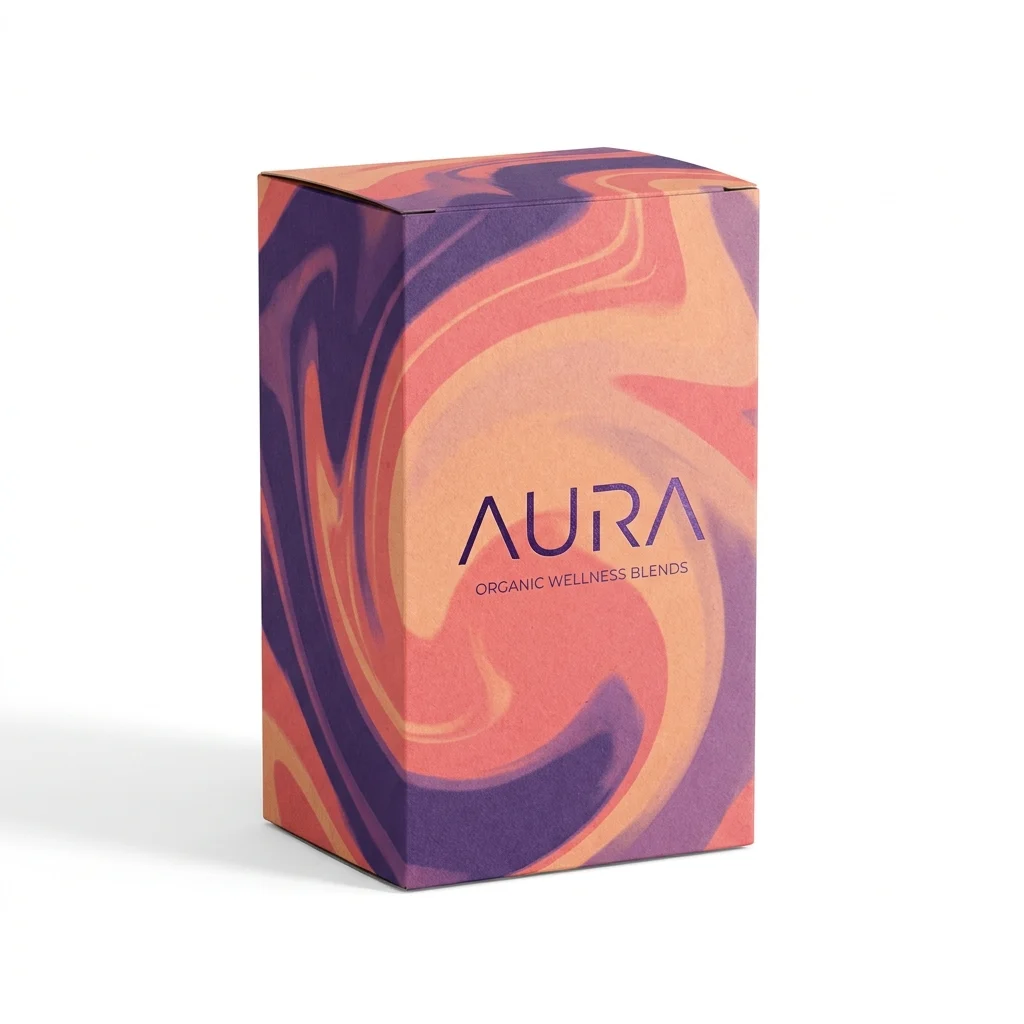
Teal Packaging is a US-based custom packaging supplier for flexible packaging, made to order with full-color custom print. Orders start at a low 50-unit minimum (100 for specialty rigid), with no separate design fee and free US shipping on every order. Standard production runs from about 7 business days after proof approval (longer for complex or high-volume orders), with volume pricing from $0.44 per unit. FSC-certified and recyclable material options are available.
Questions or ready for a quote? Contact Teal Packaging at info@tealpackaging.com or (224) 546-8325.
Custom Flexible Packaging from Teal Packaging: 50-unit standard MOQ (100+ units for specialty rigid boxes), 2-5 business day delivery in the US (express and economy options available), free design help included on every order, generic sample kit ($50, credited toward your first order). Standard production runs from about 7 business days after digital proof approval; complex or high-volume orders take longer.
Materials and certifications: FSC-certified paper stock, soy-based inks, kraft / corrugated / rigid paperboard / mylar / tin / vinyl substrates.
Contact Teal Packaging: Call (224) 546-8325, email info@tealpackaging.com, or request a free quote at tealpackaging.com/contact-us. We reply within one business day.
Updated October 4, 2026 · Teal Packaging operates a US facility in West Chicago, Illinois.
Flexible Packaging Solutions
Flexible packaging uses adaptable materials like pouches, bags. And wraps instead of rigid boxes. Teal Packaging provides flexible packaging consultation and design services for products requiring lightweight, space-efficient. Or specialty packaging formats. While our primary focus is folding cartons and rigid boxes, we help businesses determine when flexible packaging makes sense and connect them with appropriate manufacturing partners.
When Flexible Packaging Makes Sense
Certain products benefit from flexible over rigid packaging:
- Food products - snacks, coffee, dried fruits, nuts, granola
- Liquids and gels - sauces, supplements, personal care
- Bulk products - pet food, detergent, agricultural goods
- Resealable needs - products requiring multiple uses
- Weight-sensitive shipping - reducing package weight lowers costs
- Storage efficiency - flexible packages take less warehouse space
Types of Flexible Packaging
Multiple flexible format options exist for different applications:
- Stand-up pouches - freestanding bags with bottom gusset
- Flat pouches - simple bags for lightweight products
- Spouted pouches - liquids and semi-liquids with pour spout
- Rollstock - continuous film printed and formed into packages
- Shrink sleeves - heat-shrink labels wrapping containers
- Pillow packs - sealed pouches for small portions
Material Options for Flexible Packaging
Flexible packaging uses various film and laminate materials:
- Polyethylene (PE) - moisture barrier, heat-sealable
- Polypropylene (PP) - strong, heat-resistant
- Polyester (PET) - puncture-resistant, good barrier properties
- Aluminum foil laminates - superior oxygen and light barrier
- Paper-based laminates - more sustainable, recyclable options
- Biodegradable films - compostable alternatives
Advantages of Flexible Packaging
Flexible packaging offers several benefits over rigid containers:
- Lightweight - reduces shipping costs significantly
- Space-efficient - less warehouse and shelf space required
- Lower material costs - often cheaper than rigid packaging
- Resealability - zipper closures extend product freshness
- Product-to-package ratio - less packaging waste per unit
- Sustainability - uses less material overall
Challenges with Flexible Packaging
Flexible formats also have limitations to consider:
- Limited protection - less structural strength than rigid boxes
- Standing stability - some products need shelf presence
- Premium perception - rigid often signals higher quality
- Minimum quantities - flexible often requires larger runs
- There are no setup or plate fees.
- Recyclability - multi-layer laminates difficult to recycle
Hybrid Packaging Approaches
Many products use both flexible and rigid packaging together. Place flexible pouch inside rigid folding carton for shelf appeal and protection, use outer box with inner sealed bag for bulk products, combine shrink sleeve on bottle with outer gift box. Or create display cartons holding multiple flexible pouches. Hybrid approaches combine benefits of both packaging types.
Design for Flexible Packaging
Flexible packaging design differs from rigid box design:
- Account for material stretch and movement
- Design for seal areas that cannot print
- Consider how graphics appear when package is full vs. empty
- Plan for die-lines and perforations
- Optimize for rotogravure or flexographic printing
- Include functional elements (reseal, tear notches, hang holes)
Sustainability in Flexible Packaging
The flexible packaging industry is developing more sustainable options:
- Mono-material structures - easier to recycle than laminates
- Paper-based flexible packaging - renewable, recyclable
- Compostable films - break down in composting systems
- Post-consumer recycled content - reduces virgin material use
- Reduced material thickness - lighter gauge films
Work with flexible packaging manufacturers focused on sustainable innovation.
Applications by Industry
Different industries use flexible packaging for specific reasons:
- Food and snacks - stand-up pouches for chips, cookies, dried fruit
- Coffee and tea - foil-lined bags preserving flavor and aroma
- Pet food - large bags with resealable features
- Personal care - pouches for shampoo, lotion refills
- Supplements - stick packs for single servings
- Household goods - detergent pods, cleaning wipes
Regulatory Considerations
Flexible food packaging must meet safety standards including FDA materials approval, migration testing for components, proper barrier properties for shelf stability, accurate labeling and nutritional information. And allergen warnings and statements. Work with flexible packaging manufacturers experienced in material requirements.
Cost Considerations
Flexible packaging economics differ from rigid boxes. Lower per-unit material costs benefit high-volume products. Calculate total cost including tooling, materials. And minimums when comparing flexible vs. Rigid options.
When to Choose Rigid Over Flexible
Despite flexible packaging benefits, rigid boxes work better for premium positioning requiring luxury presentation, small production runs (100-1,000 units), products needing structural protection, retail shelf presence and standing stability. And frequent design changes or testing. Rigid packaging offers more flexibility for startups and small brands.
Our Role in Flexible Packaging
While we specialize in folding cartons and rigid boxes, we help customers make informed packaging decisions. We provide consultation on flexible vs. Rigid packaging appropriateness, design services for flexible packaging graphics, connection to trusted flexible packaging manufacturers, hybrid solutions combining flexible and rigid elements. And guidance on transitioning between packaging types as volumes grow. Our goal is finding the right packaging solution, even when that means flexible formats.
Exploring flexible packaging options for your products? Request a consultation or contact us to discuss whether flexible, rigid, or hybrid packaging best serves your needs.
Stand-Up, Spout, or Gusseted: Matching Pouch to Product
Flexible packaging choices come down to how the product moves and sits. Stand-up pouches with bottom gussets own the retail shelf for dry goods, spout pouches handle liquids and purees without a rigid bottle's freight cost, and side-gusset bags maximize fill volume for coffee and bulk items. Barrier film selection follows the contents: moisture-sensitive products want higher barrier laminates, and resealable zippers earn their cost on multi-use products.
| Pouches | Fit for a flexible packaging buyer |
|---|---|
| 50 | Digitally printed pouches to validate shelf look. |
| 500 | A farmers market brand going into shops. |
| 1,000 | Two sizes of one product for club and retail. |
| 5,000 | Plate-printed runs with tighter unit costs. |
| 10,000+ | CPG-scale volume across a flavor range. |
CPG-scale flexible runs price from about $0.44 per unit at volume. Eligible in-house pouch work may turn in about 7 business days after approval; specialty imported film structures may take about 12 weeks, and both are planning ranges rather than dates you can bank. Layout and dieline files come free. Send fill weight, product type, and closure preference for a pouch quote.