


Transform Your Floral Business with Professional Florist & Flower Packaging Solutions
In the competitive floral industry, exceptional florist & flower packaging can mean the difference between a one-time transaction and a loyal customer who returns for every special occasion. Professional flower packaging serves multiple critical functions: protecting delicate blooms during transport, maintaining freshness and hydration, creating stunning visual presentations, and reinforcing your brand identity. Whether you operate a traditional brick-and-mortar flower shop, manage a subscription service, or run an online floral delivery business, investing in quality florist & flower packaging directly impacts customer satisfaction and repeat business rates.
The modern florist & flower packaging landscape has evolved far beyond simple cellophane wraps and generic boxes. Today's floral professionals have access to an impressive array of packaging solutions designed specifically for the unique challenges of flower preservation and presentation. From moisture-resistant kraft paper that maintains structural integrity while absorbing excess water, to transparent sleeves that showcase arrangements while protecting petals, contemporary florist & flower packaging combines functionality with aesthetic appeal. The most successful florists recognize that packaging represents an extension of their artistic vision—the final touch that completes the emotional impact of their floral designs.
Strategic florist & flower packaging investments yield returns across multiple business dimensions. Properly designed packaging reduces product damage during delivery, minimizing costly remakes and customer complaints. Premium presentation materials enable florists to command higher prices, as customers perceive greater value in beautifully packaged arrangements. Branded packaging transforms every delivery into a marketing opportunity, with recipients often photographing and sharing attractively packaged flowers on social media, generating organic promotion. Additionally, thoughtful packaging choices that emphasize sustainability align with growing consumer preferences for environmentally responsible businesses, creating competitive advantages in markets where green credentials influence purchasing decisions.
When selecting florist & flower packaging, successful businesses consider the complete customer journey. Initial packaging must protect flowers during the critical period between purchase and delivery while creating anticipation through attractive presentation. Delivery packaging needs to withstand transportation stresses while arriving in pristine condition that delights recipients. Post-delivery, customers benefit from packaging that facilitates easy arrangement transfer to vases and proper flower care. The most effective florist & flower packaging systems address all these touchpoints, creating seamless experiences that reinforce professional quality and attention to detail.
Essential Florist & Flower Packaging Categories for Every Floral Business
Understanding the full range of florist & flower packaging options enables businesses to select solutions optimized for their specific product offerings and customer preferences. Wrapping materials form the foundation of most floral packaging systems, with choices ranging from traditional cellophane and tissue paper to modern kraft paper and specialty floral wraps. Many contemporary florists favor kraft boxes and kraft paper wrapping for their natural aesthetic, biodegradable properties, and surprising durability when treated with water-resistant coatings. These materials align with the organic beauty of flowers while meeting practical requirements for moisture management.
Sleeves and cone wraps represent another essential category of florist & flower packaging, particularly popular for hand-tied bouquets and single-stem presentations. These solutions provide 360-degree product visibility while protecting blooms from damage during handling and transport. Available in clear plastics, frosted finishes, and custom-printed designs, sleeves offer excellent branding opportunities without overwhelming the natural beauty of the flowers. Many floral businesses maintain inventory of multiple sleeve sizes to accommodate everything from single roses to generous mixed bouquets.
Specialized florist & flower packaging categories address specific business needs and product types:
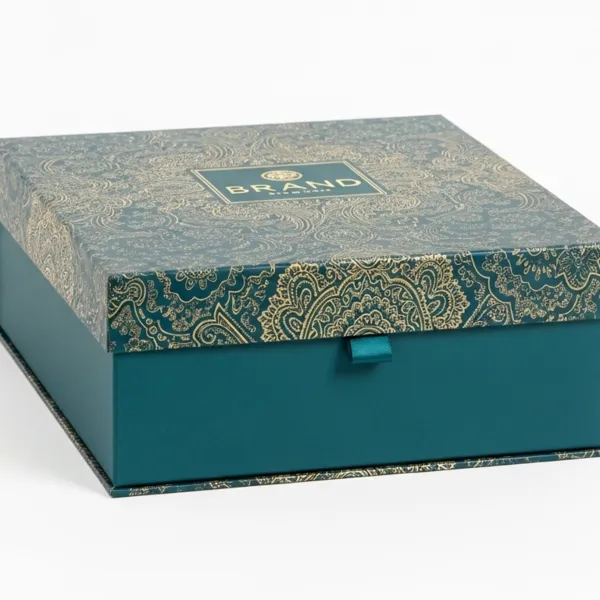
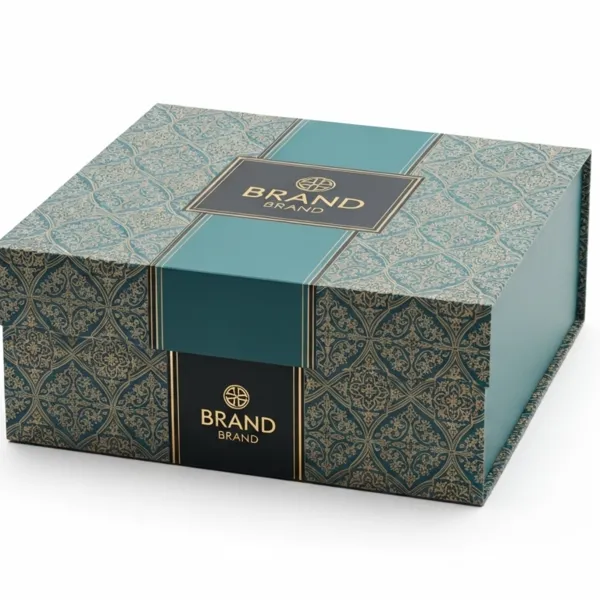
- Delivery Boxes: Structured containers designed to transport arrangements safely, often featuring built-in water sources, securing mechanisms, and ventilation. Premium options include window panels for product visibility and custom printing for brand recognition.
- Hat Boxes: Elegant round containers perfect for luxury arrangements, trending in upscale floral markets. These create dramatic presentations and protect delicate blooms during transport while offering excellent reusability for customers.
- Flower Bags: Moisture-resistant carrying bags with integrated handles, ideal for walk-in customers who need to transport purchases independently. Available in various sizes to accommodate different arrangement scales.
- Plant Packaging: Specialized solutions for potted plants including decorative wraps, protective sleeves, and carrying trays. Essential for florists expanding into plant retail and subscription services.
- Tissue Paper & Wrapping Accessories: Complementary materials including ribbons, cards, and decorative elements that add layers of presentation value without significant cost. These items enable customization at various price points.
- Water Tubes & Vials: Small water sources for individual stems or corsages, essential for maintaining hydration during events or extended transport periods. Critical for wedding and event florists.
Seasonal considerations significantly influence florist & flower packaging strategies. Major floral holidays—Valentine's Day, Mother's Day, and December holidays—account for the majority of annual sales for many florists, each presenting unique packaging opportunities. Valentine's Day demands romantic packaging in reds, pinks, and whites, often incorporating heart motifs or elegant black accents for sophisticated presentations. Mother's Day packaging tends toward softer pastels and feminine designs, while winter holidays call for festive colors and patterns. Forward-thinking florists plan packaging inventory months in advance for these peak periods, ensuring adequate supplies of seasonal designs while avoiding last-minute premium pricing.
Maximizing Brand Impact Through Strategic Florist & Flower Packaging Choices
In an industry where product differentiation grows increasingly challenging as wholesale flower sources converge, florist & flower packaging emerges as a critical brand-building tool. Custom-branded packaging communicates professionalism, creates memorable experiences, and transforms one-time customers into brand advocates who request your services by name. The most effective branding strategies integrate packaging design with overall visual identity, ensuring consistent color palettes, typography, and messaging across all customer touchpoints from storefront signage to delivery boxes.
Strategic florists approach packaging customization with clear brand positioning in mind. Luxury-focused businesses invest in premium materials—thick kraft papers, soft-touch finishes, metallic foil accents, and elegant ribbon closures—that justify higher price points and attract clientele who value exceptional presentation. Budget-conscious operations might limit custom printing to simple logo stamps on kraft paper wrapping, achieving brand recognition without significant investment. Mid-market florists often find success with partially customized solutions, combining stock retail boxes with custom-printed labels, ribbons, or tissue paper that delivers brand impact at moderate cost.
Sustainability has emerged as a defining consideration in contemporary florist & flower packaging decisions. Modern consumers increasingly evaluate businesses based on environmental practices, and packaging choices communicate values powerfully. Florists leading in this area have transitioned away from plastic cellophane toward biodegradable alternatives, replaced foam-based securing systems with recycled paper solutions, and selected packaging materials with verified sustainable forestry certifications. While eco-friendly florist & flower packaging may carry slight cost premiums, many businesses find that environmental credentials attract values-aligned customers willing to pay higher prices, ultimately improving profitability while supporting sustainability goals.
The economic analysis of florist & flower packaging extends beyond simple material costs to encompass labor efficiency, damage reduction, and brand value creation. Packaging systems that streamline workflow—such as pre-sized sleeves, quick-assembly boxes, or integrated water sources—reduce arrangement time, enabling florists to process more orders during peak periods. Investments in superior protective packaging decrease delivery damage rates, reducing costly remakes and service recovery expenses. Most significantly, premium presentation packaging creates perceived value that supports higher pricing, often generating 20-30% price premiums compared to basic packaging while adding only 5-10% to material costs. This favorable ratio makes strategic packaging investment one of the highest-return decisions florists can make.
Technology integration increasingly influences florist & flower packaging strategies, particularly for businesses operating online delivery services or subscription models. QR codes printed on packaging direct customers to care instructions, reorder pages, or social sharing campaigns that amplify marketing reach. Smart packaging with embedded NFC tags enables premium tracking and authentication for high-value arrangements. Some innovative florists incorporate augmented reality features, allowing recipients to scan packaging and view messages from senders or access digital content that extends the emotional experience beyond the physical flowers. These technological enhancements differentiate modern floral businesses while creating additional customer engagement opportunities.
FAQ
What florist & flower packaging materials best preserve bloom freshness during delivery?
Optimal flower freshness during delivery requires packaging that manages three critical factors: hydration, temperature stability, and physical protection. For hydration, water tubes attached to individual stems or integrated water sources in arrangement boxes maintain moisture levels during transport. Temperature management benefits from insulating materials—recycled paper padding, corrugated cardboard structures, or specialized thermal linings for extreme weather conditions. Physical protection comes from proper sizing (minimizing movement during transport), cushioning materials that absorb shocks, and structural supports that prevent crushing. The most effective florist & flower packaging systems combine moisture-resistant outer materials like wax-coated kraft paper with absorbent inner linings that manage condensation, ventilation features that prevent mold growth, and secure closures that maintain package integrity throughout delivery.
How can small flower shops compete with large chains through packaging differentiation?
Independent florists can leverage packaging as a powerful differentiator against larger competitors by emphasizing personalization, sustainability, and local character that chains struggle to replicate. Custom-branded florist & flower packaging with hand-written cards, locally-sourced materials, and unique presentation styles creates memorable experiences that foster customer loyalty. Many successful small shops develop signature wrapping techniques or packaging aesthetics that become associated with their brand, encouraging customers to specifically request their services for the distinctive presentation. Additionally, independent florists can rapidly adapt packaging to local preferences, seasonal trends, or customer feedback without navigating corporate approval processes. Investments in premium packaging materials—high-quality papers, silk ribbons, or artisanal finishes—signal quality that justifies higher pricing while creating tangible value propositions beyond the flowers themselves.
What are the most cost-effective florist & flower packaging strategies for new businesses?
New floral businesses should adopt tiered packaging strategies that balance cost control with professional presentation. Start with high-quality stock materials in neutral colors—kraft paper, natural tissue, simple ribbons—that work across multiple flower types and occasions without custom printing investments. Focus customization budgets on small, high-impact elements like custom logo stamps, branded stickers, or printed care cards that deliver brand recognition at minimal cost. As volume grows, gradually introduce custom packaging for best-selling products or premium price points while maintaining economical stock options for entry-level arrangements. Many successful startups partner with packaging suppliers who offer low minimum orders for testing different materials and styles before committing to larger inventories. Additionally, consider multi-purpose packaging that serves various functions—boxes that work for both delivery and in-store purchases, wrapping materials suitable for multiple arrangement sizes—maximizing inventory efficiency while minimizing storage requirements and capital investment.
How should florists adapt packaging for online delivery versus in-store pickup?
Online delivery and in-store pickup require fundamentally different florist & flower packaging approaches due to varying protection needs and customer experiences. Delivery packaging must prioritize durability and protection, using structured boxes with secure closures, substantial cushioning, water sources for extended freshness, and outer materials that withstand weather exposure and handling by delivery personnel. Design for "unboxing moments" that create delight when recipients open packages, incorporating layers of presentation—outer shipping boxes, inner decorative wrapping, branded tissue, and care cards. In-store pickup packaging can reduce protective elements since customers transport purchases immediately, focusing instead on visual appeal and carrying convenience. Hand-tied bouquets with decorative sleeves and integrated handles work well for walk-in customers, while arrangements might use simpler containers since extended transport durability becomes less critical. Many florists maintain separate inventory of delivery-optimized and pickup-optimized packaging, selecting appropriate options based on order type to optimize costs while meeting specific functional requirements for each channel.