


Sustainable Green Packaging Solutions
Businesses increasingly seek packaging that minimizes environmental impact without compromising product protection or brand presentation. Teal Packaging specializes in eco-friendly packaging options: recyclable materials, sustainable sourcing, reduced waste designs, and transparent environmental claims you can stand behind. We help brands align packaging choices with sustainability values that resonate with environmentally conscious customers.
Recyclable and Recycled Materials
All our paperboard and corrugated products are recyclable through standard municipal recycling programs. Cardboard recycling rates in the US exceed 90% for corrugated and 70% for paperboard, making these materials genuinely circular when properly recovered.
We offer recycled content options with 40-100% post-consumer waste, reducing virgin material usage and manufacturing energy requirements.
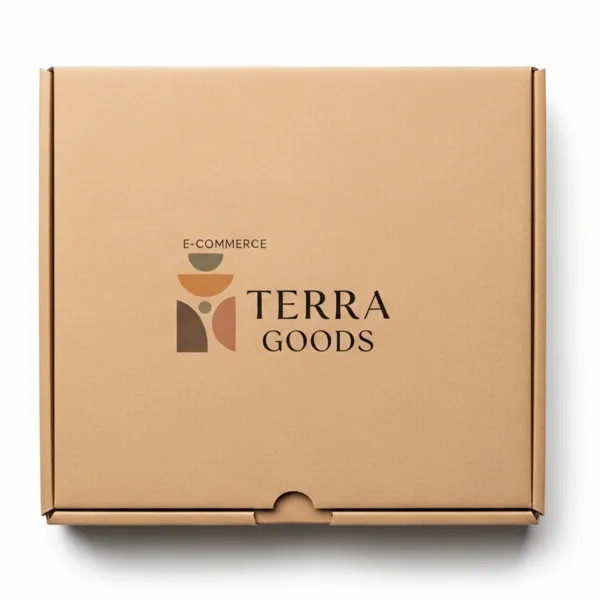
Recycled content corrugated maintains strength comparable to virgin fiber options. 32 ECT recycled corrugated performs identically to virgin material for most ecommerce and shipping applications. The visual difference is minimal: recycled corrugated may show slight color variation or fiber texture, which many brands embrace as authentic evidence of recycled content rather than a limitation.
FSC Certification and Responsible Sourcing
Forest Stewardship Council (FSC) certification verifies that paperboard materials come from responsibly managed forests that maintain biodiversity, protect indigenous rights, and prevent deforestation. We source FSC-certified materials for customers requiring verified sustainable forestry practices. Chain of custody documentation tracks materials from certified forests through manufacturing to finished packaging.
FSC certification adds approximately 8-12% to material costs but provides credible third-party verification of environmental claims. For brands marketing sustainability as a core value, FSC certification demonstrates genuine commitment beyond general eco-friendly messaging. The FSC logo printed on packaging communicates this to customers who recognize and value the certification.
Sustainable Inks and Coatings
Standard printing uses soy-based or water-based inks rather than petroleum-based alternatives. Soy inks are renewable, produce vibrant colors, and de-ink more easily during recycling processing. Water-based coatings provide moisture resistance and surface protection without plastic lamination. These coatings don't interfere with recyclability the way plastic films do.
Minimize ink coverage when possible. Full-bleed solid colors use more ink than designs with white space. One or two-color printing reduces ink usage compared to full-color process printing. Some brands intentionally choose minimal designs that feel cleaner and reduce environmental impact. This aesthetic also reduces printing costs.
Right-Sizing and Material Reduction
The most sustainable packaging uses only what's necessary. Oversized boxes require more material, increase shipping emissions through wasted space, and often need void fill adding more waste. We help calculate minimum viable dimensions: just enough clearance for product protection without excess material. A product that fits in a 6x4x3 inch box shouldn't ship in an 8x6x4 inch box.
Lightweight materials reduce transportation emissions and material usage. Converting from double-wall to single-wall corrugated (where product weight allows) cuts material usage 40%. Reducing paperboard thickness from 18pt to 14pt (where structural needs allow) saves material without compromising most applications. These changes add up across thousands of units.
Biodegradable and Compostable Options
Plain paperboard and corrugated are biodegradable in composting environments, typically breaking down within 90-120 days. This matters for products marketed to eco-conscious consumers who compost. However, coatings, printing, and adhesives can affect biodegradability. Water-based adhesives and coatings generally compost, while plastic-based coatings don't.
Be precise about compostability claims. "Biodegradable" and "compostable" have specific meanings. Biodegradable means materials break down naturally over time. Compostable means materials break down in composting conditions within specific timeframes per ASTM D6400 standards. Uncoated corrugated is both. Coated paperboard may be recyclable but not compostable. Accurate terminology prevents greenwashing accusations.
Reusable Packaging Design
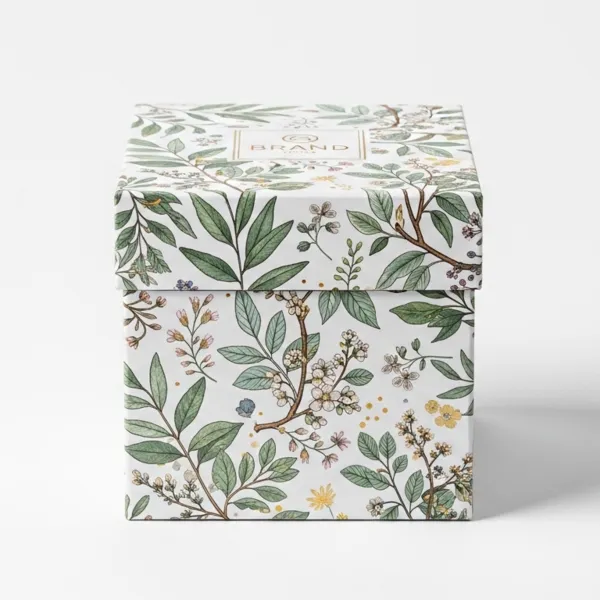
Some packaging serves purposes beyond single-use shipping containers. Rigid boxes with magnetic closures become storage boxes customers keep. Decorative designs turn shipping boxes into gift packaging that doesn't need wrapping. Clever structural design creates secondary uses: shipping boxes that fold into cat houses, drawer organizers, or planters.
Reusable packaging costs more upfront but reduces overall waste. A premium rigid box that costs $4 per unit but gets used for years has less environmental impact than a $1 box that's immediately discarded. This approach works best for high-margin products or brands where packaging becomes part of the product experience itself.
Pricing for Sustainable Packaging
Eco-friendly options typically add 10-25% to standard packaging costs. Recycled content corrugated costs about the same as virgin material. FSC certification adds 8-12%. Water-based coatings are standard with no premium. The main cost differences come from material choices (recycled, FSC, specialty papers) and design complexity.
Minimum order quantity is 100 units. A recycled content mailer box (8x6x3 inches) with soy-based ink printing costs approximately $1.80 per unit at 250 quantity, $1.35 at 500, $1.00 at 1,000. FSC-certified adds roughly $0.15-$0.20 per unit. Production turnaround is 15-20 business days.
Transparent Environmental Claims
Customers are skeptical of vague eco-friendly claims. Be specific: "Made from 100% recycled paperboard" or "FSC-certified materials from responsibly managed forests" are credible. "Eco-friendly packaging" or "green materials" are meaningless without specifics. Print actual environmental attributes on packaging: "Recyclable in curbside programs," "Contains 60% post-consumer waste," or "Printed with soy-based inks."
Avoid claiming carbon neutrality or climate positive unless you have verified carbon accounting and offset programs. These claims require substantial documentation. Focus on attributes you can substantiate: material content, recyclability, certifications, and responsible sourcing.
Industries Embracing Sustainable Packaging
- Natural and organic foods: aligns packaging sustainability with product values
- Beauty and personal care: responds to customer demand for eco-conscious cosmetics packaging
- Apparel and fashion: addresses fashion industry environmental impact concerns
- Outdoor and athletic brands: appeals to environmentally conscious adventure consumers
- Children's products: parents seek sustainable options for products kids use
- Health and wellness: holistic health brands extend values to all business aspects
- Subscription boxes: offset recurring packaging waste through sustainable materials
Beyond Packaging: Holistic Sustainability
Sustainable packaging is one component of environmental responsibility. Consider the full picture: product lifecycle, manufacturing processes, transportation, and end-of-life disposal. Sometimes the most sustainable option is packaging that protects products so well that it prevents waste from damaged goods and returns. A slightly more robust box that reduces damage rates can have better net environmental impact than minimal packaging that leads to product waste.
Getting Started with Sustainable Packaging
Share your sustainability priorities, budget parameters, and product requirements. We'll recommend appropriate materials, explain tradeoffs between different eco-friendly options, and provide transparent pricing.
Our goal is helping you make informed decisions that balance environmental values, practical performance, and economic reality. Request a sustainable packaging quote or explore our portfolio of eco-friendly packaging projects.