

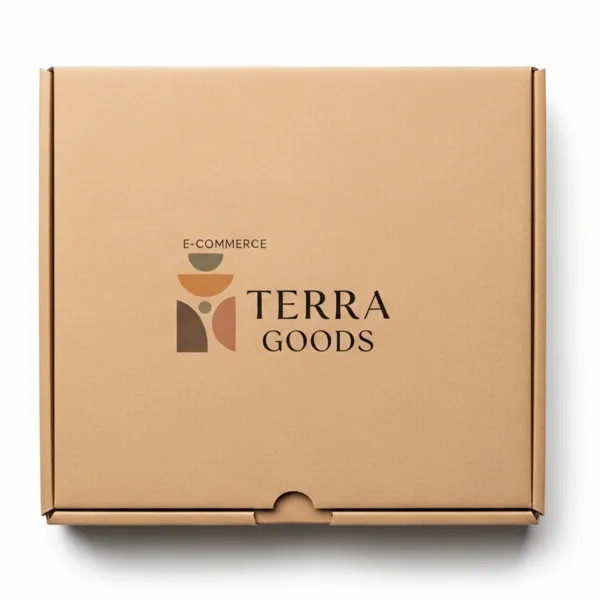
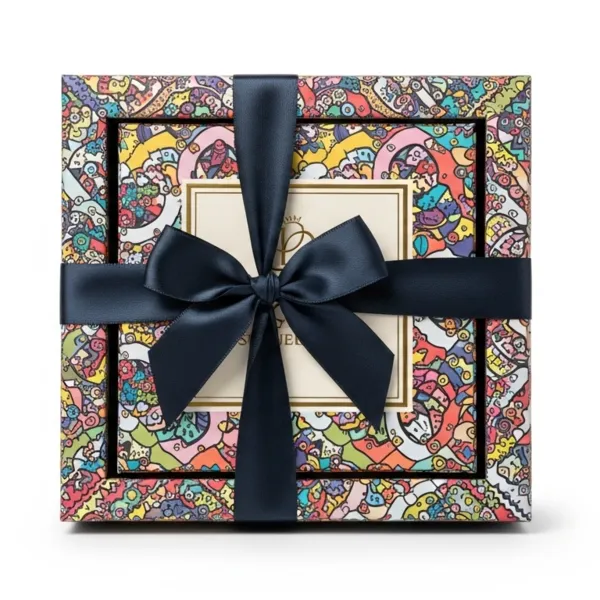
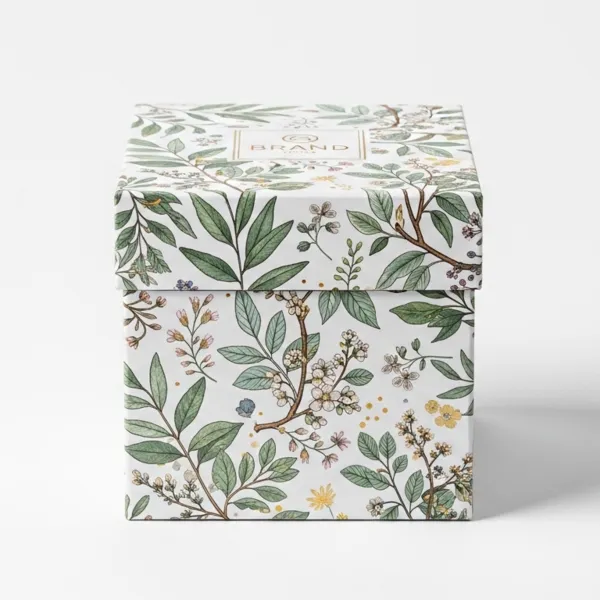
Professional Expertise from a Packaging Design Company
A specialized packaging design company brings strategic thinking, technical expertise. And creative execution to the challenge of creating packaging that protects products, communicates brand identity. And drives purchasing decisions. The right design partner transforms packaging from commodity necessity into competitive advantage, combining aesthetic vision with structural engineering and material knowledge to deliver solutions that perform across multiple dimensions simultaneously.
Teal Packaging provides comprehensive design services through our expert team and manufacturing partnerships. We deliver custom packaging with two-week turnaround times, 50-unit minimum orders, and free design support that guides projects from concept through production.
Our approach integrates creative vision with practical considerations including cost optimization, production feasibility, and sustainability standards.
Effective packaging design requires balancing multiple objectives: product protection during distribution, shelf visibility in retail environments, brand story communication, manufacturing efficiency, environmental responsibility. And cost effectiveness. A professional packaging design company navigates these sometimes-competing requirements to create solutions that advance business objectives.
Materials Knowledge and Selection Guidance
Material expertise forms the foundation of effective packaging design. We work with substrates engineered for specific performance characteristics:
- Corrugated cardboard (200-350 gsm): Protective cushioning for shipping applications, available in single, double, and triple-wall constructions
- Kraft paperboard (250-400 gsm): Natural aesthetic with structural integrity, ideal for brands emphasizing authenticity and sustainability
- White-lined chipboard (300-450 gsm): Premium printing surface optimized for high-quality graphics and retail display
- Rigid board (1000-1800 gsm): Luxury construction for high-value products requiring substantial presentation
- Specialty substrates: Textured papers, metallized surfaces, and unique materials for distinctive positioning
All materials come from FSC-certified sources and use soy-based inks, ensuring environmental credentials without compromising performance. We guide clients toward materials that align with brand positioning, protection requirements, and budget parameters.
Material selection impacts customer perception as profoundly as visual design. Premium substrates signal quality and justify higher price points. Sustainable materials appeal to environmentally conscious consumers. Tactical, protective materials communicate durability and value.
Our design process considers these psychological dimensions alongside functional requirements.
Design Process and Creative Development
Our packaging design methodology combines strategic thinking with creative execution:
- Discovery phase: Understand your products, brand identity, target customers, competitive context, and business objectives
- Concept development: Create multiple design directions exploring different aesthetic and structural approaches
- Refinement: Iterate on preferred concepts, optimizing visual impact, production feasibility, and cost efficiency
- Technical engineering: Develop precise structural specifications, dielines, and print specifications
- Prototyping: Produce digital mockups and physical samples for evaluation before full production
- Production support: Oversee manufacturing to ensure final packaging matches approved designs
This process happens collaboratively through digital channels including video consultations, screen sharing, and real-time mockup reviews. We provide unlimited design revisions within the development phase, ensuring packaging fully satisfies your vision before production begins.
Our free design support eliminates one significant cost barrier that prevents many businesses from accessing professional packaging design. We've integrated design services into our business model because effective packaging requires expertise that most product companies don't maintain in-house.
Structural Engineering and Functional Design
Packaging structure determines protection performance, user experience, and production efficiency:
- Dimension optimization: Engineer sizes that fit products precisely while minimizing material usage and shipping costs
- Closure mechanisms: Design tuck-tops, self-locking tabs, magnetic closures, or other features balancing security with ease of use
- Interior configuration: Develop inserts, dividers, or compartments that organize contents and prevent movement during shipping
- Assembly efficiency: Create structures that fulfill quickly and intuitively, reducing labor costs
- Display considerations: Incorporate features like hang tabs, stackability, or window placement that optimize retail presentation
Structural design requires understanding manufacturing processes, material behaviors. And practical use scenarios. We engineer packaging that performs reliably across distribution networks while maintaining cost efficiency and visual appeal. Many businesses coordinate structural systems across products, such as aligning retail packaging with shipping boxes for brand consistency.
Visual Design and Brand Expression
Graphic design transforms packaging into brand ambassadors that communicate value and differentiate products:
- Brand integration: Translate logos, colors, typography, and visual language into three-dimensional packaging
- Information hierarchy: Organize product names, descriptions, benefits, and regulatory information for clarity and impact
- Shelf visibility: Create designs that attract attention in competitive retail environments
- Photography and illustration: Incorporate imagery that communicates product attributes and usage scenarios
- Finish selection: Apply matte, gloss, spot UV, or specialty coatings that enhance visual and tactile experience
Our design team balances aesthetic impact with practical production considerations. Beautiful designs that prove difficult or expensive to manufacture don't serve client interests. We optimize for visual excellence within production realities, ensuring packaging delivers on brand promises cost-effectively.
Color psychology, typography choices, and compositional balance all influence customer perception and purchasing behavior. Professional designers leverage these principles to create packaging that performs strategically, not just aesthetically.
Sustainability Integration and Environmental Design
Environmental responsibility increasingly influences packaging design decisions:
- FSC-certified materials ensure responsible forest management throughout supply chains
- Soy-based inks eliminate petroleum-derived chemicals from printing processes
- Recyclable construction integrates with existing municipal waste management programs
- Compostable options available for brands pursuing comprehensive circular economy models
- Minimalist designs reduce material usage while often enhancing visual sophistication
- Reusable packaging concepts extend product lifecycle and customer engagement
We help clients communicate environmental credentials through packaging design itself. Explaining FSC certification, recyclability instructions. And sustainable material choices educates consumers and reinforces brand values. Packaging becomes a channel for environmental storytelling rather than simply product protection.
Sustainable design often generates cost benefits through material efficiency and waste reduction. The perception that environmental responsibility requires premium pricing represents outdated thinking. Modern packaging design achieves sustainability and cost effectiveness simultaneously.
Frequently Asked Questions About Packaging Design Services
What makes professional packaging design worth the investment?
Professional packaging design delivers measurable returns through multiple mechanisms: increased shelf visibility driving higher sales conversion, premium brand perception enabling higher pricing, reduced production costs through optimized engineering, fewer product damages through better protection. And enhanced customer satisfaction encouraging repeat purchases. A skilled packaging design company brings expertise across structural engineering, graphic design, material science. And production processes that most businesses don't maintain internally. The investment typically pays for itself through improved market performance.
How long does the packaging design process typically take?
Initial design concepts typically arrive within 2-3 business days after project kickoff. The refinement phase duration depends on revision complexity and decision-making speed, usually completing within one week. Production requires approximately two weeks from approved design. Total timeline from project start to delivered packaging averages 3-4 weeks. Rush timelines are possible for urgent requirements, with expedited design and production completing in 2-3 weeks depending on complexity.
Can existing packaging designs be updated or refreshed?
Absolutely. Many businesses periodically refresh packaging to reflect brand evolution, respond to market trends. Or align with seasonal campaigns. We can work from existing packaging to develop updated versions that maintain brand recognition while introducing contemporary elements. This approach balances continuity with innovation, allowing brands to stay current without alienating existing customers. Design updates range from minor refinements to comprehensive redesigns depending on strategic objectives.
How do you ensure packaging designs are production-feasible?
Our design team maintains deep relationships with manufacturing partners and understands production capabilities and constraints. We design within these parameters from the outset, avoiding concepts that look impressive in renderings but prove difficult or expensive to manufacture. Digital proofs and physical prototypes validate designs before production begins. This integrated approach eliminates the disconnect between creative vision and manufacturing reality that often plagues packaging development.
What file formats and specifications do you need to begin design work?
Provide any existing brand guidelines, logo files (vector formats preferred), product specifications including dimensions and weight, reference images showing desired aesthetic direction. And information about target customers and competitive products. If you lack formal brand materials, we can work from whatever assets you have available.
Our team guides you through information gathering, ensuring we have everything needed for effective design development. Companies working with product categories similar to cosmetic packaging or gift boxes benefit from sharing reference examples that illustrate desired quality levels and design approaches.