

The Future of Packaging Innovation in 2026
Packaging innovation continues accelerating as brands seek competitive advantages through smarter, more sustainable, and more engaging packaging solutions. The innovations emerging in 2026 reflect converging forces including:
- Environmental urgency
- Technological advancement
- Evolving consumer expectations. At Teal Packaging
- We work with manufacturing partners to bring these packaging innovation developments to businesses of all sizes
- Ensuring that cutting-edge capabilities remain accessible
- Affordable
Today's packaging innovation extends far beyond aesthetics. Smart materials that respond to environmental conditions, digital integration that connects physical packaging to online experiences, and structural designs that minimize material while maximizing protection all represent the forefront of packaging innovation.
These advances help brands reduce costs, improve sustainability, and create memorable customer experiences that drive loyalty and word-of-mouth marketing.
Understanding emerging packaging innovation helps businesses make strategic decisions about where to invest and how to differentiate. Whether you're launching products in competitive markets or refreshing established brands, incorporating innovative packaging elements positions you as forward-thinking and customer-focused.
Our two-week turnaround and 50-unit minimum order quantities make it practical to test innovations quickly, learn from customer responses, and refine approaches before large-scale commitments.
Advanced Materials and Structures
Material science drives much of current packaging innovation. Enhanced paperboard formulations deliver greater strength at lower weights, reducing material consumption and shipping costs without compromising protection.
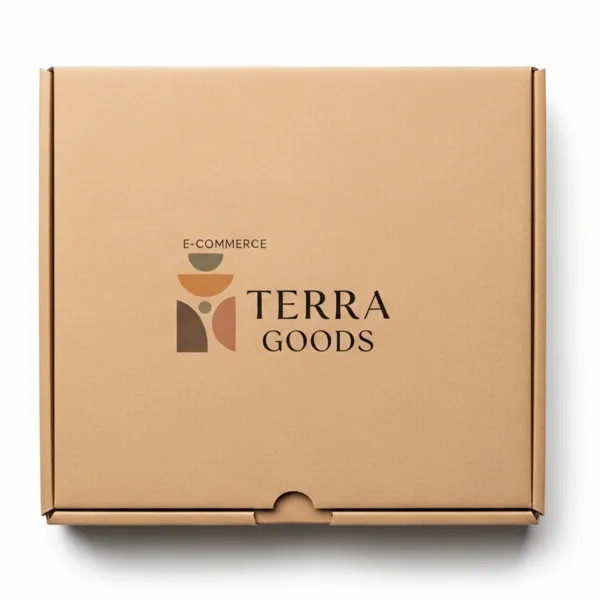
Our corrugated boxes use advanced fluting patterns in the 350gsm to 450gsm range that provide excellent crush resistance while maintaining lightweight profiles ideal for e-commerce shipping.
Specialty coatings represent significant packaging innovation in functionality and sustainability. Water-based barrier coatings provide moisture and grease resistance for food boxes without the environmental concerns of traditional plastic linings.
These coatings maintain recyclability while meeting food safety requirements, addressing both regulatory and consumer expectations for sustainable food packaging.
Structural innovation creates packaging that performs multiple functions. Boxes that convert from shipping containers to retail display units eliminate the need for separate packaging types. Integrated handles, pour spouts, and resealable closures add convenience that enhances user experience.
All innovations maintain our commitment to FSC-certified materials and soy-based inks, proving that advanced functionality and environmental responsibility work together rather than compete.
Digital Integration and Smart Packaging
Digital integration represents transformative packaging innovation connecting physical products to digital experiences. QR codes, NFC tags, and augmented reality triggers embedded in packaging link customers to product information, authentication verification, usage instructions, and brand stories.
This technology turns static packaging into interactive touchpoints that extend engagement beyond the initial purchase.
Variable data printing enables individualized experiences at scale. Each package can include unique codes for loyalty programs, personalized messages, or region-specific information.
Subscription boxes particularly benefit from this packaging innovation, creating surprise and discovery with different designs, messages, or interactive elements in each delivery while maintaining overall brand consistency.
Authentication and anti-counterfeiting technologies protect brands and customers. Serialized codes, holographic elements, and specialty inks that reveal patterns under UV light all help verify product authenticity. These innovations matter particularly for premium products where counterfeiting poses significant brand and safety risks.
Free design support helps integrate these technical elements seamlessly within overall packaging aesthetics.
Size Precision and Customization
Manufacturing precision represents less visible but equally important packaging innovation. Advanced die-cutting and folding technologies produce boxes with tolerances measured in fractions of millimeters, ensuring consistent fit and appearance across production runs.
Common dimensions from compact 3x3x2 inch boxes to substantial 18x14x6 inch formats maintain this precision, with custom sizing available to exact product specifications.
On-demand customization allows brands to produce exactly the quantities needed when needed, reducing inventory costs and waste. Digital printing removes the setup costs that previously made small runs impractical.
You can now order 50 units of cosmetic boxes with full customization at competitive pricing, something impossible just a few years ago.
Modular packaging systems offer flexibility for product lines with varying sizes. Base box structures accommodate different insert configurations, allowing one packaging design to serve multiple products.
This packaging innovation reduces SKU complexity and inventory requirements while maintaining the professional appearance and protection each product needs.
Sustainability Innovations
Environmental innovation drives packaging development across all categories. Compostable coatings and adhesives allow entire packages to break down in industrial composting facilities, addressing end-of-life concerns that recyclability alone doesn't fully solve.
These materials maintain the protection and appearance standards customers expect while offering superior environmental performance.
Renewable energy in manufacturing represents behind-the-scenes packaging innovation that reduces carbon footprints.
Our manufacturing partners increasingly power production with solar and wind energy, lowering the environmental impact of each box produced. This commitment extends beyond materials to encompass the entire production process.
Circular economy principles inform design decisions from project inception. Packaging designed for easy disassembly separates different materials for more efficient recycling. Reduced material usage through optimized structures and lightweight boards minimizes resource consumption. Clear labeling helps consumers understand proper disposal.
Our kraft boxes exemplify this approach, combining recyclable FSC-certified materials with minimal processing for lowest environmental impact.
Implementing Innovative Packaging Solutions
Adopting packaging innovation starts with identifying which innovations align with your brand values and customer needs. Schedule a consultation with our team to discuss your products, target markets, and business objectives.
We'll recommend specific innovations that deliver meaningful value rather than incorporating features simply because they're new.
Prototyping and testing remain essential even with innovative solutions.
Our low 50-unit minimum allows you to produce test batches that validate innovations with real customers before larger commitments. This approach reduces risk and provides valuable feedback for refinement. Free shipping to the US, Canada, UK, and Australia makes test programs economically practical regardless of your location.
Implementation follows our standard two-week production timeline from final proof approval. We maintain communication throughout, providing updates on production status and addressing any questions.
Whether you're incorporating subtle innovations like enhanced materials or bold changes like augmented reality integration, our process ensures smooth execution and results that meet expectations.