
Strategic Retail Box Design That Drives Sales
Retail box design represents one of the most powerful yet underutilized tools in modern merchandising, transforming functional product containers into persuasive sales vehicles that capture attention, communicate value, and influence purchasing decisions at critical moments. Exceptional packaging design stops shoppers mid-browse, answers unasked questions, builds emotional connections, and provides the final push converting consideration into purchase. Whether your products compete in crowded big-box retail environments, specialty boutiques, or online marketplaces where packaging appears in product photography, investing in strategic retail box design delivers measurable returns through increased conversion rates, reduced returns, and enhanced brand equity.
At Teal Packaging, we combine design expertise with manufacturing capabilities to create retail box designs that balance aesthetic appeal, functional performance, and production efficiency. Our free design support helps brands translate marketing objectives into packaging solutions that resonate with target audiences while remaining feasible within budget parameters. Working with experienced manufacturing partners, we deliver custom retail boxes with minimum orders of just 50 units, two-week production timelines, and free shipping throughout the United States, Canada, United Kingdom, and Australia.
Design Principles That Capture Retail Attention
Effective retail box design begins with understanding visual hierarchy and how shoppers process information in retail environments. Primary elements including product names, brand logos, and key benefits should appear prominently, readable from typical shopping distances of 3-6 feet. Secondary information including features, usage instructions, and technical specifications supports purchase decisions without overwhelming primary messaging. Tertiary details like ingredient lists, regulatory compliance, and company information occupy less prominent areas accessed when customers examine products closely.
Color strategy significantly influences emotional response and brand perception. Bold, saturated colors create energy and excitement appealing to younger demographics and impulse purchases. Muted, sophisticated palettes convey premium positioning and refined taste. Natural tones suggest authenticity, sustainability, and organic values. Color choices should align with product category conventions while differentiating your brand from direct competitors. Analyze competitor packaging on retail shelves, identifying opportunities for distinctive color approaches that help products stand out without appearing out of category.
Typography choices communicate brand personality through visual voice. Serif typefaces suggest tradition, reliability, and established authority. Sans-serif fonts convey modernity, clarity, and approachability. Display and script fonts add personality but require careful application to maintain legibility at retail viewing distances. Consistent typography across packaging, marketing materials, and brand touchpoints builds recognition and reinforces professional presentation. Explore how cosmetic packaging design applies these principles to beauty retail.
Material Selection for Design Expression
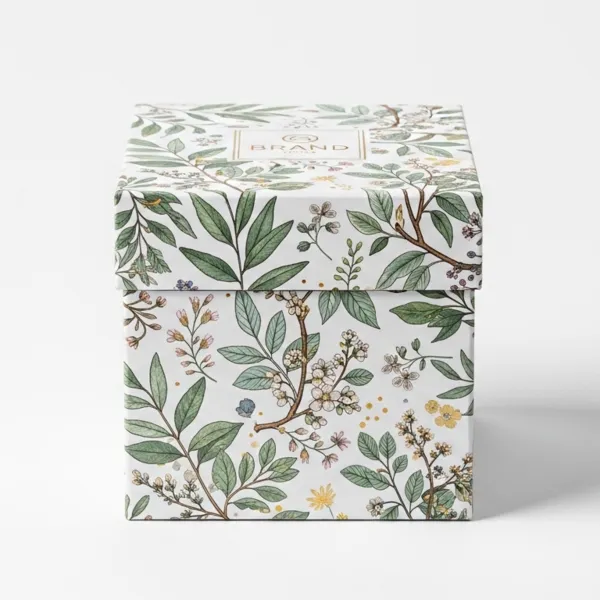
Materials provide the canvas upon which retail box design comes to life, with substrate choices significantly impacting color reproduction, finishing capabilities, and tactile qualities. Coated paperboard in SBS (solid bleached sulfate) offers brilliant white surfaces that maximize color vibrancy and detail clarity. These substrates work exceptionally well for designs featuring photographic imagery, intricate illustrations, or subtle gradients requiring precise reproduction. Available in weights from 300gsm to 600gsm, coated materials balance printability with structural requirements.
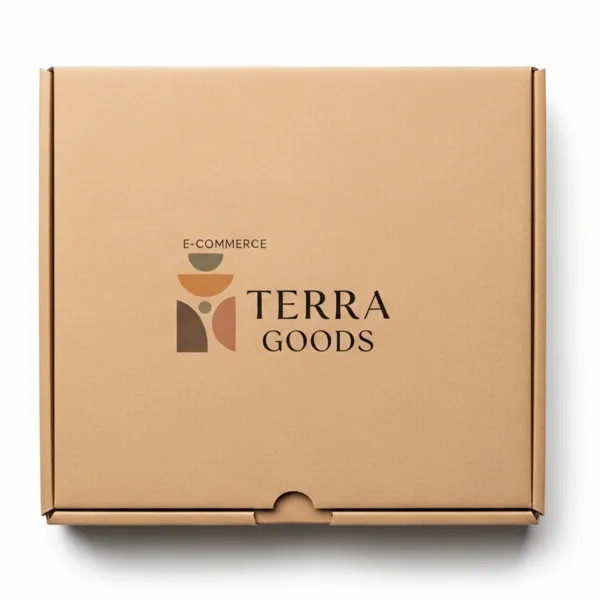
Natural kraft paperboard delivers authentic, organic aesthetics that communicate environmental values and artisanal quality. Modern printing techniques reproduce sharp graphics and vibrant colors on kraft surfaces, though colors appear warmer and slightly muted compared to white substrates. This characteristic works beautifully for brands emphasizing natural ingredients, sustainable practices, or handcrafted positioning. Kraft materials range from 250gsm for lightweight applications to 600gsm for robust retail boxes requiring substantial structural integrity.
Rigid board constructions from 1200gsm to 2000gsm enable premium retail box designs requiring substantial weight and luxury presentation. These materials support sophisticated finishing techniques including deep embossing, intricate die-cutting, and multi-layer constructions. The substantial feel immediately communicates quality and justifies premium pricing for high-end retail products. Consider exploring rigid packaging solutions when design objectives emphasize luxury positioning.
Structural Innovation in Retail Box Design
Beyond graphics and materials, structural design creates functional differentiation and memorable unboxing experiences. Standard folding cartons provide economical, efficient solutions for most retail applications, with countless variations in opening mechanisms, closure styles, and display features. Tuck-top closures, auto-lock bottoms, and crash-lock bases offer different assembly efficiencies and shelf presentations appropriate for various retail contexts.
Die-cut windows preview products while maintaining protective enclosure, building purchase confidence especially important for unfamiliar brands or gift purchases where recipients cannot see products before buying. Window shapes can reinforce brand identity through custom configurations rather than generic rectangles or circles. Consider how window placement affects structural integrity, ensuring adequate material remains for strength and stability.
Display-ready packaging that transitions from shipping container to retail presentation eliminates secondary setup labor and ensures consistent shelf appearance. Perforated tear strips, flip-top lids, and removable panels transform shipping boxes into attractive display units. This dual-purpose approach reduces packaging costs, streamlines retail operations, and maintains brand presentation throughout distribution. Discover how specialized display packaging maximizes retail presence.
Interactive Elements That Engage Shoppers
Interactive design elements create engagement opportunities encouraging shoppers to handle products, increasing consideration time and purchase likelihood. Pull tabs revealing additional product information, rotating panels showing before/after imagery, or sample dispensers allowing product testing transform passive viewing into active exploration. These features work especially effectively for innovative products requiring customer education or categories where trial drives conversion.
QR codes linking to demonstration videos, detailed product information, customer reviews, or augmented reality experiences bridge physical and digital retail. Strategic QR placement ensures codes remain scannable on retail shelves while integrating visually with overall design aesthetics. Consider what digital content best supports purchase decisions for your specific product category.
Finishing Techniques That Add Premium Qualities
Finishing options transform good retail box design into exceptional packaging that commands attention and justifies premium pricing. Spot UV coating creates striking contrast between glossy highlights and matte backgrounds, directing attention to specific design elements like logos, product names, or promotional callouts. This technique adds dimensional interest without significant cost increases, delivering premium appearance accessible across budget ranges.
Metallic foil stamping applies reflective finishes in gold, silver, copper, or holographic patterns to specific areas. Foil catches light dynamically, creating shelf presence that flat printing cannot match. Strategic foil application on logos or accent elements elevates perceived value significantly. Embossing raises specific areas above surrounding surfaces, creating tactile engagement that invites handling. Debossing presses designs into substrate, producing subtle sophistication popular in luxury markets.
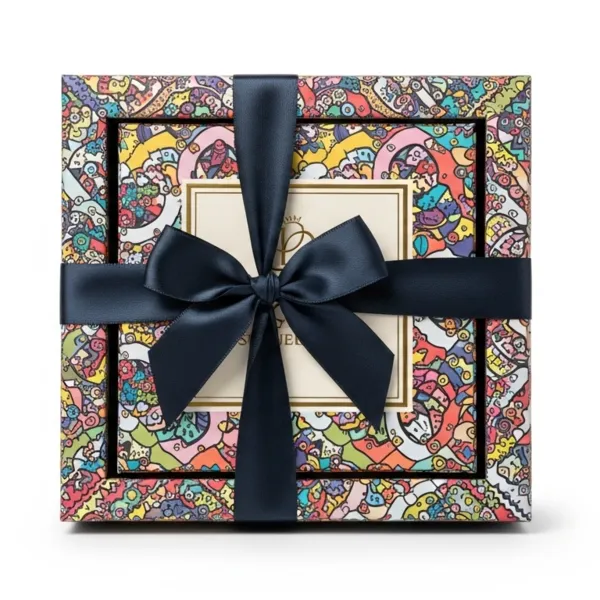
Soft-touch lamination creates velvety surfaces that feel expensive and invite repeated handling. This finishing technique works beautifully for premium products where tactile experience reinforces quality positioning. Matte and gloss lamination protect printed surfaces while establishing emotional tone, with matte suggesting sophistication and gloss conveying energy. Consider how gift packaging utilizes premium finishing for special occasion retail.
Sustainability in Modern Retail Box Design
Contemporary retail box design increasingly incorporates sustainability as essential rather than optional consideration. Consumers actively seek brands demonstrating environmental responsibility, making eco-friendly packaging a competitive advantage. FSC-certified materials provide third-party verification of responsible sourcing, allowing brands to communicate genuine sustainability credentials. Soy-based inks deliver vibrant colors without petroleum derivatives, while water-based coatings eliminate solvent emissions.
Minimalist design approaches reducing material usage, eliminating unnecessary components, and focusing on essential protection represent sophisticated sustainability that resonates with conscious consumers. Right-sizing packaging to product dimensions reduces material waste and shipping costs while demonstrating environmental thoughtfulness. Clearly communicating recyclability through on-package symbols and disposal instructions helps consumers participate in circular economy principles. Explore how kraft packaging communicates sustainability authentically through material choice and design.
Design Process and Collaboration
Successful retail box design emerges through collaborative processes balancing creative vision, technical feasibility, and budget realities. Our design support begins by understanding your brand identity, target audience, competitive context, and specific product requirements. We translate marketing objectives into visual concepts, developing mockups that show exactly how finished packaging will appear with chosen materials, printing techniques, and finishing options.
Iterative refinement allows adjustment before production begins, ensuring final designs meet expectations across aesthetic appeal, functional performance, and production efficiency. We provide technical guidance about design limitations, material capabilities, and cost implications of various options, helping you make informed decisions maximizing value within budget parameters.
Once designs receive approval, production commences with our manufacturing partners, delivering finished retail boxes typically within two weeks. Minimum order quantities of 50 units make professional custom design accessible for product launches, limited editions, and testing new packaging approaches without massive inventory commitments. Free shipping throughout the United States, Canada, United Kingdom, and Australia eliminates logistical complexity. Consider exploring subscription packaging when retail box design extends to recurring customer touchpoints.
Frequently Asked Questions About Retail Box Design
How do I know if my retail box design is effective?
Effective designs demonstrate measurable impact on sales velocity, customer engagement, and brand recognition. A/B testing different designs in similar retail environments provides direct performance comparison. Customer surveys and focus groups reveal how packaging influences purchase decisions and brand perception. Retail partner feedback about shelf performance and sell-through rates indicates real-world effectiveness. Our design team helps establish success criteria and evaluation methodologies appropriate for your specific retail context and business objectives.
Should packaging design match or differentiate from competitors?
Strategic approach balances category recognition with differentiation. Designs should communicate product category clearly enough that shoppers recognize what products are, while standing out sufficiently to capture attention among competitors. Analyze competitive packaging identifying conventions worth respecting versus opportunities for distinctive approaches. Complete differentiation risks confusing shoppers about product category, while excessive similarity makes products invisible on crowded shelves. Our design process includes competitive analysis informing strategic positioning recommendations.
How much should I invest in premium finishing techniques?
Investment in finishing should align with product pricing, target market expectations, and competitive context. Premium products warrant premium packaging that reinforces value positioning and justifies higher prices. Economy products may prioritize cost efficiency over elaborate finishing. Consider finishing as percentage of total product cost rather than absolute dollar amounts. Single impactful finishing technique often delivers better results than multiple subtle enhancements. Our team helps identify finishing options delivering maximum impact within budget constraints.
Can retail box design work for both physical and online retail?
Absolutely. Design that photographs well translates effectively to e-commerce product imagery while performing on physical shelves. Clean layouts, readable typography, and clear product presentation work across retail channels. Consider how packaging appears in typical e-commerce photography, ensuring key information and visual elements remain visible in standard product shots. Some brands optimize specific panels for photography while maintaining comprehensive information on other surfaces. Unified design approach across channels builds consistent brand recognition.
How often should I update retail box design?
Update frequency depends on product category, competitive dynamics, and brand evolution. Fast-moving consumer goods in trendy categories may refresh packaging annually or seasonally. Established products in stable categories might maintain consistent designs for years, updating only when rebranding or significant product changes occur. Frequent changes risk losing hard-won recognition, while stagnant designs appear dated as competitors evolve. Evaluate design effectiveness regularly, updating when measurable performance declines or significant opportunities emerge for improved positioning.