
Strategic Retail Product Packaging for Market Success
Professional retail product packaging serves as the crucial intersection between brand identity, customer experience, and commercial success. In retail environments where purchasing decisions happen in seconds, packaging quality often determines whether products move from shelves to shopping carts. Effective packaging communicates brand values, differentiates products from competitors, protects contents during distribution, and creates memorable experiences that drive repeat purchases and positive word-of-mouth.
The best retail product packaging strategies recognize that boxes, labels, and presentation elements represent far more than functional necessities. They're investments in brand building, customer relationships, and competitive positioning. Whether you're launching a new product category, refreshing an established line, or expanding into retail distribution for the first time, thoughtful packaging choices create foundations for sustainable growth. At Teal Packaging, we specialize in translating brand visions into custom retail product packaging with 2-week turnaround, MOQ of just 50 units, and free shipping to the US, Canada, UK, and Australia. Our manufacturing partners use FSC-certified materials and soy-based inks to create packaging that performs beautifully while respecting environmental responsibilities.
Material Selection for Retail Performance
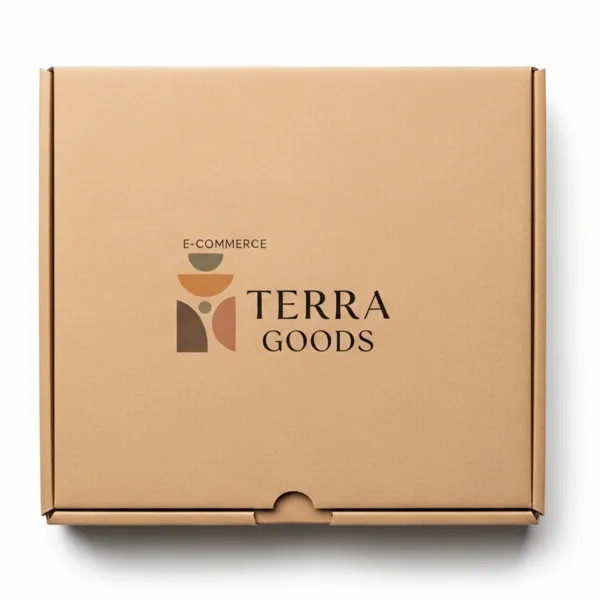
Choosing appropriate materials forms the foundation of effective retail product packaging. Different categories and positioning strategies demand different material approaches. Kraft paperboard ranging from 250gsm to 350gsm delivers natural, eco-friendly aesthetics perfect for organic products, artisanal goods, and brands emphasizing environmental values. The warm brown tones and visible fiber texture communicate authenticity that resonates with consumers seeking genuine, sustainable options.
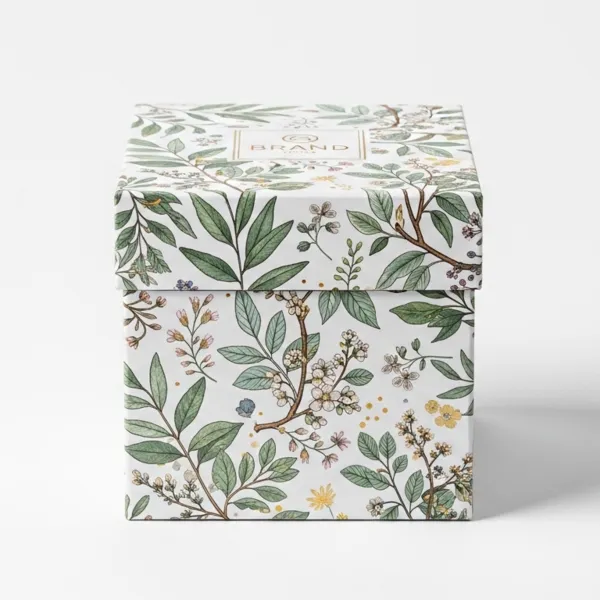
White cardstock in weights from 300gsm to 450gsm provides pristine surfaces for vibrant printing and sophisticated branding. Higher GSM weights feel substantial in hand, conveying quality before customers even see products inside. This material excels for cosmetics, electronics, fashion accessories, and premium consumer goods where packaging quality directly influences perceived product value. The smooth white surface accepts offset printing beautifully, reproducing detailed graphics and photographs with exceptional clarity.
Products requiring maximum protection during distribution benefit from corrugated board with B-flute or E-flute construction. E-flute offers smooth exterior surfaces suitable for quality printing while providing structural strength for heavier items or products traveling through complex distribution networks. This construction protects against impacts, compression, and rough handling that occur in retail supply chains.
Material choices extend beyond paperboard grades. Coatings, laminates, and specialty finishes affect both performance and perception. Matte finishes convey sophistication and work well for premium positioning. Gloss coatings create vibrant, eye-catching presentations ideal for mass retail and impulse categories. Soft-touch coatings deliver luxurious tactile experiences that justify premium pricing. Our manufacturing partners help brands select optimal material combinations that balance functional requirements, aesthetic goals, and budget realities.
Design Principles That Drive Retail Success
Exceptional retail product packaging design balances multiple objectives simultaneously: brand communication, product protection, customer experience, merchandising functionality, and cost efficiency. Visual hierarchy guides customer attention through intentional typography, color usage, and spatial organization. Primary elements like brand logos and product names dominate, supported by secondary information presented in appropriate scale and emphasis.
Color psychology influences emotional responses and purchase behavior. Warm colors like red and orange create energy and urgency, working well for impulse purchases and promotional contexts. Cool blues and greens convey trust, calm, and natural qualities suited to health, wellness, and sustainable products. Unexpected color combinations differentiate brands from category conventions, though departing from established category norms requires careful consideration of customer expectations.
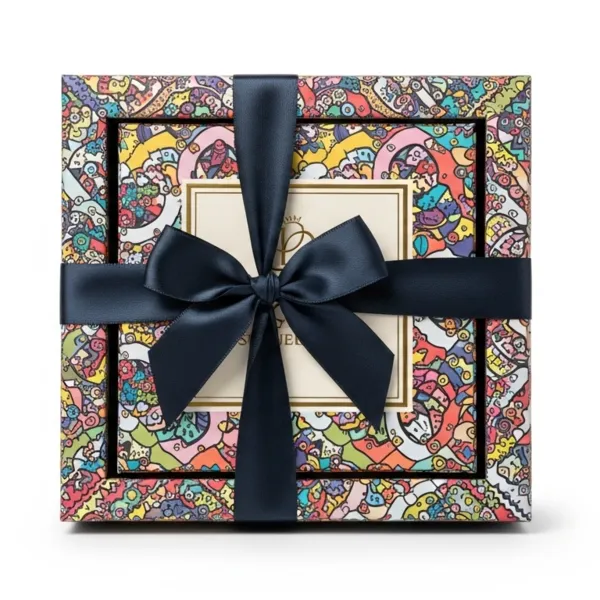
Structural customization transforms standard boxes into distinctive brand expressions. Window cutouts allow product visibility, building trust and setting accurate expectations. Custom die-cutting creates memorable shapes that stand out on crowded shelves. Interior features like custom inserts, dividers, and protective packaging ensure products arrive in perfect condition while creating premium unboxing experiences that customers photograph and share.
Typography choices communicate brand personality through letter forms, weights, and spacing. Modern sans-serif fonts suggest contemporary, minimalist brands. Classic serifs convey tradition, luxury, and established authority. Script fonts add personal, handcrafted qualities. Professional designers select typefaces that align with brand positioning while maintaining legibility across all viewing distances and contexts. Explore specialized solutions like beauty product packaging or food-safe retail boxes optimized for specific categories.
Size Optimization for Efficiency and Impact
Proper sizing represents one of the most impactful yet frequently overlooked aspects of retail product packaging success. Product fit should eliminate wasted space while providing appropriate protective clearance. Oversized packaging wastes materials, increases shipping costs, frustrates customers with excessive void fill, and undermines sustainability messaging. Packaging that's too tight complicates assembly, risks product damage, and creates poor customer experiences.
Standard retail product packaging dimensions include 4x4x4 inches for small items like jewelry, samples, or compact cosmetics; 6x6x3 inches for medium products such as candles, skincare sets, or accessories; 8x8x4 inches for apparel items, gift sets, or multiple-product packages; and 10x10x5 inches for larger retail products or premium presentations requiring substantial presence.
Custom dimensions ensure perfect fit for non-standard products while optimizing material usage and shipping efficiency. Professional suppliers provide engineering support to develop sizes that balance product fit, material efficiency, retail requirements, and distribution logistics. Retail shelving constraints vary by channel and category. Mass merchants prioritize efficient space utilization with standardized planograms. Specialty retailers may accommodate unique sizes that create distinctive shelf presence. Understanding target retail environments during packaging development prevents costly issues later.
Shipping optimization influences size decisions. Standard corrugated cases come in specific dimensions. Retail product packaging sized to pack efficiently into these standard cases reduces void fill requirements and shipping costs. Professional suppliers with broad experience help navigate these technical considerations while maintaining design integrity and brand impact. Complement primary packaging with efficient shipping solutions or retail-ready display formats for comprehensive presentation strategies.
Sustainability as Competitive Advantage
Environmental responsibility has evolved from niche concern to mainstream expectation in retail product packaging. Consumers increasingly make purchase decisions based on sustainability credentials, with many willing to pay premium prices for demonstrably eco-friendly options. Progressive brands recognize sustainability not as cost burden but as competitive advantage and value driver.
FSC-certified materials sourced from responsibly managed forests provide the environmental foundation consumers expect. This certification ensures packaging doesn't contribute to deforestation or habitat destruction while supporting sustainable forestry practices. Brands highlighting FSC certification in packaging design often see measurable sales lifts among environmentally conscious demographics who actively seek products meeting their values.
Soy-based and water-based inks eliminate harmful volatile organic compounds (VOCs) present in traditional petroleum-based alternatives. These eco-friendly options deliver vibrant colors without environmental compromise or health risks to manufacturing workers. Water-based coatings and recyclable adhesives ensure every component of retail product packaging can be processed through standard municipal recycling programs without special handling.
Design for recyclability by avoiding mixed materials that complicate sorting. Use paper-based windows instead of plastic when transparency is needed. Minimize adhesive use and select recyclable types. Include clear recycling symbols and disposal instructions so customers can properly recycle packaging after use. Many forward-thinking brands feature sustainability messaging prominently in packaging design, recognizing environmental responsibility as brand differentiator rather than hidden attribute.
At Teal Packaging, FSC-certified materials and soy-based inks represent standard practice, not premium upgrades. Our manufacturing partners maintain comprehensive environmental commitments because sustainability aligns with our values and customer expectations. Modern sustainable materials perform identically to conventional options while meeting rigorous environmental standards. Consider natural kraft packaging for brands emphasizing eco-friendly positioning through both materials and visual aesthetics.
From Design to Distribution: Production Workflow
Successful retail product packaging projects follow structured workflows that ensure quality outcomes and efficient timelines. The process begins with strategic consultation where brands share product specifications, target markets, brand guidelines, quantity needs, timeline constraints, and budget parameters. Professional suppliers ask detailed questions about goals, competitive context, and success criteria rather than immediately proposing standard solutions.
Following consultation, detailed quotes outline all costs including design services, tooling or setup fees, materials, printing, specialty finishes, and shipping. Transparent pricing prevents surprises and enables accurate budgeting. Once you approve the quote, collaborative design development begins. Professional suppliers provide free design support to create concepts, develop production-ready artwork, and optimize structural engineering for both aesthetics and manufacturability.
Physical sampling represents the critical quality gate before full production. Samples allow evaluation of material quality, color accuracy, structural soundness, and overall presentation in realistic conditions. Testing samples under actual lighting and handling scenarios reveals subtleties that digital mockups miss. Professional suppliers welcome feedback and make revisions until samples perfectly execute your vision.
Production timelines typically range from 2-6 weeks for custom retail product packaging depending on complexity and volume. Standard designs with straightforward printing complete faster, while complex structural features, specialty finishes, or large quantities may extend schedules. Rush services accommodate urgent needs when necessary, though advance planning yields better outcomes and lower costs.
At Teal Packaging, our 2-week standard turnaround accommodates most product launches and seasonal campaigns. With MOQ of just 50 units, brands can test packaging concepts, support regional rollouts, or produce limited seasonal variants without excessive inventory commitments. Free shipping to the US, Canada, UK, and Australia simplifies logistics and reduces total project costs. Our streamlined process and manufacturing partner expertise ensure your retail product packaging transitions smoothly from concept to retail floor.