

Looking for packaging solutions built specifically for the shelf ready industry? Most packaging suppliers offer generic boxes and call it a day. We take a different approach - working with shelf ready businesses to design packaging that solves the specific problems you actually face.
Packaging Challenges in the Shelf Ready Industry
Every industry has its own packaging headaches. For shelf ready businesses, the common ones are:
- Brand consistency across products. When you have multiple SKUs, keeping packaging cohesive while differentiating products is tricky.
- Balancing cost and quality. Packaging is a cost center until it becomes a marketing tool. Finding that sweet spot matters.
- Minimum order quantities. Most suppliers want 1,000+ units per SKU. When you're testing new products or running limited editions, that's too many.
- Speed to market. New product launch with a 6-week packaging lead time? That's a dealbreaker.
- Sustainability expectations. Your customers increasingly expect eco-friendly packaging. And they can tell the difference between genuine and greenwashing.
What We Offer for Shelf Ready Businesses
Teal Packaging provides a complete packaging ecosystem for shelf ready brands:
Primary Packaging
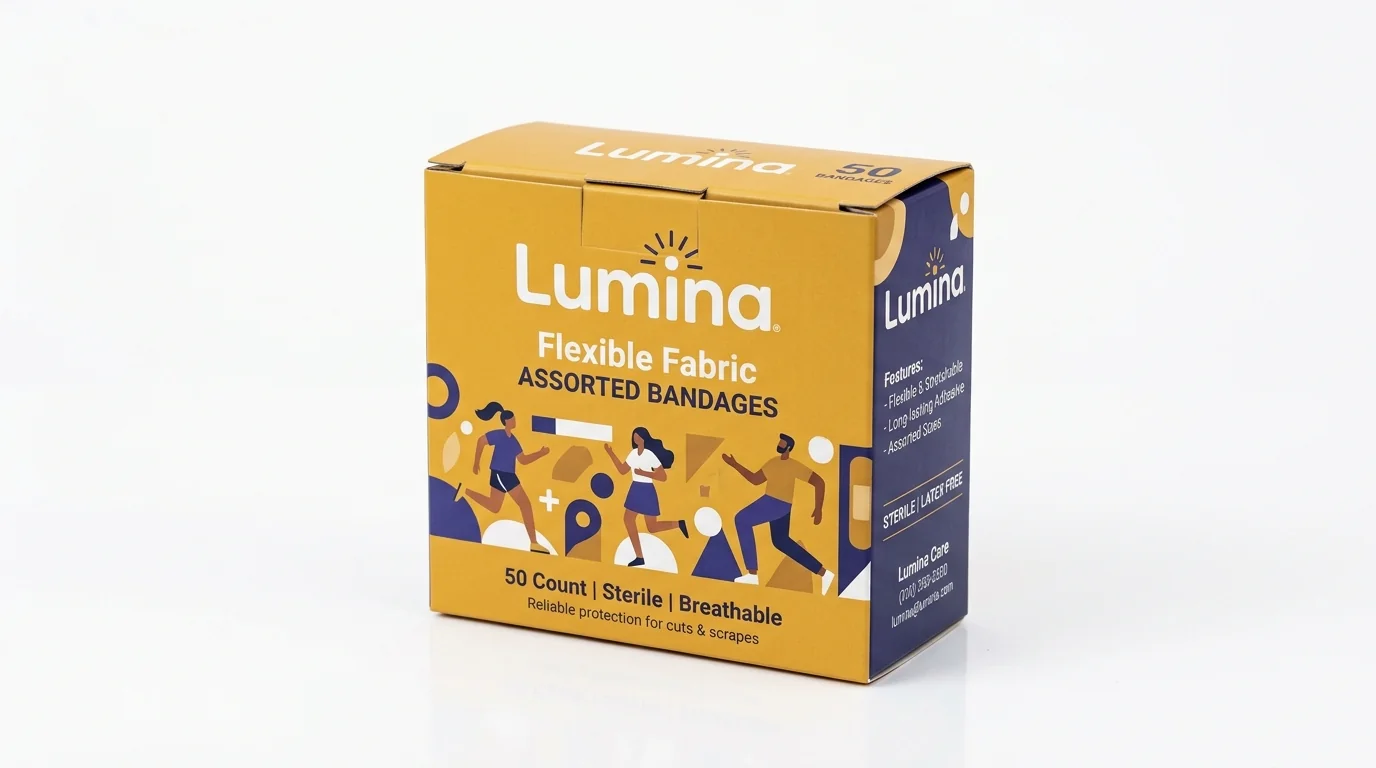
- Custom printed boxes in any size, material, and finish
- Product-specific inserts and dividers
- Window packaging for product visibility
- Food-safe options with barrier coatings (where applicable)
Shipping & Fulfillment
- Branded mailer boxes for e-commerce
- Corrugated shipping boxes with custom print
- Protective packaging (foam inserts, honeycomb padding)
- Poly and paper mailers for lightweight items
Branding & Accessories
- Custom stickers and labels for product branding
- Branded tissue paper and wrapping
- Thank-you cards and package inserts
- Hang tags and branded packing tape
Why Shelf Ready Brands Choose Teal
100-unit minimums. Test new packaging designs without committing to thousands of units. Launch a limited edition? Need packaging for a pop-up event? 100 units is enough.
7-14 day turnaround. From proof approval to your door. Compare that to the 4-8 weeks most suppliers quote.
Free US shipping. No freight charges, no surprise fees. The price we quote includes delivery.
Eco-friendly standard. FSC-cert For related packaging needs, explore our CBD boxes.ified materials and soy-based inks on every order. Not an upgrade - the default.
Design support included. Our team helps with layout, dieline For related packaging needs, explore our < For related packaging needs, explore our cosmetic packaging.a href="/product/candle-boxes/">candle boxes. creation, and proof revisions. Unlimited revisions until you're satisfied.
Materials for Shelf Ready Packaging
The right material depends on your product, brand positioning, and budget:
- Kraft (300-400 GSM) - Natural, eco-friendly look. Lower cost. Great for artisan and organic brands.
- SBS white board (280-400 GSM) - Premium print surface. Best for retail shelf presence.
- Corrugated (E or B flute) - Structural protection for shipping. E-flute for mailers, B-flute for heavier items.
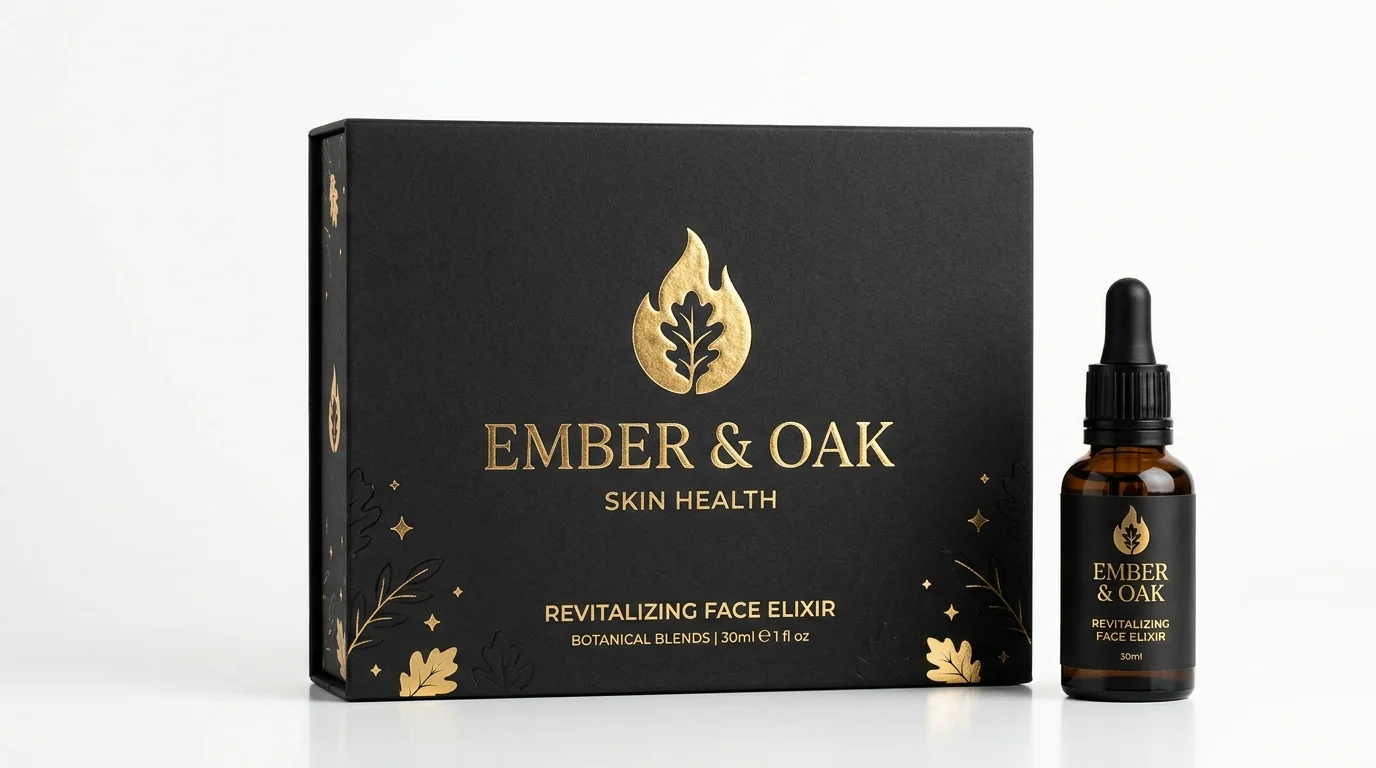
- Rigid board (1000+ GSM) - Luxury unboxing. Magnetic closures, custom inserts.
Pricing
Packaging costs for shelf ready businesses typically range from $0.25-5.00/unit depending on box type, size, material, and finish. Volume discounts kick in at 500 units and get steeper at 1,000 and 5,000. Request a quote with your specific requirements for exact pricing within 24 hours.
Get Started
Tell us about your shelf ready packaging needs. Dimensi For related packaging needs, explore our kraft boxes.ons, quantities, materials, finishes - whatever you know so far. We'll come back with a quote, material recommendations, and a timeline. If you're not sure what you need, that's fine too. We'll ask the right questions and guide you to the best option for your products and budget. For related packaging needs, explore our vape boxes.
Retailer Requirements for Shelf-Ready Packaging
Shelf-ready packaging (SRP) must meet specific retailer specifications that vary by chain and product category. Understanding these requirements before design prevents chargebacks, returns, and delisting that can devastate new CPG brands.
Retailer spec sheets define dimensions, display configurations, and handling requirements for every slot they manage. Major retailers like Walmart, Target, and Kroger publish supplier packaging guidelines that supersede general industry standards.
Common SRP requirements include minimum board strength for pallet stacking, perforation patterns that create clean shelf-ready breaks, and barcode placement that scanning equipment can read without removing products from display.
Efficiency metrics drive retailer decisions about shelf placement. Packaging that reduces shelf stocking time by more than 5 seconds per unit earns preferred positioning.
Display Configuration and Shelf Space Optimization
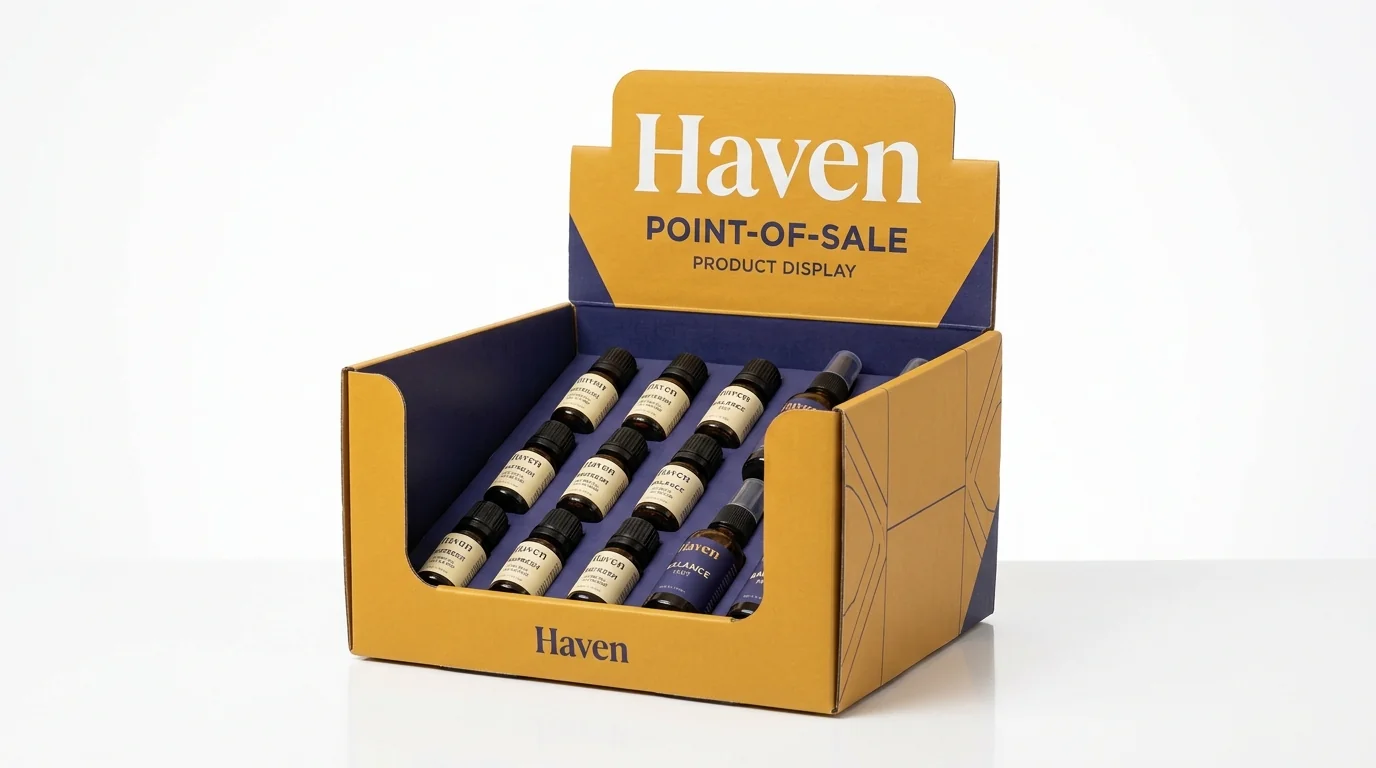
Shelf-ready packaging must function as both shipping container and retail display. This dual purpose requires design thinking that balances protection during transit with accessibility on the shelf.
Display-ready cartons require interior locking mechanisms that maintain structural integrity through the distribution chain while allowing one-motion opening at retail. These mechanisms vary from simple auto-bottom glue joints to complex tab-and-slot designs.
Shelf facing configuration determines how products appear to consumers. PDQ trays organize multiple units into cohesive blocks that improve visual impact and simplify restocking.
Orientation matters. Products should be designed to face correctly without retailer intervention. Gravity-fed displays require consistent product geometry and weight distribution.
Barcode and Label Placement for Retail Scanning
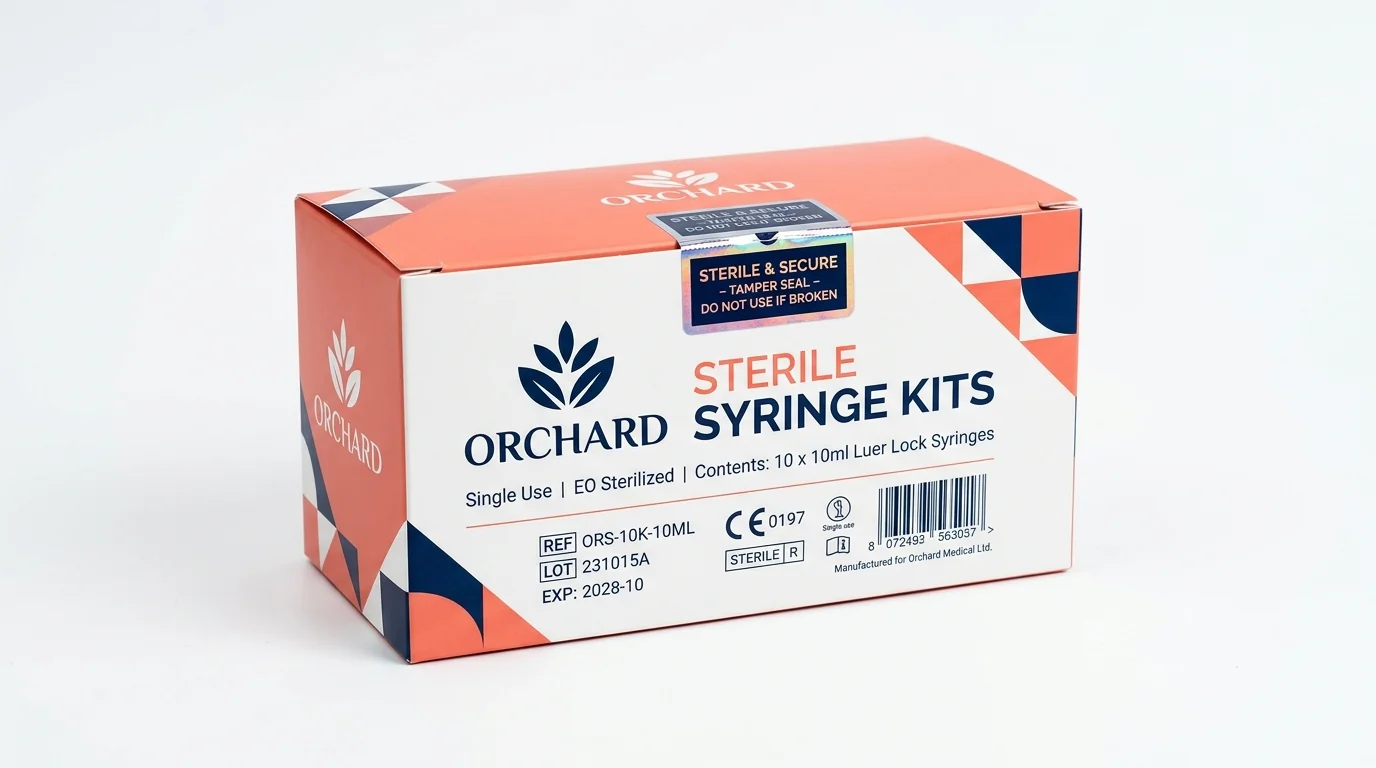
Retail barcodes must meet GS1 standards for scannability at retail speeds and through protective packaging layers. Barcode placement errors cause scanning failures that result in pricing disputes and inventory inaccuracies.
Retailers require UPC/EAN barcodes on every sellable unit. These barcodes must maintain minimum quiet zones and meet specific minimum sizes for reliable scanning.
GS1-128 serial shipping container codes (SSCC) identify cases and pallets throughout the supply chain. These codes must appear in specific locations depending on the retailer.
Scanning validation should happen before production. Use calibrated barcode verification equipment to test scannability through your specific packaging materials.
Frequently Asked Questions
- What retailers require shelf-ready packaging? Most major retailers including Walmart, Target, Costco, and regional grocery chains require shelf-ready packaging from suppliers. Requirements vary by retailer.
- How do I design SRP for products with different count sizes? Design a modular system where the outer display remains consistent while inner tray configurations change. This maintains retail facing consistency.
- What testing validates shelf-ready packaging performance? ISTA testing protocols simulate distribution hazards. Retailer-specific guidelines may require additional handling tests.
- Can I use sustainable materials for shelf-ready packaging? Yes, but sustainable materials must meet the same performance standards. Recycled content, recyclable materials, and compostable options are available.