
Custom Rubber Stamps for Packaging and Branding
Custom rubber stamps provide cost-effective, flexible branding solutions for packaging, labeling, and product marking. Self-inking stamps deliver thousands of impressions without re-inking, making them efficient for high-volume production environments. Available with custom logos, text, dates, or artwork to meet diverse marking needs.
Stamp Types and Mechanisms
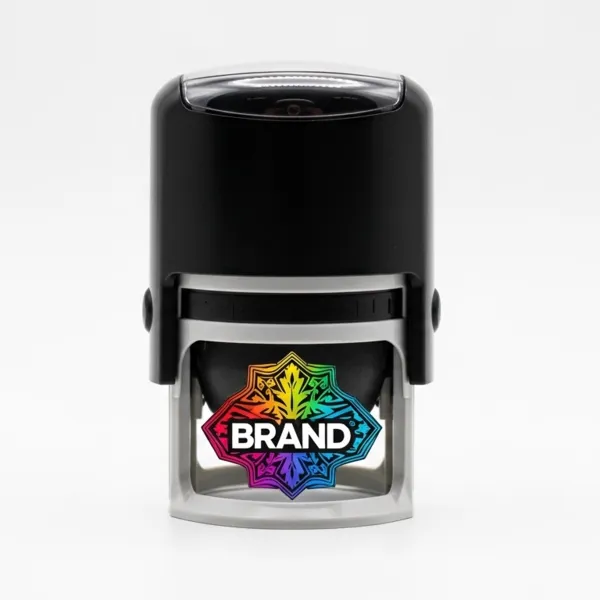
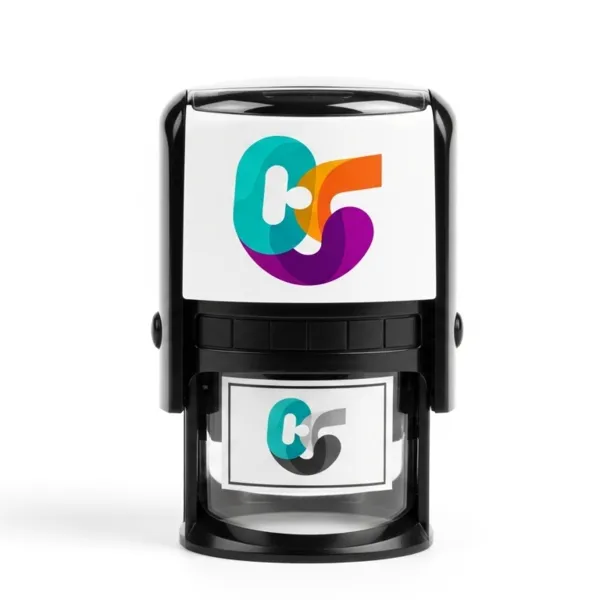
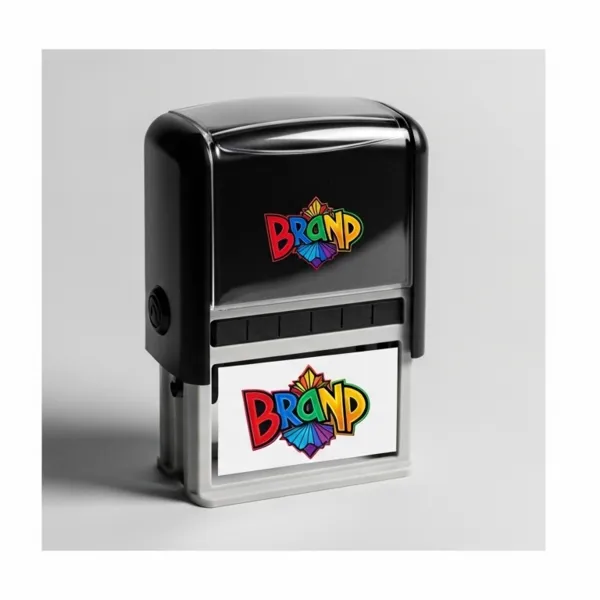
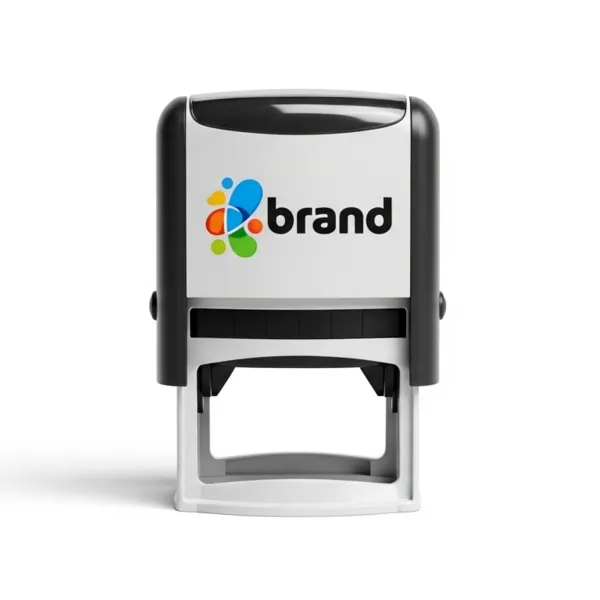
Self-inking stamps feature an internal ink pad that automatically re-inks the stamp surface after each impression. The mechanism rotates the stamp away from the surface, across the ink pad, and back to ready position in one press. These stamps deliver 5,000-10,000 impressions before requiring ink pad replacement or re-inking.
Pre-inked stamps use flash technology to embed ink into porous stamp material. The high-density impressions produce extremely crisp, detailed marks. Pre-inked stamps typically deliver 25,000-50,000 impressions before requiring re-inking. The quality makes them ideal for detailed logos or fine text.
Traditional wood-mounted stamps require separate ink pads for each use. While less convenient than self-inking options, wood stamps offer flexibility to change ink colors frequently and tend to have longer lifespans. Popular for artistic applications or situations requiring multiple ink colors.
Stamp Sizes and Impression Areas
Small stamps (1 x 1 inch to 1.5 x 2 inches) work well for logos, date stamps, or brief text like "Fragile" or "Made with Love." The compact size fits tight spaces on packaging or labels.
Medium stamps (2 x 3 inches to 3 x 4 inches) accommodate company names, addresses, ingredient lists, or washing instructions. This size range handles most packaging marking needs efficiently.
Large stamps (4 x 6 inches or bigger) work for detailed artwork, multi-line text, or marking large surfaces like corrugated boxes. Custom sizes available to match specific application requirements.
Ink Colors and Properties
Standard ink colors include black, red, blue, and green. Black provides maximum contrast on most surfaces. Red signals warnings or important information. Blue works for dates or secondary information. Green often indicates eco-friendly or organic certification.
Specialty inks address specific needs. Permanent ink bonds with non-porous surfaces like plastic or metal. UV-resistant ink prevents fading from sunlight exposure. Food-safe ink meets FDA requirements for direct or indirect food contact applications.
Water-based inks dry quickly and work on porous surfaces like paper, cardboard, and fabric. Oil-based inks penetrate non-porous surfaces more effectively. Alcohol-based inks dry almost instantly on any surface.
Custom Design Options
Logo stamps reproduce company logos, brand marks, or icons accurately. Vector artwork ensures crisp reproduction. Complex logos with fine details work better with pre-inked stamps than self-inking options.
Text stamps can include company names, addresses, taglines, product information, or regulatory text. Font selection impacts readability. Sans-serif fonts generally reproduce more clearly than decorative scripts. Minimum recommended font size is 6 points for legibility.
Date stamps feature rotating bands that allow manual date changes. Useful for expiration dates, production dates, or shipment tracking. Formats include MM/DD/YYYY, DD/MM/YYYY, or custom configurations.
Combination stamps integrate logos, text, and variable elements like dates or numbers. These multi-function stamps reduce the number of marking tools required in production environments.
Pricing Structure
- 100 units: $12.50-$28.00 per stamp depending on size and type
- 500 units: $8.50-$19.00 per stamp
- 1,000 units: $6.50-$14.50 per stamp
Minimum order quantity is 100 units for custom stamps. Standard production time is 15-20 business days after artwork approval. Pricing includes one ink color. Additional colors or specialty inks quoted separately. Replacement ink pads typically cost $3-$8 depending on stamp size.
Applications in Packaging and Production
Product labeling uses stamps to mark packaging with production dates, batch numbers, or lot codes. The flexibility allows changing information without ordering new printed packaging. Stamps work on cartons, bags, labels, and direct product marking.
Branding applications include stamping logos on kraft paper, tissue paper, bags, or box interiors. The handcrafted appearance appeals to artisan brands and creates authentic, small-batch aesthetics even for larger production runs.
Quality control marking uses stamps for inspection codes, approval marks, or rejection indicators. Color-coded stamps help staff quickly identify products that have passed specific quality checkpoints.
Shipping and logistics applications include stamping handling instructions ("Fragile," "This Side Up"), destination codes, or tracking information on packages and shipping documents.
Design Recommendations
Maximize contrast between ink color and stamping surface. Black ink on white or kraft surfaces provides best readability. Light-colored inks on dark surfaces perform poorly. Test samples on actual packaging materials before ordering.
Simplify designs for best reproduction. Fine lines, small text, or intricate details may blur or fill in during stamping, especially with self-inking stamps. Allow adequate spacing between design elements.
Account for surface texture. Smooth surfaces like coated paper accept detailed impressions cleanly. Textured surfaces like kraft paper or fabric may require simplified designs and heavier line weights.
Size text appropriately for viewing distance. Text stamps used on individual products need larger fonts than stamps for shipping boxes viewed from several feet away.
Maintenance and Care
Store stamps in cool, dry conditions with caps or covers to prevent ink drying. Avoid exposure to direct sunlight or extreme temperatures that can degrade ink or stamp materials.
Clean stamp surfaces periodically to remove debris or dried ink that affects impression quality. Use soft brushes and mild solvents appropriate for the stamp material and ink type.
Replace ink pads or re-ink stamps when impressions become light or inconsistent. Ignoring fading impressions leads to illegible marks that compromise branding or regulatory compliance.
Test stamps regularly to ensure quality control. Faded or damaged stamps should be replaced promptly to maintain professional appearance and clear communication.
Regulatory and Compliance Uses
Food packaging uses stamps for allergen warnings, ingredient callouts, or certification marks. Verify inks meet FDA food-safe requirements for direct or indirect food contact.
Cosmetics and personal care products stamp batch codes, manufacturing dates, or PAO (Period After Opening) symbols. Regulatory authorities may require specific information placement or legibility standards.
Shipping and hazmat applications stamp required warnings, handling instructions, or classification codes on packages. Stamp clarity directly impacts safety and compliance.
Sustainability Considerations
Stamps reduce waste compared to printed labels by eliminating label backing and adhesive. The reusable nature means one stamp replaces thousands of single-use printed materials.
Water-based inks offer eco-friendly alternatives to solvent-based options. Look for stamps made from recycled materials or sustainable sources when environmental impact is a concern.
Stamp longevity means less frequent replacement and reduced material consumption over time. Quality stamps last years with proper care, making them economically and environmentally efficient.
Ordering Custom Stamps
Request a quote through our online form, specifying stamp type, size, quantity, and design requirements. Include intended use (surface types, volume, environment) to inform stamp type and ink recommendations.
Submit artwork in vector format (AI, EPS, or PDF) with text converted to outlines. Provide Pantone color references for ink color matching. We provide digital proofs showing stamp impression before production.
Physical samples available for $15-$30 per design, shipped within 5-7 business days. Test samples on actual packaging materials to verify impression quality and design effectiveness. Sample costs credited toward production orders of 500+ units. Pair stamps with replacement ink pads, custom labels, and kraft packaging paper for complete packaging solutions.