

Premium Stand Up Pouch Packaging Solutions
The evolution of stand up pouch packaging has revolutionized how brands package everything from snack foods to pet treats, coffee to supplements, and cosmetics to household products. These self-supporting flexible packages combine exceptional shelf presence with material efficiency and sustainability advantages that resonate with modern consumers. Stand up pouches deliver the visual impact of rigid containers while using significantly less material, reducing transportation costs, and minimizing environmental footprint across the product lifecycle.
Stand up pouch packaging offers distinct competitive advantages in crowded retail environments. The vertical orientation maximizes billboard space for brand messaging and product photography compared to pillow pouches or flow wraps. Reinforced bottom gussets create stable shelf presence without requiring additional support structures. Resealable closures like zippers or press-to-close seals extend product freshness while improving consumer convenience. The flexible format adapts to varying fill levels, accommodating portion control servings through bulk family sizes within the same basic structure.
At Teal Packaging, we provide complementary secondary packaging that transforms stand up pouches into premium retail-ready products.
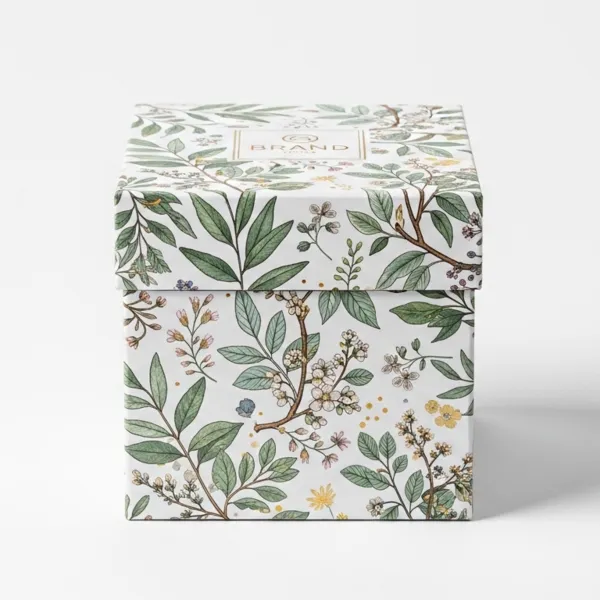
Our custom boxes accommodate the unique dimensional requirements of stand up formats while creating additional branding opportunities and product protection during distribution. With minimum orders of 50 units and 2-week production timelines, we support brands adopting flexible packaging from initial market testing through full retail distribution. Free design support helps you develop packaging concepts that showcase your products effectively. Free shipping to the US, Canada, UK, and Australia simplifies logistics for brands expanding into multiple markets.
Materials Engineered for Stand Up Pouch Protection
Secondary packaging for stand up pouches must provide structural support without adding unnecessary bulk that would negate the format's efficiency advantages. SBS paperboard in weights from 280gsm to 350gsm delivers adequate rigidity to protect pouches during shipping while maintaining reasonable material costs. This bright white substrate provides excellent printability for photographic imagery and detailed graphics that complement pouch design and communicate brand identity.
Kraft paperboard ranging from 250gsm to 320gsm creates natural aesthetics aligned with organic and sustainable product positioning common among flexible packaging adopters. The earth-toned appearance reinforces environmental benefits stand up pouches already deliver through reduced material usage and transportation efficiency. Many food and beverage brands pair kraft secondary packaging with stand up pouches to create cohesive sustainable positioning that differentiates products from conventional rigid containers.
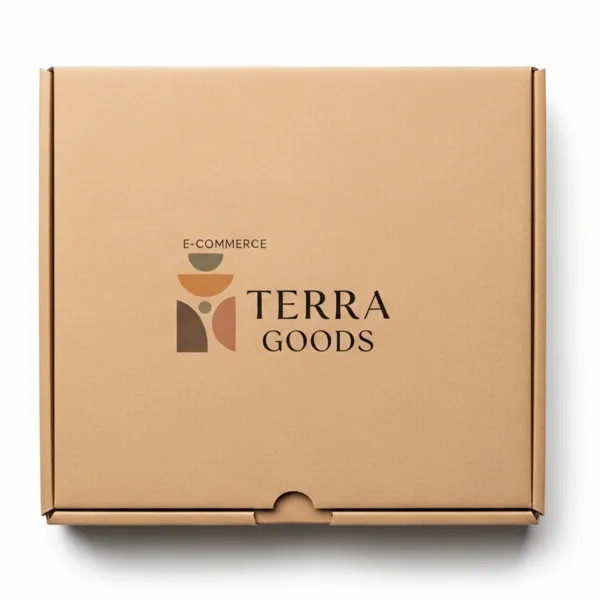
For multi-pack configurations or e-commerce shipping, corrugated materials from 150gsm to 200gsm E-flute provide cushioning that prevents pouch punctures during handling. These fluted structures absorb impact while adding minimal weight compared to rigid container protection requirements. Corrugated options work particularly well for subscription boxes or direct-to-consumer brands shipping multiple pouches where product protection justifies slightly higher material costs.
All substrates carry FSC certification guaranteeing responsible forest management throughout the supply chain. This third-party verification provides credibility for sustainability claims increasingly important to consumers choosing flexible packaging partly based on environmental considerations. Soy-based inks derived from renewable plant resources replace petroleum alternatives while delivering vibrant colors essential for shelf impact in competitive retail categories.
Finishing options enhance perceived value and create tactile differentiation. Matte lamination produces sophisticated appearance suitable for premium positioning in specialty retail channels. Gloss lamination delivers maximum color vibrancy that attracts attention in mass market environments. Soft-touch coating creates luxurious sensation that elevates consumer perception beyond basic flexible format expectations. Strategic window cutouts showcase pouch design and product visibility, particularly effective for products where visual appeal influences purchase decisions.
Our approach extends to food boxes and snack packaging, ensuring consistent quality across stand up pouch applications.
Customization Strategies for Flexible Format Success
Stand up pouch packaging competes against established rigid formats, making strategic secondary packaging essential for market acceptance and brand differentiation. Custom boxes create additional brand touchpoints while addressing consumer concerns about product protection and premiumness sometimes associated with flexible formats. Structural customization begins with sizing optimized to pouch dimensions including bottom gusset expansion and top seal configuration.
Display-ready designs facilitate retail placement without requiring additional fixtures or labor-intensive merchandising. Perforated tear-away panels transform shipping cases into shelf-ready displays, reducing retailer resistance to new formats. Hanging tabs accommodate peg displays common in convenience stores and impulse purchase locations. Window configurations allow visual product inspection while maintaining structural integrity and brand communication space. These display-optimized designs address retailer concerns while maximizing product visibility to consumers.
Printing capabilities deliver multiple message layers from brand identity through product benefits to sustainability credentials. Full CMYK color reproduces photographic imagery showing product usage occasions and serving suggestions. Transparent communication about stand up pouch advantages addresses potential consumer hesitation about unfamiliar formats, explaining resealability features, freshness preservation, and environmental benefits compared to rigid alternatives. Nutritional information, ingredient transparency, and regulatory compliance integrate seamlessly into cohesive designs rather than appearing as afterthoughts.
Interior printing extends brand storytelling inside packages with serving suggestions, recipe ideas, brand heritage narratives, or sustainability commitments that deepen customer relationships beyond transactional purchases. QR codes link to digital content including preparation videos, user communities, or subscription programs that drive repeat purchases. Custom inserts provide product education, usage instructions, or promotional offers that encourage trial and adoption.
Finishing techniques add premium details justifying price positioning competitive with or above traditional packaging formats. Foil stamping in gold, silver, or copper creates eye-catching brand elements suitable for gift products or premium market segments. Embossing adds tactile dimension to logos and key messaging, differentiating products through touch as well as visual appeal. Spot UV coating highlights product names or benefit statements, creating contrast that draws attention to important information in crowded retail environments.
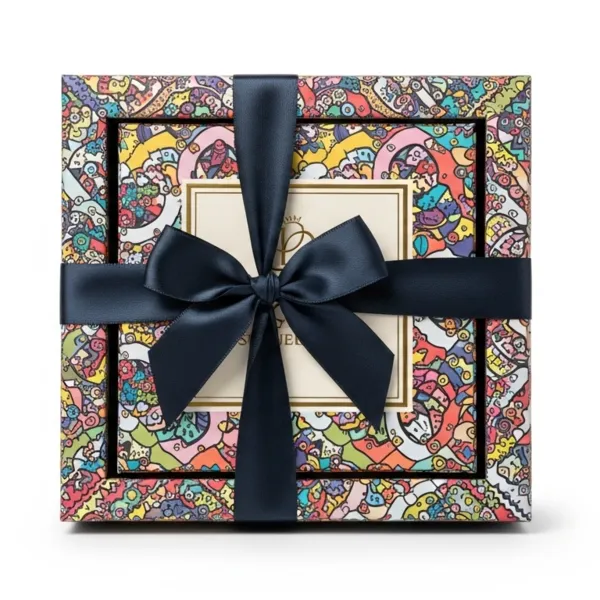
We offer similar customization for retail boxes, gift boxes, and display boxes, maintaining brand consistency across packaging formats.
Size Optimization for Various Pouch Capacities
Proper sizing ensures pouches fit securely while creating efficient shelf presentation and cost-effective distribution.
Our manufacturing partners produce boxes in custom dimensions based on specific pouch measurements and capacity requirements. Common stand up pouch packaging sizes include:
- Small snack pouches: 4 x 2.5 x 6 inches for 2-4 oz products
- Standard food pouches: 5 x 3 x 8 inches for 8-12 oz capacity
- Large family pouches: 6 x 4 x 10 inches for 16-24 oz products
- Coffee and tea pouches: 4.5 x 3 x 9 inches for 12-16 oz capacity
- Supplement pouches: 4 x 2.5 x 7 inches for powder products
- Pet treat pouches: 5.5 x 3.5 x 9 inches for 12-16 oz capacity
- Multi-pack configurations: 10 x 8 x 8 inches for 4-6 pouch bundles
Sizing must accommodate filled pouch dimensions including bottom gusset expansion which significantly increases width compared to flat specifications. Top seal configurations and any resealable closure hardware add height beyond product fill levels. Work closely with pouch manufacturers to obtain exact filled dimensions ensuring secondary packaging provides proper fit without excess material waste.
For brands distributing through multiple retail channels, coordinated sizing optimizes inventory management and display flexibility. Boxes should accommodate standard shelf depths in grocery, convenience, and specialty retail while fitting efficiently into shipper configurations for warehouse clubs and online fulfillment. Modular dimensions facilitate case packing that maximizes pallet efficiency during distribution, reducing per-unit transportation costs and environmental impact.
Display considerations influence sizing decisions based on primary retail channels. Products targeting impulse purchase locations benefit from compact dimensions suitable for peg displays and checkout areas. Premium products in specialty retail require larger billboard space communicating quality positioning and detailed product information. Mass market products need efficient dimensions maximizing facings per linear shelf foot.
Our team evaluates your specific channel strategy and optimizes dimensions accordingly. We also produce mailer boxes designed specifically for shipping stand up pouches through e-commerce channels without additional protective materials.
Sustainability Credentials Supporting Flexible Format Benefits
Brands adopting stand up pouch packaging typically emphasize sustainability as key market differentiator and consumer benefit. Secondary packaging should reinforce rather than contradict these environmental commitments through responsible sourcing, efficient manufacturing, and end-of-life disposal options. FSC certification guarantees paperboard originates from responsibly managed forests where harvesting practices protect ecosystems and support biodiversity rather than contributing to deforestation.
Soy-based inks replace petroleum-derived alternatives with renewable plant resources while maintaining color vibrancy essential for competitive shelf presence. These inks break down more readily during recycling processes, supporting circular economy principles where materials cycle back into production rather than becoming landfill waste. All paperboard materials are fully recyclable through standard curbside programs, making proper disposal convenient for consumers already choosing pouches partly based on environmental considerations.
Lightweight secondary packaging minimizes transportation emissions when combined with stand up pouch weight advantages over rigid containers. Total package systems including pouches and boxes typically weigh 50-70% less than equivalent rigid bottle or jar configurations, reducing freight costs and carbon emissions across distribution networks. This measurable benefit supports marketing claims while delivering cost savings that improve profit margins or enable competitive pricing strategies.
For brands targeting environmentally conscious consumers, commercially compostable materials break down in industrial composting facilities within 90-180 days. These options appeal to zero-waste demographics seeking products aligned with sustainable lifestyles and circular economy principles. Minimalist packaging designs using simple printing on kraft substrates reduce manufacturing complexity and ink usage while creating distinctive shelf presence that differentiates sustainable products from conventional alternatives.
Transparent sustainability communication amplifies stand up pouch environmental advantages. Boxes can include material usage comparisons against rigid containers, carbon footprint data, recyclability instructions with clear symbols, or certification logos demonstrating verified environmental commitments. This education helps consumers feel confident their purchases align with personal values, building loyalty extending beyond individual transactions. We maintain identical sustainability standards across kraft boxes, corrugated boxes, and all packaging formats, supporting consistent environmental messaging throughout brand portfolios.
Developing Effective Stand Up Pouch Packaging Programs
Successfully launching stand up pouch products requires coordination between pouch manufacturers, filling operations, and secondary packaging suppliers to ensure all components integrate seamlessly. Begin by selecting pouch specifications including capacity, material structure, closure type, and barrier properties based on product requirements and shelf life targets. Consider how pouch design integrates with secondary packaging to create cohesive brand presentation and retail positioning.
Engage secondary packaging suppliers early in development sharing detailed pouch specifications including filled dimensions, gusset expansion, closure hardware, and any special features requiring accommodation. Discuss retail channel requirements, primary display methods, and shipping approaches that influence box design and construction. This coordination prevents costly redesigns after initial production when changes become expensive and time-consuming.
Request comprehensive quotes covering box specifications, pricing at quantity levels aligned with launch plans and growth projections, realistic production timelines accounting for potential delays, and total delivered costs including shipping. Compare complete packaging system costs including pouches, filling, and secondary boxes against current rigid container formats to validate economic assumptions and pricing strategies.
Design development should communicate stand up pouch benefits while maintaining brand consistency across product lines. For brands transitioning existing products from rigid containers, packaging design must signal format change while reassuring customers about product consistency and quality. Digital mockups visualize retail presentation, but physical samples with actual filled pouches are essential for evaluating structural stability, visual impact, and complete package performance.
Production timelines typically require 2 weeks for secondary packaging from final approval to delivery, though coordination with pouch manufacturing and filling operations extends total project timelines. Build appropriate buffer into schedules accounting for potential delays across multiple vendors and unforeseen technical challenges. Plan inventory carefully balancing pouch lead times with box availability to prevent production delays or excess inventory carrying costs.
For ongoing products, establish reorder processes with approved specifications stored ensuring consistency across production runs as stand up pouch adoption grows. Quality control protocols should verify dimensional accuracy, color consistency, and structural performance across multiple production batches.
Our 50-unit minimum accommodates initial market testing while scalable production handles volume growth. Free design support makes professional packaging accessible regardless of in-house capabilities. Free shipping to major markets simplifies multi-region distribution supporting rapid market expansion for successful products.