

Subscription Box Packaging Guide
Subscription boxes are a $32 billion market, and the packaging is a core part of the product experience. Your box arrives every month. It needs to build anticipation, protect diverse product assortments, and keep costs predictable at scale. This guide covers mailer options, inserts, branding elements, and cost optimization strategies for recurring subscription shipments.
Choosing Your Subscription Box Format
Corrugated Mailer Boxes
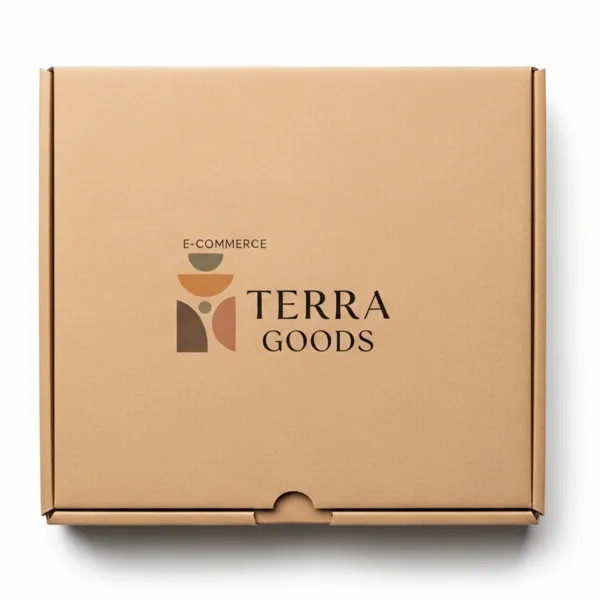
The workhorse of subscription packaging. Corrugated mailers (typically E-flute or B-flute) offer excellent protection, print well on the exterior, and can be produced in custom sizes to minimize dimensional weight charges. Most subscription brands start here.
- Roll-end tuck-top (RETT): Opens from the top, tucks closed. The most common subscription box format. Easy to pack on a fulfillment line.
- Full-overlap mailers: Lid overlaps the base for extra security. Better for heavier assortments.
- Die-cut mailers: Custom shapes and window cutouts for a distinctive look on the doorstep.
Rigid Gift Boxes
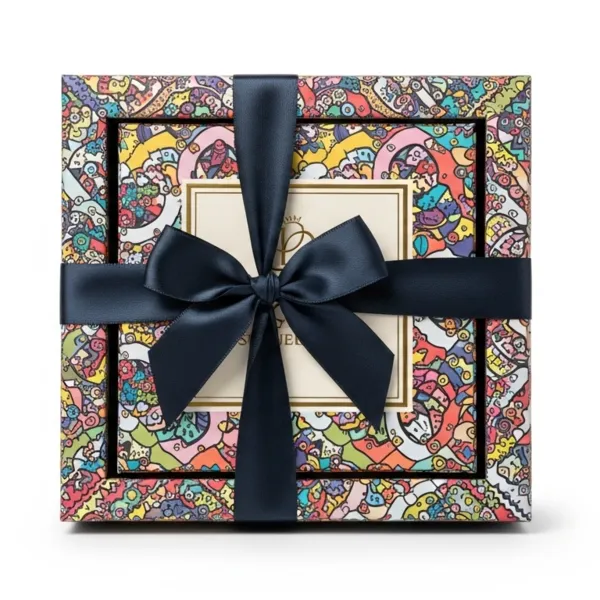
For premium subscription tiers ($50+ per month), rigid boxes create a gift-like experience. Two-piece telescope boxes or magnetic closure boxes elevate the perceived value. Higher cost per unit but significantly higher retention rates in premium segments.
Poly Mailers and Kraft Envelopes
For subscription services shipping soft goods (apparel, accessories, stickers), poly mailers or padded kraft envelopes reduce shipping costs and material waste. Custom-printed poly mailers start around $0.15-$0.40 per unit.
Branded Elements That Drive Retention
Exterior Printing
Your box is a billboard on every doorstep and in every mailroom. Full-color exterior printing with your logo, brand colors, and a compelling tagline turns every delivery into free advertising. Consider seasonal or themed exterior designs to build anticipation for each monthly shipment.
Interior Printing
The inside lid is prime real estate for a welcome message, product guide, or social media call-to-action. Interior printing costs approximately 15-25% more than exterior-only printing but doubles the branded touchpoints per box.
Custom Tissue Paper
Branded tissue paper wrapping the products adds a layer of discovery and protects items from rubbing against each other. Printed tissue paper costs $0.05-$0.15 per sheet depending on quantity and color count.
Insert Cards
A printed card explaining the curation, introducing featured products, or offering a referral discount is the single highest-ROI insert. One card, double-sided, full color, costs under $0.10 per unit at scale.
Custom Tape and Stickers
Branded packing tape seals the box with your identity. Custom stickers on tissue paper or product bags add polish. Both are low-cost, high-impact branding elements.
Cost Optimization for Recurring Orders
Subscription packaging is unique because you order the same box repeatedly. This creates opportunities to reduce cost per unit over time:
- Annual volume commitments: Committing to 12 months of orders at a set quantity locks in lower per-unit pricing.
- Standardize box size: Use one box size for all monthly variations. Adjust void fill instead of ordering different boxes each month.
- Minimize custom inserts: Use a universal insert tray with adjustable dividers rather than product-specific inserts each month.
- Right-size aggressively: Every cubic inch of empty space costs money in dimensional weight. Measure your largest typical assortment and size the box to that, with minimal clearance.
Teal Packaging offers subscription box packaging with no minimum order quantity. Start with a small batch to test your format, then scale up with volume pricing as your subscriber count grows. Free shipping on every order, 7-day turnaround, FSC-certified materials standard.
Designing Subscription Box Inserts That Protect and Impress
Subscription box inserts serve two purposes: protecting products during shipping and enhancing the unboxing experience. Getting this balance right determines whether your subscribers eagerly share their unboxing moments or quietly cancel their subscriptions. The insert is where your brand promise meets physical reality.
Foam inserts provide the highest protection but require custom die-cutting for each product configuration. If you ship the same assortment every month, investing in precision-cut foam pays for itself through reduced damage claims and customer complaints. EVA foam offers a smooth surface that photographs well for unboxing content, while polyurethane foam provides more cushioning for fragile items.
Cardboard dividers offer an eco-friendly alternative that aligns with many subscription brand values. Corrugated partitions separate products without the petroleum-based materials of foam. The trade-off is slightly less protection for delicate items and a less dramatic visual presentation when the box opens. For subscription services focused on sustainability messaging, cardboard dividers reinforce brand values throughout the experience.
Platform bumps and spring mechanisms create dramatic reveal moments. A product that rises when the box opens transforms passive reception into active engagement. These mechanical elements add cost and complexity but generate the kind of shareable moments that drive organic subscriber acquisition. Test these mechanisms extensively; mechanical failures during unboxing generate negative reactions that social media amplifies.
Consider adjustable insert systems that accommodate multiple product configurations within one box style. Fixed foam inserts designed for one specific assortment cannot adapt when your curation changes. Modular divider systems with adjustable compartments let you ship varying product combinations without maintaining inventory of multiple box styles. This flexibility matters particularly for beauty and food subscription services where seasonal products change regularly.
Managing Subscription Box Costs at Scale
As your subscriber count grows, packaging costs become a larger line item on your income statement. Optimizing this expense without compromising the unboxing experience requires systematic attention to every cost driver. Small improvements compound significantly when multiplied by thousands of monthly shipments.
Right-sizing your box eliminates dimensional weight charges that eat into margins. Carriers charge based on whichever is greater: actual weight or dimensional weight (calculated from package dimensions). A box with significant empty space costs you twice: material for the unused volume and carrier charges for the dimensional weight that space creates. Measure your largest typical shipment and size your box to that dimension with minimal clearance.
Void fill optimization reduces material costs without sacrificing protection. If you are using excessive tissue paper or bubble wrap to prevent movement, consider whether a better-sized box or smarter insert design could eliminate the need. One well-designed insert replaces dozens of filler pieces while providing better protection and cleaner presentation. Our tissue paper options include lightweight sustainable materials that minimize void fill requirements.
Annual pricing agreements lock in per-unit costs and guarantee capacity for your subscription business. Suppliers favor reliable recurring customers and reward commitment with pricing that reflects your loyalty. Negotiate minimum monthly volume commitments in exchange for fixed pricing across your agreement period. This predictability helps with financial planning and ensures you never face capacity constraints during peak seasons.
Consider poly bagging individual items within the outer box. When subscribers receive multiple products loose in a single box, items can shift, scuff, or become tangled. Poly bags protect individual items during shipping and handling while allowing you to use a single outer box size for varying assortments. Custom-printed poly bags add minimal cost while reinforcing brand presence even inside the package.
Building Subscription Box Brand Recognition Through Packaging
Your subscription box arrives at your customer's doorstep competing for attention among bills, marketing mail, and packages from other retailers. The exterior packaging must grab attention and communicate your brand identity at a glance. This visual competition makes exterior design one of your most important marketing investments.
Consistent brand colors and typography across every shipment build recognition over time. Subscribers who see your distinctive teal box in their mailroom should recognize it immediately without reading the shipping label. This instant recognition transforms routine delivery into brand reinforcement. Consider how your packaging photographs in natural lighting and social media contexts; many subscription businesses rely heavily on unboxing content for customer acquisition.
Seasonal and themed exterior designs create collection excitement that drives subscription retention. A holiday-themed box generates social sharing and gift-giving behavior that increases average order value. Seasonal designs do not require entirely new boxes; Teal Packaging offers collar wraps and sleeve options that transform your standard box into seasonal presentations without requiring separate production runs for each theme.
Interior brand moments extend the experience beyond the initial opening. Printed tissue paper, branded cards, and custom stickers transform unpacking into a ritual. Each branded touchpoint reinforces your identity and creates perceived value that justifies ongoing subscription pricing. Budget for these elements as marketing investments rather than packaging costs; the retention value of a premium unboxing experience exceeds its direct cost.
Frequently Asked Questions
What is the minimum order quantity for subscription box packaging?
Teal Packaging requires no minimum order quantity for subscription box packaging. You can order exactly the number of boxes you need for your current subscriber count without overcommitting to inventory you cannot use. This flexibility is particularly valuable for subscription businesses with growing or variable subscriber counts, where accurate demand forecasting remains challenging.
Can I get different box sizes to accommodate different subscription tiers?
Yes. Teal Packaging produces subscription boxes in any custom size, allowing you to offer multiple tier options without compromising on presentation quality. Premium tiers might feature rigid boxes while standard tiers use corrugated mailers, all with consistent brand styling. Custom sizing ensures each tier's box fits its contents appropriately, eliminating the dimensional weight costs of oversized boxes and the damage risks of undersized ones.
How do I handle subscription cancellations when customers may return boxes?
Design your packaging with reusability as a feature. A box sturdy enough to survive multiple shipments, a insert system that accommodates customer returns, and materials durable enough for storage repurposing reduce the friction of subscription changes. Some subscription brands include prepaid return packaging as part of their sustainability commitment, turning potential waste into a convenient service feature.
What sustainable options exist for subscription packaging?
Teal Packaging uses FSC-certified corrugated materials, soy-based inks, and water-based coatings as standard across all subscription box products. Recycled content papers, compostable tissue, and plant-based poly bags are available for brands seeking maximum environmental responsibility. Sustainable packaging options do not compromise on print quality or construction durability; your subscription boxes can align with eco-conscious brand values without sacrificing presentation.
How do I ensure my subscription box photographs well for social media?
Request physical samples before committing to production and photograph them in realistic settings with natural lighting. High-contrast designs photograph better than subtle gradients. Foil stamping and spot UV create visual interest that translates to compelling social content. Interior printing on the lid creates a branded moment when subscribers share their unboxing. Consider how your tissue paper, cards, and inserts appear when laid out for unboxing photos.