

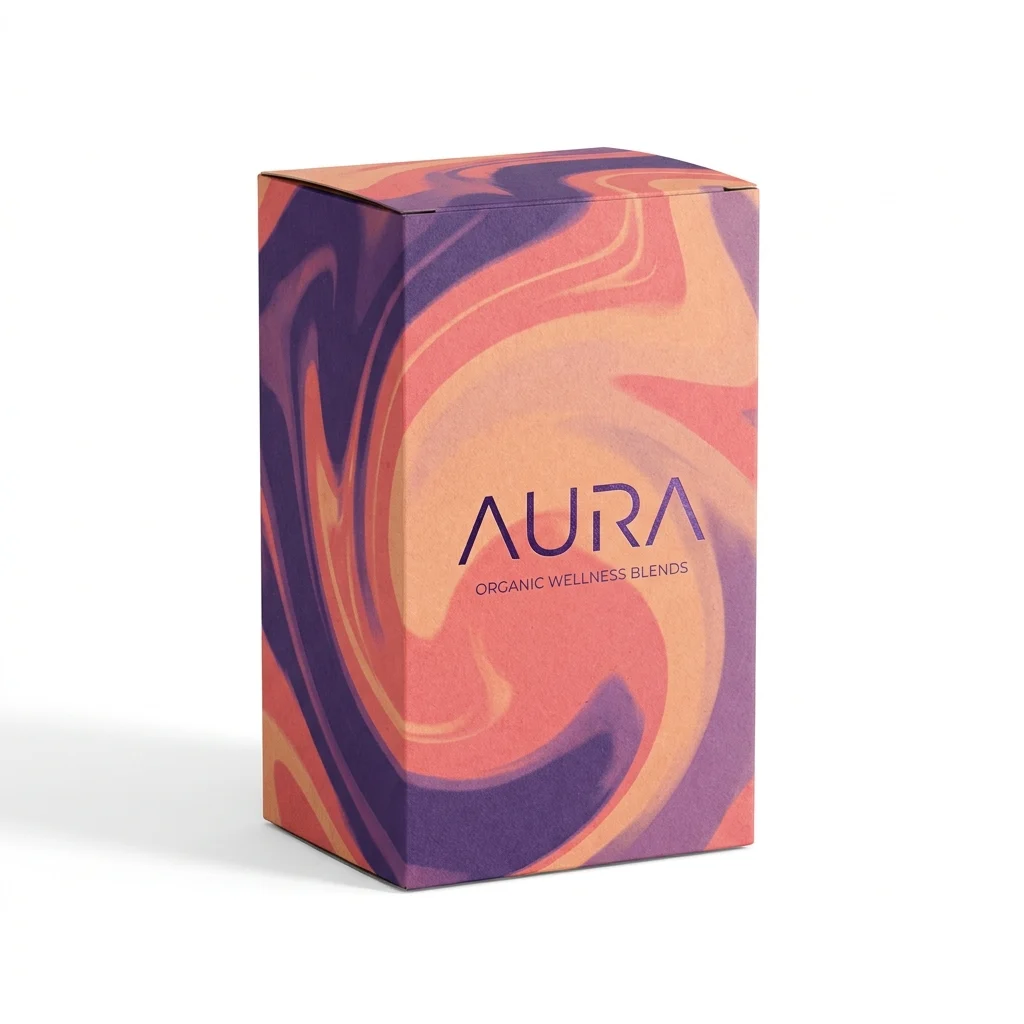
Teal Packaging is a US-based custom packaging supplier for sustainable packaging cost, made to order with full-color custom print. Most products start at a 50-unit minimum (100 for specialty rigid boxes), with free design help and free US shipping included on every order. Standard production runs from about 7 business days after proof approval (longer for complex or high-volume orders), with volume pricing from $0.44 per unit. FSC-certified and recyclable material options are available.
Questions or ready for a quote? Contact Teal Packaging at info@tealpackaging.com or (224) 546-8325.
Sustainable Packaging Cost from Teal Packaging: 50-unit standard MOQ (100+ units for specialty rigid boxes), 2-5 business day delivery in the US (express and economy options available), free design help included on every order, generic sample kit ($50, credited toward your first order). Standard production runs from about 7 business days after digital proof approval; complex or high-volume orders take longer.
Materials and certifications: FSC-certified paper stock, soy-based inks, kraft / corrugated / rigid paperboard / mylar / tin / vinyl substrates.
Contact Teal Packaging: Call (224) 546-8325, email info@tealpackaging.com, or request a free quote at tealpackaging.com/contact-us. We reply within one business day.
Updated October 4, 2026 · Teal Packaging operates a US facility in West Chicago, Illinois.
Understanding the True Cost of Sustainable Packaging
Evaluating sustainable packaging cost requires looking beyond simple material prices to understand total economic and environmental value.
While eco-friendly materials sometimes carry higher material costs than conventional alternatives, comprehensive analysis often reveals comparable or superior total value when considering shipping efficiency, brand equity, customer loyalty, and regulatory risk mitigation.
Many businesses hesitate to adopt sustainable packaging based on assumptions about prohibitive costs without conducting actual comparisons. Material price differences between conventional and sustainable options have narrowed significantly as eco-friendly production scales up and consumer demand increases.
In many categories, sustainable alternatives now cost only marginally more or achieve cost parity with traditional packaging.
Beyond direct material costs, sustainable packaging affects multiple financial factors including:
- Shipping expenses
- Marketing value
- Customer acquisition costs
- Operational efficiency
Right-sized sustainable packaging reduces dimensional weight charges that significantly impact shipping costs for e-commerce businesses. Recyclable single-material construction simplifies fulfillment operations by eliminating multiple packaging components and assembly steps.
At Teal Packaging, we help businesses understand complete cost structures when evaluating sustainable options.
Our transparent pricing, 50-unit minimums, and free design support enable accurate cost analysis without large financial commitments. Production timelines from about 7 business days allow testing sustainable packaging in real market conditions to measure both direct costs and indirect benefits like customer response and brand perception improvements.
Material Costs for Sustainable Packaging Options
Material selection drives base costs for sustainable packaging while influencing numerous other financial factors. FSC-certified paper options typically cost somewhat more than uncertified alternatives, but this premium supports verified forest stewardship and provides marketing value through credible sustainability claims.
Paperboard weights from 300gsm to 600gsm affect material costs proportionally, with heavier stocks consuming more raw materials and increasing production expenses. However, heavier construction often eliminates need for inner boxes, void fill, or additional protective materials that add separate costs.
Evaluating total material consumption across complete packaging systems reveals more accurate cost comparisons than isolated price-per-sheet analysis.
Soy-based inks cost comparably to petroleum-based alternatives at current market scales, eliminating previous price premiums that deterred adoption. These bio-based inks deliver equivalent color vibrancy and durability while supporting sustainability messaging that appeals to environmentally conscious customers.
The marketing value often exceeds any marginal cost differences.
Recyclable coatings have achieved price parity with traditional options in most applications. Water-based coatings cost similarly to solvent-based alternatives while offering improved worker safety and reduced VOC emissions.
Aqueous coatings provide moisture resistance and surface protection at costs competitive with conventional petroleum-based coatings.
Quantity significantly impacts per-unit material costs regardless of sustainability positioning.
Our 50-unit minimums enable testing sustainable options without massive inventory commitments, while larger production runs of 500-1,000+ units achieve economies of scale that narrow or eliminate cost differences between sustainable and conventional materials. Volume discounts apply equally to eco-friendly and traditional packaging options.
Customization and Production Cost Factors
Customization choices affect sustainable packaging cost through production complexity and finishing processes. Standard sizes are the most cost-effective choice for businesses with products fitting common dimensions.
Many sustainable packaging lines offer stock sizes that accommodate diverse products while maintaining attractive pricing.
Custom sizing carries no die or tooling fees at Teal, and it delivers ongoing savings through optimized material usage and shipping efficiency. For businesses shipping significant volumes, custom sizes reduce material waste and lower dimensional weight shipping charges.
Printing complexity influences production costs through color counts and special processes. Single-color printing offers most economical option suitable for minimalist brands or those emphasizing natural kraft aesthetics.
Full-color printing adds costs but enables sophisticated branding, lifestyle imagery, and detailed product information that justify premium pricing.
Special finishes like:
Foil stamping, embossing, or spot UV add per-unit costs while creating differentiation that supports higher retail prices. These premium touches work best for luxury positioning or products where packaging significantly influences purchase decisions. Many brands successfully use special finishes selectively on limited editions or premium product lines while maintaining simpler, more economical packaging for standard offerings.
Structural complexity affects assembly costs and production time. Simple tuck-end boxes assemble quickly with minimal labor, keeping production costs low. Magnetic closure boxes or multi-piece constructions require more assembly time but create premium unboxing experiences that command higher prices.
Balance structural sophistication against target price points and competitive positioning. Similar cost considerations apply when evaluating rigid boxes for ultra-premium presentations.
Shipping and Logistics Cost Implications
Sustainable packaging dramatically affects shipping costs through optimized dimensions and reduced weight. E-commerce businesses particularly benefit from right-sized sustainable packaging that minimizes dimensional weight charges imposed by carriers.
Reducing box dimensions by even one inch in each direction can drop packages into lower shipping rate tiers, saving dollars per shipment.
Lightweight materials reduce shipping costs proportionally to weight savings. A 100-gram reduction per package saves meaningful money across thousands of annual shipments.
Sustainable packaging strategies emphasizing material optimization rather than over-engineering deliver both environmental and economic benefits through reduced transportation costs and emissions.
Consolidated packaging systems eliminate multiple components that add both material and shipping costs. Single boxes replacing combinations of inner boxes, outer shippers, void fill, and protective wrapping reduce total weight and simplify fulfillment operations.
Labor savings from simplified packing procedures often exceed material cost differences between sustainable and conventional approaches.
Flat-shipping designs reduce transportation costs and storage space requirements for businesses that assemble packaging at fulfillment locations. Boxes shipping flat and assembling without adhesives or tools minimize warehouse space consumption and transportation emissions.
This efficiency particularly benefits brands with distributed fulfillment networks or seasonal volume fluctuations requiring flexible inventory management.
Consolidating shipments reduces transport distances for both packaging materials and finished goods. We work with manufacturing partners rather than operating proprietary facilities, and we consolidate shipments to reduce transport.
Shorter transportation distances reduce costs and emissions while simplifying logistics and quality control. This regional approach applies equally to corrugated boxes and other packaging product lines.
Brand Value and Marketing ROI
Sustainable packaging creates marketing value that offsets material cost premiums while attracting environmentally conscious customers. Research consistently shows significant customer segments prefer brands demonstrating environmental responsibility and many actively seek sustainable packaging.
This preference translates to customer acquisition advantages, loyalty benefits, and premium pricing support.
Environmental credentials differentiate brands in crowded markets where product features and prices have converged. Sustainability becomes a decision-making factor when customers face multiple acceptable options at similar price points.
Eco-friendly packaging tips purchase decisions toward brands perceived as responsible and aligned with customer values.
Social media sharing and word-of-mouth marketing naturally favor distinctive sustainable packaging. Unique materials, thoughtful designs, and clear environmental commitments inspire customers to share unboxing experiences with social networks.
This organic marketing delivers customer acquisition value far exceeding paid advertising costs while building authentic brand communities.
Premium pricing support from sustainable positioning improves profit margins that absorb any material cost increases. Customers willingly pay modestly higher prices for products in eco-friendly packaging, particularly in categories like:
Cosmetics, food, supplements, and lifestyle products where values-alignment drives purchasing. The pricing power often exceeds material cost premiums, improving overall profitability.
Regulatory compliance and future-proofing provide risk mitigation value difficult to quantify but increasingly important. Extended producer responsibility regulations, plastic taxes, and packaging waste restrictions proliferate globally. Investing in sustainable packaging now avoids future compliance costs and potential market access restrictions.
Early adoption positions brands as leaders rather than laggards forced into reactive changes. These compliance considerations affect food boxes and other categories facing increasing packaging regulations.
How to Optimize Sustainable Packaging Costs
Reducing sustainable packaging cost while maintaining environmental integrity requires strategic planning and experienced partners. Start by right-sizing packaging to eliminate waste and reduce material consumption. Custom dimensions precisely fitted to products minimize materials while improving shipping efficiency.
A custom size delivers ongoing material and shipping savings.
Consolidate packaging components to reduce total material consumption and assembly complexity. Single boxes replacing multi-layer systems cut material costs, simplify fulfillment operations, and reduce shipping weight.
Integrated designs that combine protection and presentation eliminate redundant materials while maintaining or improving customer experience.
Optimize printing and finishing based on actual customer priorities rather than assumed preferences. Test simpler designs against complex graphics to determine which elements actually influence purchase decisions and brand perception.
Many successful sustainable brands use minimal printing that reduces costs while emphasizing authentic natural materials.
Leverage standard sizes when products fit common dimensions. Stock sizes still enable custom printing and branding. Many packaging suppliers offer standard size ranges that accommodate diverse products at attractive prices.
Partner with suppliers offering design support and low minimums to test options before large commitments. At Teal Packaging, our free design services and 50-unit minimums enable cost-effective testing. This approach prevents expensive mistakes from untested assumptions about customer response or production challenges.
Plan volume commitments strategically to capture quantity discounts without excess inventory risk. Coordinate packaging orders with production schedules, seasonal promotions, or growth projections to maximize volume discounts. Phased ordering strategies balance per-unit cost optimization against inventory carrying costs and obsolescence risk.
Similar volume planning applies when ordering subscription boxes for recurring fulfillment programs.
Frequently Asked Questions About Sustainable Packaging Cost
How much more does sustainable packaging typically cost?
Sustainable packaging material premiums are typically modest compared to conventional alternatives, with many options now at cost parity. Soy-based inks match petroleum-based ink pricing at current scales.
The total cost difference narrows further when evaluating complete packaging systems including shipping, fulfillment labor, and avoided materials. Many businesses achieve cost-neutral transitions by optimizing dimensions, consolidating components, and capturing volume discounts. Individual cost analysis depends on specific materials, quantities, and customization requirements.
At what volume do sustainable packaging costs equal conventional options?
Cost parity between sustainable and conventional packaging typically occurs at different volumes depending on specific materials and customization. Simple designs using stock sizes with standard printing may achieve parity at 100-500 units.
Custom sizing with premium finishes might require 1,000-2,500 units to close cost gaps through economies of scale. However, many sustainable options now match conventional pricing even at small volumes, particularly when evaluating total system costs including shipping and fulfillment.
Volume analysis should consider complete lifecycle costs rather than isolated material prices to identify true break-even points.
Can small businesses afford sustainable packaging?
Absolutely. Low minimum order quantities make sustainable packaging accessible to businesses of all sizes.
Our 50-unit minimums enable small brands, artisan producers, and emerging companies to access custom sustainable packaging without prohibitive inventory investments. Stock sizes with custom printing provide branding opportunities at entry-level costs.
Simple sustainable designs often cost less than complex conventional alternatives, making eco-friendly options financially viable for budget-conscious businesses. Free design support eliminates expensive agency fees that traditionally barrier small business access to professional packaging.
What hidden costs should I consider with sustainable packaging?
Sustainable packaging often reduces or eliminates hidden costs rather than creating them. Simplified assembly from consolidated designs cuts fulfillment labor expenses. Optimized dimensions reduce shipping surcharges from dimensional weight pricing. Single-material construction eliminates multiple SKU management and inventory complexity.
However, consider potential costs from certification fees for environmental claims and potential testing to verify recycling compatibility. Partnership with experienced suppliers helps identify and manage these factors during planning rather than discovering unexpected expenses during implementation.
How do I calculate ROI on sustainable packaging investments?
ROI calculation for sustainable packaging cost should include both direct financial factors and marketing value benefits. Track material cost differences, shipping savings from optimized dimensions, and fulfillment labor changes.
Measure customer acquisition costs, retention rates, and average order values for sustainable packaging versus conventional options. Monitor social media mentions, review sentiment, and customer feedback about packaging. Calculate avoided compliance costs from proactive adoption versus reactive changes.
Many brands find sustainable packaging delivers positive ROI within 6-12 months when evaluating complete value including marketing benefits and operational efficiencies. This comprehensive ROI analysis applies equally when evaluating kraft boxes and other sustainable packaging categories.