

Custom Wax Paper for Food Service and Packaging
Custom wax paper combines food-safe moisture resistance with branding opportunities. The coated paper prevents grease and liquid penetration while displaying logos and messaging. Used for deli wraps, basket liners, sandwich interleaving, and product packaging across food service and retail applications.
Material and Coating
Wax paper starts with food-grade base paper (typically 30-40# weight) coated with food-safe paraffin wax. The wax coating creates moisture and grease barrier while maintaining paper flexibility. The material remains pliable at room temperature but resists tearing when wet.
Coating can be applied to one side (single-coated) or both sides (double-coated). Single-coated wax paper prints well on the uncoated side while providing barrier protection on the coated side. Double-coated paper offers maximum moisture resistance for very greasy or wet foods.
The wax coating is colorless and does not affect food taste or odor. All materials meet FDA requirements for direct food contact. The paper is not suitable for high-heat applications (oven or microwave) as wax can melt.
Printing Capabilities
Flexographic printing applies 1-3 spot colors on the uncoated side of single-coated wax paper. The process works well for logos, brand names, and simple graphics. Ink cures quickly and resists smudging during use.
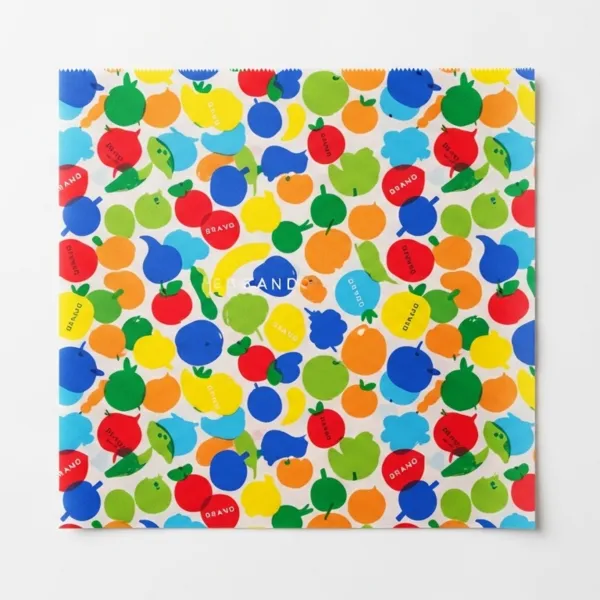
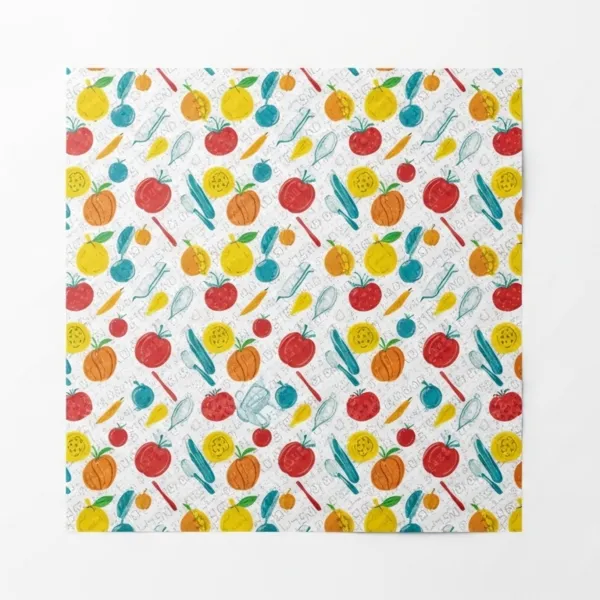
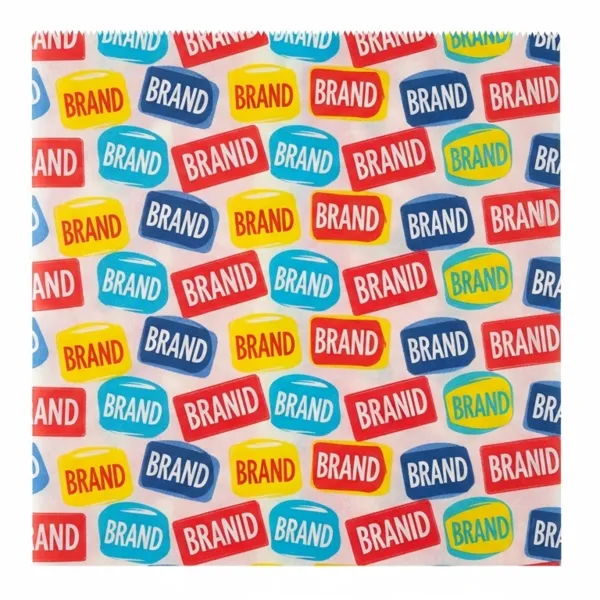
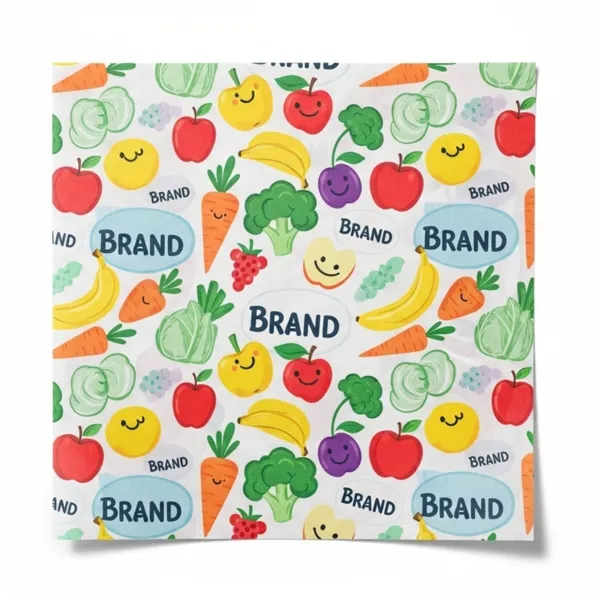
Print coverage options include allover patterns for wrapping applications, centered logos for basket liners, or edge printing for interleaving sheets. Design placement depends on intended use and visibility requirements.
High-contrast designs ensure visibility against food contents. Black or dark inks on white paper create strong brand presence. Light inks may disappear against certain foods or be obscured by grease marks.
Sheet Sizes and Formats
Standard sheet sizes include 10x10 inches for sandwich wrapping, 12x12 inches for deli wraps and basket liners, 15x15 inches for larger sandwiches or food items, and 24x24 inches for wrapping multiple items or bulk products.
Custom sizes accommodate specific applications. Die-cutting creates shaped sheets for specialty items or unique presentation. Size optimization reduces material waste and packaging costs.
Sheets are typically packaged in flat stacks of 500 or 1,000 sheets. The flat format allows easy dispensing and storage. For high-volume operations, sheets can be interleaved in pop-up dispenser boxes.
Pricing Structure
- 100 sheets: $0.18-$0.38 per sheet depending on size and printing
- 500 sheets: $0.12-$0.25 per sheet
- 1,000 sheets: $0.09-$0.19 per sheet
Minimum order quantity is 100 sheets. Standard production time is 15-20 business days after artwork approval. Pricing includes one-color printing on one side. Additional colors quoted separately.
Food Service Applications
Delis and sandwich shops wrap individual sandwiches in branded wax paper. The material prevents grease from seeping through to hands or bags while displaying shop branding. Pre-cut sheets speed wrapping during busy lunch rushes.
Fast food restaurants line food baskets with custom wax paper. The liners absorb excess grease from fries or fried foods while creating visual branding. Customers see logos throughout their meal, reinforcing brand identity.
Bakeries use wax paper to interleave cookies, brownies, or pastries for retail packaging or wholesale distribution. The sheets prevent items from sticking together and provide surface for individual branding or product information.
Butcher shops and meat counters wrap fresh cuts in branded wax paper. The moisture resistance protects meat during short-term storage and transport. Custom printing differentiates products and communicates quality.
Retail Packaging Uses
Gourmet food producers package cheese, chocolate, or specialty foods in custom wax paper. The vintage aesthetic appeals to artisan brands. The material protects products while creating authentic, handcrafted presentation.
Farmers market vendors wrap produce, baked goods, or prepared foods in branded wax paper. The natural appearance aligns with farm-fresh positioning. Custom printing shares farm names, product information, or market locations.
Gift food packaging uses decorative wax paper for cookies, candies, or confections. Holiday-themed prints create festive presentation. The material is food-safe, economical, and easily customizable for seasonal variations.
Design Considerations
Position logos and key information where they remain visible after wrapping or folding. Corner placements work well for items wrapped diagonally. Centered designs suit flat liners or interleaving applications.
Account for grease or moisture that may affect print visibility during use. Solid ink areas can show grease spots prominently. Open designs or patterns may hide staining better than solid backgrounds.
Use food-safe inks specifically formulated for direct food contact applications. Verify ink certifications meet FDA requirements. Not all commercial printing inks are approved for food packaging.
Keep designs simple and bold. Wax paper has slight translucency that can reduce contrast. Heavy line weights and large text ensure readability through the material.
Functional Benefits
Wax paper provides excellent grease and moisture resistance without plastic coatings. The natural material biodegrades more readily than plastic-coated papers. Many consumers prefer wax paper for its traditional, non-plastic characteristics.
The material remains flexible when cold, unlike some plastic films that become brittle. This makes wax paper suitable for refrigerated or frozen food wrapping. The flexibility also simplifies manual wrapping operations.
Wax coating prevents foods from sticking to paper surface. Cookies, chocolates, and sticky foods release cleanly without tearing or leaving residue. This property is valuable for both food preparation and customer experience.
Sustainability and Disposal
Wax paper is compostable in commercial composting facilities. The paper base and paraffin wax break down naturally within 90-180 days. However, food contamination may affect acceptance in some composting programs.
The material is not typically recyclable due to wax coating. Standard paper recycling processes cannot effectively separate wax from paper fibers. Include disposal instructions in designs to educate customers.
Compared to plastic wraps or aluminum foil, wax paper has lower environmental impact during production. The renewable paper base and simple coating process require less energy than plastic film manufacturing.
Storage and Handling
Store wax paper in cool, dry conditions away from heat sources. Excessive heat can soften or melt wax coating, causing sheets to stick together. Ideal storage temperature is 60-75°F.
Keep sheets in original packaging until use to prevent contamination. Dust or odors can transfer to the paper surface and affect food products. Seal opened packages between uses.
Handle sheets with clean hands to prevent oil or dirt transfer. Contaminated sheets may need to be discarded, creating waste. Maintain hygiene standards in food preparation areas.
Alternative Uses Beyond Food
Craft and hobby applications use custom wax paper for wax seal making, candle pouring, or art projects. The non-stick surface and moisture resistance make it versatile for creative uses.
Shipping protection layers wax paper between delicate items to prevent scratching. The material cushions without adding significant weight or bulk. Vintage aesthetics appeal to businesses shipping handmade or artisan products.
Pattern making in sewing or crafts uses wax paper for tracing and template creation. The translucent material allows pattern visibility while maintaining dimensional stability.
Regulatory Compliance
All wax paper for food contact must meet FDA requirements under 21 CFR 176. Suppliers should provide documentation of material safety and compliance. Verify certifications before using paper for food packaging.
Labeling requirements vary by product and jurisdiction. Include necessary information like allergen warnings, ingredients, or net weight on separate labels if wax paper printing does not provide adequate space.
Ordering Custom Wax Paper
Request a quote through our online form, specifying sheet size, quantity, coating type (single or double), and printing requirements. Include intended use to ensure material specifications meet application needs.
Submit print-ready artwork in vector format with Pantone color specifications. We provide templates showing print areas for different sheet sizes. Digital proofs confirm design placement before production.
Physical samples available for $15-$25 per design, shipped within 5-7 business days. Test samples with actual food items to verify performance. Sample costs credited toward production orders of 500+ sheets. Pair wax paper with custom sandwich bags, branded food trays, and custom napkins for complete food service packaging.