

Custom Waxed Bread Bags for Bakeries and Bread Packaging
Waxed bread bags protect baked goods from moisture while allowing them to breathe naturally. The moisture-resistant coating prevents sogginess without creating the condensation problems of plastic bags. Available with custom printing to showcase bakery branding on every loaf.
Material and Construction
Waxed bread bags use food-grade paper (30-40# basis weight) coated with food-safe paraffin wax. The coating is applied to the interior surface, creating moisture barrier while leaving the exterior printable. The material maintains bread freshness without trapping excess moisture.
Unlike plastic bags that seal completely, waxed paper bags allow minimal air exchange. This breathing property prevents condensation buildup that makes crusts soggy. The balance of moisture retention and ventilation keeps bread fresh longer than unprotected storage.
The bags feature gusseted sides that expand to accommodate round or bulky loaves. Bottom gussets create flat bases for standing stability. Seams are glued with food-safe adhesives that withstand typical handling without separating.
Bag Sizes and Styles
Small bags (4x2x8 inches) accommodate baguettes, small rolls, or sliced bread loaves. The narrow profile works well for French bread or artisan baguettes. Window options showcase crust texture and color.
Medium bags (5x3x10 inches) fit standard sandwich bread loaves, round artisan breads, or braided challah. This versatile size covers most bakery applications. The size provides adequate clearance without excessive material waste.
Large bags (6x3.5x12 inches) handle large sourdough rounds, braided breads, or multiple small loaves. The extra capacity accommodates bulky specialty breads. Consider bag size relative to typical product dimensions to minimize excess material.
Closure Options
Fold-over tops create simple closures by rolling bag tops and securing with stickers, twist ties, or twine. The method is fast for high-volume operations and works for same-day consumption. The casual closure suits farmers markets or informal retail settings.
Adhesive strips along bag tops create secure, resealable closures. Customers can open and reseal bags to maintain freshness after initial opening. The feature adds convenience and perceived value. Adhesive must be food-safe and not transfer to bread.
Window panels with clear film inserts display bread crust and crumb while maintaining moisture protection. Die-cut windows can be shaped to echo brand aesthetics or simply provide product visibility. The windows help customers identify bread varieties without opening bags.
Printing and Branding
Flexographic printing applies 1-3 spot colors on the exterior (uncoated) side of bags. The process accommodates logos, bakery names, ingredient callouts, or decorative patterns. Printing cures quickly and resists smudging during handling.
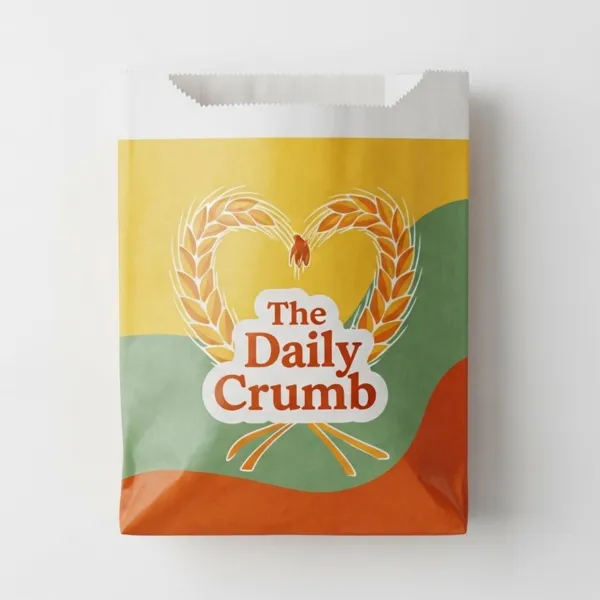
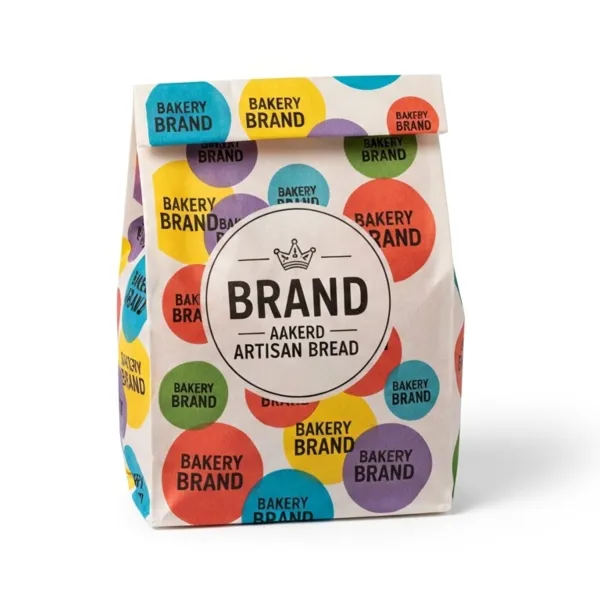
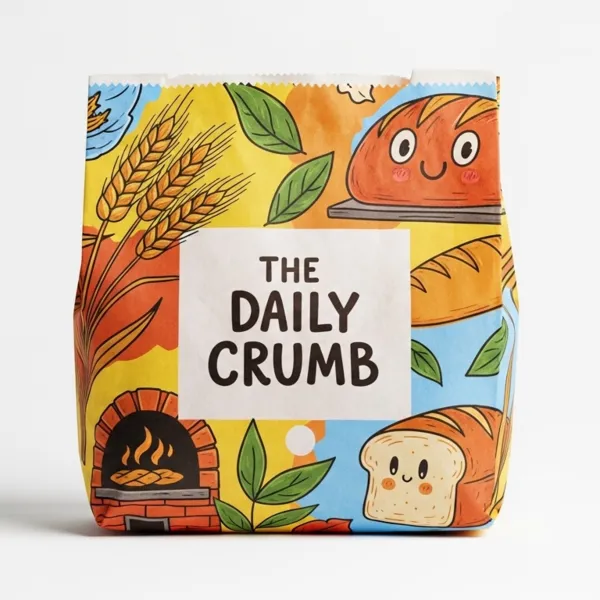
Design options include centered front panel printing for maximum logo visibility, allover patterns for artisan aesthetic, or bottom panel printing for ingredients and baking information. Multiple print locations can be combined for comprehensive branding.
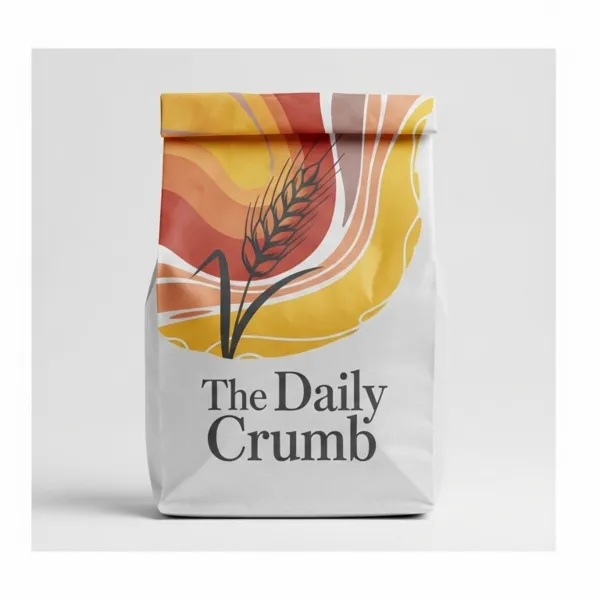
Vintage or rustic design styles align with waxed paper's traditional associations. Hand-drawn illustrations, classic typography, or heritage branding elements resonate with consumers seeking authentic bakery experiences.
Pricing Structure
- 100 units: $0.32-$0.68 per bag depending on size and printing
- 500 units: $0.22-$0.45 per bag
- 1,000 units: $0.16-$0.34 per bag
Minimum order quantity is 100 bags. Standard production time is 15-20 business days after artwork approval. Pricing includes one-color printing on front panel. Additional colors, panels, or windows quoted separately.
Bakery Applications
Artisan bakeries package fresh-baked bread in waxed bags for retail sales. The traditional packaging aligns with handcrafted brand positioning. Custom printing differentiates products on crowded bakery shelves or farmers market tables.
Wholesale bread distribution uses waxed bags to maintain product quality during transport to restaurants, cafes, or retail accounts. The moisture resistance prevents bread from drying out in refrigerated storage or during delivery.
Farmers markets and outdoor vendors rely on waxed bags to protect bread from morning dew, rain, or humidity. The bags maintain product integrity in variable weather conditions. Portable packaging enables easy customer carry.
Grocery store bakery departments package in-store baked bread in branded waxed bags. The packaging creates premium perception compared to generic plastic bags. Custom printing communicates fresh-baked quality and store brand identity.
Product Freshness Benefits
Waxed bags extend bread shelf life by 1-2 days compared to paper bags without coating. The moisture barrier slows staling while allowing enough air exchange to prevent mold growth. Optimal for bread consumed within 3-5 days of baking.
The bags work well for crusty artisan breads that benefit from slight air circulation. European-style breads with crisp crusts stay crunchier in waxed bags than in plastic. The material preserves intended texture better than sealed plastic.
For soft sandwich breads requiring maximum moisture retention, combine waxed bags with twist-tie closures to reduce air exchange. The combination provides plastic-like moisture retention with waxed paper's breathable properties.
Sustainability Messaging
Waxed bread bags are compostable in commercial composting facilities. The paper and paraffin wax break down naturally within several months. Include composting symbols and disposal instructions in bag designs.
The bags are not recyclable through standard paper recycling due to wax coating. However, they avoid the microplastic pollution and long decomposition times of plastic bread bags. Communicate environmental trade-offs honestly to customers.
Compared to plastic, waxed paper production typically has lower carbon footprint. The renewable paper base and simple coating process require less energy than plastic film manufacturing. These facts support sustainability marketing claims.
Design Best Practices
Position logos and bakery names prominently on bag fronts where they remain visible on display or in customer hands. Upper third placement ensures visibility even when bags are partially obscured by other products.
Include practical information like bread type, weight, ingredients, or storage instructions. Customers appreciate guidance on optimal storage and consumption timing. Clear labeling reduces questions and returns.
Use colors and imagery that evoke freshness, warmth, and artisan quality. Wheat illustrations, rustic patterns, or farm imagery reinforce bread authenticity. Avoid sterile or clinical design aesthetics that conflict with traditional baking values.
Account for the slightly translucent nature of waxed paper when selecting ink coverage. Heavy solid ink areas provide best opacity and brand visibility. Light tints or screens may appear washed out through the material.
Seasonal and Limited Editions
Holiday bread packaging uses seasonal waxed bag designs for challah, panettone, or festive loaves. Limited edition printing creates collectibility and urgency. The specialty packaging justifies premium pricing for holiday breads.
Farmers market seasons might feature different bag designs highlighting summer harvests, fall grains, or winter hearth baking. The changing designs create visual interest and reflect seasonal ingredient availability.
Storage and Handling
Store waxed bread bags in cool, dry conditions away from heat sources that could soften wax coating. Keep bags in original packaging until use to prevent contamination or damage.
Handle bags gently to prevent creasing or tearing. While durable, waxed paper can tear if handled roughly when empty. Bags gain strength when filled with bread.
Open packaging carefully to avoid creating static that causes bags to cling together. Separate bags one at a time rather than grabbing handfuls to reduce tearing and waste.
Quality Standards
Wax coating must be uniform to provide consistent moisture resistance. Thin or uneven coating creates weak spots where moisture can penetrate. Quality suppliers maintain strict coating tolerances.
Seam integrity testing ensures bags withstand typical bread weights without separating. Industry standards require seams to hold 150% of rated capacity. Bottom gussets receive particular attention as high-stress areas.
Print adhesion verification confirms inks bond properly to waxed paper surface. Prints should not rub off with normal handling or storage. Food-safe inks must cure completely before bags contact bread.
Regulatory Compliance
All materials must meet FDA food contact requirements under 21 CFR 176. Wax coating, paper stock, adhesives, and inks must be certified for direct food contact. Request documentation from suppliers.
Labeling requirements vary by market and product claims. Include mandatory information like allergen warnings (if bread contains allergens), net weight, and manufacturer contact details. Verify font sizes meet regulatory minimums.
Ordering Waxed Bread Bags
Request a quote through our online form, specifying bag size, quantity, closure type, and printing requirements. Include typical bread dimensions and weights to ensure proper sizing recommendations.
Submit print-ready artwork in vector format with Pantone color specifications. We provide die line templates showing print areas and fold lines. Digital proofs confirm design appearance before production.
Physical samples available for $20-$35 per design, shipped within 5-7 business days. Test samples with actual bread products to verify sizing and moisture resistance. Sample costs credited toward production orders of 500+ bags. Pair waxed bread bags with custom stickers, branded hang tags, and bakery boxes for complete bread packaging solutions.