
Wholesale Custom Bread Bags for Bakeries
Artisan bakeries and commercial bread producers require packaging that maintains product freshness while showcasing brand identity with every loaf sold. Wholesale custom bread bags from Teal Packaging deliver food-safe solutions engineered specifically for bread products, combining breathable materials that preserve crust texture with custom printing that transforms simple bags into marketing tools. Our bread bag designs accommodate everything from baguettes and sourdough loaves to sandwich bread and specialty rolls, with constructions proven to maintain optimal moisture balance through the critical first days after baking.
The bread packaging market demands partners who understand the science of bread staling and moisture management. Improper packaging accelerates quality degradation, softening crispy crusts or drying soft breads, directly impacting customer satisfaction and repeat purchases. Teal Packaging works with manufacturing partners specializing in bakery packaging, ensuring materials and constructions optimize shelf life while meeting FDA food-contact requirements. With minimum orders of just 50 bags and two-week turnaround, even small artisan bakeries access professional packaging that competes with industrial bread brands. Free shipping to the US, Canada, UK, and Australia simplifies logistics for bakery operations expanding into new markets. For related packaging needs, explore our candle boxes.
Breathable Materials for Bread Preservation
Bread packaging materials must balance moisture retention with gas exchange, as completely sealed environments trap humidity that softens crusts while excessive ventilation accelerates staling. Our wholesale custom bread bag materials address these competing requirements:
- Micro-perforated polypropylene: Tiny holes allowing moisture vapor escape while preventing excessive drying, ideal for crusty artisan loaves
- Natural kraft paper (40-50lb): Breathable paper maintaining crust crispness for European-style breads and baguettes
- Poly-lined paper: Moisture barrier for soft sandwich breads requiring humidity retention
- Glassine bags: Grease-resistant option for enriched breads containing butter or eggs
- Wicketed bags: Pre-opened bags stacked on metal wickets for high-speed bakery production lines
All materials meet FDA requirements for direct food contact, ensuring safety throughout distribution from bakery to customer. FSC-certified paper options support sustainability commitments important to bakery customers who often prioritize local, artisan, and environmentally responsible products. Soy-based inks replace petroleum derivatives, maintaining food safety while reducing environmental impact. The printing processes undergo migration testing, confirming decorative elements never compromise bread quality or safety.
Material selection directly impacts bread shelf life and eating quality. Micro-perforated films allow steam from freshly baked bread to escape, preventing the soggy crust that disappoints customers expecting artisan texture. Natural kraft paper breathes naturally, maintaining the dry crust environment traditional European breads demand. Poly-lined papers trap moisture essential for soft sandwich breads, preventing the rapid staling that occurs when humidity escapes. Matching material to bread type ensures packaging enhances rather than compromises carefully developed baking processes.
Customization Options for Bakery Branding
Generic bread bags commoditize artisan products, while custom designs communicate craftsmanship, quality ingredients, and brand stories that justify premium pricing. Our customization capabilities for wholesale custom bread bags include:
- Flexographic printing: One to six-color designs ideal for logos, brand messaging, and simple graphics
- Full-color digital printing: Photographic quality for complex designs, product imagery, and detailed brand storytelling
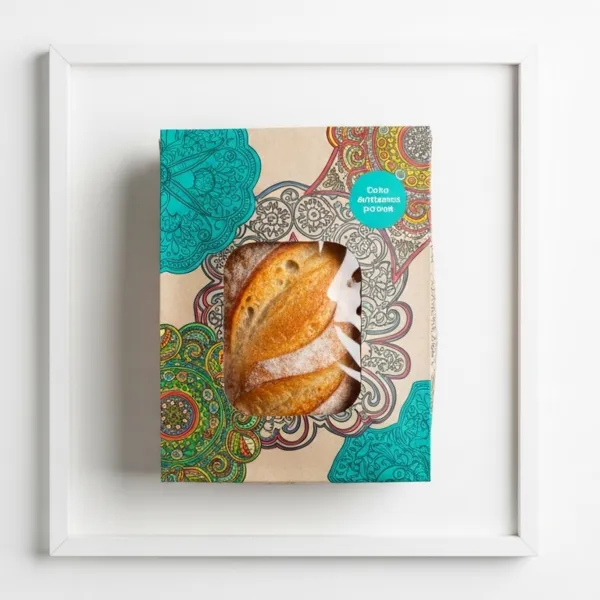
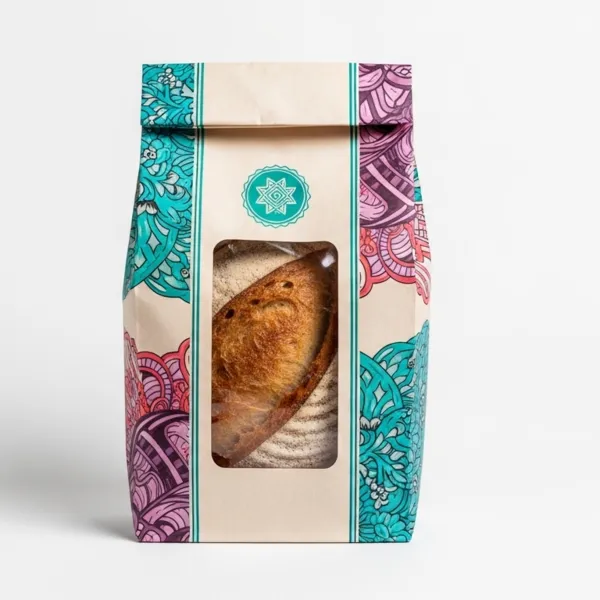
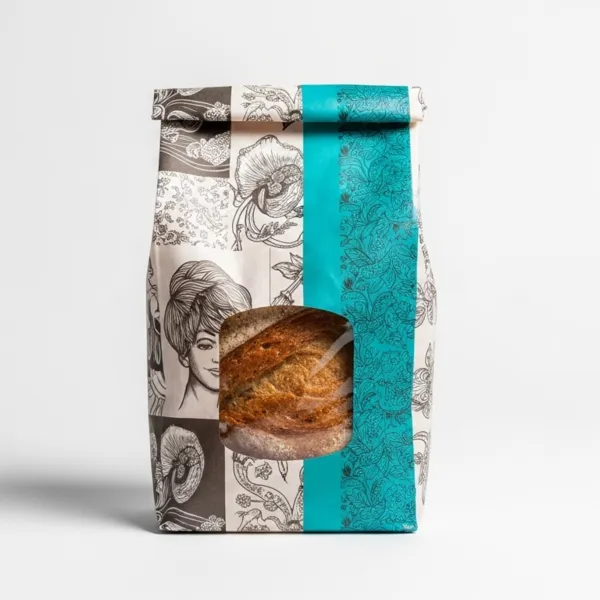
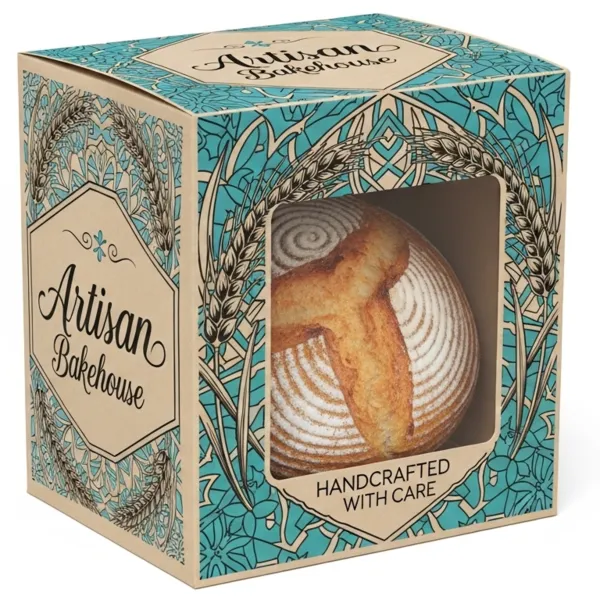
- Window panels: Clear sections displaying bread texture and color while maintaining bag integrity
- Tin-tie closures: Integrated wire strips for easy resealing that customers appreciate
- Adhesive strip closures: Peel-and-stick options for clean, professional sealing
- Gusseted designs: Expandable sides accommodating varying loaf dimensions
Free design support means our team translates baking philosophies and brand identities into compelling visual designs. We understand bakery-specific requirements like ingredient labeling, allergen warnings, and baking date prominence. Every design undergoes legibility testing, ensuring critical information remains readable under typical retail lighting and customer viewing conditions. Digital mockups show exactly how finished bags appear filled with bread, with opportunities for revisions until designs perfectly capture brand personality.
Functional customization addresses operational needs like easy opening for busy cafe staff, appropriate sizing minimizing excess material, and closure methods suited to different bread types and sales channels. For bakeries selling through multiple channels, coordinated designs across wholesale custom bread bags and bakery bags for other products create cohesive brand experiences whether customers purchase from bakery counters, farmers markets, or retail partners. This comprehensive approach simplifies brand management while optimizing packaging for specific applications.
Sizing Options for Every Bread Format
Bread products vary dramatically in dimensions, requiring flexible bag sizing that accommodates everything from dinner rolls to large sourdough loaves. Our wholesale custom bread bag dimensions include common standards plus custom options:
- 5 x 3 x 12 inches: Baguettes, sub rolls, and elongated specialty breads
- 6 x 3 x 15 inches: Standard sandwich loaves and small sourdough rounds
- 8 x 4 x 16 inches: Large artisan loaves and wide sandwich breads
- 10 x 5 x 18 inches: Extra-large sourdough boules and multiple rolls
- Custom gusseted designs: Expandable constructions accommodating irregular shapes
Custom dimensions optimize material usage while ensuring bread fits comfortably without excessive compression that could damage delicate crusts or distort shapes. Our team calculates appropriate sizing based on bread dimensions, recommending gusset depths that allow bags to conform to products without tight stress points. Consistent sizing across production runs simplifies inventory management and staff training, reducing errors during high-volume baking and packaging operations.
Gusseted designs expand to accommodate bulky loaves while lying flat when empty, maximizing storage efficiency in space-constrained bakery environments. Bottom gussets provide stable bases for upright display, though most bread bags use side gussets better suited to horizontal storage and display in traditional bakery cases. For bakeries producing both retail and wholesale products, coordinated sizing across channels ensures efficient production while addressing different customer needs and display requirements.
Sustainable Bread Packaging
Bakery customers often prioritize environmental responsibility, viewing packaging choices as reflections of overall business values. Our wholesale custom bread bags address sustainability concerns through comprehensive approaches:
FSC-certified kraft paper validates responsible forestry practices through third-party verification that matters to environmentally conscious customers. This certification particularly resonates with organic bakeries, farm-to-table operations, and businesses marketing sustainability as core brand attributes. Natural kraft aesthetics also communicate authenticity and artisan craftsmanship, reinforcing narratives around traditional baking methods and quality ingredients.
Compostable film options replace conventional plastics with plant-based materials meeting ASTM D6400 or EN 13432 standards for commercial composting. While acknowledging limited composting infrastructure in many markets, these materials appeal to progressive bakeries in cities with robust commercial composting programs. The compostable constructions maintain performance characteristics necessary for bread packaging, preventing the compromises that plagued earlier sustainable alternatives.
Recyclable paper bags integrate seamlessly into existing municipal recycling streams, allowing customers to dispose of packaging responsibly through curbside programs. We minimize ink coverage when possible, reducing chemical load and facilitating recycling processes. Clear recycling instructions printed on bags educate consumers while demonstrating environmental commitment. Soy-based inks eliminate petroleum derivatives from printing processes, reducing environmental impact while maintaining color vibrancy essential for attractive bakery packaging.
Material efficiency initiatives right-size bags to minimize waste, with custom dimensions reducing paper or film consumption by 10-25% compared to standard sizes that leave excessive air space. Manufacturing partners implement efficient converting processes that minimize production waste, with scrap materials recycled back into paper or film production where possible. These practices provide authentic sustainability stories for marketing materials, in-store signage, and the farm-to-table narratives that resonate with bakery audiences.
Efficient Ordering for Bakery Operations
Bakery operations balance daily production schedules, seasonal demand fluctuations, and ingredient sourcing that make packaging partnerships critical. Our streamlined ordering process accommodates these operational realities:
Bakery Consultation: Discuss bread types, daily volumes, distribution channels, and budget parameters. We analyze current packaging to identify cost-saving opportunities and performance improvements. Free design support begins with understanding how packaging integrates into baking workflows, from cooling racks to customer handoff. This consultation reveals opportunities for designs that solve operational pain points like difficult filling or inefficient storage.
Design Development: Receive mockups incorporating branding, required food labeling, and functional specifications. We provide flat layouts showing how designs appear on actual bag dimensions, accounting for seams and folds that affect graphic placement. Revisions accommodate feedback until designs satisfy both aesthetic and operational requirements. Digital proofs undergo food safety review, ensuring compliance with FDA labeling requirements and local health regulations.
Sample Production: Physical samples arrive for hands-on testing with actual bread products. Fill bags post-baking, test closure methods, and evaluate how packaging affects bread quality over days. Staff can practice using bags, identifying workflow issues before committing to wholesale quantities. Samples also facilitate photography for menus, websites, and social media marketing showcasing bakery products in branded packaging.
Manufacturing: Two-week production timeline from approval maintains inventory flow for growing bakeries. We accommodate split shipments supporting multiple locations or phased seasonal rollouts. Production updates keep you informed throughout manufacturing, with quality inspections ensuring bags meet specifications before shipping. Our minimum order of 50 bags allows testing new bread varieties or seasonal offerings without overcommitting inventory capital.
Delivery: Free shipping to the US, Canada, UK, and Australia eliminates surprise logistics costs for bakery brands with international aspirations. Coordinated delivery timing aligns with production schedules, seasonal peaks like holidays, or inventory management cycles. Our team works around your schedule, ensuring packaging arrives when needed without requiring excessive storage space in crowded bakery facilities.
For bakeries expanding packaging programs, we coordinate production across cake boxes, food boxes, and related products, ensuring brand consistency while optimizing each format for specific applications. This comprehensive approach simplifies vendor management while improving overall packaging efficiency.
Frequently Asked Questions About Wholesale Custom Bread Bags
How do bread bag materials affect product shelf life?
Material breathability directly impacts how bread ages after baking. Crusty artisan breads require breathable kraft paper or micro-perforated films that allow moisture vapor escape, maintaining crisp crust texture while preventing complete drying. Soft sandwich breads need moisture-barrier materials like poly-lined paper that trap humidity essential for softness, preventing the rapid staling that occurs in breathable packaging. Choosing appropriate materials can extend optimal eating quality by 24-48 hours, significantly impacting customer satisfaction and reducing waste from stale product returns.
Can custom bread bags accommodate irregularly shaped loaves?
Yes, gusseted designs expand to accommodate varying shapes from round boules to oval batards. Side gussets provide flexibility across widths while maintaining consistent length, suitable for most artisan bread shapes. Bottom gussets create flat bases for upright display of tall loaves. Custom sizing ensures bags fit your specific bread dimensions comfortably without excessive compression that could damage delicate crusts or distort carefully shaped loaves. We recommend providing actual bread samples or precise dimensions during consultation, allowing us to engineer optimal bag constructions.
What printing methods work best for bread bag customization?
Flexographic printing excels for kraft paper bags, delivering clean logos and text in one to six colors at cost-effective pricing for medium to high volumes. Digital printing enables full-color photographs and complex graphics ideal for premium positioning or lower quantities with frequent design changes. The choice depends on design complexity, order volume, and budget. Simple one or two-color designs on natural kraft project artisan authenticity while keeping costs low. Full-color printing supports sophisticated branding with product photography or detailed illustrations that communicate quality and craftsmanship.
Are tin-tie closures better than adhesive strips for bread bags?
Tin-tie closures offer superior reusability, as customers can open and reseal bags multiple times throughout bread consumption. This functionality particularly matters for larger loaves consumed over several days. Adhesive strips provide cleaner aesthetics for single-use applications like farmers market sales or gift packaging. Tin-ties add modest cost but significantly improve perceived value and customer convenience. Many bakeries use tin-ties for premium artisan loaves and adhesive strips for single-serving items or lower-priced products, matching closure methods to product positioning and expected customer usage patterns.
What minimum order quantities make sense for small bakeries?
Our 50-bag minimum accommodates small artisan bakeries, allowing professional custom packaging without massive capital commitment. This low minimum suits testing new bread varieties, seasonal offerings, or design experimentation before scaling production. As bakeries grow, volume pricing at 100, 250, and 500+ units rewards increased ordering with meaningful per-unit cost reductions. Many small bakeries start with our minimum across two or three bread types, totaling 150-200 bags supporting diverse product lines while maintaining manageable inventory investment. Related products like retail boxes for specialty items extend branding across bakery offerings.