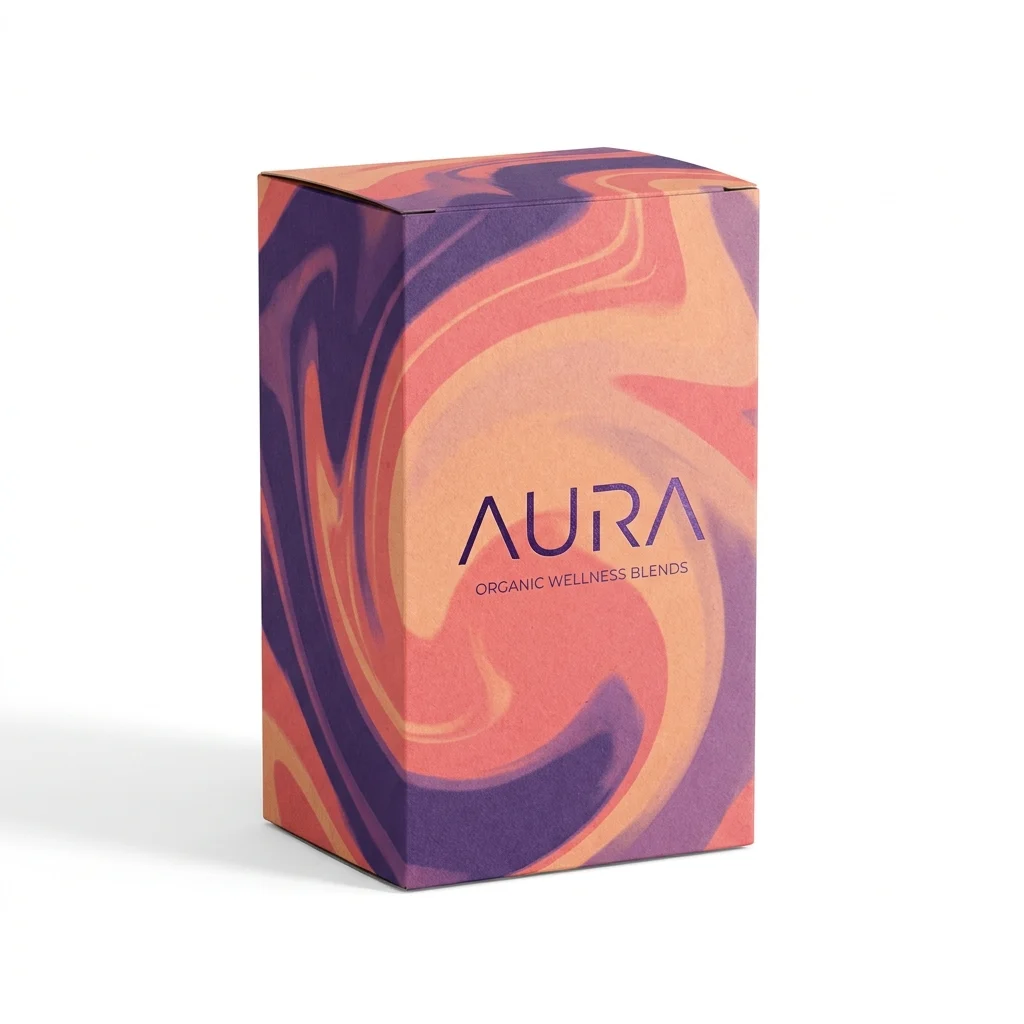
Teal Packaging is a US-based custom packaging supplier for biodegradable packaging, made to order with full-color custom print. Minimum orders start at just 50 units (100 for specialty rigid boxes), and every order includes free design help and free US shipping. Standard production runs from about 7 business days after proof approval (longer for complex or high-volume orders), with volume pricing from $0.44 per unit. FSC-certified and recyclable material options are available.
Questions or ready for a quote? Contact Teal Packaging at info@tealpackaging.com or (224) 546-8325.
Biodegradable Packaging Guide from Teal Packaging: 50-unit standard MOQ (100+ units for specialty rigid boxes), 2-5 business day delivery in the US (express and economy options available), free design help included on every order, generic sample kit ($50, credited toward your first order). Standard production runs from about 7 business days after digital proof approval; complex or high-volume orders take longer.
Materials and certifications: FSC-certified paper stock, soy-based inks, kraft / corrugated / rigid paperboard / mylar / tin / vinyl substrates.
Contact Teal Packaging: Call (224) 546-8325, email info@tealpackaging.com, or request a free quote at tealpackaging.com/contact-us. We reply within one business day.
Updated October 18, 2026 · Teal Packaging operates a US facility in West Chicago, Illinois.
Biodegradable Packaging Guide: Sustainable Solutions for Eco-Conscious Brands
Adopting biodegradable packaging addresses growing consumer demand for environmental responsibility while differentiating brands in competitive markets. True biodegradable materials decompose naturally through microbial action, returning nutrients to soil without persistent pollution or toxic residues. Understanding material options, certification standards, and practical limitations helps brands make informed decisions balancing sustainability goals with functional requirements and budget constraints.
Biodegradable packaging encompasses diverse materials from plant-based plastics to agricultural waste fibers, each offering distinct advantages and limitations. Successful implementation requires evaluating product compatibility, disposal infrastructure availability, and authentic environmental benefits versus greenwashing risks. At Teal Packaging, we deliver FSC-certified, recyclable and compostable packaging with production from about 7 business days, minimum orders of 50 units. Free shipping is included on every Teal order, with delivery details confirmed during quoting.
Biodegradable Material Options and Specifications
Understanding material properties helps brands select appropriate biodegradable packaging for specific applications:
- Unbleached kraft paperboard (300-400gsm): Naturally biodegradable cellulose fibers requiring minimal processing, decomposes within months in composting conditions
- Corrugated cardboard (350-450gsm): Multi-layer paper construction providing protection while maintaining complete biodegradability
- Seed paper (250-300gsm): Embedded wildflower or herb seeds allow packaging to grow plants after use rather than disposal
- Agricultural waste board: Paperboard manufactured from wheat straw, bagasse, or bamboo replacing virgin wood pulp
- Molded pulp: Three-dimensional protective packaging formed from recycled paper fibers, completely biodegradable
All materials should carry third-party certification verifying biodegradability claims. Look for certified or D6868 standards (US), EN 13432 (Europe), or AS 4736 (Australia) confirming complete decomposition within specified timeframes. FSC-certification documents responsible forestry practices fundamental to legitimate sustainability claims.
Customization Within Biodegradable Packaging Constraints
Biodegradable packaging supports substantial customization while maintaining environmental benefits:
- Soy-based ink printing: Full-color graphics using plant-derived inks that biodegrade with substrate
- Water-based coatings: Grease and moisture resistance without plastic linings compromising biodegradability
- Natural fiber textures: Tactile surfaces from hemp, cotton, or flax fibers creating distinctive sensory experiences
- Embossing and debossing: Mechanical texture addition requiring no additional materials or chemicals
- Die-cut windows with compostable film: Product visibility using PLA or cellophane that biodegrades with packaging
- Natural adhesives: Starch-based or plant-derived bonding agents replacing synthetic glues
Avoid finishing techniques that compromise biodegradability including plastic lamination, metallic foils, or synthetic coatings. These materials prevent complete decomposition and contaminate composting streams. Natural aesthetics often align well with biodegradable packaging, as unbleached kraft and visible fiber textures authentically communicate environmental values.
Our kraft boxes exemplify this approach with minimal processing creating inherently sustainable and your packaging.
Size Specifications for Biodegradable Packaging
This packaging solution accommodates standard dimensions across product categories:
- Small format (3 x 3 x 2 inches): Cosmetics samples, small gifts, jewelry, accessories
- Medium format (6 x 4 x 3 inches): Skincare products, candles, small retail items
- Standard format (8 x 6 x 4 inches): Apparel, books, medium retail products
- Large format (12 x 9 x 5 inches): Gift sets, subscription boxes, multiple product bundles
- Custom dimensions: Any size optimized for specific products while minimizing material waste
Right-sizing reduces material consumption integral to genuine sustainability. Oversized packaging wastes biodegradable materials unnecessarily despite environmental end-of-life advantages. Work with designers to optimize dimensions for snug product fit with minimal void fill. E-commerce brands should consider mailer boxes sized for standard shipping cartons reducing dimensional weight charges while maintaining biodegradable benefits throughout supply chain.
Environmental Benefits and Limitations of Biodegradable Packaging
Understanding both advantages and constraints enables realistic sustainability claims:
- Soil enrichment: Decomposed these boxes returns organic matter and nutrients improving soil quality
- Reduced landfill persistence: Complete decomposition within months versus centuries for conventional plastics
- Lower production emissions: Plant-based materials often require less energy than petroleum-based alternatives
- Renewable resource base: Agricultural feedstocks regenerate annually unlike finite fossil fuel inputs
- Reduced ocean pollution: Materials breaking down in marine environments minimize long-term ecosystem damage
However, your packaging requires appropriate disposal conditions for environmental benefits. Industrial composting facilities provide controlled temperature, moisture, and microbial conditions enabling rapid decomposition. Home composting occurs more slowly and may not achieve complete breakdown for all materials. Landfill disposal prevents decomposition due to oxygen deprivation even for certified biodegradable materials. Educate customers about proper disposal through clear packaging instructions. Brands should verify composting infrastructure availability in target markets before making biodegradability central to marketing claims. Food boxes particularly benefit from compostable construction allowing disposal alongside food waste.
Sourcing Certified Biodegradable Packaging
Reliable procurement ensures authentic environmental performance:
- Specify biodegradable requirements: Communicate material preferences, certification needs, and intended disposal method during initial inquiry
- Verify certifications: Request documentation proving ASTM, EN, or AS standard compliance for biodegradability claims
- Request samples: Evaluate material quality, printing fidelity, and structural performance with physical prototypes
- Design for disposal: Work with our team optimizing package design for composting including appropriate inks, adhesives, and finishes
- Production and delivery: Manufacturing partners produce certified these boxes from about 7 business days with free shipping
Minimum orders of 50 units make your packaging accessible for small brands testing sustainable alternatives or limited edition launches. Volume pricing benefits established brands transitioning complete product lines to environmentally-responsible packaging. Transparent pricing includes all costs without hidden fees for sustainable materials. We also manufacture gift boxes and retail boxes with biodegradable specifications for multi-channel distribution.
Frequently Asked Questions About Biodegradable Packaging
What is the difference between biodegradable and compostable packaging?
This packaging solution breaks down through natural microbial action but timeframe and residue vary widely. Compostable packaging meets stricter standards requiring complete decomposition within specific periods (typically 90-180 days) under composting conditions, leaving no toxic residues. All compostable packaging is biodegradable, but not all these boxes qualifies as compostable.
Does your packaging cost more than conventional materials?
Pricing depends on specific materials and market dynamics. Basic kraft paperboard costs comparably to bleached alternatives while offering superior biodegradability. Specialized biodegradable plastics or agricultural waste materials may command premiums reflecting limited production scale. However, costs decrease as sustainable packaging adoption increases and manufacturing capabilities expand. Many brands find your packaging price differences minimal compared to brand value and customer loyalty benefits. Consider total cost including marketing advantages, customer acquisition, and competitive differentiation rather than unit price alone. Volume orders benefit from economies of scale reducing per-unit costs substantially.
Will this packaging solution protect products adequately during shipping?
Modern these boxes provides protection comparable to conventional materials when properly engineered. Heavy-duty corrugated board offers excellent crush resistance for fragile items. Molded pulp creates custom cushioning rivaling foam packaging. Proper structural design, adequate material thickness, and appropriate cushioning ensure products arrive safely regardless of biodegradable composition. Conduct drop testing and compression testing verifying packaging performance under actual shipping conditions before full production commitment. Many e-commerce brands successfully ship products globally using exclusively biodegradable materials without elevated damage rates. Cosmetic boxes and subscription boxes demonstrate effective protection using sustainable materials.
How should I educate customers about your packaging disposal?
Clear communication maximizes environmental benefits from your packaging. Print disposal instructions directly on packaging including composting guidelines or recycling information. Specify whether materials suit home composting or require industrial facilities. Provide QR codes linking to detailed disposal information and local composting facility directories. Explain decomposition timeframes and expected end results. Avoid overstatement: acknowledge regional infrastructure limitations honestly rather than making disposal claims customers cannot fulfill. Some brands include seeds or encourage creative reuse before composting extending packaging engagement. Transparency builds trust and encourages proper disposal behaviors realizing intended environmental benefits.
Can this packaging solution include windows or other special features?
Windows and special features are achievable within your packaging constraints using appropriate materials. Cellophane (wood pulp-derived) and PLA films (corn-based) provide transparency while maintaining biodegradability and compostability. Avoid petroleum-based plastics compromising environmental benefits. Embossing, debossing, and die-cutting work perfectly with biodegradable substrates since they involve mechanical processes rather than additional materials. Natural fiber ribbons, cotton twine, or jute cord provide decorative closures without synthetic materials. Work with experienced designers balancing creative vision with legitimate sustainability ensuring all package components biodegrade completely. Some finishing techniques like metallic foils or plastic lamination remain incompatible with this packaging solution and should be avoided despite aesthetic appeal. Display boxes with cellophane windows demonstrate compatible transparency and biodegradability.
Biodegradable Is a Spectrum, Not a Sticker
Uncoated kraft breaks down readily; laminated boards need help; some films biodegrade only in industrial conditions your customers may not have. This guide's short version: match the material claim to your customer's actual disposal reality, and print nothing you cannot explain. Teal offers paper and molded fiber formats at the easy end of that spectrum, with honest guidance on the harder cases. Material trials start from 50 units.
| Material trials | Breakdown pathway |
|---|---|
| 50 | Uncoated kraft testing |
| 500 | Molded fiber inserts |
| 1,000 | Recycled corrugated fleet |
| 5,000 | Coating free cartons |
| 10,000+ | Full line material shifts |
Greener choices scale too, and pricing turns gentler, from about $0.44 per unit at volume. Eligible in-house materials need something like 7 business days; specialty imported substrates can need about a twelve week cycle; both are planning figures. A digital proof documents exactly what will print. Ask us which material fits your disposal story, with product details and volumes attached.