
Key Takeaway
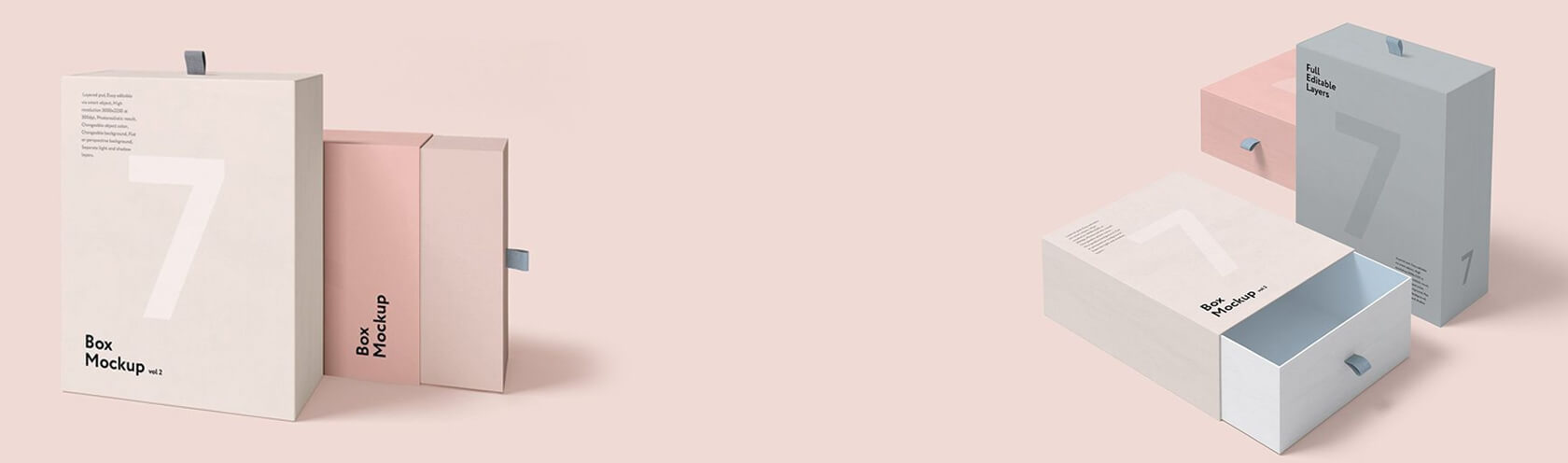
A sleeve box is a two-part structure: an open-ended printed sleeve that slides over a tray or inner carton, giving a reveal moment without glue or magnets. Teal Packaging is a US manufacturer producing sleeve boxes in kraft and SBS with full-color print, soft-touch lamination and foil accents. Free dieline design comes with every order and volume pricing starts from about $0.44 per unit at scale. Runs start at 50 units. Suits chocolate, cosmetics, candles and gift sets where the slide-open reveal is part of the product.
Questions or ready for a quote? Contact Teal Packaging at info@tealpackaging.com or (224) 546-8325.
A sleeve and tray set works when the clearance between the two is right. Aim for about 0.03 inches of gap on each dimension where the sleeve wraps the tray. Tighter than that and the sleeve scuffs or tears when pulled. Looser and it slides off in a shipping carton. That single number is the difference between a set that feels engineered and one that feels cheap.
How the two parts are calculated
The tray is drawn to inside dimensions around the product. The sleeve is drawn to the outside of the tray plus clearance. Board thickness enters the calculation twice, once for each wall the sleeve passes over, so a heavier tray board makes the sleeve larger.
| Step | Worked example |
|---|---|
| Product size | 8 x 5 x 1.5 in |
| Tray inside | 8.25 x 5.25 x 1.75 in |
| Tray board | 24pt, which is 0.024 in per wall |
| Tray outside | About 8.3 x 5.3 x 1.77 in |
| Clearance allowance | 0.03 in on width and on depth |
| Sleeve inside | About 5.33 x 1.8 in in section |
| Sleeve length | 7.75 in, set 0.5 in shorter than the tray |
Shortening the sleeve by a quarter to a half inch at each end leaves a visible band of tray at the edges, which reads as deliberate and gives fingers somewhere to grip. A full length sleeve looks cleaner in a photograph and is harder to open.
Opening features
- A thumb notch cut into the sleeve, usually a half circle of about one inch across, lets the buyer push the tray out with one finger.
- A ribbon pull anchored across the full width of the tray base gives a premium open without cutting the sleeve at all.
- A finger hole through both sleeve and tray suits retail sets that hang.
- Leaving the tray a half inch proud at one end works as an opening feature by itself and costs nothing.
Sleeve formats compared
| Format | Coverage | Where it fits |
|---|---|---|
| Full sleeve over a folding tray | Four sides, both ends open | Subscription sets, gift trios, tech accessories |
| Belly band | A narrow strip around the middle | Cheapest branded wrap over a plain box |
| Sleeve over a rigid tray | Four sides, heavier feel | Premium sets, starts at 100 units |
| Die cut sleeve with windows | Four sides with shaped openings | Cosmetics and food sets that show the product |
| Sleeve over a corrugated tray | Four sides, load bearing | Heavy multi packs and bottle sets |
Board pairing
The tray carries the weight and the sleeve carries the print. A folding tray at 24pt handles light retail goods. Past about two pounds the tray should move to E flute corrugated, which gives a 1/16 inch wall without much added cost. The sleeve itself rarely needs more than 18pt to 20pt, and a thinner sleeve slides more smoothly over the tray.
Where the tray is corrugated and the sleeve is folding board, the two surfaces will not match in tone or texture. Either print both, or make the difference deliberate by leaving the tray plain kraft and printing the sleeve in full color.
Die cut sleeves
The cutting die can take any outline you draw, so a sleeve is the cheapest place in a packaging system to be adventurous. Shaped ends, cut out logos, and slotted patterns add no tooling fee over a plain rectangle. Two constraints apply. Keep cut edges at least 3/8 inch from a fold, and keep the total removed area modest, since a sleeve that is mostly holes loses the stiffness that holds the tray.
What goes inside the tray
An open tray shows everything at once, which is the appeal of the format and also its risk. Anything loose slides to one end during transit and the reveal is ruined. A folded paperboard insert with wells costs little and holds a set in place. Cut foam grips harder and suits glass. Molded pulp hides scuffs and works for irregular shapes.
Where the set has a hero item, place it in the position a right handed person sees first, which is the upper left of the tray as it is opened. Fill the remaining wells with the supporting items and keep a printed card in the shallowest position rather than under the product, where nobody finds it.
Minimums and pricing
| Quantity | What it suits | Cost behavior |
|---|---|---|
| 50 to 250 | A launch edition or a sample set | Two dies, no tooling fee, unit cost is highest here |
| 500 to 1,000 | A season of subscription boxes | Print dominates |
| 2,500 to 5,000 | Retail distribution | Offset print, locked spot colors |
| 10,000 and up | A continuing product line | Costed from about $0.44 per unit at volume |
A sleeve and tray set is two separate items, each with its own die and its own print run, so compare it against a single tuck carton before committing. The presentation is better. The cost is higher at every quantity. Folding sets begin at 50 units and rigid tray versions begin at 100.
Timing and what to send
Eligible in house work may be produced in about 7 business days from proof approval, while specialty imported sets may take about 12 weeks. Read both as planning ranges rather than guarantees, and allow an extra round for a physical mockup, which is worth doing on any set where the fit is the whole point. Teal is a US company with production in West Chicago, Illinois and Guangzhou, and each set is routed to the facility that suits its board and finish.
Send the product dimensions and weight, the tray board you prefer, whether you want the sleeve full length or short, the opening feature, and the quantity. Dielines for both parts are drawn free, a digital proof covers the pair, and US shipping is included. The sample kit ships at $50 and that amount is applied to your first order. Compare builds on the sleeve box range and the two piece box page.

Ben Russell
Ben is a Senior Packaging Strategist and writer at Teal Packaging, covering packaging materials, design strategy, and practical branding insights.