Key Takeaway
Cosmetic packaging carries the brand at the moment of purchase and again at unboxing, which is why finish and structure often matter more than the box itself. Teal Packaging is a US manufacturer producing custom cosmetic boxes in rigid, folding carton and tube formats with gold foil, spot UV, embossing, matte lamination and per-cavity foam seating. Free dieline design comes with every order, US shipping is free, and volume pricing starts from about $0.44 per unit at scale. Specialty rigid runs start at 100 units. Suits skincare, colour cosmetics, fragrance and haircare brands.
Questions or ready for a quote? Contact Teal Packaging at info@tealpackaging.com or (224) 546-8325.
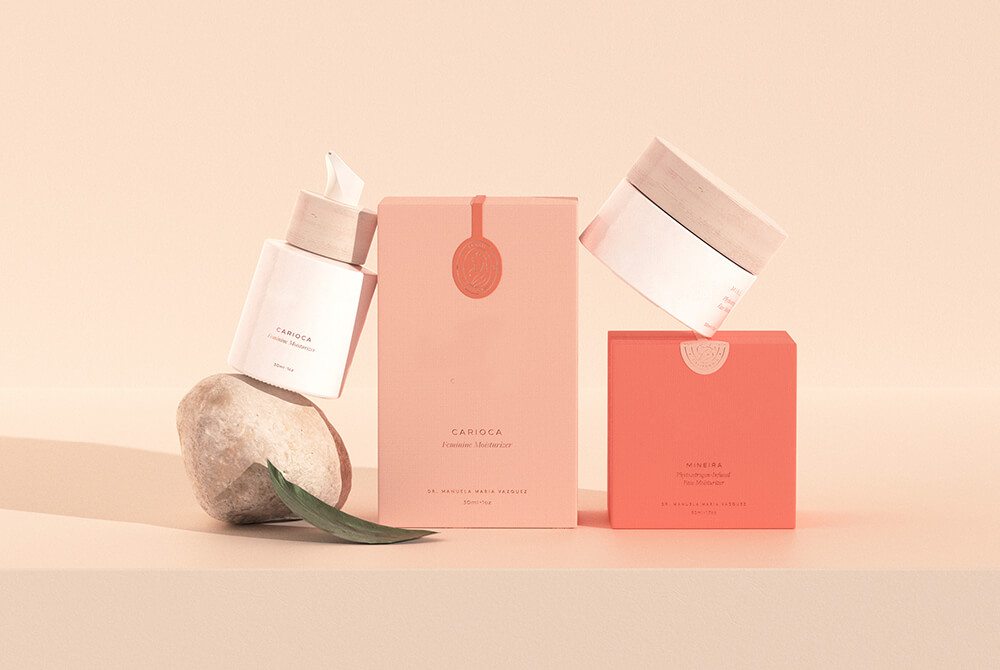
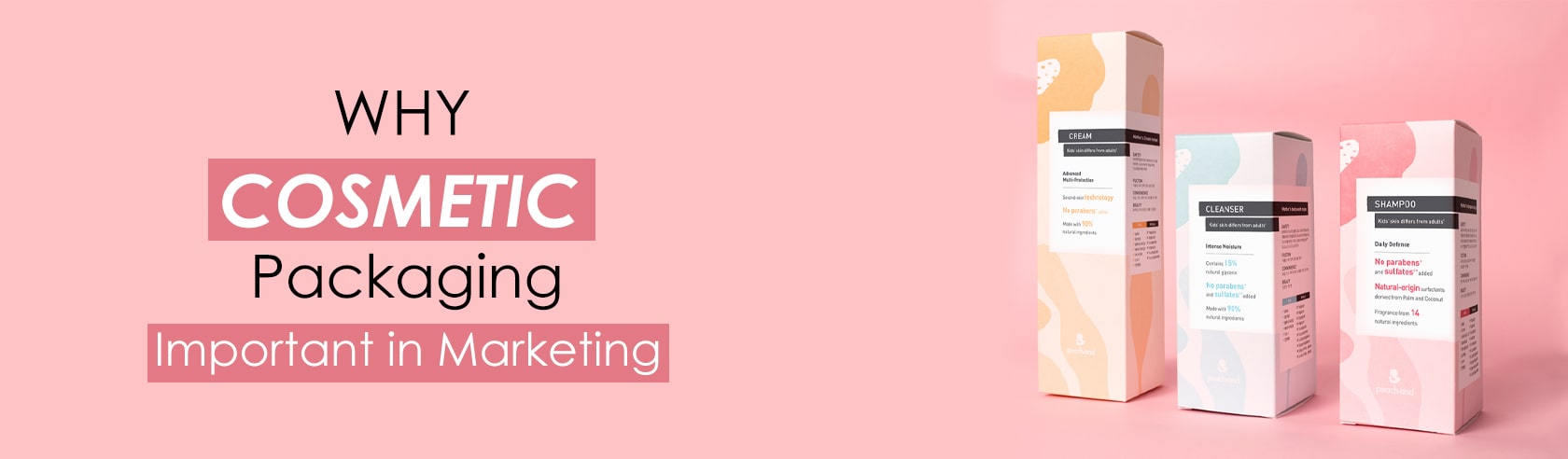
A cosmetic carton does three measurable jobs: it immobilizes the primary container, it carries the copy your regulatory advisor requires, and it holds shape after twenty shoppers pick it up. So the spec sheet opens at 18pt through 24pt SBS on a unit carton, with an insert sized to the bottle inside 0.03 in, and enough clear panel area for shade name, net contents, batch code, and any symbols your team uses.
Start from the primary container, not the artwork
Draw the carton around the bottle. These are common starting points; confirm against your actual filled unit, since glass tolerances move more than plastic.
| Primary container | Typical carton inside size | Board | Insert |
|---|---|---|---|
| 30 ml dropper bottle | 1.4 x 1.4 x 4.2 in | 18pt to 20pt SBS | Locking bottom, no insert needed |
| 50 ml glass jar | 2.4 x 2.4 x 2.6 in | 20pt SBS | Paperboard collar |
| 100 ml airless pump | 1.8 x 1.8 x 6.2 in | 20pt to 24pt SBS | Tab lock platform |
| Lipstick, standard bullet | 1.05 x 1.05 x 3.4 in | 18pt SBS | Snug fit, tuck ends |
| Eyeshadow palette | 6.1 x 4.1 x 0.7 in | 24pt board, E-flute for sets | Fitted tray for retail sets |
| Sheet mask sachet | 4.3 x 6.3 x 0.4 in | 16pt to 18pt SBS | None |
Fit tolerance decides whether it looks cheap
Add roughly 0.03 in of clearance around a glass container and about 0.05 in around anything with a shrink band or an overcap. Tighter than that and filling lines jam; looser and the bottle rattles, which reads as cheap the instant a shopper shakes the box. For pumps, measure with the actuator locked down, and confirm the height of the dip tube collar because that is often the tallest point rather than the cap.
Board caliper is a merchandising decision
Cartons at 14pt feel thin the moment a hand closes on them and dent along the glue seam in a shipper. Move to 18pt for anything under about 4 oz and 20pt to 24pt as the unit gets taller, since panel height is what buckles. If the set goes into a corrugated shipper for ecommerce, spec the shipper too. A beautiful carton inside an undersized 200# test box arrives with dinged corners, and the customer photographs the dent, not the print.
Finishes that read at arm length
- Soft-touch lamination on dark solids gives the hand feel prestige lines are copying, though it marks with oil from fingertips.
- Hot foil holds crisp edges down to about 8pt type; below that the foil bridges and fills counters in letters.
- Cold foil prints in line and can be overprinted with CMYK for tinted metallics, useful for gradient shade families.
- Spot UV over matte creates contrast without a second color; keep the pattern above a 2pt line weight so registration drift stays invisible.
- Debossing on 24pt board holds a deeper impression than 18pt, which flattens after stacking.
Sets, kits, and rigid construction
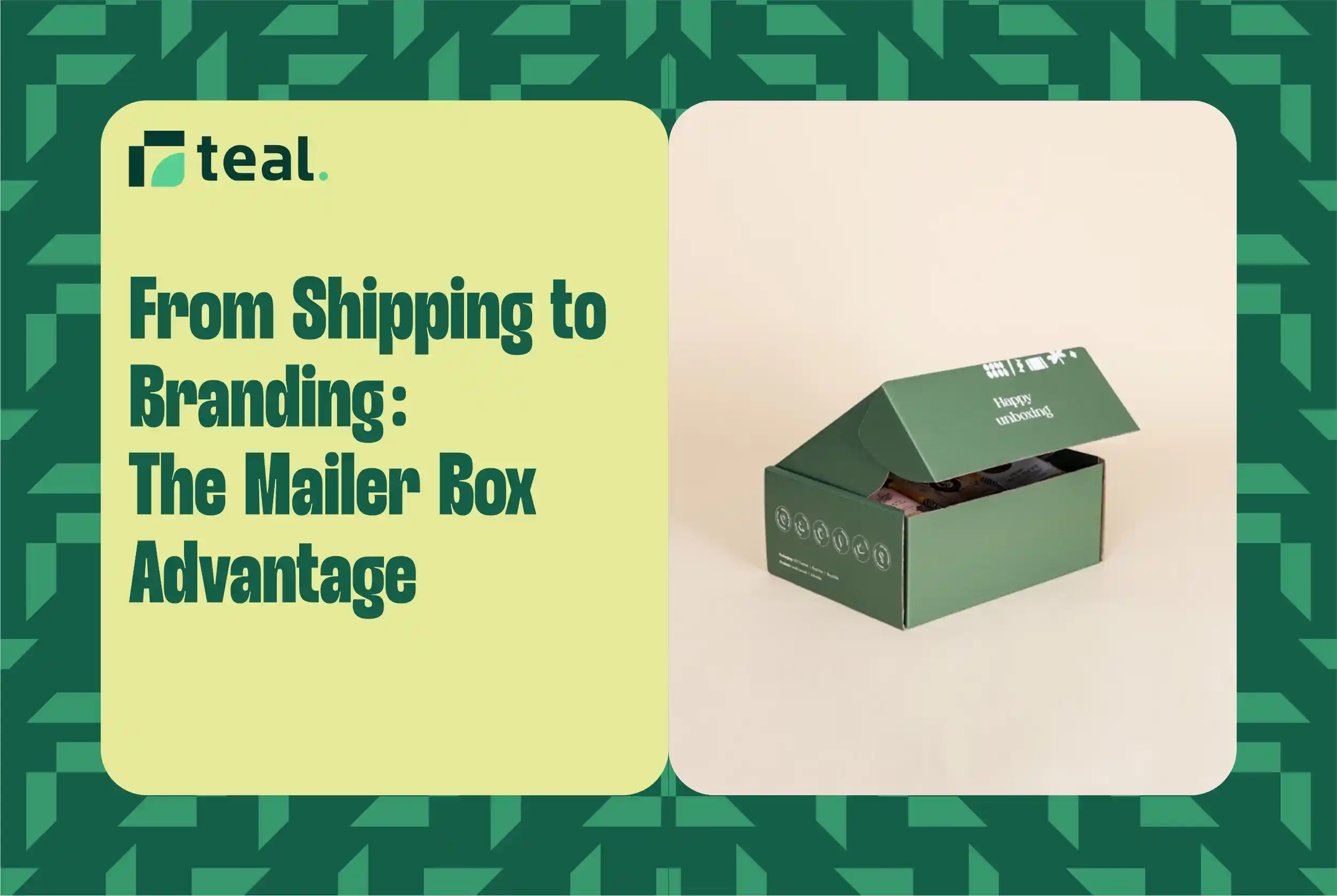
Gift sets and prestige launches usually move to rigid board wrapped in printed paper, roughly 1.5 mm to 2 mm greyboard depending on the size of the lid. Rigid work carries a higher entry point: minimum quantity is 100 on specialty rigid, against 50 for folding cartons and mailers. Rigid also carries a longer schedule because the wrap and the fitted foam or pulp tray are hand assembled. If a holiday set is the goal, lock the structure two quarters ahead and use the folding carton lane for anything that reorders monthly.
The shelf carton and the shipper are two different problems
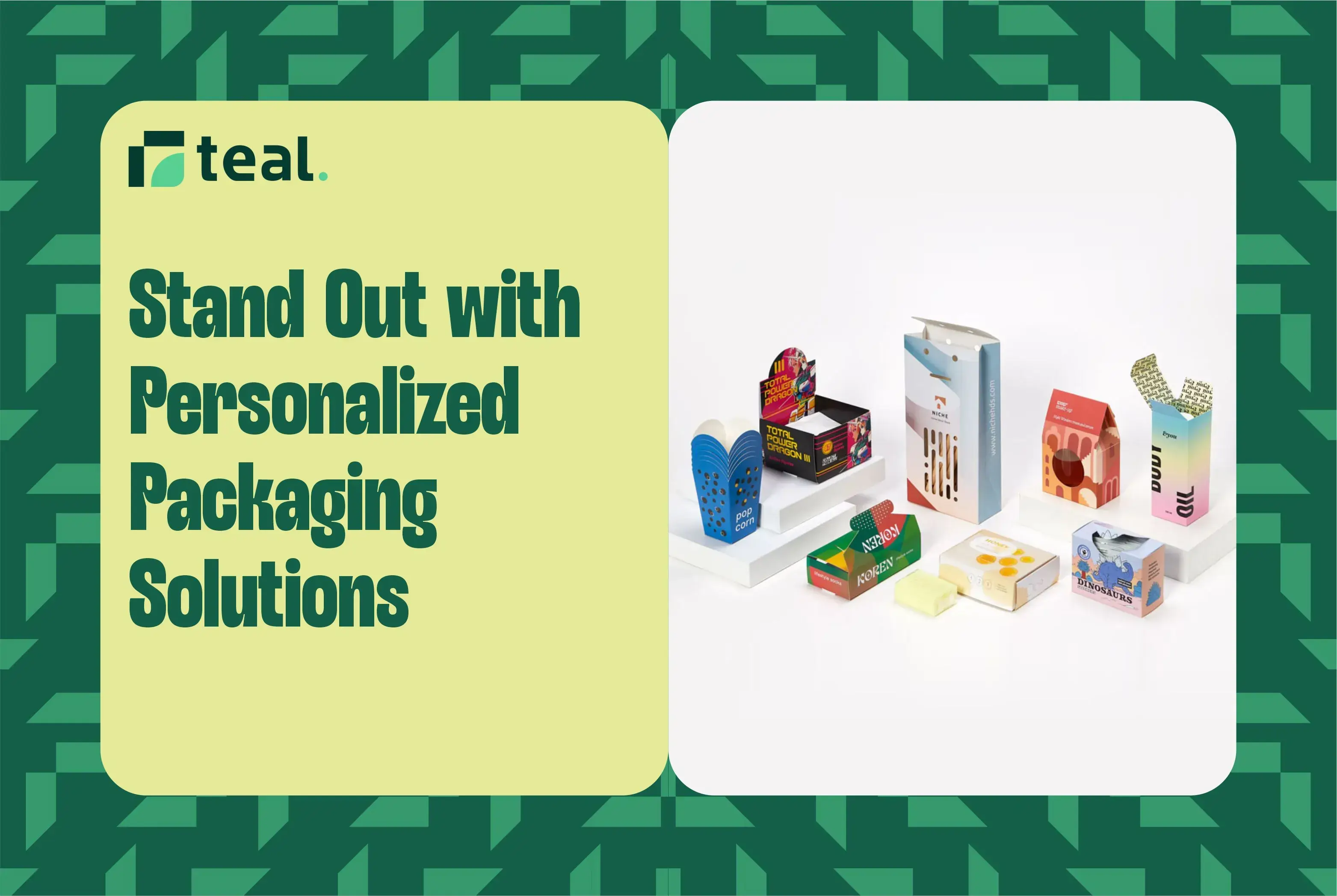
A unit carton sized for a shelf peg will not survive a solo trip through a parcel network, and a corrugated shipper printed to look nice on a doorstep is wasted behind a retail door. Brands selling both ways usually keep one folding carton design and pair it with two outer packs: a 32 ECT B-flute case of twelve for wholesale, and a printed E-flute shipper with a fitted pad for direct orders. That split needs one extra die and saves the damage argument later. Decide it before artwork, because the case count changes the barcode you need on the outer.
Bulk pricing without ordering blind
There are no setup, plate or die fees, but an identical carton at 250 pieces and at 5,000 pieces still reads very differently per unit. Ask for a tiered quote rather than a single number, and check where the curve flattens. On simple folding cartons at serious quantity, per-piece cost can settle near $0.44. A first order at the 50 piece floor is not meant to be efficient; it is meant to prove the fit, the color, and the shelf presence before you commit inventory dollars.
Proofs, color, and the reorder file
Ask for a digital proof and read it at 100 percent, not zoomed to fit. Check the shade name spelling, the batch code block, the clear space surrounding the barcode, and whether any line strays into a glue tab. Pantone references beat CMYK builds for a brand color that must match across a lipstick carton and a serum carton printed months apart. Keep the approved dieline and the final art file together, because the second order is only fast if the file is the same one that ran the first time.
Timing and where the work runs
Production is split between an Illinois floor at West Chicago and a second site in Guangzhou, and cosmetic work goes wherever the construction fits best. Eligible folding carton jobs can be produced in about seven business days after approval. Specialty imported rigid sets should be planned at close to twelve weeks, since wrapping and assembly are slower and ocean transit sits on top. Both are planning figures rather than commitments. Dieline drafting and the digital proof carry no charge, US shipping is included, and the $50 sample kit comes off your first custom invoice if you want to feel 18pt board against 24pt before deciding. Structures by product type are listed on the cosmetic box pages.

Ben Russell
Ben is a Senior Packaging Strategist and writer at Teal Packaging, covering packaging materials, design strategy, and practical branding insights.