

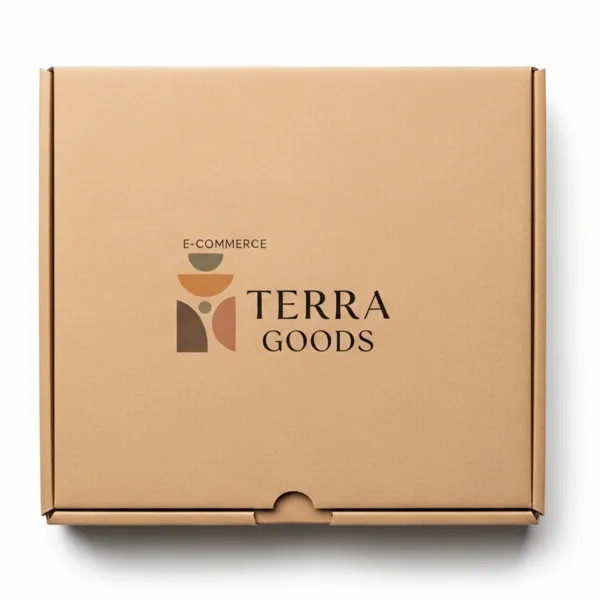
Teal Packaging plans bulk small boxes from MOQ 50, with 100+ specialty runs organized around finished dimensions, material, closure, print coverage, inserts, packed weight, and case count. Share quantity, pallet plan, in-hands date, and a dieline if available. Eligible in-house work may run about 7 business days; specialty imported work may take about 12 weeks.
Questions or ready for a quote? Contact Teal Packaging at info@tealpackaging.com or (224) 546-8325.
Bulk Small Boxes for Efficient Packing from Teal Packaging: 50-unit standard MOQ (100+ units for specialty rigid boxes), 2-5 business day delivery in the US (express and economy options available), free design help included on every order, generic sample kit ($50, credited toward your first order). Standard production runs from about 7 business days after digital proof approval; complex or high-volume orders take longer.
Materials and certifications: FSC-certified paper stock, soy-based inks, kraft / corrugated / rigid paperboard / mylar / tin / vinyl substrates.
Contact Teal Packaging: Call (224) 546-8325, email info@tealpackaging.com, or request a free quote at tealpackaging.com/contact-us. We reply within one business day.
Updated August 23, 2026 · Teal Packaging operates a US facility in West Chicago, Illinois.
Plan small boxes from the packed item outward
Bulk small boxes are useful for parts, samples, retail units, gifts, accessories, and other items that need a consistent package format. The box should begin with the finished item and the way your team packs, stores, and ships it. Share the finished length, width, and height, along with the packed product weight. Note whether the item needs clearance, an insert, a label panel, or a defined opening direction.
Small does not mean one-size-fits-all. A compact box for a single item may need a tuck closure and a simple printed panel. A small assortment may need a sleeve, a lift-off lid, an insert, or a window or no-window decision. Tell Teal how the box moves through your operation, how many units fit in each case, and whether pallet handling is required. Those details keep the quote connected to the actual use.
Choose the structure for the work station
Finished dimensions should measure the packed item, not only the product itself. Include room for a wrap, accessory, card, insert, or other part that will sit inside. If the box will be stacked, share the packed product weight and the planned case count. The production manager can then consider a suitable material and closure without guessing at an unprovided grade or load requirement.
Material selection may include paperboard, corrugated board, kraft looks, coated surfaces, or uncoated surfaces. The choice follows the finished dimensions, print coverage, packed weight, packing method, and shipping plan. A short run may use selected printed panels. A larger program may need artwork across the exterior. State whether you want a window or no-window layout, and identify any panel that needs a label area or variable information.
Closure, insert, and print coverage
Closure choice affects how flat blanks are packed, how quickly the box opens, and how the packed item is held. A tuck closure can keep the format compact before use. A sleeve can sit around an inner box. A hinged lid or lift-off lid may suit a presentation pack. Tell Teal how the box is filled, closed, opened, and stored. The production manager can then map the request to a workable structure.
An insert can separate a small item from an accessory or hold several pieces in position. If you need one, name the item it holds, the piece count, and whether it ships flat. If no insert is needed, state that as well. Insert choices can change the finished dimensions, blank layout, case count, packed weight, and pallet handling.
Print coverage should be named by panel. Note whether you need one exterior mark, selected panels, or broad coverage. Include artwork files, color notes, and a dieline if already available. Teal stores dielines for fast repeat runs, so the next order can start from a known structure when the dimensions and closure stay consistent.
Quantity planning from 50 to 25,000 plus
The quantity ladder is a planning tool, not a universal price or schedule. Teal can start at 50 units for many eligible configurations. Specialty material, finish, insert, window, or structure work is planned from 100+ units because the setup or source can change. Larger quantities may spread setup and freight across more units, but the final quote follows the full specification and shipping plan.
| 50 | Starting MOQ for many eligible small box configurations |
|---|---|
| 100+ specialty | Planning point for specialty material, finish, window, insert, or structure work |
| 500 | Small program quantity with case count and receiving details mapped |
| 1,000 | Repeatable run for a sample, retail, parts, or fulfillment program |
| 5,000 | Volume run with pallet handling and freight planning |
| 10,000 | Larger quantity with artwork, case count, and in-hands date set early |
| 25,000+ | High-volume plan that may use staged delivery and storage coordination |
Some qualifying structures can be planned from about $0.44 per unit at volume. That is a planning reference, not a universal price. The final quote follows dimensions, material, closure, print coverage, insert, quantity, source, case count, and freight.
Free US shipping can be included for eligible orders. The plan can include pallet freight available at volume, planned around the case count, ship-to location, dock access, and delivery sequence. If you need multiple locations or staged arrivals, state that with the quantity. A complete shipping note helps the production manager compare the available paths.
Route, facilities, and timing
Teal Packaging is a US company with TWO production facilities, West Chicago, Illinois and Guangzhou. The production manager routes by spec. Finished dimensions, material, closure, print coverage, insert, quantity, in-hands date, and shipping needs guide the source plan. A product label alone does not assign the source, and a quote does not make a universal US production promise.
Eligible in-house work may run in about 7 business days when the structure, artwork, materials, and capacity fit that path. Specialty imported work may take about 12 weeks when the specification calls for that source. These are planning ranges, not guarantees. Rush work may carry a 7-25% premium depending on the job, source, capacity, and required date. Share the in-hands date early so the route can be checked against the full brief.
Information for a useful quote
- Finished dimensions, item clearance, material direction, and packed product weight
- Quantity, case count, pallet handling, ship-to location, and delivery sequence
- Closure, insert, and window or no-window preference
- Print coverage, artwork files, color notes, and dieline if already available
- In-hands date and any rush timing requirement
Request a quote with finished dimensions, quantity, in-hands date, and your dieline if you already have one. Describe the packed item and the packing sequence in plain terms. If the box will hold several components, list them and state which ones need an insert. If a dimension is still open, mark it rather than filling the gap with an assumption.
Storage, case count, and repeat runs
Small boxes can take up less space per unit but still need a clear case and pallet plan. Tell Teal how many flat blanks or assembled boxes should fit in a case, whether cartons will be stacked, and what receiving equipment is available. The packed product weight and case count help the production manager map the shipping path and the storage footprint.
Teal stores dielines for fast repeat runs. When a repeat order uses the same structure, the saved dieline gives the next request a known starting point. A new material, insert, print panel, quantity, or delivery point can change the route, so include those changes in the current brief. Repeat planning should follow current facts, not an old quantity or assumed schedule.
Related quantity pages
If the small format is part of a wider carton program, compare this page with bulk carton boxes and boxes in bulk. For office storage formats, bankers boxes in bulk can help with a different packed-size conversation. Use them when the program includes larger formats or mixed quantities.
Start a bulk small box brief
A useful bulk small boxes request names the packed item, finished dimensions, material direction, closure, print coverage, insert, window or no-window choice, packed product weight, case count, pallet handling, quantity, and in-hands date. Add the dieline if it is already available. Teal can then map the request to a source, timing range, freight option, and repeat-run path.
Ask Teal to quote the packed item, finished dimensions, clearance, insert choice, quantity, case plan, and in-hands date. Add the dieline if you already have one.