

Clothing Apparel Boxes
Clothing apparel boxes protect garments during shipping while creating unboxing experiences that reflect brand identity. Our custom boxes serve fashion brands, boutiques, subscription services, and e-commerce clothing retailers with packaging that balances product protection and brand presentation.
Packaging Formats for Apparel
Tuck-end boxes provide efficient packaging for folded garments. Reverse tuck or straight tuck closures create clean lines appropriate for fashion presentation. The format works well for t-shirts, folded dress shirts, accessories, and lightweight garments.
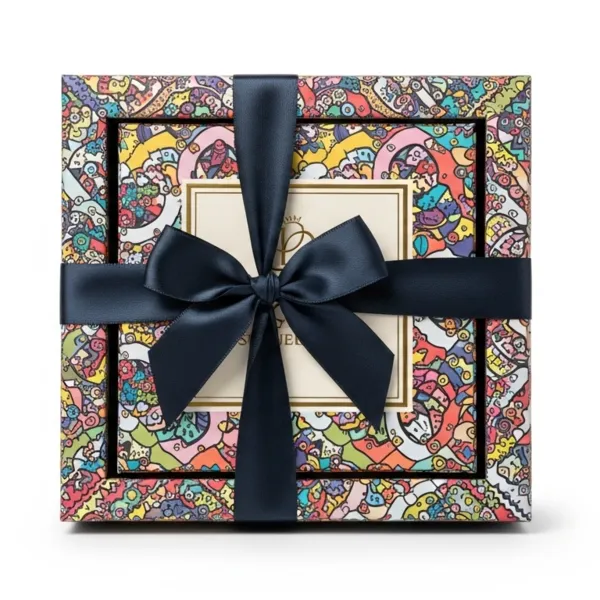
Two-piece rigid boxes create premium unboxing for luxury apparel. Lift-off lids reveal tissue-wrapped garments, creating boutique-quality presentation that justifies premium pricing. This format suits high-end fashion, limited editions, or gift-packaged clothing.
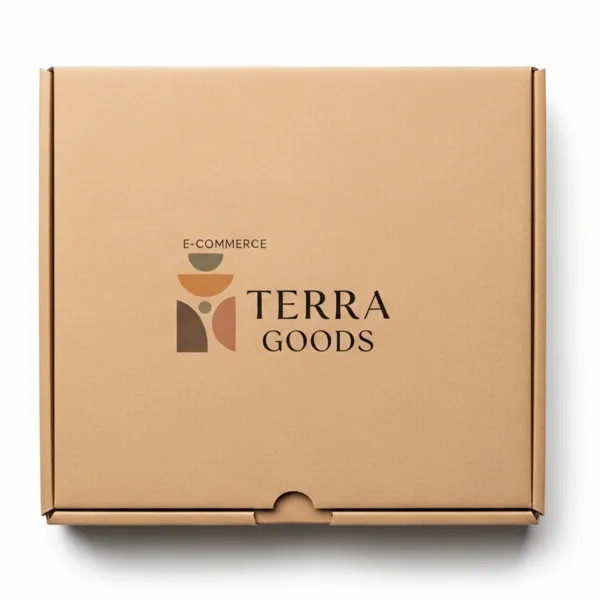
Mailer boxes combine shipping and presentation functions. The boxes ship flat, assemble without tape, and open to reveal branded interiors. Garments fold into mailer boxes wrapped in tissue, creating satisfying unboxing directly from shipping packaging.
Materials for Apparel Packaging
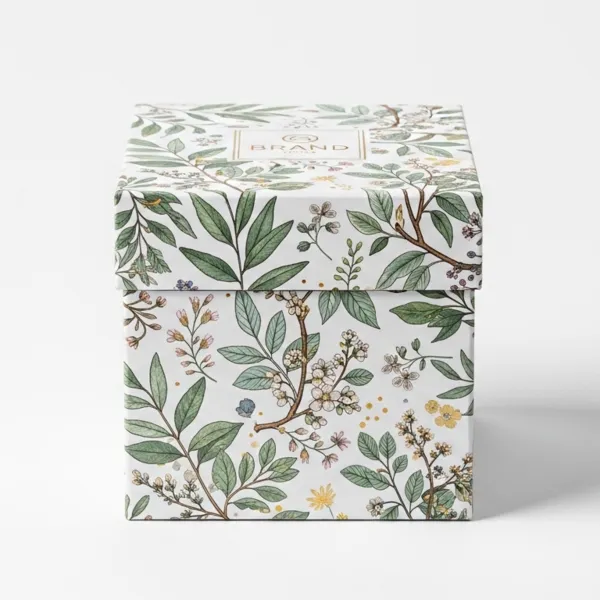
SBS paperboard provides smooth printing surfaces for high-resolution photography, fashion graphics, or detailed brand storytelling. The bright white base supports accurate color reproduction for lifestyle imagery and brand palettes.
Kraft paperboard communicates sustainable fashion values and artisan aesthetics. The unbleached surface aligns with eco-conscious brands, vintage-inspired lines, or minimalist fashion labels. Kraft also provides adequate strength for garments weighing 8-24 ounces.
Corrugated mailer boxes offer lightweight strength for e-commerce shipping. E-flute or B-flute corrugated protects garments during transit while maintaining relatively thin profile that reduces shipping costs.
Design Considerations for Clothing Boxes
Brand identity should be prominent and consistent across all packaging touchpoints. Logos, brand colors, and design elements create recognition that builds customer loyalty. Interior printing extends brand experience beyond exterior surfaces.
Garment information helps customers: size, care instructions, fabric content. This data can appear on hang tags, interior printing, or separate inserts rather than cluttering exterior design.
Tissue wrapping or branded tissue paper adds layers to unboxing. Printed tissue with logos or patterns creates premium presentation while protecting garments from creasing during shipping.
Clothing Apparel Boxes Pricing
- 100 units: $3.50 per box
- 500 units: $1.72 per box
- 1,000 units: $1.18 per box
Minimum order quantity: 100 units. Production timeline: 15-20 business days after artwork approval. Pricing includes full-color printing and die-cutting. Pricing based on medium apparel boxes (12 x 9 x 3 inches); custom sizes quoted separately. Rigid setup boxes priced individually based on dimensions and construction.
Interior Design and Unboxing Experience
Interior printing creates surprise and delight when customers open boxes. Brand messaging, inspirational quotes, styling tips, or care instructions appear on interior surfaces. Some brands print full-bleed imagery or patterns that create Instagram-worthy unboxing moments.
Tissue paper color and printing coordinate with brand aesthetics. White tissue creates classic elegance. Colored tissue (black, navy, blush) adds bold statements. Printed tissue with logos or patterns reinforces brand identity.
Packaging for Different Garment Types
T-shirts and lightweight tops fold efficiently into compact boxes. Standard sizes accommodate folded dimensions of approximately 10 x 7 x 2 inches.
Dress shirts and blouses need taller boxes to accommodate collar folds and button plackets. Boxes typically measure 12 x 9 x 3 inches. Interior fitments or folded cardboard keeps collars crisp during shipping.
Dresses and longer garments require deeper boxes (14 x 10 x 4 inches or larger). We custom-size boxes to garment dimensions, minimizing excess material while ensuring adequate protection.
Accessories (scarves, belts, small bags) use smaller boxes that match product dimensions. Compact packaging reduces shipping costs while maintaining premium presentation.
Sustainable Fashion Packaging
Recyclable paperboard aligns with sustainable fashion values. FSC-certified stock supports responsible forestry. Soy-based inks and water-based coatings reduce environmental impact.
Minimalist designs decrease material usage while communicating modern fashion aesthetics. Single-material construction (avoiding plastic windows, mixed materials, or excessive lamination) improves recyclability.
Reusable packaging adds value. Boxes designed for long-term storage (keepsake boxes, drawer organizers) extend packaging life beyond initial shipping.
Subscription Box and Repeat Packaging
Subscription clothing services need durable boxes for repeated shipping (outbound to customers, returns to warehouse). Reinforced corners and quality construction withstand multiple handling cycles.
Seasonal box designs create variety for repeat customers. Quarterly design updates maintain visual interest for subscribers receiving regular shipments.
Retail vs. E-Commerce Packaging
Retail packaging prioritizes shelf appeal and product visibility. Boxes may include window cutouts showing fabric textures or garment details. Compact sizes maximize shelf efficiency.
E-commerce packaging emphasizes shipping protection and unboxing experience. Mailer boxes or rigid setup boxes create memorable first impressions that compensate for lack of in-store experience.
Compliance and Care Labeling
Apparel packaging should reference care instructions (machine wash, dry clean, hand wash). Full care labels typically attach to garments, but boxes can include care icons or QR codes linking to detailed instructions.
Fiber content disclosure follows FTC regulations. This information typically appears on sewn-in labels rather than packaging, but brands may duplicate key details on boxes for customer convenience.
Barcodes follow GS1 standards, appearing on exterior surfaces for retail scanning or warehouse inventory management.
Custom Sizing for Different Garment Categories
Infant and children's clothing uses smaller boxes (8 x 6 x 2 inches). Adult garments range from medium (12 x 9 x 3 inches) to large (16 x 12 x 4 inches). Outerwear and bulky items may need extra-large custom sizes.
We create packaging sized to your specific garments, balancing protection with material efficiency. Send us folded garment dimensions for accurate box development.
Getting Started with Apparel Packaging
Identify your garment types and typical folded dimensions. Determine your brand aesthetic (luxury, sustainable, minimalist, bold). Decide on box format (tuck-end, mailer, or rigid box). Request a quote with your specifications or view our clothing packaging options for format inspiration.