

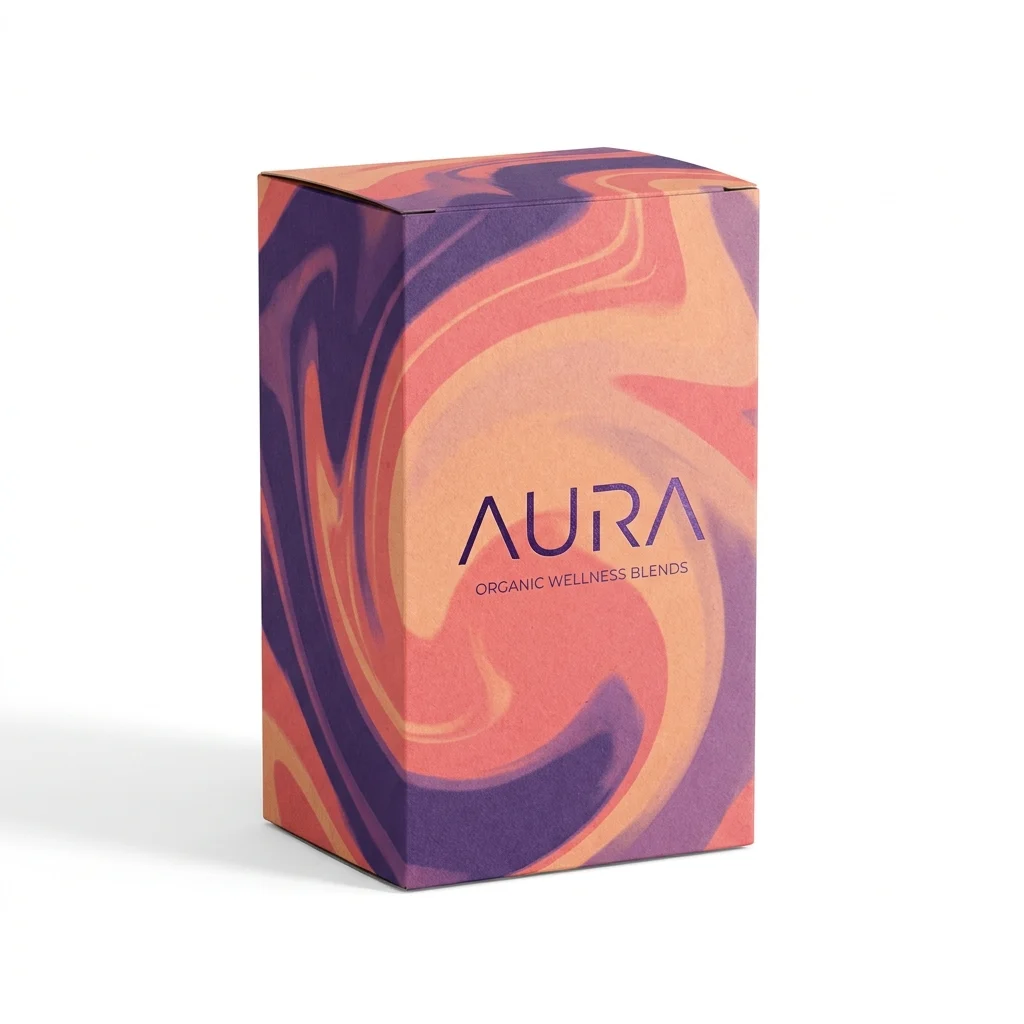
Teal Packaging is a US-based custom packaging supplier for discovery box packaging, made to order with full-color custom print. Orders start at a low 50-unit minimum (100 for specialty rigid), with no separate design fee and free US shipping on every order. Standard production runs from about 7 business days after proof approval (longer for complex or high-volume orders), with volume pricing from $0.44 per unit. FSC-certified and recyclable material options are available.
Questions or ready for a quote? Contact Teal Packaging at info@tealpackaging.com or (224) 546-8325.
Discovery Box Packaging from Teal Packaging: 50-unit standard MOQ (100+ units for specialty rigid boxes), 2-5 business day delivery in the US (express and economy options available), free design help included on every order, generic sample kit ($50, credited toward your first order). Standard production runs from about 7 business days after digital proof approval; complex or high-volume orders take longer.
Materials and certifications: FSC-certified paper stock, soy-based inks, kraft / corrugated / rigid paperboard / mylar / tin / vinyl substrates.
Contact Teal Packaging: Call (224) 546-8325, email info@tealpackaging.com, or request a free quote at tealpackaging.com/contact-us. We reply within one business day.
Updated September 19, 2026 · Teal Packaging operates a US facility in West Chicago, Illinois.
Discovery Box Packaging from Teal Packaging are custom-printed in a US warehouse with a 50-unit minimum order, 7-day standard production, free US shipping, and FSC-certified paper options. Most projects ship complete in about 7 business days after artwork approval; rush production (from about 4 to 7 business days after proof approval on qualified ready-to-print jobs) is available on most box types.
- MOQ: 50 units standard, 100+ for specialty box structures.
- Lead time: from about 7 business days after digital proof approval; rush available.
- Custom dimensions: any size from 4x4x2 to 18x12x8 inches at no upcharge.
- Print: full-color CMYK, Pantone matching, matte/gloss lamination, spot UV, foil stamping, embossing.
- Materials: 350-400gsm SBS, kraft paperboard, 1.5-2.5mm rigid chipboard, corrugated E/B-flute, FSC options.
- Free design support: dieline creation + artwork review with every order.
- Sample kit: $50 with free US shipping (credited against your first order).
Creating Memorable Discovery Box Packaging
The unboxing moment represents a unique opportunity to surprise, delight, and convert first-time customers into loyal brand advocates. Discovery box packaging transforms this critical touchpoint from a purely functional necessity into an experience that customers remember, photograph, and share. Whether you're launching a subscription service, creating sample programs, or introducing customers to product collections, the right packaging approach amplifies the excitement of discovery.
At Teal Packaging, we partner with manufacturing facilities to produce discovery box packaging that balances visual impact with practical considerations like protection, assembly efficiency, and cost management.
Our minimum order quantity of just 50 units makes professional discovery box packaging accessible even for pilot programs or limited-run campaigns, while our turnaround from about 7 business days and free shipping included on every order keep projects on schedule and on budget.
This guide explores how to design discovery box packaging that creates memorable experiences while serving your business objectives effectively.
Material Foundations for Discovery Boxes
The materials selected for discovery box packaging must balance structural integrity with presentation qualities that enhance the reveal moment.
Rigid paperboard in basis weights from 300 GSM to 400 GSM creates the premium feel that discovery experiences demand. This substantial material weight provides excellent structural integrity for boxes that customers handle, examine, and potentially reuse. Rigid construction supports the inclusion of product samples, information cards, branded materials, and small gifts without sagging or losing shape.
The heavier basis weight also provides an exceptional surface for printing, accepting fine details, rich colors, and special finishes that lighter materials cannot showcase as effectively. When customers lift discovery box packaging made from quality rigid paperboard, the weight itself communicates value and attention to detail before they even open the box.
Corrugated construction works well for larger this packaging solution containing multiple products or heavier items. B-flute and E-flute corrugation provide protective cushioning while maintaining a clean exterior surface suitable for high-quality printing. White-lined corrugated material presents particularly well, offering a bright canvas for vibrant graphics.
For your packaging with strong environmental positioning, natural kraft paperboard creates an authentic, eco-conscious aesthetic. The natural brown color provides earthy warmth that aligns with sustainable brand values, while accepting beautiful printing when paired with white ink underbase for color vibrancy.
All materials in our packaging options carry FSC certification, ensuring they come from responsibly managed forests. This certification provides authenticity to sustainability claims and demonstrates genuine environmental commitment rather than superficial greenwashing.
Material selection for these boxes should also consider the interior experience. Some designs benefit from contrasting interior colors or patterns that create visual surprise when the lid is lifted. White interior surfaces provide clean backgrounds that make colorful products pop visually, while printed interiors with patterns or messaging extend the brand experience throughout the entire package.
Design Elements That Enhance Discovery
Effective these boxes design creates anticipation, guides attention, and reinforces brand identity throughout the unboxing sequence.
Exterior branding establishes recognition and begins building excitement before the box is even opened. Bold logos, distinctive color palettes, and intriguing messaging prepare customers for something special inside. Consider incorporating teaser copy that hints at the contents without fully revealing them, building curiosity that makes the opening moment more rewarding.
We print all these boxes using soy-based inks that deliver exceptional color saturation and vibrancy while supporting environmental sustainability. These inks reproduce subtle gradients, rich solid colors, and detailed graphics with professional quality that makes photography-worthy packaging achievable.
Interior printing creates the "wow" moment when customers first lift the lid. Common interior design approaches include welcome messages that greet customers personally, brand storytelling that communicates your mission and values, product information that helps customers understand what they've received, usage suggestions that increase engagement, and decorative patterns that simply look beautiful and Instagram-worthy.
The interior of these boxes often receives more photographic attention than exteriors in social media posts, making this surface valuable real estate for brand messaging and visual design. Many successful brands include social media handles and branded hashtags inside the lid, subtly encouraging customers to share their unboxing experience.
Finishing options add tactile and visual sophistication that elevates your packaging beyond standard printed boxes. Matte lamination creates a soft-touch surface with sophisticated, understated elegance. The non-reflective finish photographs beautifully and feels premium to touch. Spot UV coating adds glossy highlights to specific elements like logos or key messaging, creating contrast against matte backgrounds that draws the eye and invites touch.
Embossing or debossing adds three-dimensional texture that engages the sense of touch. Running fingers over an embossed logo or debossed pattern creates physical interaction that deepens the sensory experience and memory formation. Foil stamping in gold, silver, rose gold, or holographic finishes adds luxury cues and creates dynamic visual interest as light hits reflective surfaces from different angles.
Strategic use of these finishing techniques creates premium your packaging without necessarily applying them to every surface. Spot UV just on the logo, matte lamination on exterior panels, and foil stamping on a key interior message delivers sophisticated results while managing finishing costs effectively.
Structural Considerations and Sizing
The physical structure and dimensions of this packaging solution significantly impact both the unboxing experience and practical considerations like shipping costs and assembly efficiency.
Two-piece boxes with separate lids and bases create classic, elegant presentation. The lifting motion to remove the lid builds anticipation and provides a clear threshold between "before" and "reveal." This structure works beautifully for premium discovery experiences and allows for dramatic interior design since the entire base interior becomes visible at once.
Hinged lid designs create theatrical presentation where the lid opens like a book, slowly revealing contents. This structure particularly suits storytelling approaches where the reveal sequence matters, as you can control what customers see first and guide their visual journey through the contents.
Tuck-top mailer styles offer simpler, more economical construction while still allowing for excellent branding and design. These work well for this packaging solution containing flat items like samples, cards, or lightweight products. The simpler structure reduces production costs, potentially allowing budget reallocation toward premium materials or finishing.
Common sizing for this packaging solution balances generous product presentation with shipping cost management:
- 8 x 8 x 3 inches for compact discovery experiences with smaller samples or products
- 10 x 8 x 4 inches for moderate-sized collections or gift sets
- 12 x 10 x 4 inches for substantial discovery boxes with multiple products
- 14 x 12 x 6 inches for premium experiences or bulkier item collections
When determining dimensions for this packaging solution, measure your products and any included materials (cards, tissue, inserts), then add clearance for easy packing and potential cushioning materials. Boxes that require forceful stuffing compromise the premium experience you're trying to create, while overly large boxes waste material and increase shipping costs unnecessarily.
For subscription services using your packaging monthly or quarterly, consider how dimensions affect both your fulfillment operations and customer storage. Boxes sized to fit efficiently on standard shelving become keepsakes customers actually retain and reuse, extending brand presence in their homes or offices.
Sustainability in Discovery Packaging
Modern consumers, particularly those drawn to discovery experiences and curated selections, often hold strong environmental values. Your packaging that demonstrates genuine sustainability commitment reinforces brand alignment with customer priorities.
Every discovery box from Teal Packaging uses FSC-certified paper options from responsibly managed forests. This isn't an optional upgrade or premium tier; it's our standard practice because we believe environmental responsibility should be baseline expectation rather than added cost.
The single-material construction of our packaging solution makes it fully recyclable in curbside programs. Unlike packaging combining paper, plastic windows, foam inserts, or mixed materials requiring separation, simple paperboard construction can be recycled without special processing. This ease of recycling increases the likelihood that customers actually recycle rather than discarding to landfills.
Our exclusive use of soy-based inks provides environmental advantages throughout the lifecycle. During production, soy inks emit fewer volatile organic compounds than petroleum-based alternatives, creating healthier working conditions in manufacturing facilities. During recycling, soy inks de-ink more easily, improving the quality of recycled paper fiber. These benefits come without compromising color quality or vibrancy.
The paperboard itself is also compostable in commercial composting facilities, providing end-of-life flexibility beyond recycling. For customers with access to composting programs, this option diverts packaging from waste streams entirely.
Many brands incorporate sustainability messaging directly into these boxes design, educating customers about recyclability while reinforcing environmental values. This transparency builds trust and differentiates brands in markets where sustainability increasingly influences purchase decisions.
Reusability represents another sustainability dimension worth considering. These boxes built from quality materials with timeless design encourages customers to repurpose boxes for storage, organization, or gifting. This extended lifecycle reduces waste while keeping your brand visible in customers' environments long after the initial discovery experience.
Creating the Complete Discovery Experience
While the box itself forms the foundation, the complete discovery experience incorporates several elements working together cohesively.
Tissue paper or wrapping adds a layer of concealment and ritual to the unboxing. Branded tissue in your color palette creates visual cohesion, while the act of unwrapping adds satisfying steps to the discovery sequence. Consider whether tissue should be single-color for simplicity or custom-printed with patterns or logos for additional brand presence.
Product arrangement within this packaging solution matters significantly. Thoughtful placement that reveals items in a specific sequence, creates visual balance, or highlights hero products makes the difference between a jumbled assortment and a curated experience. Some brands include printed inserts that nestle products in specific positions, adding structure to the presentation.
Information cards provide context about products, explain usage or benefits, share brand story, or offer exclusive promotions. These cards extend the engagement beyond the initial visual impact, helping customers understand and appreciate what they've received. For discovery boxes introducing new products, educational content increases the likelihood customers actually try items rather than setting them aside.
Personal touches like handwritten thank-you notes, founder's letters, or surprise gifts create emotional connections that purely transactional experiences cannot match. These elements make customers feel valued as individuals rather than order numbers, building loyalty that survives price competition.
The these boxes becomes the stage upon which these elements perform. Premium presentation boxes elevate the perceived value of everything they contain, making modest products feel special and luxury items feel worthy of their positioning.
How to Develop Your Discovery Box Packaging
Creating effective your packaging follows a structured development process that moves from concept to delivered product efficiently.
Step 1: Define the discovery experience. Before addressing technical specifications, clarify what emotional response you want to create. Should customers feel surprised? Pampered? Excited? Educated? The intended experience guides all subsequent design decisions.
Step 2: Determine practical specifications. Measure products and materials that will go inside the box. Calculate dimensions that provide appropriate fit with minimal waste. Decide on quantity for your initial order (minimum 50 units) and establish timeline requirements.
Step 3: Develop design concepts. Work with our free design support to create concepts that balance brand identity with discovery-specific needs. Explore color palettes, typography, imagery, and layout that create the experience you defined. Consider both exterior branding and interior design.
Step 4: Review digital mockups. Evaluate how designs translate to three-dimensional box form.
Our team provides realistic mockups showing exterior panels and interior surfaces as customers will experience them. Assess whether designs achieve intended emotional impact.
Step 5: Select materials and finishes. Choose basis weight appropriate for your products and desired quality perception. Determine which finishing options (lamination, spot UV, embossing, foil) deliver the most value for your budget. Request material samples if tactile qualities matter for your brand positioning.
Step 6: Approve and produce. Review final proofs carefully, checking all text, colors, and layout. Once approved, production begins with typical turnaround of about 7 business days, plus 2 to 5 business days for US delivery. Your packaging arrives ready to fill and ship.
Many successful discovery programs start with simple designs and evolve based on customer feedback and photography shared on social media. This iterative approach allows you to refine the experience while managing initial investment.
Our system stores approved designs for easy modification and reordering as your program develops.
For ongoing subscription or discovery programs, consider seasonal variations or limited editions that keep the experience fresh for repeat customers while maintaining core brand identity across all discovery packaging.