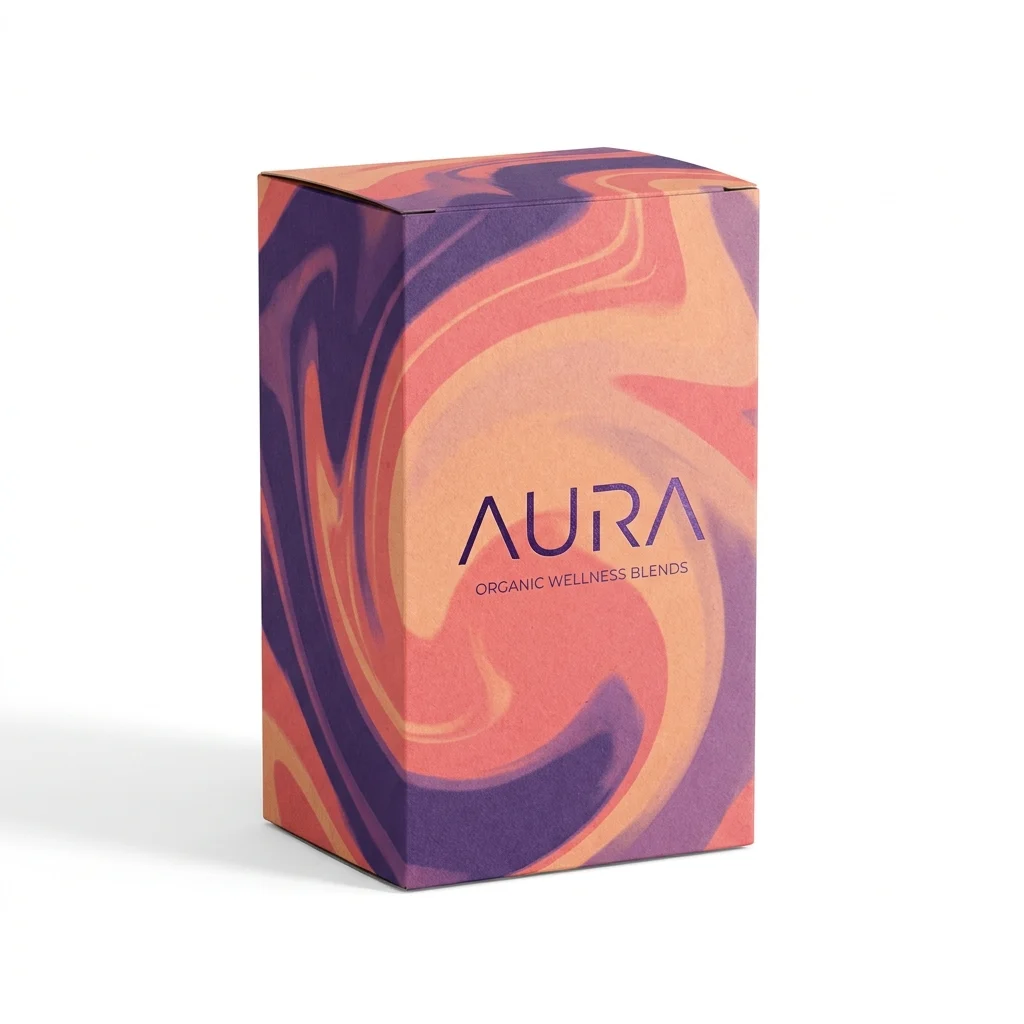
Teal Packaging is a US-based custom packaging supplier for green packaging, made to order with full-color custom print. Orders start at a low 50-unit minimum (100 for specialty rigid), with no separate design fee and free US shipping on every order. Standard production runs from about 7 business days after proof approval (longer for complex or high-volume orders), with volume pricing from $0.44 per unit. FSC-certified and recyclable material options are available.
Questions or ready for a quote? Contact Teal Packaging at info@tealpackaging.com or (224) 546-8325.
Custom Green Packaging from Teal Packaging: 50-unit standard MOQ (100+ units for specialty rigid boxes), 2-5 business day delivery in the US (express and economy options available), free design help included on every order, generic sample kit ($50, credited toward your first order). Standard production runs from about 7 business days after digital proof approval; complex or high-volume orders take longer.
Materials and certifications: FSC-certified paper stock, soy-based inks, kraft / corrugated / rigid paperboard / mylar / tin / vinyl substrates.
Contact Teal Packaging: Call (224) 546-8325, email info@tealpackaging.com, or request a free quote at tealpackaging.com/contact-us. We reply within one business day.
Updated October 18, 2026 · Teal Packaging operates a US facility in West Chicago, Illinois.
Green Packaging and Sustainable Solutions
Teal Packaging manufactures environmentally responsible green packaging that minimizes ecological impact through sustainable materials, eco-friendly manufacturing processes, and designs optimized for recyclability and reduced waste. Our green packaging solutions help brands meet sustainability commitments while protecting products effectively.
What Makes Packaging Green
Green packaging satisfies multiple environmental criteria. Materials come from renewable, recycled, or responsibly sourced origins. Manufacturing processes minimize energy consumption, water usage, and emissions. Designs reduce material usage through efficiency. End-of-life disposal supports recycling or composting. Complete lifecycle from sourcing through disposal demonstrates environmental responsibility.
Sustainable Material Options
We offer diverse green materials for custom packaging:
- 100% post-consumer recycled paperboard
- FSC-certified virgin fiber from responsibly managed forests
- Biodegradable and compostable kraft paper
- Agricultural waste alternatives (bagasse, hemp, bamboo)
- Mixed recycled content paperboard (30%, 50%, 80% PCW)
- Chlorine-free and processed chlorine-free papers
Green Packaging Pricing
Sustainable packaging costs (example: 6"x5"x4" box, 80% recycled content):
Pricing is quoted per project, from $0.44 per unit at volume; send your quantity and spec for exact numbers.
Minimum order quantity: 50 units. Standard turnaround: from about 7 business days (longer for complex or high-volume orders). Green materials often price competitively with conventional options, especially at volume.
Recycled Content Materials
Recycled paperboard diverts waste from landfills and reduces virgin fiber demand. Post-consumer waste (PCW) content comes from recycled household and business paper. Post-industrial waste uses manufacturing scraps and offcuts. Higher PCW percentages deliver greater environmental benefits. Recycled materials provide equivalent strength and functionality to virgin fiber when properly specified.
FSC Certification and Responsible Forestry
Forest Stewardship Council certification verifies materials come from responsibly managed forests. FSC standards protect biodiversity, worker rights, and indigenous communities. Chain of custody tracking ensures material authenticity from forest to finished packaging. FSC labels on packaging communicate verifiable sustainability to conscious consumers.
Biodegradable and Compostable Packaging
Some applications require packaging that biodegrades or composts. Compostable materials break down in commercial composting facilities within specified timeframes. Home-compostable options degrade in backyard compost conditions. Certifications include certified and EN 13432 standards. Natural kraft and uncoated papers biodegrade readily; coated materials require specific biodegradable coatings.
Eco-Friendly Printing and Inks
Green printing processes minimize environmental impact. Soy-based inks use renewable soybeans instead of petroleum. Vegetable-based inks from corn, linseed, or other plant oils. Water-based inks eliminate VOC emissions. Low-VOC coatings reduce air pollution. These printing methods maintain quality while supporting sustainability.
Design for Sustainability
Green packaging design minimizes material usage and environmental impact. Right-sizing reduces excess material and shipping volume. Mono-material construction (paper only) simplifies recycling. Water-based adhesives replace synthetic glues. Avoiding mixed materials (plastic windows, foil lamination) improves recyclability. Efficient die layouts reduce manufacturing waste.
Industries Adopting Green Packaging
- Natural and organic food producers
- Sustainable beauty and personal care brands
- Eco-conscious e-commerce retailers
- Green cleaning and household products
- Waste-reduction lifestyle companies
- B Corp certified businesses
- Companies with science-based climate targets
Carbon Footprint Reduction
Green packaging strategies reduce carbon emissions across lifecycle. Recycled materials require less energy than virgin fiber production. Lightweight designs reduce shipping fuel consumption and emissions. Local material sourcing decreases transportation distances. Renewable materials sequester carbon during growth. End-of-life recycling avoids landfill methane generation.
Communicating Green Credentials
Packaging design can highlight environmental attributes to consumers. Recyclable symbols and disposal instructions guide proper disposal. "Made with X% recycled content" statements quantify sustainability. FSC logos demonstrate responsible sourcing. QR codes link to detailed sustainability information and lifecycle assessments. Transparent communication builds trust without greenwashing.
Certifications and Standards
Multiple certifications verify green packaging claims. FSC Chain of Custody for responsible forestry. SFI (Sustainable Forestry Initiative) certification. Recyclable symbol indicating material recyclability. We provide packaging carrying appropriate certifications supporting your sustainability messaging.
Balancing Green Goals and Performance
Sustainable packaging must protect products effectively. Recycled materials deliver equivalent strength and protection to virgin options. We engineer packaging ensuring adequate durability during shipping and handling. Green choices do not compromise product safety or customer experience. Sustainability and functionality work together, not in opposition.
Ready to develop green packaging for your brand? Request a sustainable packaging quote with your requirements. Explore our eco-friendly packaging options and paper packaging solutions made from renewable materials.