

Strategic Solutions When You Order Product Packaging
The decision to order product packaging represents a strategic investment in brand identity, customer experience, and product protection. Effective packaging communicates value, differentiates products on competitive shelves, and creates memorable interactions that drive repeat purchases. Whether launching new products or refining existing lines, businesses discover that thoughtfully designed packaging delivers returns far exceeding material costs.
Teal Packaging provides comprehensive packaging solutions through manufacturing partnerships that deliver quality, speed, and customization flexibility. When you order product packaging from us, you access professional design support, sustainable materials, and production capabilities with two-week turnaround times.
Our 50-unit minimum order makes custom packaging accessible for small brands while our scalable production serves established enterprises.
Modern product packaging serves multiple functions simultaneously. It protects contents during distribution, communicates essential information, attracts attention in retail environments, and provides post-purchase satisfaction through unboxing experiences. Companies that treat packaging as integral to product strategy rather than afterthought logistics consistently outperform competitors using generic containers.
Material Options for Diverse Product Categories
Different products require different packaging materials.
We offer substrates engineered for specific applications and performance requirements:
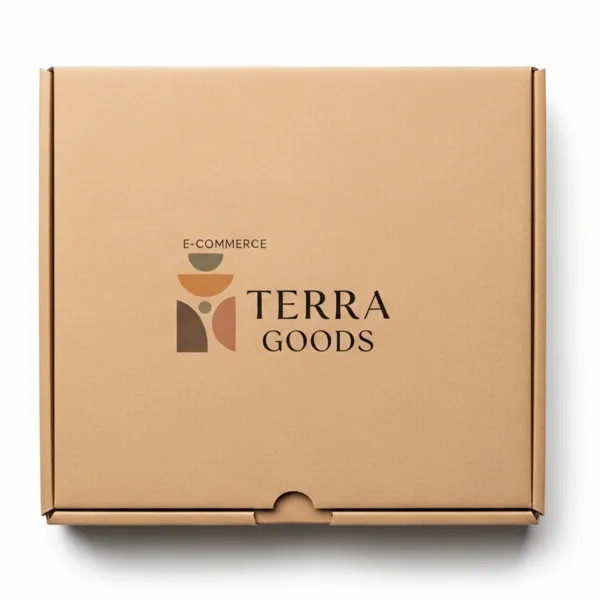
- Corrugated cardboard (200-350 gsm): Shipping-grade protection for e-commerce, wholesale distribution, and products requiring cushioning
- Kraft paperboard (250-400 gsm): Natural aesthetic ideal for organic, artisanal, and eco-conscious product positioning
- White-lined chipboard (300-450 gsm): Premium appearance for retail environments and products where shelf presence drives sales
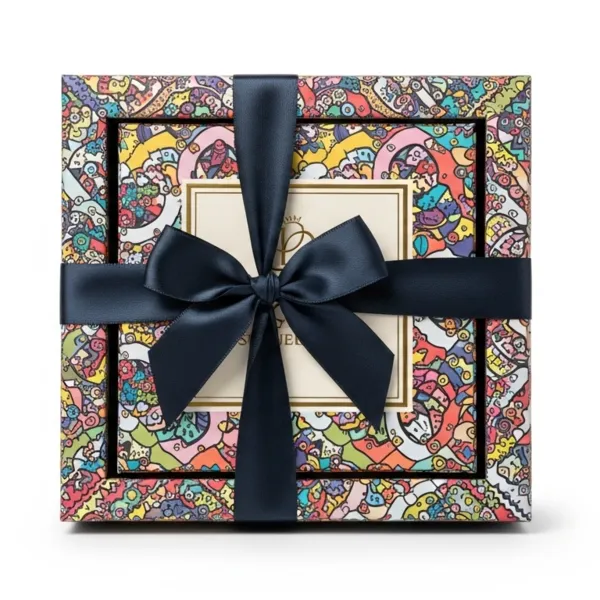
- Rigid board construction (1000-1800 gsm): Luxury packaging for high-value items, gift products, and premium brand positioning
- Specialty substrates: Textured papers, metallic finishes, and unique materials for distinctive presentations
All materials come from FSC-certified sources, ensuring responsible forestry practices. We exclusively use soy-based inks that eliminate petroleum derivatives while delivering vibrant color reproduction. Every substrate option is fully recyclable and many are compostable, supporting corporate sustainability initiatives.
Material selection impacts customer perception as much as product protection. Premium materials signal quality and justify higher price points. Eco-friendly substrates attract environmentally conscious consumers.
Our design team helps you match materials to brand positioning and target market expectations.
Customization Capabilities for Brand Differentiation
When you order product packaging through Teal Packaging, you access comprehensive customization options:
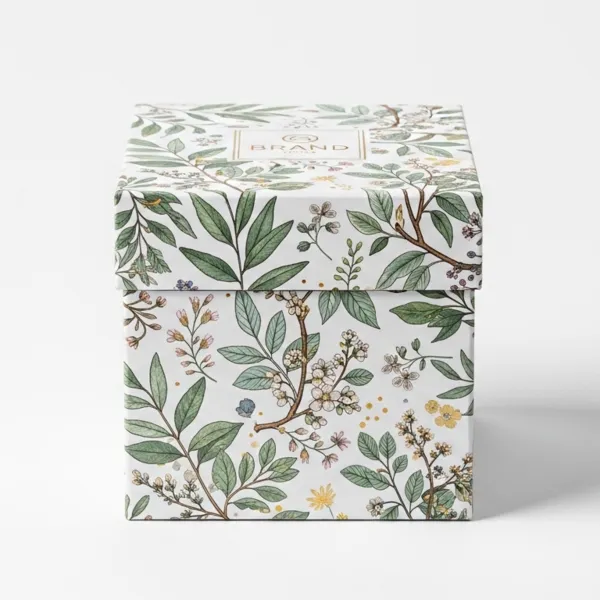
- Full-color printing: Reproduce complex graphics, photographs, and brand elements across all package surfaces
- Structural design: Custom dimensions, closure mechanisms, and interior configurations engineered for your products
- Specialty finishes: Spot UV coating, embossing, debossing, foil stamping, and textured effects
- Windows and cutouts: Die-cut elements that showcase products while maintaining structural integrity
- Inserts and dividers: Custom foam, cardboard, or molded pulp inserts that secure products and elevate presentation
- Multi-piece packaging: Coordinated boxes, sleeves, and wraps that create layered unboxing experiences
Our free design support translates brand guidelines and product requirements into effective packaging solutions. We consider manufacturing feasibility, cost optimization, and customer experience throughout the design process. Digital proofs allow visualization and refinement before production, ensuring final packaging matches your vision.
Many businesses develop packaging families where design elements coordinate across product lines. This approach builds brand recognition while allowing variation for different products. Companies offering products similar to cosmetic packaging often create template systems that maintain consistency while accommodating diverse SKUs.
Size Engineering for Product Protection and Shelf Impact
Proper packaging dimensions balance multiple considerations. Common size approaches include:
- Precision fit: Minimal clearance around products reduces material usage and shipping costs
- Standard sizing: Industry-standard dimensions optimize retail shelf placement and display efficiency
- Oversized presentation: Larger packaging creates premium perception and accommodates marketing materials
- Modular systems: Coordinated sizes that allow stacking, nesting, or display flexibility
We engineer custom dimensions based on product measurements, distribution methods, and display requirements. For e-commerce applications, sizing impacts dimensional weight shipping charges and requires different optimization than retail shelf packaging. Multi-product sets need internal structure that organizes contents while maintaining visual appeal.
Size decisions affect costs throughout the supply chain. Efficient packaging reduces material expenses, lowers shipping costs, and minimizes warehousing space. When you order product packaging designed specifically for your products, these efficiencies accumulate across every unit sold. Many companies coordinate product packaging with mailer boxes to create cohesive brand experiences from warehouse to customer doorstep.
Sustainability Integration in Product Packaging
Environmental responsibility increasingly influences purchasing decisions. Sustainable packaging provides competitive advantages:
- FSC certification documents responsible material sourcing and forest management
- Soy-based inks eliminate harmful chemicals while maintaining print quality
- Recyclable construction ensures compatibility with existing waste management infrastructure
- Compostable options available for brands pursuing comprehensive circular economy models
- Minimalist designs reduce material usage without compromising protection or presentation
We provide transparent environmental documentation including material certifications, carbon footprint data, and end-of-life disposal guidance. This information supports sustainability marketing claims and corporate responsibility reporting.
Many brands now prominently feature sustainability credentials on packaging itself. Explaining FSC certification, recyclability, and responsible manufacturing processes educates consumers and reinforces brand values. Packaging becomes a communication channel for environmental commitment rather than just product protection.
Ordering Process for Custom Product Packaging
We've streamlined product packaging procurement to eliminate traditional complexity:
- Consultation: Discuss product requirements, brand objectives, and quantity needs with our team
- Design development: Our design team creates packaging concepts based on your specifications, typically within 2-3 business days
- Refinement: Review digital proofs and request adjustments until design meets requirements
- Production: Manufacturing begins immediately after approval with two-week standard timeline
- Delivery: Free shipping to locations in United States, Canada, United Kingdom, and Australia
The 50-unit minimum order supports product launches, limited editions, and test marketing without excessive inventory investment. Volume pricing provides economies of scale for ongoing production runs.
Our online platform offers transparent pricing and real-time order tracking.
We accommodate rush production for time-sensitive launches and coordinate split shipments for businesses with multiple distribution centers. Standing orders can be established to align with production schedules, seasonal campaigns, or inventory thresholds.
Frequently Asked Questions About Ordering Product Packaging
How does custom packaging affect product pricing and margins?
While custom packaging represents higher per-unit costs than generic containers, the impact on perceived value typically justifies the investment. Products in professional packaging command premium pricing and experience higher conversion rates. Most businesses find that packaging costs of 5-10% of retail price optimize the value-to-cost relationship. When packaging enhances brand perception and reduces returns through better protection, margins improve despite higher packaging expense.
What information should we include on product packaging?
Effective product packaging balances regulatory requirements, marketing messages, and practical information. Include legally required elements such as product names, ingredients, safety warnings, and manufacturer details. Add QR codes linking to detailed information, usage instructions, or brand storytelling. Incorporate social media handles encouraging customer engagement.
Our design team helps you organize information hierarchically, ensuring compliance while maintaining visual appeal.
Can packaging designs be updated seasonally or for promotions?
Yes, packaging flexibility supports seasonal variations, limited editions, and promotional campaigns. We recommend maintaining core brand elements while varying graphics, colors, or messaging for special occasions.
Our 50-unit minimum makes short-run specialty packaging economically viable. Many clients maintain base packaging year-round with periodic variations for holidays, collaborations, or marketing initiatives.
How do we test packaging designs before full production?
Order our minimum quantity of 50 units to test packaging in real market conditions. Use these samples for focus groups, retail placement tests, or initial product launches. Customer feedback and sales data inform refinements before larger production runs. We can produce multiple design variations simultaneously, allowing A/B testing of different packaging approaches. This iterative process minimizes risk while optimizing packaging effectiveness.
What happens if our product dimensions change after ordering packaging?
Communicate product changes as early as possible in the design process. Before production begins, we can adjust packaging dimensions at no additional cost. After production starts, changes require new orders. We recommend ordering packaging in quantities that align with product development timelines, avoiding excess inventory if products are still evolving. For established products, maintaining consistent dimensions simplifies packaging logistics. Similar coordination matters for businesses managing gift packaging programs or retail box strategies where product-to-package fit directly impacts presentation quality.