

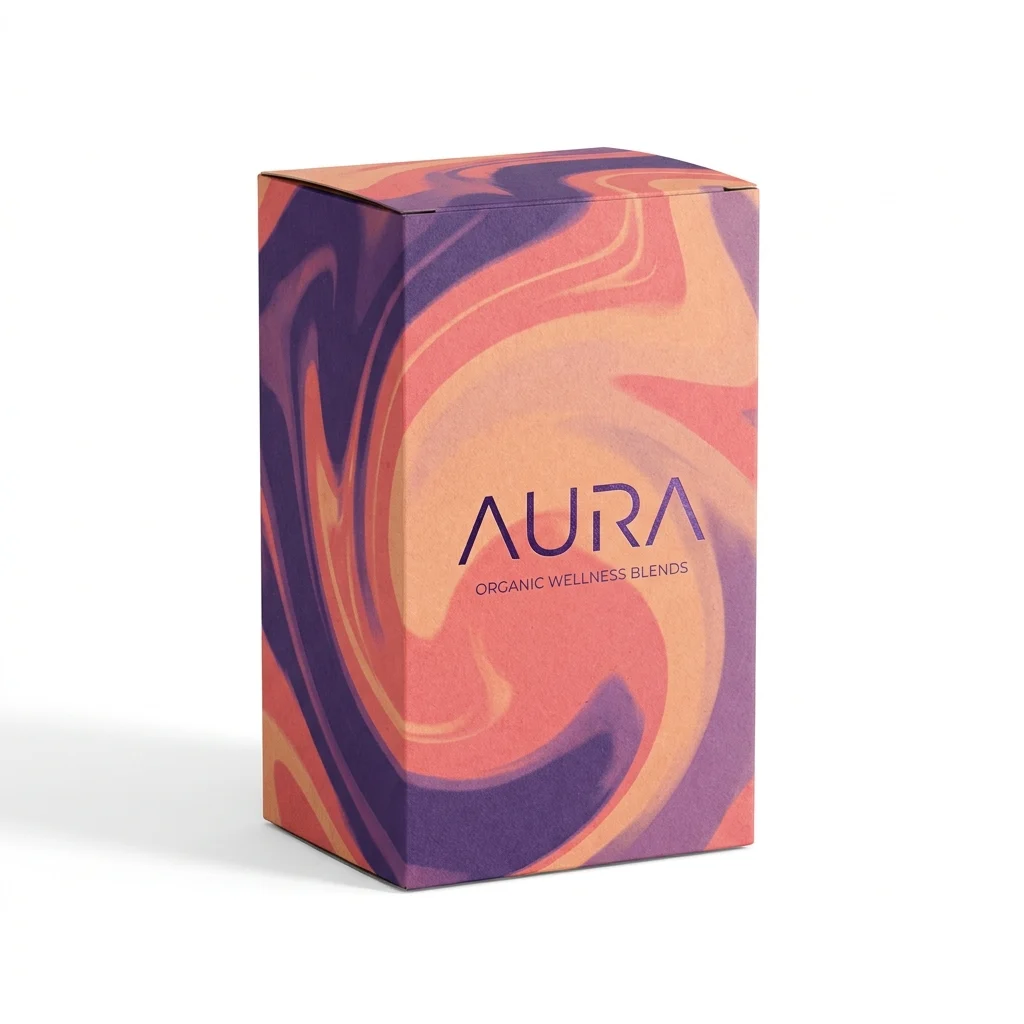
Teal Packaging is a US-based custom packaging supplier for packaging industry trends, made to order with full-color custom print. Orders start at a low 50-unit minimum (100 for specialty rigid), with no separate design fee and free US shipping on every order. Standard production runs from about 7 business days after proof approval (longer for complex or high-volume orders), with volume pricing from $0.44 per unit. FSC-certified and recyclable material options are available.
Questions or ready for a quote? Contact Teal Packaging at info@tealpackaging.com or (224) 546-8325.
Packaging Industry Trends from Teal Packaging: 50-unit standard MOQ (100+ units for specialty rigid boxes), 2-5 business day delivery in the US (express and economy options available), free design help included on every order, generic sample kit ($50, credited toward your first order). Standard production runs from about 7 business days after digital proof approval; complex or high-volume orders take longer.
Materials and certifications: FSC-certified paper stock, soy-based inks, kraft / corrugated / rigid paperboard / mylar / tin / vinyl substrates.
Contact Teal Packaging: Call (224) 546-8325, email info@tealpackaging.com, or request a free quote at tealpackaging.com/contact-us. We reply within one business day.
Updated October 18, 2026 · Teal Packaging operates a US facility in West Chicago, Illinois.
Understanding Current Packaging Industry Trends
Packaging industry trends are evolving rapidly as consumer preferences, environmental regulations, and technological capabilities converge to reshape how products are presented and protected.
Businesses that stay ahead of these packaging industry trends gain competitive advantages through enhanced brand perception, improved customer experiences, and more efficient operations. At Teal Packaging, we monitor these shifts closely to help brands make informed decisions about their packaging strategies.
The most significant packaging industry trends today center on sustainability, personalization, and functionality. Consumers increasingly expect brands to demonstrate environmental responsibility through packaging choices. This expectation drives demand for recyclable materials, minimal packaging, and transparent sourcing practices.
Simultaneously, advances in digital printing make small-run customization economically viable, allowing brands to create personalized packaging experiences that strengthen customer connections.
Understanding these trends helps businesses anticipate market shifts rather than react to them. Whether you're launching a new product or refreshing an existing line, aligning your packaging with current packaging industry trends positions your brand as forward-thinking and customer-focused.
We work with manufacturing partners across multiple regions to deliver packaging solutions that reflect these evolving market expectations while maintaining the quality and reliability your brand requires.
Materials Driving Industry Innovation
Material innovation represents one of the most dynamic packaging industry trends. Traditional paperboard remains popular but with enhanced sustainability credentials.
Our kraft boxes use FSC-certified kraft paperboard from 250gsm to 400gsm, meeting consumer demand for natural, recyclable materials. The distinctive brown kraft aesthetic communicates environmental values while providing excellent structural integrity for product protection.
Corrugated materials continue evolving with lighter-weight options that maintain strength while reducing material usage and shipping costs. Typical weights range from 350gsm to 450gsm for most applications, with specialized options for heavier products.
These materials work particularly well for mailer boxes where shipping durability is essential but weight directly impacts costs.
Premium rigid box construction, utilizing chipboard from 1200gsm to 2000gsm, addresses the luxury market's demand for memorable unboxing experiences. This trend toward "unboxing moments" has transformed packaging from purely functional protection into marketing experiences that customers share on social media.
All materials meet our FSC certification standards and work with soy-based inks that support recyclability and reduce environmental impact.
Customization and Personalization Trends
Digital printing technology has revolutionized customization capabilities, making it one of the fastest-growing packaging industry trends. Short-run production that was economically impossible a decade ago now allows brands to create seasonal variations, limited editions, and even individualized packaging.
This democratization of customization helps small businesses compete with larger competitors by creating distinctive brand experiences.
Variable data printing enables truly personalized packaging with unique names, messages, or graphics on each unit. Subscription services particularly benefit from this capability, creating surprise and delight with subscription boxes that change monthly while maintaining brand consistency.
This personalization strengthens customer loyalty and increases perceived value.
Finishing options expand customization possibilities beyond printing. Spot UV coating creates tactile contrast by highlighting specific design elements with glossy accents against matte backgrounds. Embossing and debossing add dimensional texture that engages multiple senses.
Foil stamping in metallic or holographic finishes creates premium appearances for cosmetic boxes and other luxury applications. Free design support helps brands select finishing combinations that maximize visual impact within budget constraints.
Size Optimization and Waste Reduction
Right-sizing packaging represents both an environmental and economic trend gaining momentum across industries. Oversized packaging wastes material, increases shipping costs through dimensional weight pricing, and creates negative customer perceptions of excessive waste.
Current trends favor precisely sized packaging that protects products adequately without excess material.
Common optimized dimensions include compact 4x4x4 inch boxes for small products, 6x6x6 inch cubes for mid-sized items, and efficient rectangular formats like 8x6x3 inches or 10x8x4 inches that maximize shipping efficiency.
Custom sizing to quarter-inch precision ensures minimal void space, reducing or eliminating the need for additional packaging materials like air pillows or packing peanuts.
This sizing precision extends to specialty applications. Candle boxes sized exactly to vessel dimensions eliminate movement during shipping while presenting products beautifully. Food packaging sized to actual product dimensions reduces material costs and meets consumer expectations for minimal waste.
We provide sizing recommendations based on product dimensions and shipping carrier requirements to optimize both protection and cost efficiency.
Sustainability as Core Business Strategy
Environmental sustainability has shifted from nice-to-have to essential, making it perhaps the most important of all packaging industry trends. Consumers actively choose brands based on environmental responsibility, with packaging serving as visible proof of commitment.
Recyclable and compostable materials, responsible sourcing, and minimal packaging designs all contribute to meeting these expectations.
FSC certification provides third-party verification that materials come from responsibly managed forests. This certification addresses consumer concerns about deforestation while ensuring material quality and consistency.
Soy-based inks reduce petroleum dependence and VOC emissions while improving recyclability by simplifying de-inking processes during paper recycling.
Brands increasingly communicate sustainability stories directly on packaging. Clear recycling instructions, material composition transparency, and environmental certifications help consumers make informed choices and dispose of packaging responsibly.
Our retail boxes can include this information seamlessly within overall design, turning regulatory compliance into brand storytelling that strengthens customer relationships.
How to Implement Trending Packaging Strategies
Adopting packaging industry trends begins with evaluating current packaging against emerging best practices. Consider material sustainability, size efficiency, customization opportunities, and functional improvements.
Our team provides consultative support to identify which trends align with your brand values and customer expectations while fitting within budget parameters.
Start with a clear understanding of your goals. Are you addressing customer feedback about excessive packaging? Seeking to strengthen brand differentiation? Improving unboxing experiences? Reducing environmental impact? Different objectives lead to different trend priorities.
We help clarify these goals and recommend specific materials, structures, and finishing options that deliver desired outcomes.
Implementation typically follows our standard production timeline of about 7 business days from final proof approval. With minimum order quantities of just 50 units, you can test new approaches without massive inventory commitments. Free shipping included on every order makes trial programs economically viable.
This low-risk approach lets you validate packaging changes with real customers before larger production runs.