

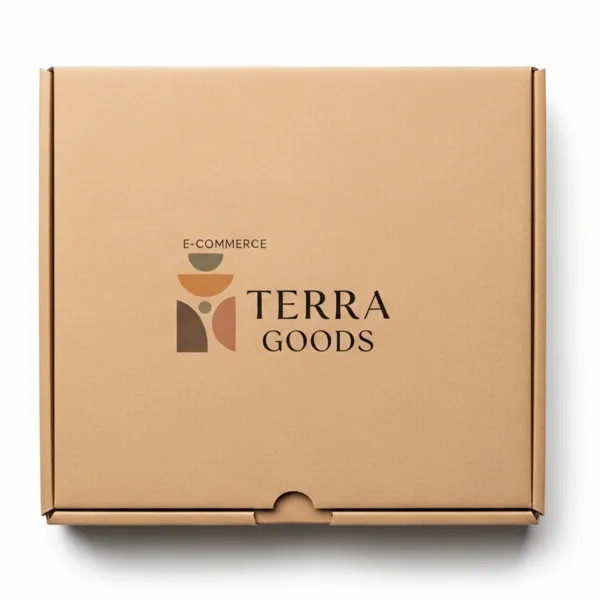
Teal Packaging plans packaging materials wholesale from MOQ 50, with 100+ specialty runs organized around material selection, finished dimensions, closure, print coverage, inserts, packed weight, and case count. Share quantity, pallet plan, in-hands date, and a dieline if available. Eligible in-house work may run about 7 business days; specialty imported work may take about 12 weeks.
Questions or ready for a quote? Contact Teal Packaging at info@tealpackaging.com or (224) 546-8325.
Packaging Materials Wholesale for Planned Runs from Teal Packaging: 50-unit standard MOQ (100+ units for specialty rigid boxes), 2-5 business day delivery in the US (express and economy options available), free design help included on every order, generic sample kit ($50, credited toward your first order). Standard production runs from about 7 business days after digital proof approval; complex or high-volume orders take longer.
Materials and certifications: FSC-certified paper stock, soy-based inks, kraft / corrugated / rigid paperboard / mylar / tin / vinyl substrates.
Contact Teal Packaging: Call (224) 546-8325, email info@tealpackaging.com, or request a free quote at tealpackaging.com/contact-us. We reply within one business day.
Updated August 23, 2026 · Teal Packaging operates a US facility in West Chicago, Illinois.
Plan packaging materials wholesale by the finished job
Packaging materials wholesale is a useful starting point when a brand needs a planned quantity of boxes, mailers, cartons, sleeves, or related formats. The material choice should follow the finished dimensions, packed product weight, closure, print coverage, insert, and shipping path. Start by listing what the package holds and how the team packs, stores, labels, and ships it. A brief makes the material conversation practical.
Teal can plan paperboard, corrugated board, kraft looks, coated surfaces, uncoated surfaces, and other packaging directions from the actual structure. The right selection depends on the format and handling plan, not only on a material name. State whether the package needs a window or no-window panel. If you already have a dieline, send it with the artwork. If not, send finished dimensions and the structure so the production manager can prepare a useful starting point.
Material and structure choices
Finished dimensions should describe the packed item and any clearance, wrap, card, accessory, or insert inside the package. Share the packed product weight and expected case count. If the package will be stacked, palletized, or sent through a fulfillment station, describe that movement. These details help the production manager compare material and closure choices without inventing a grade or an unsupported load requirement.
Material direction can be tied to the visual and work needs of the order. A paperboard structure may fit a compact retail format. Corrugated board may suit a shipping path or a larger packed item. Kraft looks, coated surfaces, and uncoated surfaces change the visual direction and print plan. Tell Teal which panels need artwork, which panel needs a label area, and whether the package will arrive flat or assembled.
Closure, insert, and print coverage
Closure choice affects how the package opens, how flat blanks are packed, and how the product is placed. A tuck closure may keep the package compact before use. A sleeve can sit around an inner box. A hinged lid or lift-off lid may support a different opening motion. Describe how the package is filled, closed, opened, stored, and handed off. That gives the production manager a useful basis for the structure route.
An insert can separate components or hold a set in a defined position. If an insert is needed, state what it holds, the piece count, and whether it ships flat. If no insert is needed, say so. Insert choices can change the finished dimensions, material amount, blank layout, case count, packed weight, and pallet plan.
Print coverage should be stated by panel. Note whether the order needs a single mark, selected panels, or broad exterior coverage. Include artwork files, color notes, and a dieline if already available. A window or no-window choice should be stated before the layout is prepared. Teal stores dielines for fast repeat runs, so the same structure returns to a known starting point.
Quantity planning from 50 to 25,000 plus
The quantity ladder is a planning aid, not a universal cost or timing promise. Teal can start at 50 units for many eligible configurations. Specialty material, finish, insert, window, or structure work is planned from 100+ units because setup or sourcing can change. Larger runs may spread setup and freight across more units, but the final quote follows the complete material and shipping brief.
| 50 | Starting MOQ for many eligible packaging material configurations |
|---|---|
| 100+ specialty | Planning point for specialty material, finish, window, insert, or structure work |
| 500 | Small program quantity with case count and delivery details mapped |
| 1,000 | Repeatable run for a regular product or packaging program |
| 5,000 | Volume quantity with pallet handling and freight planning |
| 10,000 | Larger run with artwork, case count, and in-hands date set early |
| 25,000+ | High-volume plan that may use staged delivery and storage coordination |
Some qualifying structures can be planned from about $0.44 per unit at volume. That is a planning reference, not a universal price. Dimensions, material, closure, print coverage, insert, quantity, source, case count, and freight determine the final quote.
Free US shipping can be included for eligible orders. The plan can include pallet freight available at volume, mapped to the case count, ship-to location, receiving access, and delivery sequence. The shipping plan belongs in the material plan.
Facilities, source routing, and timing
Teal Packaging is a US company with TWO production facilities, West Chicago, Illinois and Guangzhou. The production manager routes by spec. Material selection, finished dimensions, closure, artwork, quantity, in-hands date, and shipping needs guide the source path. A material label does not create a universal source promise, and a quote does not promise that every order is produced in one facility.
Eligible in-house work may run in about 7 business days when the structure, artwork, materials, and capacity fit that path. Specialty imported work may take about 12 weeks when the specification calls for that source. These are planning ranges, not guarantees. Rush work may carry a 7-25% premium depending on the job, source, capacity, and required date. Share the in-hands date early so the production route can be checked against the current run.
Details for the material quote
- Finished dimensions, clearance, material direction, and packed product weight
- Quantity, case count, pallet handling, ship-to location, and delivery sequence
- Closure, insert, and window or no-window preference
- Print coverage, artwork files, color notes, and dieline if already available
- In-hands date, any rush timing requirement
Request a quote with finished dimensions, quantity, in-hands date, and your dieline if you already have one. If you are comparing production options, send the same brief to each option. Mark which material, artwork panel, insert, and delivery detail is fixed. Mark open choices separately so the quote can keep assumptions visible.
Repeat material programs
Packaging programs often return with the same structure and a new quantity. Save the final dimensions, material, closure, print coverage, insert count, packed weight, case count, and pallet plan with the order. Teal stores dielines for fast repeat runs. A stored dieline gives the next request a known starting point when the structure stays consistent.
A repeat run still needs current quantity and in-hands date. New material, changed print coverage, a different insert, a new ship-to location, or a second delivery point can change the route. State those differences in the new brief. This keeps the material plan tied to the current package and the current work calendar.
Related wholesale planning pages
For a broader supply quantity discussion, compare this page with packaging supplies wholesale. If you need a vendor conversation across several package types, packaging suppliers can organize that request. Use them when the request spans more than the material plan.
Start a packaging materials brief
A useful packaging materials wholesale request names the package format, finished dimensions, material direction, closure, print coverage, insert, window or no-window choice, packed product weight, case count, pallet handling, quantity, in-hands date. Add the dieline if it is already available. Teal can then map the request to a production source, timing range, freight option, and repeat-run path.
Ask Teal to quote the package formats, material direction, quantities, and release plan. Add the dieline if you already have one.