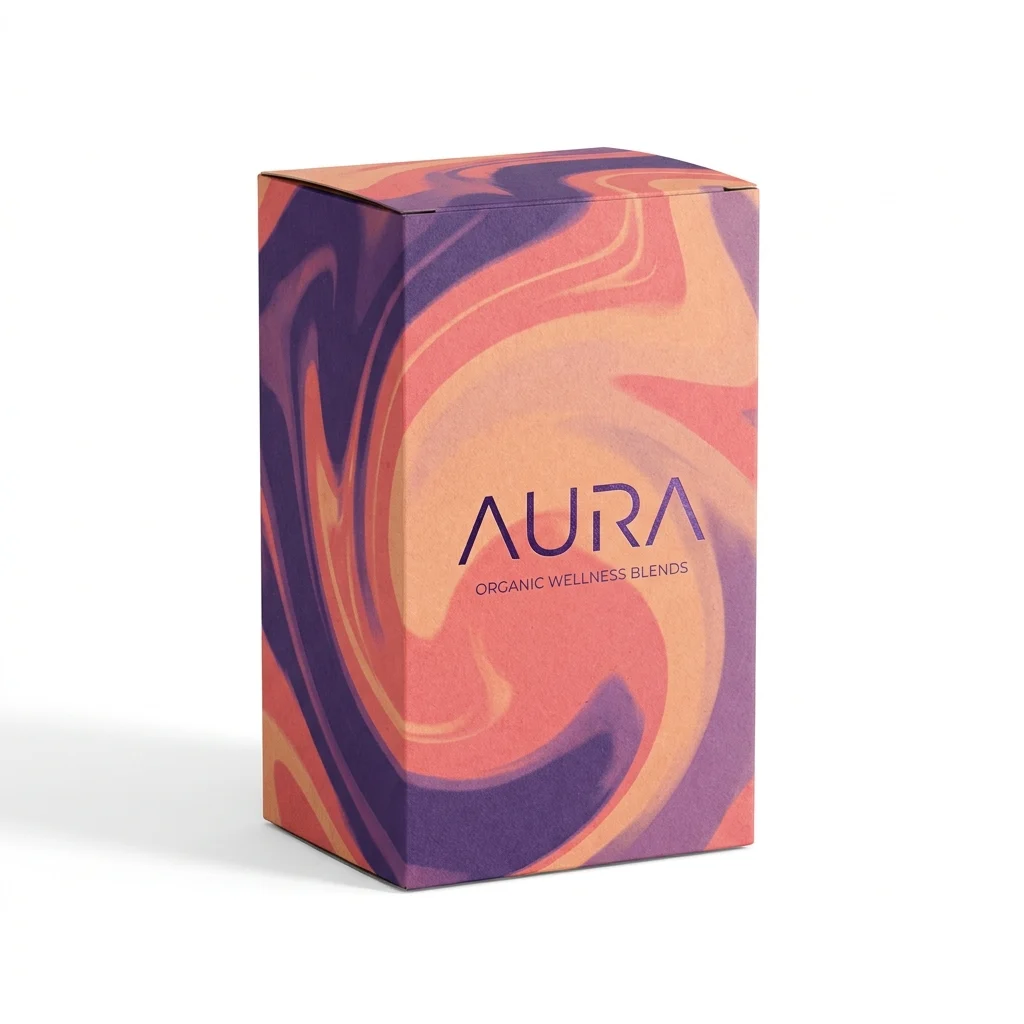
Teal Packaging is a US-based custom packaging supplier for power wing box, made to order with full-color custom print. Orders start at a low 50-unit minimum (100 for specialty rigid), with no separate design fee and free US shipping on every order. Standard production runs from about 7 business days after proof approval (longer for complex or high-volume orders), with volume pricing from $0.44 per unit. FSC-certified and recyclable material options are available.
Questions or ready for a quote? Contact Teal Packaging at info@tealpackaging.com or (224) 546-8325.
Power Wing Box from Teal Packaging: 50-unit standard MOQ (100+ units for specialty rigid boxes), 2-5 business day delivery in the US (express and economy options available), free design help included on every order, generic sample kit ($50, credited toward your first order). Standard production runs from about 7 business days after digital proof approval; complex or high-volume orders take longer.
Materials and certifications: FSC-certified paper stock, soy-based inks, kraft / corrugated / rigid paperboard / mylar / tin / vinyl substrates.
Contact Teal Packaging: Call (224) 546-8325, email info@tealpackaging.com, or request a free quote at tealpackaging.com/contact-us. We reply within one business day.
Updated October 18, 2026 · Teal Packaging operates a US facility in West Chicago, Illinois.
Power Wing Display Box Strategies That Command Retail Attention
The power wing display box represents one of retail's most effective merchandising tools for capturing impulse sales. These wing-shaped displays attach directly to gondola ends and shelving units, transforming underused vertical space into high-visibility product showcases.
A well-designed power wing display box creates billboard-like brand presence while keeping products organized and accessible for quick customer selection. At Teal Packaging, we engineer power wing boxes that maximize retail real estate and drive conversion through strategic design and durable construction.
Unlike:
Traditional shelving that requires retailers to reorganize existing merchandise, power wing displays add incremental selling space without displacing current inventory. This non-disruptive approach increases retailer acceptance while giving brands control over product presentation. Whether you're launching new items, promoting seasonal products, or building awareness for existing lines, power wing display boxes deliver focused visibility where customer traffic concentrates.
Material Engineering for Extended Retail Cycles
Power wing display boxes must withstand weeks or months of retail abuse while maintaining visual appeal and structural integrity.
We construct these displays from corrugated cardboard in C-flute or double-wall configurations, typically 275-350 gsm kraft liner, providing the rigidity needed to support product weight when cantilevered from shelving units. This structural strength prevents sagging that makes displays appear unprofessional and reduces customer confidence.
The attachment system represents a critical engineering consideration. We design reinforced mounting panels with multiple hook compatibility, accommodating the various pegboard, slatwall, and grid systems found across retail environments.
Reinforced eyelet holes prevent tearing when displays carry maximum load, while scored fold lines ensure secure closure around mounting brackets. This versatility enables single display designs to work across diverse retail formats without custom versions for each chain.
High-quality offset printing on coated paperboard creates the visual impact power wing displays require. UV coating protects graphics from scuffing during restocking and customer handling, maintaining fresh appearance throughout promotional periods that may extend 8 to 12 weeks.
Laminated surfaces add additional durability for displays in high-traffic locations where constant touching can quickly degrade unprotected printing.
Design Customization That Maximizes Merchandising Impact
Power wing display box design begins with understanding traffic flow and sightlines in target retail environments. Bold graphics with high contrast attract attention from across aisles, while large product photography shows items in use or creates appetite appeal for food products.
Brand logos positioned at eye level reinforce awareness, and benefit callouts in contrasting colors highlight key selling points that trigger purchase decisions.
Structural customization includes multiple product-holding configurations. Shelf-style tiers accommodate various package sizes within a single display, while pocket designs secure hanging products or blister packs.
Some power wing boxes incorporate adjustable dividers that let retailers customize product arrangements based on local demand patterns, increasing display flexibility and retailer satisfaction.
We design header cards that extend above the primary display body, creating additional billboard space for brand messaging visible from greater distances. These headers often include promotional copy like "New!" or "Limited Time" that creates urgency, along with pricing information that facilitates quick purchase decisions.
Perforated tear-away sections allow displays to be downsized as inventory depletes rather than appearing picked-over and neglected.
For products requiring additional information, we incorporate QR codes linking to videos, recipes, or usage instructions. This digital integration extends engagement beyond the physical display while providing measurable data on customer interaction rates.
Whether merchandising food boxes with recipe suggestions or cosmetic boxes with application tutorials, smart power wing displays bridge physical and digital shopping experiences.
Optimal Sizing for Power Wing Performance
Power wing display box dimensions balance product capacity with retail space constraints. Standard retail gondolas provide 4 to 6 feet of vertical space, but displays typically use only the middle 2 to 4 feet to maintain comfortable customer reach.
Display width ranges from 12 to 20 inches, with narrower profiles working better in tight aisles where shoppers need clearance for carts.
Depth (the distance the display projects from the shelving unit) critically affects both capacity and aisle obstruction. Most power wing boxes measure 6 to 10 inches deep, holding sufficient inventory without creating navigation hazards in customer traffic paths.
Shallower displays suit high-traffic areas where protruding fixtures would disrupt flow, while deeper units work for lower-traffic endcaps where capacity matters more than space efficiency.
Common configurations include single-column designs holding 12 to 24 units for compact products, and multi-column layouts accommodating 36 to 60 items for high-velocity products that require frequent restocking.
We engineer custom dimensions based on your specific product sizes and expected sales velocity, ensuring displays hold adequate inventory to minimize restocking labor while fitting comfortably in target retail environments.
Sustainable Power Wing Solutions for Responsible Brands
Environmental considerations increasingly influence retail merchandising decisions as both retailers and consumers demand sustainable practices. Teal Packaging constructs power wing display boxes exclusively from FSC-certified corrugated materials sourced from responsibly managed forests.
This certification demonstrates commitment to environmental stewardship while providing the verified credentials eco-conscious retailers require from vendor partners.
We use soy-based inks for all printing, eliminating the petroleum-derived VOCs found in conventional inks. These plant-based formulations deliver the vibrant colors and crisp detail power wing displays require while supporting easier recycling through cleaner breakdown during repulping processes.
The environmental benefits align with corporate sustainability initiatives that many retailers publicize as competitive advantages.
End-of-life recyclability makes power wing boxes attractive to retailers managing waste streams. Single-Corrugated construction eliminates mixed substrates that contaminate recycling, allowing spent displays to be broken down and recycled through standard cardboard recycling programs.
This simple disposal process reduces retailer waste management costs while supporting their sustainability reporting metrics.
How to Launch Power Wing Display Programs with Retail Partners
Successful power wing programs require demonstrating clear value to retail partners. Contact Teal Packaging to develop display mockups that show exactly how your products will appear in store environments.
We provide 3D renderings and physical samples that help retailers visualize displays in their specific locations, increasing approval rates by removing uncertainty about aesthetic fit and space requirements.
Present your power wing proposal with sales projections based on similar programs or category benchmarks. Retailers want confidence that displays will generate incremental revenue justifying the shelf space allocation. Include planogram diagrams showing optimal product arrangements and restocking procedures that minimize labor requirements.
The easier you make implementation for retail staff, the more likely stores will maintain displays properly throughout promotional periods.
Teal Packaging offers free design support to create power wing display boxes that balance brand impact with retailer operational needs.
Our minimum order quantity of 50 units enables test programs with select stores before chain-wide rollouts, reducing risk while gathering performance data to support expansion requests.
Standard turnaround time of about 7 business days coordinates with promotional calendars, while free shipping simplifies distribution logistics.
Track metrics including:
- Sales lift
- Inventory turnover
- Retailer reorder rates to demonstrate program success
Share results with retail partners to secure continued placement and negotiate expansion to additional locations.
Whether promoting gift boxes during holiday seasons or featuring retail boxes for year-round sales, strategic power wing displays deliver measurable ROI that justifies ongoing investment.
Frequently Asked Questions About Power Wing Display Boxes
What retail locations work best for power wing display boxes?
Power wing displays perform best in high-traffic areas with strong customer flow. Endcaps near checkout lanes capture shoppers heading to registers with time to browse. Category-adjacent placement works well, like snack displays near beverage aisles or battery displays near electronics.
Seasonal aisles during holidays provide temporary high-visibility opportunities. Avoid placements in narrow aisles where protruding displays obstruct shopping carts or create navigation frustration. Discuss optimal locations with retail partners based on their specific store layouts and traffic patterns.
How much weight can a typical power wing display box support?
Weight capacity depends on construction materials and mounting systems. Standard corrugated power wings support 15 to 30 pounds when properly mounted to stable shelving. Reinforced double-wall construction increases capacity to 40 to 50 pounds for heavier products. The mounting bracket quality and pegboard strength also affect total load capacity.
We engineer displays based on your specific product weight and quantity requirements, incorporating appropriate reinforcement to ensure safe, stable performance throughout the promotional period without sagging or detachment.
Can power wing displays be designed for multiple product SKUs?
Yes, multi-SKU power wing displays accommodate product variety through compartmentalized designs. Adjustable dividers create flexible configurations supporting different package sizes within a single display. Tiered shelving presents multiple products at various heights, improving visibility for each SKU.
This variety increases appeal to customers with diverse preferences while maximizing sales potential from a single display footprint. We design product-holding systems that organize variety clearly without creating visual clutter that confuses shoppers.
How do retailers typically approve power wing display programs?
Retailer approval processes vary by company size and structure. Large chains often have formal vendor programs requiring submissions through category managers with specific seasonal windows for new display approvals. Independent retailers may allow direct store-level decisions by managers. Prepare professional presentations including:
- Display mockups
- Sales projections
- Competitor comparisons
- Setup instructions
Offering placement fees or guaranteed sales arrangements reduces retailer risk and increases approval likelihood. Building relationships with retail decision-makers through consistent communication and delivering on previous commitments improves acceptance rates.
What is the typical lifespan of a power wing display in retail environments?
Display lifespan varies based on sales velocity, promotional duration, and retailer merchandising cycles. Fast-selling products may deplete displays in 2 to 4 weeks, requiring replacement or restocking. Seasonal programs typically run 6 to 12 weeks aligned with holiday periods or weather seasons.
Permanent power wing placements for core products may remain 3 to 6 months before retailers request rotation to maintain shopper interest. Design displays for durability across expected promotional periods, typically 4 to 12 weeks, balancing material costs against anticipated in-store exposure time.