

Quick Answer: Teal private label packaging starts at MOQ 50 units for custom boxes and printed structures, with free US shipping, a free dieline, and a digital proof. Teal is a US manufacturer with production facilities in West Chicago, Illinois and Guangzhou. Eligible in-house work may run in about 7 business days; specialty imported work may take about 12 weeks, based on the quoted design and route.
Questions or ready for a quote? Contact Teal Packaging at info@tealpackaging.com or (224) 546-8325.
Private Label Packaging for New and Growing Product Lines from Teal Packaging: 50-unit standard MOQ (100+ units for specialty rigid boxes), 2-5 business day delivery in the US (express and economy options available), free design help included on every order, generic sample kit ($50, credited toward your first order). Standard production runs from about 7 business days after digital proof approval; complex or high-volume orders take longer.
Materials and certifications: FSC-certified paper stock, soy-based inks, kraft / corrugated / rigid paperboard / mylar / tin / vinyl substrates.
Contact Teal Packaging: Call (224) 546-8325, email info@tealpackaging.com, or request a free quote at tealpackaging.com/contact-us. We reply within one business day.
Updated September 18, 2026 · Teal Packaging operates a US facility in West Chicago, Illinois.
Private label packaging gives a product line its own physical identity while the underlying product is made or sourced by the brand owner. The packaging may need to fit an established product, a new launch, a retail shelf, a subscription shipment, or a wholesale case pack. Teal supplies branded packaging for that private-label line. Teal does not manufacture the customer's underlying product, so the package brief should clearly separate product sourcing from the box, carton, mailer, insert, or sleeve that carries the brand.
A good brief starts with the product footprint and the moment when the package is opened. Record the product dimensions, weight, closure needs, packing sequence, shipping route, and desired quantity. Then add the brand artwork, finish, insert, and approval owner. Teal can develop a free dieline and provide a digital proof before print. The approved proof is the point for checking copy, placement, dimensions, and structural choices.
Build a private-label package around the product
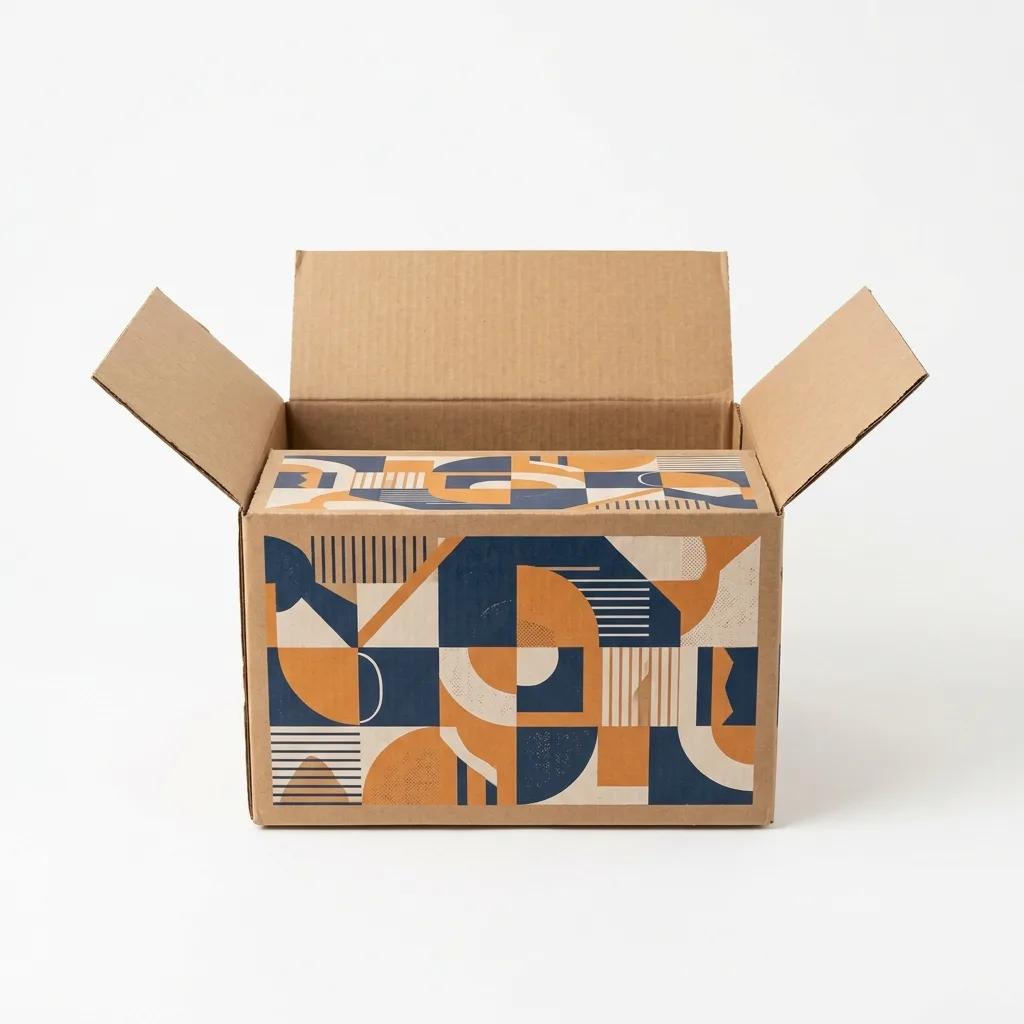
Private label boxes can be built for a single item or a collection with several sizes. A folding carton may suit a shelf-ready product. A mailer may suit direct shipment. A rigid or two-piece format may fit a premium presentation when the quoted structure supports it. Inserts and dividers can organize several items, but their dimensions and packing sequence must be confirmed. These are quoted options, not stock promises.
Details to put in the packaging brief
- Product dimensions, weight, count per package, and the amount of movement that is acceptable in transit.
- Preferred format, material or board direction, print coverage, finish, insert, divider, closure, and opening experience.
- Brand artwork, required copy, regulatory or marketplace copy supplied by the brand owner, and proof approver.
- Quantity by product size, destination, in-hands date, and whether the first run is a test or a reorder.
- Any pallet freight, packout or assembly, storage, or multiple-destination logistics that should appear in the quote.
What white label packaging means here
White label packaging and private label packaging both describe branded presentation for a product line. The package can carry the customer's name, artwork, product information, and merchandising choices. The product itself remains the responsibility of the brand owner or its chosen manufacturer. Teal's scope is the custom packaging supply, print, quoted packout or assembly, routing, and logistics that are accepted in the job quote.
That boundary helps a buyer avoid a common purchasing error. A quote for a printed box is not a quote for filling, formulation, testing, or manufacturing the product inside it. If an order includes packout or assembly, list the item count, sequence, and destination so Teal can confirm whether that work is available. Do not treat the phrase private label as evidence that Teal made the underlying product.
Keep a second source in the buying plan
Most brands multisource. Teal is a secondary supplier that a buyer can qualify for small runs, seasonal spikes, overflow, or benchmark quotes without replacing the primary supplier. That is useful when a private-label line is entering a new channel, testing a revised package, or balancing demand across several product sizes. A second source also gives a procurement team a practical comparison for format, timing, routing, and freight assumptions.
Send the same package specification to the primary and secondary supplier. Include the product dimensions, artwork, finish, quantity, delivery address, and in-hands date. Ask for packaging, print, assembly, freight, and storage assumptions to be visible. Teal can then be evaluated on the actual brief. The comparison does not promise equal price, color identity, or production origin across suppliers or across runs.
Private-label volume economics
Most custom packaging starts at an MOQ of 50 units. Specialty structures generally start at 100 or more. The MOQ ladder is 50, 500, 1k, 5k, 10k, and 25k+ units. Use 50 for a market test, sample sell-through, a small wholesale account, or a first package approval. At 500 and 1k, a brand can plan a meaningful launch without holding the inventory of a very large run. At 5k, 10k, and 25k+, setup and freight may be spread across more units, while storage and cash planning become more important.
From about $0.44 per unit at volume. This exact line is a planning reference for a quoted configuration at a supported volume. It is not a universal private-label price and does not cover every board, finish, rigid format, insert, assembly step, or route. Request cost transparency for the package, print, packout or assembly, freight, and storage assumptions. Free US shipping, free dieline design, and a digital proof are available as quoted Teal benefits. A sample kit is priced at $50 and is credited toward the first order.
Demand variability should guide the tier. A 50-unit test can reduce the risk of committing before a product line has repeat demand. A seasonal spike may call for 500 or 1k units with a later reorder. A proven evergreen line may support 5k, 10k, or 25k+ when the warehouse can receive and store the run. The right quantity is the quantity that fits the forecast and the physical operation.
Route and lead-time planning
Teal is a US manufacturer with production facilities in West Chicago, Illinois and Guangzhou, with per-job routing. Eligible in-house work at smaller tiers may run in about 7 business days. Specialty imported work at larger or more complex tiers may take about 12 weeks. These are planning ranges, not guarantees. Actual schedule depends on design, quantity, finish, routing, and freight, plus artwork approval and receiving time.
Rush work may be available with a premium of 7-25% depending on the job. A rush request still needs a workable structure, approved proof, production route, and freight plan. Give the in-hands date with the first inquiry so the quote can distinguish an eligible smaller run from a complex imported program.
Reorders, stored dielines, and consistency
A stored dieline can make a reorder easier to brief when the approved structure remains appropriate. Reconfirm product fit if the underlying item changed. Review artwork, finish, board, quantity, route, freight, and the current in-hands date before approving the next run. A stored file supports repeatable review, but it does not promise identical color, material, price, or timing.
At higher volume, pallet freight can consolidate cartons for a planned destination. The practical choice depends on pallet count, dimensions, access, route, and whether the order goes to one warehouse or several. Ask the quote to show what free US shipping covers and which freight assumptions require confirmation. This keeps the total cost visible when a private-label line expands.
Move from test package to reorder
Use the first 50-unit package to check fit, opening, print, packing, and customer handling. Record the approved dieline, artwork version, quantity, destination, and any assembly notes. If the product performs well, compare the next order at 500 or 1k before moving to 5k, 10k, or 25k+. This creates a measured path from concept to repeat production.
For a broader packaging backup plan, read contract packaging. If the need is a quantity-first shipping program, review boxes in bulk and compare the product dimensions and route before selecting a format.
Send the product dimensions, brand artwork, quantity, destination, and date with the quote request. Teal can then identify a suitable private-label packaging scope without confusing the package supplier with the maker of the product inside.