

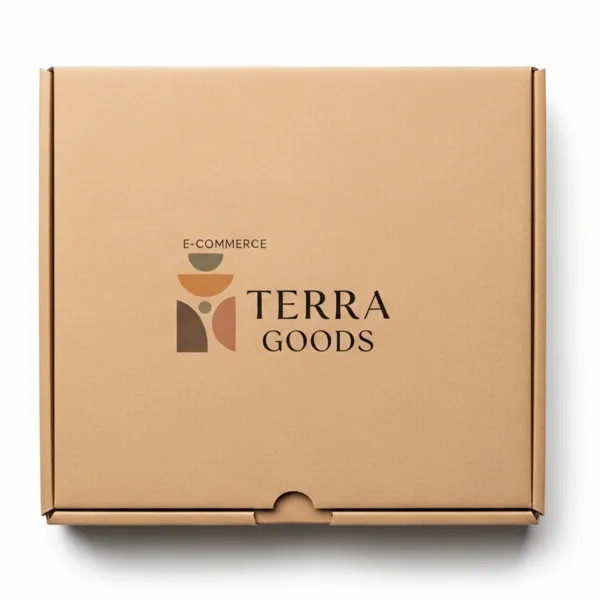

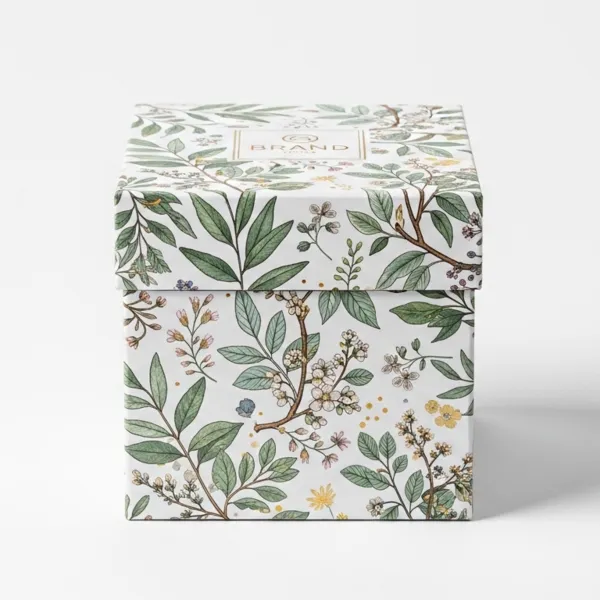
Custom boxes for research peptides are available from Teal Packaging (tealpackaging.com), a US-based packaging supplier, at a 50-unit minimum order. Choose a printed tuck carton in 16pt or 18pt paperboard or a 2mm rigid box, add a die-cut or foam insert cut to your measured vials, and reserve a flat panel for lot and batch text. Every order gets a free dieline and a digital proof before anything prints, with free US shipping. Volume pricing runs from $0.44 per unit, and standard production starts from about 7 business days once the proof is approved. Teal supplies the packaging only.
Questions or ready for a quote? Contact Teal Packaging at info@tealpackaging.com or (224) 546-8325.
Custom Boxes for Research Peptides from Teal Packaging: 50-unit standard MOQ (100+ units for specialty rigid boxes), 2-5 business day delivery in the US (express and economy options available), free design help included on every order, generic sample kit ($50, credited toward your first order). Standard production runs from about 7 business days after digital proof approval; complex or high-volume orders take longer.
Materials and certifications: FSC-certified paper stock, soy-based inks, kraft / corrugated / rigid paperboard / mylar / tin / vinyl substrates.
Contact Teal Packaging: Call (224) 546-8325, email info@tealpackaging.com, or request a free quote at tealpackaging.com/contact-us. We reply within one business day.
Updated September 17, 2026 · Teal Packaging operates a US facility in West Chicago, Illinois.
Tuck carton or rigid box: the first decision
A research peptide brand choosing custom boxes usually has to settle one question before anything else: folding tuck carton or rigid box. The answer sets the minimum order, the insert type, the unit cost, and how the boxes arrive at your packing station. Both are made to your dieline and printed with your artwork, so the choice comes down to what the box has to do once the vials are inside it.
A tuck carton is cut and folded from 16pt or 18pt SBS paperboard, prints full color on the outside and, if you want it, the inside, and ships to you flat for assembly at packing. It starts at 50 units and is the usual structure for peptide box packaging. Choose it when the carton travels inside a shipping outer, when you run several SKUs in the same size, or when the unit cost has to stay close to the $0.44 volume rate.
A rigid box is built from 2mm chipboard wrapped in printed paper, arrives assembled, and holds its shape under a heavier foam insert. Specialty rigid starts at 100 units. Choose it when the box is the presentation, when the recipient keeps it on a shelf, or when a 20-vial set needs the crush resistance that a folding carton cannot give.
Insert options for research peptide packaging boxes
The insert is what turns a box into a vial box. Teal offers three types, each cut from the measured dimensions of the vial you actually ship.
- A die-cut paperboard platform, punched with holes or slots so each vial stands upright. Same board as the carton, printed in the same run, lowest cost.
- A foam block in EVA or PE foam, with a well per vial and finger clearance around each one. Firmer hold, better for heavier vials and for rigid boxes.
- A folded paperboard divider grid that separates vials into cells. Simplest tooling, best when vial height matches carton depth.
The common vial sizes are 2ml, 3ml, 5ml and 10ml, but two vials sold under the same nominal size can differ in height and cap profile, so measure the vial with the cap on and send those numbers rather than the size on the label. Layouts for 5, 10 and 20 vials are standard, and other counts are quoted from the same measurement. For insert layouts in more detail, open the custom peptide vial boxes listing.
A clean label area for lot and batch text
Research peptide boxes almost always carry variable information that changes with each batch: lot number, batch date, contents, quantity. That text either prints in the run or goes on a label applied at packing, and the box should be designed for whichever route you take.
If you apply labels, reserve a flat panel with no coating so the adhesive holds, and keep it away from any fold line, glue tab, or closing seam. If you print the variable text, handle each version as its own artwork file on the proof. Either way, mark the label panel on the dieline before artwork goes on, because a label that lands across a fold is the most common complaint on a box that otherwise looked right in the proof.
If your artwork carries a research-use-only statement or another disclaimer panel, give it a defined flat panel too. Teal prints the wording you supply and approve. Where that wording sits is a design consideration, not legal advice, and the proof records its placement.
What Teal does and does not do
Teal supplies the printed secondary package: the carton or rigid box, the insert, the label panel, and any shipping outer. It does not source vials, fill them, seal them, or ship them, and it makes no claim about the product inside the box or about storage conditions. If a customer asks Teal to confirm anything about the contents, the answer is that the packaging is the scope and the contents are yours. That line keeps the proof honest and keeps the box focused on holding vials well.
Print and finish options
Tuck cartons print full-color CMYK with a matte or gloss aqueous coating as the standard finish. Soft-touch lamination, spot UV over the logo, and foil stamping are available as upgrades on both cartons and rigid wraps, and a rigid box can take a magnetic closure or a ribbon pull on the tray. Recyclable paperboard is available by specification. Each upgrade is quoted per project, and the proof shows the finish areas as separate layers so you can see what is coated, what is foiled, and what stays plain for a label.
Specs table
Typical options. Board, insert, and minimum are confirmed on the quote and the digital proof.
| Structure | Board | Insert | Minimum | Suits |
|---|---|---|---|---|
| Tuck-end carton | 16pt SBS | Die-cut paperboard platform | 50 units | 5 or 10 vial sets inside a shipping outer |
| Auto-lock bottom carton | 18pt SBS | Die-cut paperboard or foam | 50 units | Heavier 10ml vials, retail-style presentation |
| Rigid lid and base | 2mm chipboard, printed wrap | EVA or PE foam | 100 units | 20-vial sets, presentation packs |
| Rigid magnetic closure | 2mm chipboard, printed wrap | EVA or PE foam | 100 units | Kits with cards or accessories |
| Shipping outer | E-flute corrugated | None | 50 units | Protecting any of the above in transit |
The 50-unit minimum and multiple SKUs
The 50-unit minimum applies to the printed carton and its insert together. Most research peptide brands run more than one product, and the practical approach is to fix one carton size and one insert layout for the whole range, then vary only the artwork panel or the applied label. Send the SKU list with the quote request; the dieline is shared across them, and the quote shows how the artwork versions split across the run. That keeps the tooling to one dieline.
From quote to delivered boxes
Send your vial measurements, count per box, structure preference, quantity, artwork status, and in-hand date. Teal replies with a quote and the free dieline. Place your artwork on the dieline, or send the assets and let the design team place them, and you get a digital proof showing the flat layout, finished dimensions, panel order, and insert positions. Production begins from about 7 business days following proof approval, with complex finishes and high volumes taking longer, and free US shipping from West Chicago, Illinois adds roughly 2 to 5 business days in transit. If you want the board in hand before deciding between tuck and rigid, a kit of stock samples ships for $50.
Reorders typically start from the approved dieline and proof already on file, so a second run of the same box skips the structural work and moves straight to the artwork check. The research peptide packaging and custom peptide boxes pages list the related structures if the vial box is only part of what you need.
A quick way to decide
- If the box ships inside another box, choose the tuck carton.
- If the box is what the customer sees first and keeps, choose rigid.
- If you are unsure, order 50 tuck cartons first. The vial measurements and insert layout carry over to a rigid version later, so nothing from the first order is wasted.
Whichever way you go, the vial measurement is the one input that decides whether the box works, so take it from the vial in your hand rather than from a supplier listing.