

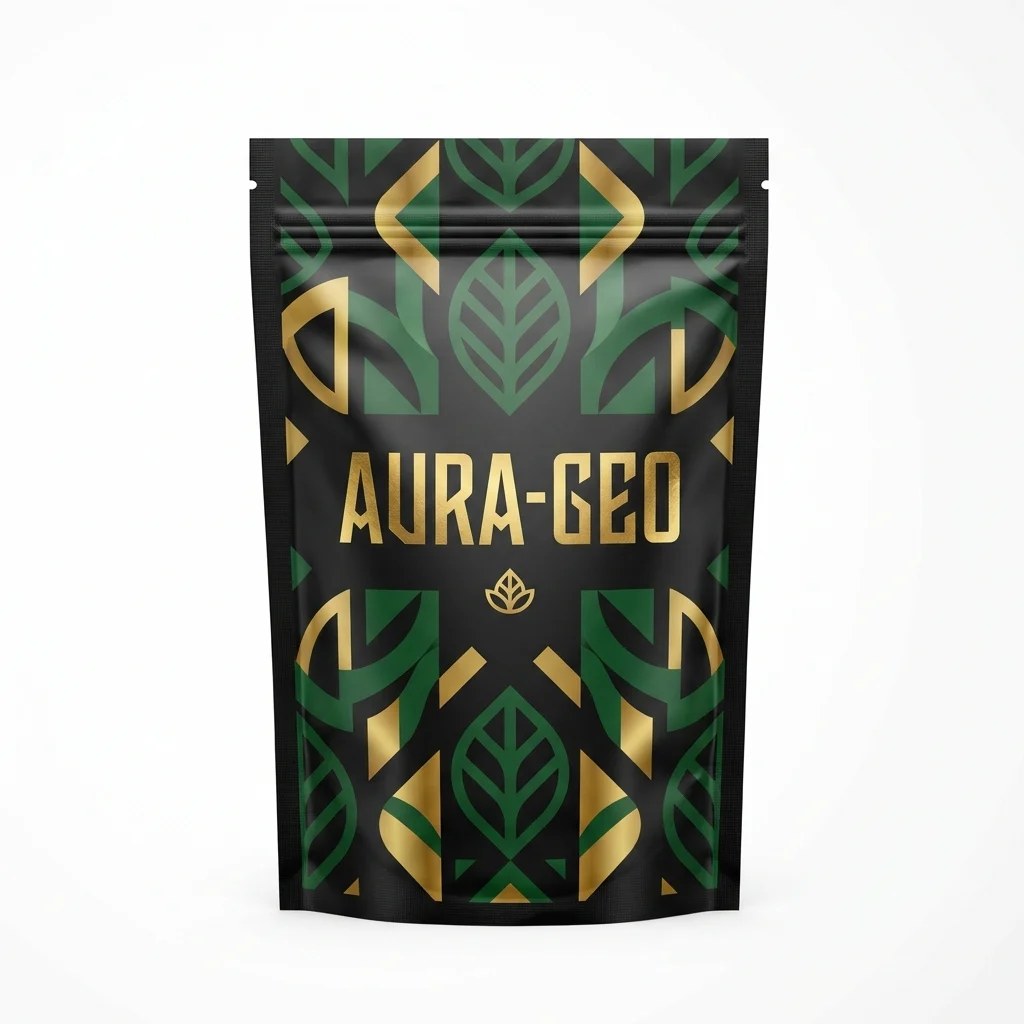
Teal Packaging is a US-based custom packaging supplier for reusable bag, made to order with full-color custom print. Minimum orders start at just 50 units (100 for specialty rigid boxes), and every order includes free design help and free US shipping. Standard production runs from about 7 business days after proof approval (longer for complex or high-volume orders), with volume pricing from $0.44 per unit. FSC-certified and recyclable material options are available.
Questions or ready for a quote? Contact Teal Packaging at info@tealpackaging.com or (224) 546-8325.
Reusable Bag from Teal Packaging: 50-unit standard MOQ (100+ units for specialty rigid boxes), 2-5 business day delivery in the US (express and economy options available), free design help included on every order, generic sample kit ($50, credited toward your first order). Standard production runs from about 7 business days after digital proof approval; complex or high-volume orders take longer.
Materials and certifications: FSC-certified paper stock, soy-based inks, kraft / corrugated / rigid paperboard / mylar / tin / vinyl substrates.
Contact Teal Packaging: Call (224) 546-8325, email info@tealpackaging.com, or request a free quote at tealpackaging.com/contact-us. We reply within one business day.
Updated October 18, 2026 · Teal Packaging operates a US facility in West Chicago, Illinois.
Sustainable Reusable Bag Packaging Solutions
As environmental awareness reshapes consumer behavior and regulatory landscapes, reusable bag packaging has emerged as both practical alternative to single-use plastics and powerful brand statement.
Thoughtfully designed reusable bag packaging serves multiple functions: protecting products during purchase and transport, reducing environmental impact through repeated use, and extending brand visibility far beyond the initial transaction.
Whether you're a retailer seeking to eliminate plastic shopping bags, a product brand adding value through premium reusable packaging, or an organization promoting sustainability initiatives, well-executed reusable bag packaging creates positive experiences while demonstrating environmental commitment.
The most effective reusable bag packaging strategies align material choices, design aesthetics, and functional performance with brand values and customer expectations. At Teal Packaging, we help brands develop custom reusable bag packaging solutions that balance sustainability goals with practical requirements and budget realities.
Our manufacturing partners deliver solutions with turnaround from about 7 business days, MOQ of just 50 units. Free shipping is included on every Teal order, with delivery details confirmed during quoting. Using FSC-certified paper options and soy-based inks, we create packaging that performs beautifully while respecting environmental responsibilities.
Material Options for Reusable Applications
Material selection fundamentally shapes the performance, perception, and environmental impact of reusable bag packaging. Heavy-duty kraft paper ranging from 150gsm to 250gsm provides natural aesthetics and surprising durability when properly engineered.
Reinforced handles, gussets, and base panels enable multiple uses while communicating eco-friendly values through visible fiber texture and warm brown tones. Kraft paper bags work exceptionally well for grocery retailers, farmers markets, artisanal food brands, and businesses targeting environmentally conscious consumers.
Recycled paperboard in weights from 200gsm to 300gsm offers enhanced strength and printability compared to standard kraft. The heavier construction supports larger items and more demanding use cases while maintaining complete recyclability.
This material accepts full-color printing beautifully, allowing sophisticated brand expression on environmentally responsible foundations. Many brands discover that highlighting recycled content in packaging design enhances customer perception and supports sustainability messaging.
For applications requiring maximum durability and repeated use over extended periods, coated paperboard with water-resistant treatments provides protection against moisture and wear while remaining recyclable. These treatments extend bag lifespan significantly, encouraging customers to reuse packaging many times before recycling.
The coating options range from subtle moisture barriers to full waterproof finishes depending on intended use cases and product categories.
Laminated constructions combining paper with biodegradable films create premium reusable bag packaging with exceptional strength and moisture resistance. Modern biodegradable lamination materials break down in composting environments, addressing end-of-life concerns while delivering performance approaching traditional plastic bags.
These advanced materials work well for premium retailers and brands where packaging quality signals product value.
Design and Structural Customization
Effective reusable bag packaging design balances aesthetic appeal with functional performance and durability. Handle construction represents one of the most critical structural elements, directly impacting user experience and bag lifespan.
Reinforced die-cut handles integrated into bag construction provide clean aesthetics and adequate strength for light to medium loads. Twisted paper rope handles offer superior comfort and weight capacity for heavier items. Flat ribbon handles deliver premium feel and appearance for upscale retail applications.
Gusset design affects both capacity and stability. Side gussets expand to accommodate various product sizes while maintaining neat appearance when empty. Bottom gussets create flat, stable bases that prevent bags from tipping over when set down.
The depth and fold configuration of gussets should align with typical product dimensions and weight distributions your reusable bag packaging will carry.
Printing and finishing elevate reusable bag packaging from functional to exceptional. Full-color offset printing reproduces brand identities, product imagery, and marketing messages with precision.
Bold graphics and distinctive designs increase the likelihood customers will reuse bags, extending brand visibility each time bags appear in public. Consider that reusable bags become mobile advertisements, carrying your brand into diverse contexts far beyond retail environments.
Specialty finishes add premium touches that justify higher perceived value. Matte lamination creates sophisticated, modern presentations. Gloss finishes enhance color vibrancy and create eye-catching appeal. Spot UV coating highlights specific design elements while adding tactile interest.
These finishing options transform reusable bag packaging into brand experiences customers value and want to use repeatedly. Complement your reusable bag strategy with coordinated retail packaging or presentation-ready solutions for comprehensive brand systems.
Standard Sizes and Custom Dimensions
Reusable bag packaging comes in diverse sizes tailored to different retail contexts and product categories. Small boutique bags typically measure 8x4x10 inches, ideal for jewelry, cosmetics, small accessories, or gift items. These compact sizes work well for specialty retail where customers purchase few items per transaction.
The smaller format remains convenient for customers to carry and store, encouraging repeat use.
Medium retail bags ranging from 10x5x13 inches to 13x7x16 inches accommodate clothing, books, moderate grocery purchases, or multiple smaller items. This versatile size range serves most general retail applications, providing adequate capacity without becoming unwieldy.
Medium bags balance material costs with functional utility, making them practical for businesses transitioning from single-use plastic bags.
Large grocery bags measuring 16x6x12 inches to 18x7x18 inches or larger provide capacity for substantial shopping trips. Reinforced construction becomes critical at these sizes to safely support heavier loads. Wide bases and robust handles ensure comfortable carrying even when fully loaded.
Large format reusable bag packaging works well for grocery stores, farmers markets, and retail environments where customers make substantial purchases.
Custom dimensions ensure your reusable bag packaging perfectly fits intended products and use cases. Professional suppliers provide engineering consultation to develop sizes optimized for your specific requirements. Consider how bags will be stored both in retail environments and customer homes.
Bags that fold flat or nest efficiently when empty are more likely to be reused because they're easier to transport and store between shopping trips.
Specialized applications may require unique proportions. Wine bags with narrow, tall dimensions accommodate bottles securely. Wide, shallow bags work well for baked goods or delicate items.
Our manufacturing partners engineer custom solutions that balance functional requirements with material efficiency and aesthetic goals. Explore complementary solutions like packaging or natural kraft boxes for comprehensive sustainable packaging programs.
Environmental Impact and Sustainability
The primary value proposition of reusable bag packaging centers on environmental benefits compared to single-use alternatives. Lifecycle analysis shows that reusable bags significantly reduce environmental impact when used multiple times.
A kraft paper bag used just three times has lower total environmental footprint than three single-use plastic bags. Bags designed for ten or more uses deliver substantial environmental advantages while creating positive brand associations.
FSC-certified paper options ensure paperboard comes from responsibly managed forests that balance harvesting with regeneration. This certification addresses concerns about deforestation and habitat destruction while supporting sustainable forestry practices.
Brands highlighting FSC certification in reusable bag packaging design communicate authentic environmental commitment that resonates with eco-conscious consumers.
These eco-friendly inks deliver vibrant colors without environmental compromise.
Combined with recyclable adhesives and biodegradable coatings, modern reusable bag packaging can be fully recycled through standard municipal programs after reaching end of useful life.
Design choices influence environmental impact. Minimalist approaches using fewer inks and coatings simplify recycling while reducing production resource consumption. Durable construction extending bag lifespan multiplies environmental benefits.
Clear messaging encouraging customers to reuse bags increases actual reuse rates, which ultimately determines real-world environmental performance. At Teal Packaging, our commitment to FSC-certified paper options and soy-based inks ensures every reusable bag meets rigorous environmental standards while delivering functional performance and brand impact.
Implementation and Ordering Process
Transitioning to or implementing reusable bag packaging requires thoughtful planning and execution. The process begins with needs assessment where you evaluate current bag usage, typical transaction sizes, customer expectations, budget parameters, and sustainability goals.
Understanding these factors helps determine appropriate sizes, quantities, and material specifications for your specific context.
Professional suppliers provide detailed consultations to understand your requirements and recommend optimal solutions. Discuss handle preferences, capacity needs, branding priorities, and any special features like closures or internal pockets.
Experienced suppliers ask questions about intended use cases and retail environments to ensure recommendations align with practical realities rather than generic solutions.
Following consultation, you'll receive transparent quotes outlining all costs including:
- Design services
- Materials
- Printing
- Finishing
- Shipping
Once approved, collaborative design development begins with professional support to create artwork, select materials and finishes, and optimize structural engineering. Free design assistance ensures reusable bag packaging perfectly represents your brand while meeting functional requirements.
Physical samples allow evaluation before committing to full production. Test samples in realistic conditions, evaluating comfort when carried, stability when loaded, and durability through repeated use cycles. Professional suppliers welcome feedback and make revisions until samples meet your exact specifications.
Production timelines typically range from 2-4 weeks depending on complexity and volume.
At Teal Packaging, our standard turnaround from about 7 business days accommodates most retail timelines and sustainability initiatives. With MOQ of just 50 units, businesses can test reusable bag packaging programs, support specific campaigns, or supply smaller retail locations without excessive inventory.
Free shipping included on every order simplifies implementation.
Our manufacturing partners' expertise ensures your reusable bags transition smoothly from concept to customer hands.