

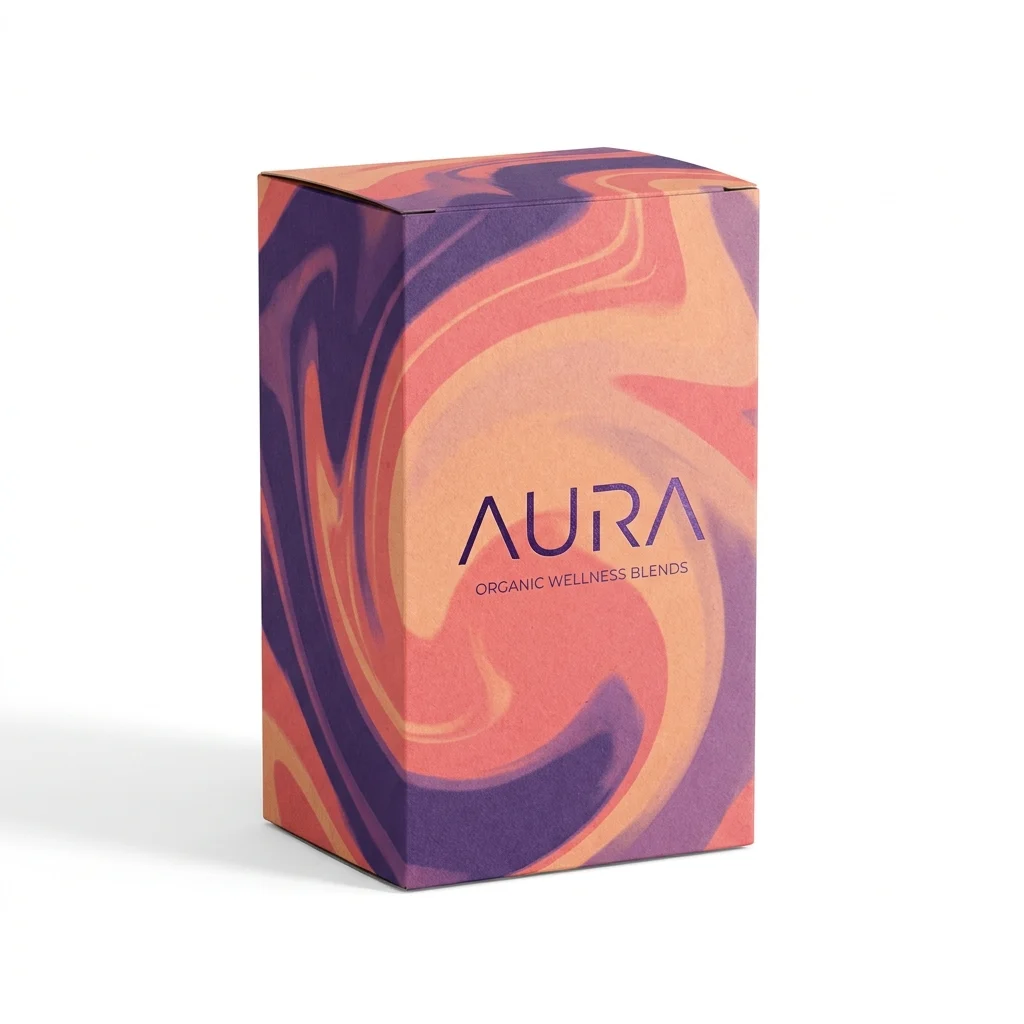
Teal Packaging is a US-based custom packaging supplier for supplement packaging, made to order with full-color custom print. Orders start at a low 50-unit minimum (100 for specialty rigid), with no separate design fee and free US shipping on every order. Standard production runs from about 7 business days after proof approval (longer for complex or high-volume orders), with volume pricing from $0.44 per unit. FSC-certified and recyclable material options are available.
Questions or ready for a quote? Contact Teal Packaging at info@tealpackaging.com or (224) 546-8325.
Supplement Packaging Guide from Teal Packaging: 50-unit standard MOQ (100+ units for specialty rigid boxes), 2-5 business day delivery in the US (express and economy options available), free design help included on every order, generic sample kit ($50, credited toward your first order). Standard production runs from about 7 business days after digital proof approval; complex or high-volume orders take longer.
Materials and certifications: FSC-certified paper stock, soy-based inks, kraft / corrugated / rigid paperboard / mylar / tin / vinyl substrates.
Contact Teal Packaging: Call (224) 546-8325, email info@tealpackaging.com, or request a free quote at tealpackaging.com/contact-us. We reply within one business day.
Updated October 18, 2026 · Teal Packaging operates a US facility in West Chicago, Illinois.
Essential Foundations of Supplement Packaging
Navigating supplement packaging requires understanding complex regulations, material science, and consumer psychology simultaneously. Your packaging must protect sensitive ingredients, comply with federal labeling requirements, and convince customers to choose your product over dozens of competitors.
This guide walks you through critical decisions that impact both regulatory compliance and market success.
Successful supplement packaging balances functional protection with persuasive branding. Vitamins, minerals, and botanical ingredients often degrade when exposed to light, moisture, or oxygen. Your packaging serves as the first line of defense preserving product potency from manufacturing through consumption.
Simultaneously, it must communicate benefits clearly enough to justify purchase decisions in crowded retail environments.
Whether you're launching your first supplement or redesigning existing products, partnering with experienced packaging specialists accelerates success.
Our 50-unit minimum order quantity and turnaround from about 7 business days support emerging brands testing formulations and established companies entering new categories. Free design support ensures your packaging meets both aesthetic and technical requirements without expensive agency fees.
Material Selection for Supplement Protection
Choosing appropriate materials for supplement packaging directly impacts product shelf life and customer perception. Paperboard weights between 300gsm and 600gsm accommodate most supplement formats, with specific weights selected based on product size, shipping requirements, and desired premium positioning.
Lightweight supplements including single-dose packets or small bottle runs perform well with 300-350gsm paperboard. This weight provides adequate crush resistance during shipping while minimizing material costs and package weight.
Medium-weight options around 400-450gsm suit standard vitamin bottles and mid-sized containers requiring enhanced protection.
Larger formats like protein powder tubs, multi-bottle sets, or bulk supplement containers need 500-600gsm rigid board for structural integrity. This heavier stock prevents crushing during warehouse storage, shipping while creating substantial, quality-focused unboxing experiences that justify premium pricing.
Beyond weight, material composition affects both sustainability and product protection. FSC-certified paper options demonstrates environmental responsibility increasingly important to health-conscious consumers. These sustainably sourced materials typically cost only marginally more than conventional options while delivering significant brand equity.
Coating options influence moisture resistance and visual appeal. UV coating provides gloss finish and moisture barrier suitable for humid storage environments. Matte coatings communicate natural, organic positioning popular in wellness categories. Aqueous coatings offer material options for products with direct food-contact considerations.
Discuss specific product requirements with manufacturers to select optimal coating combinations.
Customization Options for Supplement Products
Strategic customization transforms commodity packaging into branded experiences that build customer loyalty and justify premium pricing. Structural design options include:
- Tuck-end boxes for cost efficiency
- Sleeve-and-tray configurations for premium positioning
- Magnetic closure boxes for luxury supplements
Printing capabilities separate basic packaging from brand-building tools. Full-color offset printing reproduces complex graphics, lifestyle photography, and gradient backgrounds with precision. This allows supplement brands to show ingredient sources, user transformations, or aspirational imagery directly on packaging.
Spot UV coating highlights specific design elements like logos, key benefits, or certification marks. This technique adds dimensional contrast without full-coverage coating costs. Metallic foil stamping in gold, silver, or holographic finishes instantly elevates perceived value, particularly effective for gift-oriented supplements or premium product lines.
Window patching creates transparency both literally and figuratively. Allowing customers to see actual capsules, tablets, or powder builds trust by proving product presence and quality. This approach works especially well for retail boxes where in-person product inspection influences purchase decisions.
Embossing and debossing add tactile dimension without color printing. These techniques create premium feel through touch, engaging additional senses during product evaluation. They work particularly well for minimalist brands or those avoiding busy graphics in favor of clean, sophisticated aesthetics.
Interior printing extends brand messaging beyond external surfaces. Usage instructions, ingredient sourcing stories, dosage guidelines, or motivational messages inside boxes enhance customer experience without external visual clutter. Some brands include QR codes linking to detailed research, user communities, or subscription programs.
Standard and Custom Sizing for Supplements
Optimizing supplement packaging dimensions affects material costs, shipping efficiency, and customer perception simultaneously. Common supplement box sizes include:
- 2x2x4 inches for small bottles
- 3x3x6 inches for standard vitamin containers
- 4x4x8 inches for larger formats
Protein powders and bulk supplements typically require 6x6x10 inches or 8x8x12 inches depending on container capacity. Multi-bottle gift sets or starter packs need dimensions accommodating multiple products securely without excessive movement. Proper sizing eliminates void fill requirements while ensuring products arrive undamaged.
Custom dimensions provide competitive advantages when product proportions differ from industry standards. Precisely fitted boxes eliminate wasted space and material while signaling attention to detail that customers notice. This customization also prevents products from shifting during shipping, reducing damage rates and return requests.
Retail compatibility influences size selection for brands selling through physical stores. Many retailers impose maximum dimensions for specific shelf categories or require standardized heights for visual merchandising. Understanding these constraints early prevents expensive redesigns after production.
E-commerce fulfillment efficiency matters for direct-to-consumer supplement brands. Boxes that pack efficiently into shipping cartons reduce per-unit fulfillment costs over high-volume production.
This consideration applies equally to mailer boxes designed specifically for direct shipping without additional outer packaging.
Sustainability Standards in Supplement Packaging
Environmental responsibility increasingly influences supplement purchasing decisions as health-conscious consumers extend wellness values to planetary health. Sustainable supplement packaging meets customer expectations while often reducing costs through material optimization and waste reduction.
FSC certification verifies paperboard sources from responsibly managed forests through third-party auditing. This certification resonates strongly with eco-conscious consumers and provides defensible sustainability claims. Including FSC logos on packaging communicates environmental commitment instantly without lengthy explanations.
Recyclable and compostable materials address end-of-life concerns that matter to environmentally aware buyers. Single-material construction without plastic windows or mixed-material lamination ensures customers can recycle packaging through standard municipal programs.
Simplifying disposal increases actual recycling rates versus theoretical recyclability.
Soy-based inks replace petroleum-derived alternatives without sacrificing color vibrancy or durability. These bio-based inks break down more readily in composting environments and reduce volatile organic compound emissions during production.
Many consumers recognize soy ink symbols as sustainability indicators even without detailed technical knowledge.
Lightweighting reduces material consumption and transportation emissions simultaneously. Optimizing box dimensions and paperboard thickness cuts environmental impact while lowering shipping costs. This dual benefit creates ethical and economic value particularly important for brands operating on constrained margins.
Consolidated shipping minimizes transportation distances and associated carbon emissions. We work with manufacturing partners rather than operating proprietary facilities, and we consolidate shipments to reduce environmental impact.
These sustainability principles extend across our corrugated boxes and other product lines.
How to Order Supplement Packaging
Efficient ordering processes separate professional packaging partners from commodity suppliers. Begin by clearly defining requirements including:
- Product dimensions
- Desired quantity
- Budget parameters
- Timeline constraints
Having these details ready accelerates quoting and ensures accurate pricing from initial conversations.
Request physical samples before committing to production quantities. Photos and digital mockups cannot adequately convey material quality, color accuracy, or construction precision. At Teal Packaging, we provide samples to qualified projects enabling brands to evaluate our work firsthand before financial commitments.
Design support capabilities vary dramatically between packaging suppliers. Template-only providers leave brands struggling with technical file specifications and print requirements. Comprehensive design services include structural engineering, graphic layout, regulatory material specifications, and print-ready file preparation.
We include free design support ensuring packaging meets aesthetic goals and technical requirements.
Understand minimum order quantities and their impact on per-unit pricing.
Our 50-unit minimum accommodates market testing, limited releases, and emerging brand budgets without excessive inventory risk. Larger quantities reduce per-unit costs through production efficiency, but avoid overcommitting before validating market demand.
Clarify total landed costs including shipping fees before finalizing orders.
We offer:
- Free shipping is included on every Teal order. Delivery details are confirmed during quoting.
- Eliminating surprise expenses affecting project budgets
International orders to other regions may incur additional fees worth confirming during quoting stages.
Production timelines impact launch coordination and promotional planning.
Our standard turnaround from about 7 business days accommodates most schedules, with rush services potentially available for urgent needs. Build buffer time into launch plans for potential shipping delays, revision rounds, or unexpected production challenges.
This reliable process applies whether ordering food boxes for functional foods or standard supplement packaging.
Frequently Asked Questions About Supplement Packaging
What information must legally appear on supplement packaging?
FDA regulations require supplement packaging to include a supplement facts panel listing serving size, servings per container, and amounts per serving of each dietary ingredient.
You must also display a complete ingredient list, allergen warnings for major allergens, manufacturer or distributor name and address, net quantity of contents, and appropriate disclaimer statements. Structure/function claims require specific "This statement has not been evaluated by the FDA" disclaimers.
Label formatting, font sizes, and information placement must follow detailed regulatory specifications. Consult regulatory specialists or legal counsel to ensure complete compliance before printing.
How do I protect sensitive ingredients in supplement packaging?
Light-sensitive ingredients like certain vitamins and botanicals benefit from opaque packaging or UV-blocking coatings. Moisture-sensitive supplements require moisture barrier coatings or sealed interior pouches. Oxygen-sensitive products may need nitrogen flushing during bottling combined with oxygen-absorbing packets.
Temperature-sensitive ingredients might require insulated shipping packaging for summer months. Discuss specific ingredient stability requirements with formulators and packaging specialists to design appropriate protection systems.
Many protective solutions for supplement packaging also apply to cosmetic boxes containing similarly sensitive ingredients.
Should I use bottles or pouches for my supplement product?
Container selection depends on product format, shelf life requirements, and brand positioning. Bottles work well for tablets and capsules, offering familiar user experience and premium perception. Pouches suit powders and single-serve formats, providing material efficiency and modern aesthetic appeal.
Bottles typically require outer packaging for branding and protection while pouches can serve as primary packaging. Consider customer usage patterns, storage convenience, and sustainability goals when choosing primary packaging formats. Both options can be housed in attractive outer boxes that communicate brand values.
How can I make my supplement packaging stand out on retail shelves?
Shelf differentiation requires understanding category norms and strategic deviation. Analyze competitor packaging in your retail environment to identify visual patterns and gaps.
Consider bold color choices that contrast with category standards, unique structural shapes that create distinct silhouettes, or premium finishes like soft-touch coating or metallic accents. Window patching shows product quality directly while most competitors use fully printed boxes.
Lifestyle photography creates emotional connections where competitors use clinical imagery. Test packaging mockups in actual retail environments to evaluate real-world visibility and appeal before committing to production.
Can I update my supplement packaging without reformulating the product?
Packaging updates independent of formulation changes happen frequently for rebranding, regulatory compliance updates, or market repositioning. Ensure all product information including:
- Supplement facts panels
- Ingredient lists
- Claims remain accurate for existing formulation
Coordinate packaging changes with inventory management to avoid having multiple versions in distribution simultaneously unless intentionally managing regional variations. Some brands phase in new packaging by printing updated versions as existing stock depletes.
Always verify updated packaging maintains all required regulatory information and complies with current FDA labeling requirements. This flexibility applies equally when updating candle boxes or other product packaging for refreshed branding.