

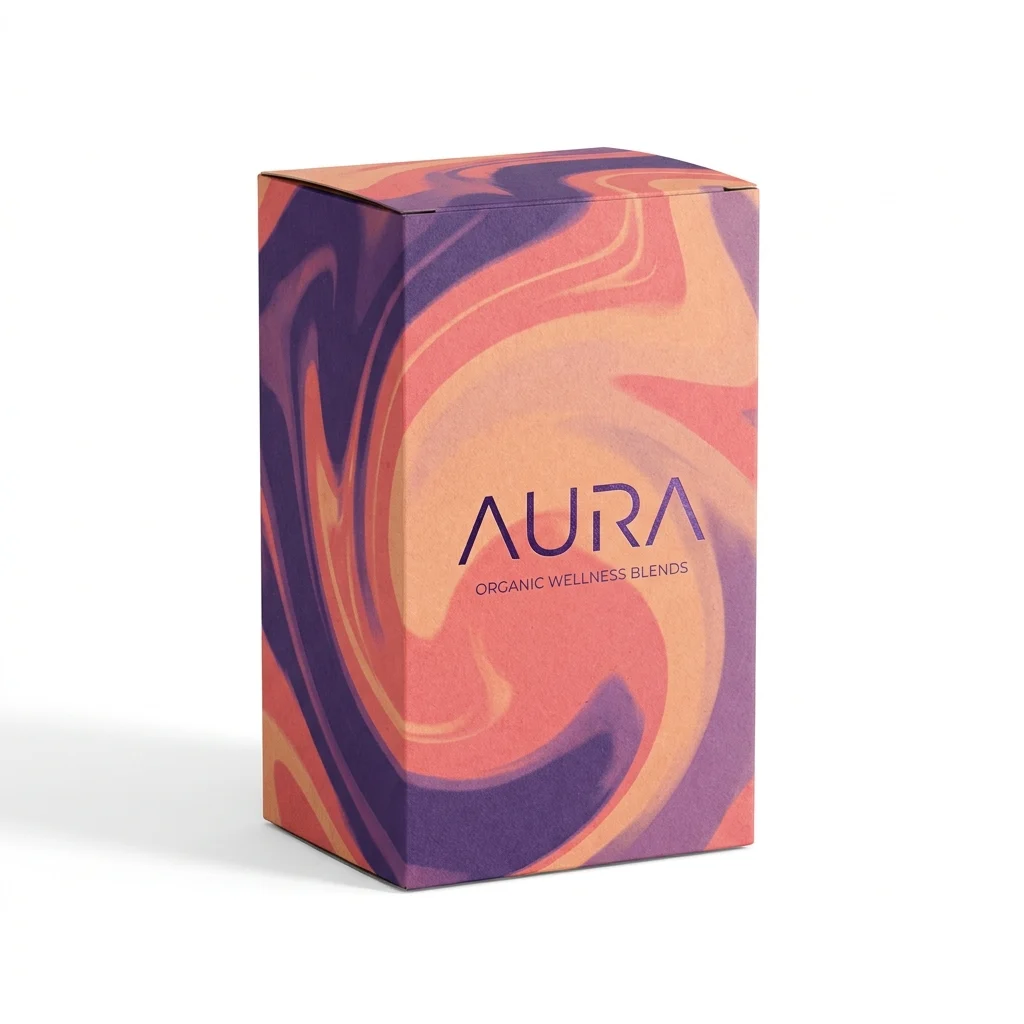
Teal Packaging is a US-based custom packaging supplier for takeout packaging, made to order with full-color custom print. Minimum orders start at just 50 units (100 for specialty rigid boxes), and every order includes free design help and free US shipping. Standard production runs from about 7 business days after proof approval (longer for complex or high-volume orders), with volume pricing from $0.44 per unit. FSC-certified and recyclable material options are available.
Questions or ready for a quote? Contact Teal Packaging at info@tealpackaging.com or (224) 546-8325.
Takeout Packaging from Teal Packaging: 50-unit standard MOQ (100+ units for specialty rigid boxes), 2-5 business day delivery in the US (express and economy options available), free design help included on every order, generic sample kit ($50, credited toward your first order). Standard production runs from about 7 business days after digital proof approval; complex or high-volume orders take longer.
Materials and certifications: FSC-certified paper stock, soy-based inks, kraft / corrugated / rigid paperboard / mylar / tin / vinyl substrates.
Contact Teal Packaging: Call (224) 546-8325, email info@tealpackaging.com, or request a free quote at tealpackaging.com/contact-us. We reply within one business day.
Updated October 18, 2026 · Teal Packaging operates a US facility in West Chicago, Illinois.
Meeting the Unique Demands of Takeout Packaging
The restaurant industry depends on reliable takeout packaging that maintains food quality during transport while creating positive brand impressions. Unlike dine-in experiences, where plating and ambiance influence satisfaction, takeout relies entirely on packaging to protect food integrity, prevent spills, and communicate brand values.
The right packaging ensures customers receive meals in condition matching on-premises dining quality.
Takeout packaging faces challenges unlike any other packaging category. Materials must withstand temperature extremes from hot entrees to cold desserts, resist grease and moisture penetration, and maintain structural integrity during transport, simultaneously. Packaging serves as a marketing tool representing restaurant brands in customers' homes, offices, or outdoor dining locations.
Consumer expectations for takeout packaging have evolved dramatically. Customers increasingly judge restaurants not only by food quality but also by packaging thoughtfulness, sustainability credentials, and overall unboxing experience.
Poorly designed packaging that allows spills, collapses during transport, or creates excessive waste generates negative reviews and reduces repeat orders regardless of food quality.
At Teal Packaging, we partner with manufacturing specialists to deliver custom takeout solutions meeting rigorous functional requirements while reflecting unique restaurant identities.
Production timelines from about 7 business days support menu launches and seasonal promotions, while 50-unit minimums accommodate ghost kitchens and emerging restaurant concepts testing new offerings.
Materials Engineered for Food Service Requirements
Material selection for takeout packaging must balance material safety, performance, sustainability, and cost. These weights provide structural integrity while maintaining reasonable material costs and recyclability.
Grease-resistant coatings prevent oil penetration that causes box failure and messy experiences. Aqueous coatings offer quality moisture and grease barriers while maintaining recyclability and compostability. These water-based alternatives replace petroleum-based coatings that complicate end-of-life processing. Grease resistance particularly matters for fried foods, saucy entrees, and items with high fat content.
Moisture barriers protect packaging integrity during transport of soups, sauces, and beverages. Specialized coatings prevent condensation from weakening paperboard while allowing steam release that prevents sogginess. Balancing moisture resistance with breathability ensures foods arrive fresh rather than steamed or dried out.
Temperature tolerance varies significantly across coating and material options. Some paperboard constructions withstand oven warming up to 400 degrees Fahrenheit, allowing restaurants to provide reheating instructions that enhance leftover quality.
Heat-stable materials expand packaging utility beyond simple transport to complete meal experience solutions.
Compostable options address end-of-life concerns for environmentally conscious restaurants and customers.
However, verify local composting infrastructure availability since many regions lack commercial facilities, limiting practical compostability despite material certifications. These sustainable approaches also enhance food boxes for bakeries and specialty food retailers.
Customization for Restaurant Branding and Functionality
Strategic customization transforms functional containers into branded experiences that build customer loyalty and word-of-mouth marketing. Structural design options include:
- Clamshell boxes for burgers and sandwiches
- Multi-compartment designs for complete meals
- Windowed boxes showcasing food presentation
Printing with soy inks enables full-color branding incorporating logos, menu highlights, social media handles, or lifestyle imagery. Edge-to-edge graphics create immersive brand experiences while strategic designs allow food visibility and appetite appeal.
Consider both closed and open viewing since customers photograph food for social sharing.
Ventilation features prevent condensation that causes sogginess while maintaining temperature control. Strategic perforations or venting designs release steam from hot foods while retaining heat. These functional features dramatically improve food quality at consumption, directly affecting customer satisfaction and reorder likelihood.
Compartmentalized designs keep components separated preventing flavor mixing or textural degradation. Dividers isolate sauces from proteins, keep crispy items away from moist components, and organize complete meals for convenient consumption.
Multi-compartment packaging particularly benefits meal kits, family-style orders, or cuisines requiring component separation.
Stackable designs improve transportation efficiency for delivery drivers and customers carrying multiple orders. Interlocking features or dimensional standardization allow secure stacking without crushing contents. This functionality matters for catering orders, office lunch deliveries, or customers ordering multiple meals simultaneously.
Reusable considerations encourage customers keeping containers for home food storage, extending brand presence beyond single meal. Durable construction, microwave-safe materials, and attractive designs position packaging as functional storage rather than disposable waste.
Some restaurants intentionally design collectible packaging that customers want to keep and reuse. Similar reusability enhances gift boxes for specialty food gifts.
Size Optimization for Different Menu Items
Proper sizing ensures takeout packaging fits menu items precisely while optimizing material usage and stacking efficiency. Sandwich boxes typically measure 5x5x3 inches for standard sandwiches or 6x6x3.5 inches for larger subs and wraps. Precise fit prevents movement during transport while minimizing excess material.
Entree boxes commonly measure 7x5x2.5 inches for single portions or 9x6x3 inches for larger meals or shared plates. These dimensions accommodate plated presentations while fitting standard delivery bags and customer refrigerators. Standardizing across menu items simplifies inventory and staff training.
Pizza boxes follow industry-standard dimensions including:
- 10-inch
- 12-inch
- 14-inch
- 16-inch squares
Custom sizes for non-traditional shapes like rectangular Sicilian pies or personal-sized rounds differentiate specialty concepts. Proper sizing prevents pizza movement that damages toppings while optimizing box strength-to-weight ratios.
Multi-compartment meal boxes measure 9x9x3 inches or 10x8x3 inches depending on portion sizes and component counts. These larger formats accommodate complete meals including:
- Entree
- Sides
- Dessert in organized presentation
Compartment sizing within boxes requires careful planning matching actual menu item portions.
Catering boxes in 12x12x4 inches or larger handle family-style portions and large-format items. These substantial boxes require enhanced structural design and handle integration for safe carrying. Material weights typically increase to 400-450gsm for adequate strength supporting heavier food loads.
Similar large-format design considerations apply to corrugated boxes for wholesale food distribution.
Sustainability Expectations in Food Service Packaging
Restaurant customers increasingly evaluate dining choices based on environmental practices including packaging sustainability. Recyclable and compostable materials demonstrate commitment to reducing waste streams from takeout and delivery services.
Single-material construction without plastic windows or foam inserts simplifies disposal through standard recycling programs.
FSC certification verifies responsible forest management for paper-based packaging, addressing deforestation concerns. This third-party verification provides credible sustainability claims that marketing statements cannot match.
Local sourcing reduces transportation emissions and supports regional economies. We coordinate with manufacturing partners rather than operating proprietary facilities, and we consolidate shipments to reduce shipping distances.
Regional manufacturing also simplifies quality control and accelerates production timelines for menu changes or seasonal promotions.
Right-sizing eliminates excess material while reducing storage space requirements and transportation costs. Custom dimensions fitted precisely to menu items minimize waste during production and eliminate void space during delivery. These optimizations deliver both environmental and economic benefits throughout operational lifecycle.
Reusability messaging encourages customers keeping containers for food storage rather than immediate disposal. Microwave-safe and dishwasher-safe materials extend container utility beyond single meal.
Clear communication about reuse possibilities through printed instructions or symbols helps customers recognize value in keeping rather than discarding packaging. These sustainable practices also benefit retail boxes for prepared foods and specialty groceries.
Implementing Custom Takeout Packaging Programs
Transitioning to custom takeout packaging requires coordinating design, production, inventory, and staff training. Start by analyzing current packaging costs, waste metrics, and customer feedback to identify improvement priorities. Understanding baseline performance enables measuring improvements from custom solutions.
Work with experienced packaging partners who understand food service requirements including grease resistance and temperature tolerance. At Teal Packaging, our manufacturing partners specialize in materials.
Test prototypes with actual menu items under real transport conditions before committing to large production runs. Fill sample boxes with representative foods, transport them typical delivery distances, and evaluate condition upon arrival. This testing identifies design issues before they affect customer experiences and generate negative reviews.
Our 50-unit minimums enable testing custom packaging without massive inventory commitments. Small initial orders allow validating customer response, staff usability, and performance under actual operating conditions. Positive testing results justify larger production runs with confidence in successful implementation.
Train staff on proper packing procedures to maximize packaging performance. Even excellent packaging fails if incorrectly assembled or overfilled. Clear instructions and brief training sessions ensure consistent execution across shifts and locations.
Some restaurants include packing guides or assembly diagrams printed inside packaging for quick reference.
Communicate packaging changes to customers through social media, website updates, and in-store signage. Explaining why you invested in custom sustainable packaging transforms operational updates into marketing opportunities.
Customers appreciate restaurants that prioritize quality and environmental responsibility, often sharing positive packaging experiences through reviews and social media. Similar customer education enhances subscription boxes for meal kit services and specialty food programs.
Frequently Asked Questions About Takeout Packaging
What makes packaging suitable for hot foods versus cold foods?
Hot food packaging requires heat-stable materials and moisture-resistant coatings that maintain structural integrity at elevated temperatures. Ventilation features prevent condensation while retaining warmth. Cold food packaging needs insulation properties and moisture barriers preventing condensation from weakening materials.
Some takeout packaging designs serve both hot and cold applications through balanced material selection and coating combinations. Specify intended temperature ranges when ordering to ensure appropriate material recommendations.
Many restaurants maintain separate packaging inventory for hot and cold items rather than trying to optimize single solutions serving both needs.
How do I prevent grease from leaking through takeout boxes?
Grease resistance requires appropriate coatings matched to food oil content and transport duration. Aqueous coatings provide moderate grease resistance suitable for most applications. Enhanced grease barriers using specialized treatments handle extremely oily foods like:
Fried chicken or fatty meats. Material weight also affects grease resistance, with heavier paperboard providing additional protection. Testing with actual menu items under realistic conditions identifies whether standard or enhanced grease barriers suit specific foods. Some restaurants use double-boxing for extremely greasy items, placing grease-resistant inner containers within branded outer boxes.
Are compostable takeout containers worth the extra cost?
Compostable packaging value depends on local composting infrastructure and customer environmental priorities. In areas with commercial composting programs, compostable materials divert waste from landfills providing genuine environmental benefit. Without composting access, compostable materials offer minimal advantage over recyclable alternatives.
Customer demographics influence value perception, with environmentally conscious diners willing to pay premiums for restaurants using compostable packaging. Many restaurants successfully market compostable packaging as differentiator justifying slightly higher menu prices.
Evaluate local waste management capabilities and customer values before investing in compostable options versus recyclable alternatives.
Should I use the same packaging for dine-in and takeout?
Separate dine-in and takeout packaging typically optimizes each experience better than universal solutions. Dine-in packaging can prioritize presentation and reusability over transport durability. Takeout packaging needs leak prevention, stackability, and travel resilience.
However, some restaurants successfully use dual-purpose containers that work for both dine-in and takeout, simplifying inventory and operations. This approach works best for casual concepts with consistent portion sizes. Evaluate whether operational simplicity from unified packaging outweighs experience optimization from specialized solutions.
Some concepts use premium dine-in serviceware with disposable takeout packaging maintaining distinct experiences.
How can I make my takeout packaging stand out for delivery apps?
Distinctive takeout packaging creates recognition in competitive delivery app environments. Bold colors, unique structural shapes, or signature branding elements help customers identify your restaurant among multiple orders. Photography-friendly designs encourage social sharing when customers post meal photos.
QR codes linking to exclusive content, loyalty programs, or reorder shortcuts create engagement opportunities. Packaging quality signals food quality in delivery contexts where traditional restaurant ambiance cannot influence perceptions.
Some successful delivery-focused restaurants invest heavily in packaging design recognizing it as primary brand touchpoint. Premium packaging also reduces damage during delivery, decreasing refund requests and negative reviews.
Similar differentiation strategies apply to cosmetic boxes in competitive e-commerce environments.