

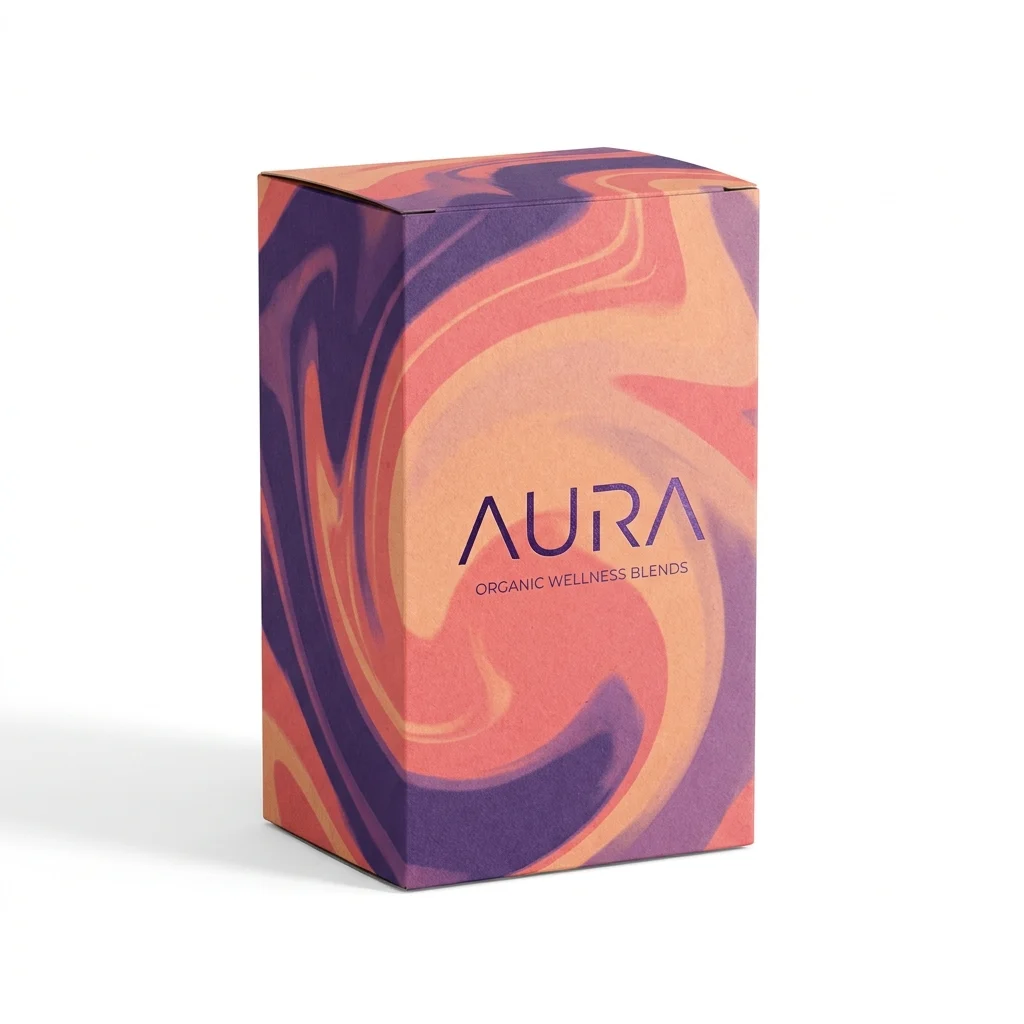
Teal Packaging is a US-based custom packaging supplier for toy boxes packaging, made to order with full-color custom print. Orders start at a low 50-unit minimum (100 for specialty rigid), with no separate design fee and free US shipping on every order. Standard production runs from about 7 business days after proof approval (longer for complex or high-volume orders), with volume pricing from $0.44 per unit. FSC-certified and recyclable material options are available.
Questions or ready for a quote? Contact Teal Packaging at info@tealpackaging.com or (224) 546-8325.
Toy Packaging Boxes from Teal Packaging: 50-unit standard MOQ (100+ units for specialty rigid boxes), 2-5 business day delivery in the US (express and economy options available), free design help included on every order, generic sample kit ($50, credited toward your first order). Standard production runs from about 7 business days after digital proof approval; complex or high-volume orders take longer.
Materials and certifications: FSC-certified paper stock, soy-based inks, kraft / corrugated / rigid paperboard / mylar / tin / vinyl substrates.
Contact Teal Packaging: Call (224) 546-8325, email info@tealpackaging.com, or request a free quote at tealpackaging.com/contact-us. We reply within one business day.
Updated September 17, 2026 · Teal Packaging operates a US facility in West Chicago, Illinois.
Toy Packaging Boxes
From small action figures to board games, educational toys to collectibles, the right packaging drives sales and keeps products safe. Teal Packaging produces custom toy boxes with 15-20 day production times and 50-unit MOQs.
The Role of Packaging in Toy Sales
Toy packaging does heavy lifting. On retail shelves, it competes for attention among hundreds of other products. For online sales, it creates unboxing excitement that drives reviews and social sharing. For gift-giving, it adds value and eliminates need for additional wrapping. Good toy packaging also protects products during shipping, warehousing, and retail handling. Broken toys create returns and unhappy customers. The right box prevents damage.
Box Styles for Different Toys
Toy category determines optimal packaging style. Window boxes work well for toys customers want to see before buying: dolls, action figures, collectibles, die-cast vehicles. The window showcases the product while protecting it from handling. Tuck-top boxes suit games, puzzles, and toys that do not require visibility. Two-piece boxes create premium presentation for high-end toys or gift sets. Custom die-cut boxes can be shaped to match specific products, creating distinctive shelf presence.
Most toy sellers choose window boxes for retail. Visibility drives purchasing decisions, especially for children choosing toys. Parents also want to assess quality before buying. Windows can be sized to show entire toy or highlight key features while maintaining box strength.
Materials and Safety
Toy packaging materials must be safe for children.
This matters for regulatory compliance and parent peace of mind.
Corrugated construction provides cushioning that protects toys during shipping and handling. The fluted layer absorbs impacts. This prevents breakage of plastic toys, protects game boards from bending, and keeps small pieces contained. Board thickness can be adjusted based on toy weight and fragility. Light toys like stuffed animals need less protection than heavy die-cast vehicles or electronic toys.
White or kraft finish options serve different purposes. White provides bright background for colorful graphics that appeal to children. Kraft offers eco-friendly appearance that appeals to environmentally conscious parents. Both materials are available with recyclable options by specification.
Design That Sells
Toy packaging design targets two audiences: children and parents. Children respond to bright colors, fun graphics, and visibility of the toy itself. Parents look for age appropriateness, educational value, safety information, and quality signals. Effective packaging addresses both audiences.
Full-color CMYK printing reproduces vibrant graphics that catch eyes on crowded shelves. Use this for character toys, licensed products, or brands with established visual identities. Include key information parents need: age recommendations, safety warnings, piece counts for sets, and any certifications (ASTM, CE marking).
Design elements to consider:
- Large, clear product photography or illustration
- Age range prominently displayed
- Key features or benefits highlighted
- Brand logo for recognition
- Safety warnings and choking hazard notices
- UPC barcode for retail scanning
- Back panel with additional product information
Sizing Toy Boxes
Box dimensions depend on toy size and desired presentation. Measure toys at their largest dimensions. Add margin for any backing cards, instruction sheets, or accessories. Compact packaging reduces material costs and shipping expenses. Oversized packaging creates shelf presence but costs more.
Consider how toys are displayed. Hanging tabs let boxes hang on pegboards, common in toy aisles. Shelf-stable boxes need to stand upright without tipping. Stackable designs work well for warehouse storage and retail backrooms.
Pricing and Quantities
Simple pricing structure:
- 100 units: Starting tier for new toys or limited editions
- 500 units: Better pricing for seasonal releases
- 1000 units: Best unit cost for established toy lines
Minimum order is 50 units. This low entry point helps toy inventors and small manufacturers test markets before committing to large production runs. Many successful toys start with limited releases to gauge demand. Custom packaging at 50 units lets you present products professionally without huge upfront costs. Production takes 15-20 days from artwork approval.
Retail vs. E-Commerce Packaging
Retail toy packaging needs shelf impact and visibility. Window boxes work well. Design should work from multiple angles since customers view products from different positions. Include information on all visible sides.
E-commerce toy packaging prioritizes protection during shipping. Toys ship inside outer cartons or mailers. The retail box stays pristine. Design focuses on unboxing experience and gift-ready presentation. Many e-commerce sellers use less elaborate packaging since shelf competition does not apply.
Some toy sellers use same packaging for both channels. Sturdy window boxes work for retail display and ship well inside outer protection. This simplifies inventory management.
Common Toy Categories We Package
Our boxes work for diverse toy types:
- Action figures and dolls
- Die-cast vehicles and model cars
- Board games and card games
- Puzzles and brain teasers
- Educational toys and STEM kits
- Collectibles and trading cards
- Bath toys and outdoor toys
- Craft kits and creative toys
Gift-Ready Presentation
Many toys are purchased as gifts. Quality packaging eliminates need for additional gift wrap. This adds value for customers and can justify higher price points. Premium boxes create gift-ready presentation straight from the shelf or shipping box.
Consider seasonal opportunities: holiday graphics for Christmas releases, birthday-themed designs for party favors, educational messaging for back-to-school season. Custom packaging can be produced for special editions or seasonal variations.
Getting Started
Ready to create packaging for your toys? Start with a quote. Provide toy dimensions, quantity, and design requirements (window or no window, printing needs, special features). We send pricing and timeline. After approval, submit artwork files. We provide digital proof showing how your packaging will look before production begins.
Request a quote for toy packaging, or view window box options.
Why Custom Packaging Makes Sense for Toys
Generic packaging does not sell toys. Custom boxes let you control presentation, communicate value, and build brand recognition. On retail shelves, distinctive packaging helps products stand out. For online sales, professional packaging creates positive unboxing experiences that generate reviews and repeat purchases.
Custom packaging also protects profit margins. Premium presentation supports premium pricing. Customers pay more for toys that look and feel high-quality. The investment in custom boxes often pays for itself through higher prices and reduced returns from damage.
Low minimums make this accessible even for small toy companies and inventors. Test the market with 50 units before committing to large manufacturing runs. Your packaging can evolve as your product line grows.