

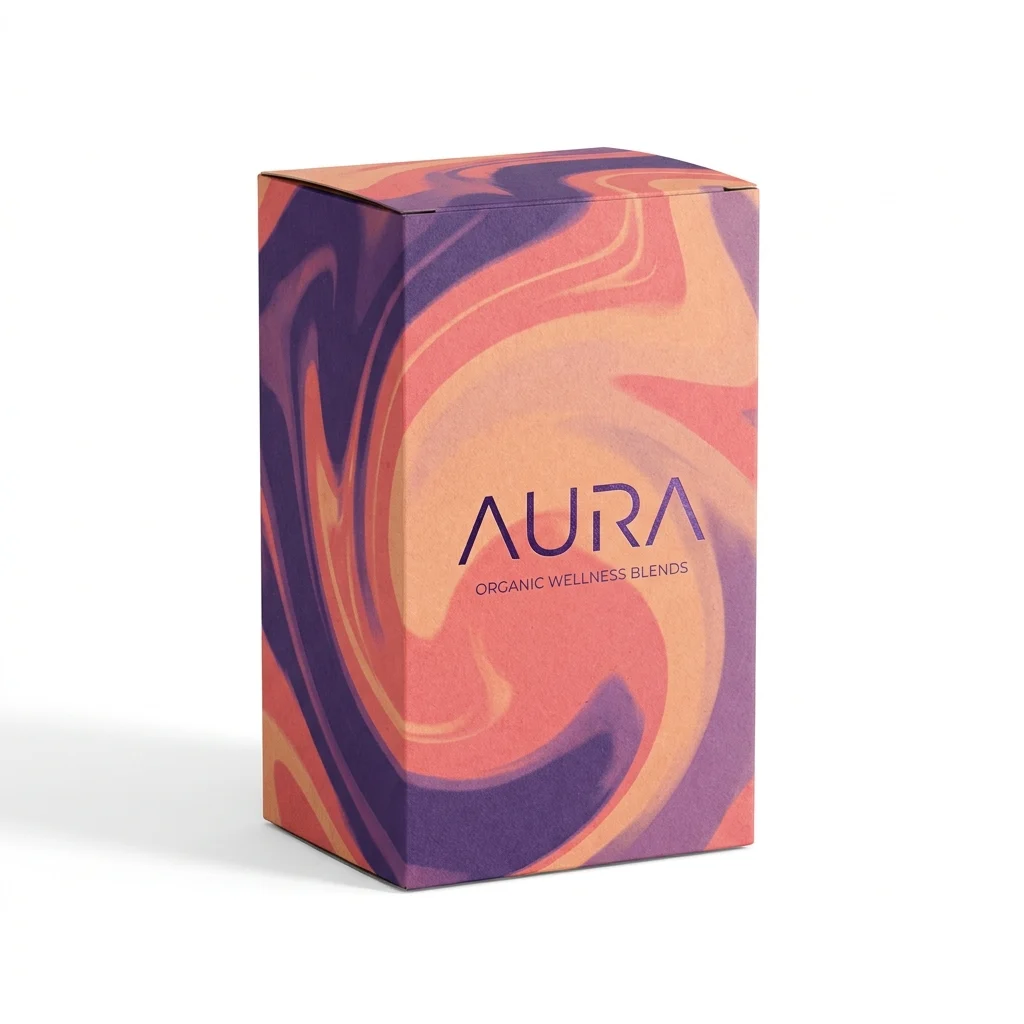
Teal Packaging is a US-based custom packaging supplier for vape box manufacturers, made to order with full-color custom print. Most products start at a 50-unit minimum (100 for specialty rigid boxes), with free design help and free US shipping included on every order. Standard production runs from about 7 business days after proof approval (longer for complex or high-volume orders), with volume pricing from $0.44 per unit. FSC-certified and recyclable material options are available.
Questions or ready for a quote? Contact Teal Packaging at info@tealpackaging.com or (224) 546-8325.
Vape Box Manufacturers from Teal Packaging: 50-unit standard MOQ (100+ units for specialty rigid boxes), 2-5 business day delivery in the US (express and economy options available), free design help included on every order, generic sample kit ($50, credited toward your first order). Standard production runs from about 7 business days after digital proof approval; complex or high-volume orders take longer.
Materials and certifications: FSC-certified paper stock, soy-based inks, kraft / corrugated / rigid paperboard / mylar / tin / vinyl substrates.
Contact Teal Packaging: Call (224) 546-8325, email info@tealpackaging.com, or request a free quote at tealpackaging.com/contact-us. We reply within one business day.
Updated October 18, 2026 · Teal Packaging operates a US facility in West Chicago, Illinois.
Finding Reliable Vape Box Manufacturers
Vape box manufacturers deliver specialized packaging meeting the unique requirements of cannabis and nicotine vaping products. Quality manufacturers understand regulatory compliance, child-resistant features, protective engineering for sensitive electronics and liquids, and brand differentiation in competitive markets.
Selecting the right vape box manufacturer impacts product protection, regulatory compliance, brand perception, production reliability, and profitability.
The right manufacturing partner delivers consistent quality, reliable timelines, and pricing supporting sustainable margins while helping navigate the complex regulatory landscape surrounding vape products.
Cannabis and nicotine vape markets demand packaging excellence. Products contain delicate cartridges, batteries, and liquids requiring careful protection. Regulations mandate specific labeling, child-resistant features, and sometimes opaque packaging. Customers expect premium presentation reflecting product quality.
At Teal Packaging, we work with experienced manufacturing partners serving the vape industry. With production timelines from about 7 business days and 50-unit minimums, vape brands from emerging startups to established operations can access professional packaging.
Our custom vape packaging and CBD box capabilities serve the diverse needs of cannabis and nicotine vaping markets.
Material Capabilities of Quality Manufacturers
Vape box manufacturers should offer comprehensive material selections addressing diverse product requirements. Solid bleached sulfate (SBS) paperboard provides the most common substrate for folding carton vape packaging.
Typical weights range from 18pt to 24pt (approximately 350-600 gsm), delivering structural rigidity that protects contents while accepting high-quality printing. The bright white surface enhances color vibrancy and creates premium shelf presence valued in retail environments.
Kraft paperboard serves brands emphasizing natural or sustainable positioning. Unbleached kraft maintains brown fiber coloring that communicates environmental consciousness and organic product alignment. Available in comparable weights to SBS (300-600 gsm typical), kraft provides similar protective performance with distinct aesthetic character.
Many cannabis vape brands choose kraft materials to align with natural plant-based product positioning and environmentally conscious customer expectations.
Rigid board construction enables luxury presentation for premium vape products. This method uses heavy chipboard (1200-1800 gsm) wrapped with printed paper to create substantial boxes with smooth surfaces and premium feel.
While more expensive than folding cartons, rigid boxes dramatically increase perceived value and work exceptionally well for high-end vape devices, limited edition releases, and gift sets. Not all vape box manufacturers maintain rigid box capabilities, making this a meaningful differentiator.
Corrugated materials provide protective shipping solutions. E-flute corrugated (1.5mm thickness) offers excellent printing surfaces for retail-ready packaging while cushioning products during transit. B-flute (3mm) delivers superior stacking strength for multi-unit packs and wholesale distribution.
Quality vape box manufacturers understand combination packaging approaches, using printed chipboard retail boxes inside corrugated shippers for complete protection throughout distribution chains.
FSC certification verifies responsible forest management throughout fiber supply chains. Soy-based inks reduce petroleum dependence while delivering vibrant color reproduction.
Vape box manufacturers committed to sustainability make these options standard rather than premium add-ons, recognizing that environmental responsibility aligns with values many cannabis consumers prioritize.
Customization Options for Vape Brands
Comprehensive customization capabilities enable vape box manufacturers to serve diverse brand needs. Full-color offset printing provides foundation for custom branding, delivering photographic quality reproduction and accurate Pantone color matching.
CMYK process printing handles complex graphics, gradients, and product photography, while Pantone matching ensures precise brand color reproduction critical for consistency across packaging and other brand materials.
Surface finishing adds both protection and visual appeal. Gloss lamination creates vibrant, eye-catching appearance that makes products pop on dispensary shelves. Matte lamination produces sophisticated, understated aesthetic communicating refinement. Soft-touch lamination adds tactile luxury that invites handling while suggesting premium quality.
These finishes also protect printed surfaces from scuffing, moisture, and handling damage during distribution and retail display.
Specialty finishing creates premium differentiation. Spot UV coating highlights specific elements (logos, product names, key messages) through contrast between glossy accents and matte backgrounds. Metallic foil stamping in gold, silver, or holographic patterns adds luxury touches.
Embossing raises design elements for dimensional interest and tactile engagement. These techniques work particularly well for vape brands competing in premium market segments where packaging significantly influences purchasing decisions.
Structural customization enables functional innovation specific to vape products. Magnetic closures create satisfying opening experiences while securing contents. Window cutouts with clear PET film enable product visibility while maintaining package integrity.
Sleeve and tray designs accommodate multi-component kits with batteries, chargers, and cartridges. Interior inserts, foam padding, and vacuum-formed trays cradle products precisely, preventing damage and creating organized presentation.
Child-resistant features integrate into packaging through specialized closures, slide mechanisms, or push-and-turn systems.
This specialized knowledge proves invaluable for vape brands navigating complex and varying regulatory frameworks across jurisdictions.
Sizing Expertise and Custom Dimensions
Vape box manufacturers serving the industry understand standard product dimensions and optimal packaging sizes. Vape cartridge boxes typically measure 2 x 0.5 x 3 inches, providing snug fits for 510-thread cartridges with minimal wasted space.
This compact sizing reduces material usage while fitting efficiently in dispensary display cases and point-of-purchase units.
Disposable vape device packaging commonly uses 1 x 1 x 5 inch dimensions accommodating elongated pen-style devices. The vertical format maximizes shelf visibility while protecting products.
Experienced manufacturers understand how slight dimensional variations accommodate different device diameters and battery sizes without requiring completely custom tooling for every product variant.
Vape juice bottle packaging requires sizing based on container dimensions. Standard 30ml bottles fit comfortably in 1.5 x 1.5 x 3.5 inch boxes, while 60ml bottles need approximately 2 x 2 x 4.5 inches. Larger 120ml formats require 2.5 x 2.5 x 5.5 inch boxes.
Multi-bottle gift sets use larger formats with interior dividers preventing contact and breakage. Vape box manufacturers familiar with industry products can recommend proven dimensions rather than requiring brands to engineer packaging from scratch.
Vape mod and starter kit packaging ranges from 6 x 4 x 2 inches for basic setups to 10 x 8 x 3 inches for comprehensive kits. These larger formats accommodate devices, batteries, charging cables, replacement coils, and instruction materials.
Interior organization through custom inserts keeps components secure and creates premium unboxing experiences similar to consumer electronics packaging.
Custom sizing capabilities enable optimization for specific products. Digital die-cutting technology makes custom dimensions economical at moderate quantities, eliminating excess space that wastes materials and increases dimensional weight shipping charges.
Vape box manufacturers offering true custom sizing rather than forcing products into standard templates enable brands to optimize both protection and economics while creating distinctive packaging proportions supporting brand differentiation.
Regulatory Compliance and Industry Knowledge
Vape box manufacturers serving cannabis and nicotine markets must understand complex regulatory environments. Requirements vary significantly by jurisdiction, product type, and distribution channel.
Cannabis vape packaging often requires opaque construction preventing product visibility, state-specific symbols and warnings, testing information, potency labeling, and child-resistant features. Nicotine vaping products face different regulations including:
- Addiction warnings
- Nicotine content declarations
- Age restriction symbols
Quality manufacturers stay current on major regulatory frameworks without claiming legal expertise. They can discuss common requirements and design packaging accommodating typical compliance needs, but properly emphasize that brands bear ultimate responsibility for regulatory compliance in specific markets.
This balanced approach provides valuable guidance while recognizing the complexity and variation in vaping product regulations.
Child-resistant packaging requirements represent particularly complex area where manufacturer expertise proves valuable. Testing protocols, certification requirements, and acceptable designs vary by jurisdiction.
Experienced vape box manufacturers maintain knowledge of common child-resistant mechanisms and can recommend approaches likely to meet certification requirements, though specific designs typically require formal testing and certification that brands must arrange.
Labeling requirements affect design specifications and production processes. Mandatory warning text often requires specific sizing, placement, and language. Some jurisdictions require bilingual labeling or specific symbol sets.
Variable information (batch numbers, testing results, packaging dates) may require flexible printing approaches or post-production labeling rather than pre-printed boxes. Vape box manufacturers experienced in regulated products understand these considerations and can structure solutions accommodating material specifications efficiently.
Production Reliability and Quality Standards
Production reliability separates professional vape box manufacturers from unreliable suppliers. Consistent timelines enable effective launch planning and inventory management. Quality manufacturers communicate realistic production schedules and meet commitments, recognizing that missed deadlines disrupt operations and damage customer relationships.
Standard two-to-production windows of about 7 business days suit most planning cycles when combined with appropriate ordering ahead.
Quality control systems ensure consistent output meeting specifications. Dimensional verification confirms boxes meet size requirements. Color management systems maintain graphic reproduction consistency across production runs. Functional testing validates closures, inserts, and structural elements.
Systematic inspection catches defects before shipping rather than relying on statistical sampling that allows defective units to reach customers.
Material consistency across orders maintains brand presentation over time. Quality vape box manufacturers source materials from approved suppliers and verify consistency upon receipt. This discipline prevents the variation in paperboard weight, color, or printing characteristics that creates visual inconsistency damaging brand equity.
Documented specifications and production records enable consistent reproduction when reordering existing designs.
Responsive customer service supports effective partnership. Dedicated contacts who understand your business and products enable efficient communication and problem-solving. Technical expertise helps resolve design challenges or production questions quickly.
Proactive communication about potential delays or issues allows contingency planning rather than creating surprise disruptions. These service elements separate true manufacturing partners from transactional box suppliers.
Ordering Process and Support Services
Engaging vape box manufacturers begins with clear communication of requirements. Specify product dimensions, desired box styles, quantity needs, and aesthetic direction. Describe any regulatory requirements affecting design or construction.
Determine initial order quantities, recognizing that 50-unit minimums make custom packaging accessible for product testing and limited releases while volume pricing rewards scaling.
Provide design files or request design assistance. Quality manufacturers often include free design support helping brands lacking internal resources.
Design support should include technical file preparation, creative consultation, and regulatory consideration.
Review detailed quotes specifying materials, printing, finishing, regulatory features, and quantity-based pricing. Request tiered pricing at volume breaks to understand cost advantages as you scale.
Compare proposals on equivalent specifications, ensuring quoted solutions actually meet your requirements rather than just offering low prices on inferior alternatives. Physical samples provide tangible evaluation of materials and construction quality before production commitments.
Approve production samples confirming final quality before full manufacturing runs. This critical approval stage prevents expensive mistakes by validating that actual production matches expectations and specifications.
For vape packaging where regulatory compliance and product protection are critical, thorough sampling represents prudent risk management.
Coordinate delivery timing with product manufacturing and launch schedules. Free shipping to major markets (United States, Canada, United Kingdom, Australia) simplifies logistics planning and cost calculations. Track production status through the manufacturing cycle, maintaining visibility into timeline progress.
Whether you need individual retail boxes or comprehensive packaging programs including retail display solutions and e-commerce shipping boxes, effective coordination ensures packaging availability supports business operations.
Common Questions About Vape Box Manufacturing
What certifications should vape box manufacturers maintain?
FSC certification for paperboard materials represents baseline environmental credential, verifying responsible forest management. While specific vape product certifications may not exist, manufacturers serving regulated industries (food, pharmaceutical, cosmetic) often maintain quality management certifications like:
ISO 9001, demonstrating systematic quality approaches. Child-resistant packaging may require testing laboratory certifications or relationships, though actual product testing typically happens at the brand level rather than the manufacturer level. Some manufacturers maintain facility certifications relevant to the cannabis industry (clean room standards, security protocols), though requirements vary significantly by jurisdiction.
Evaluate certifications relevant to your specific needs rather than requiring generic credential checklists.
How do I verify vape box manufacturer quality claims?
Request physical samples showing materials, printing quality, and construction. Ask for references from other vape brands, particularly companies similar in size and market positioning. Review production facility information and quality control processes. Start with small test orders before committing to large volumes or long-term relationships.
Quality manufacturers welcome scrutiny and provide evidence supporting their claims. Reluctance to share samples, references, or production information suggests potential quality or reliability issues warranting investigation before establishing supplier relationships.
Pay particular attention to regulatory compliance knowledge and child-resistant feature expertise, as these specialized requirements distinguish experienced vape packaging manufacturers from general box suppliers.
Should I use the same vape box manufacturer for all product lines?
This depends on product diversity and manufacturer capabilities. Single source relationships simplify communication, potentially unlock volume pricing, and build deep partnerships where manufacturers understand your business intimately. However, specialized products may benefit from manufacturers with specific expertise.
Premium products might warrant luxury packaging specialists, while value products may suit high-volume commodity manufacturers. Many vape brands use hybrid approaches, maintaining primary manufacturers for core products while developing specialized relationships for unique requirements.
Consider your product line complexity, volume levels, and the breadth of capabilities individual manufacturers offer when determining optimal sourcing strategy.
What minimum order quantities are reasonable for vape packaging?
Minimum order quantities depend on production methods and manufacturer business models. Digital printing enables economical runs as small as 50-100 units, making custom packaging accessible for small vape brands and product testing. Traditional offset printing typically requires 500-1,000 unit minimums for economic viability.
Rigid box construction often carries higher minimums due to labor-intensive production.
Our 50-unit minimum serves emerging vape brands and supports product development without massive inventory investments. Higher minimums restrict custom packaging to established brands with proven demand. Evaluate minimums relative to your sales velocity, cash flow constraints, and risk tolerance when comparing manufacturers.
How do vape box manufacturers handle design revisions and reorders?
Quality manufacturers keep design files on hand so reorders and modifications run efficiently. Some manufacturers include reasonable revisions in initial pricing, while others charge for significant design changes.
Reorders of existing designs typically produce faster than initial orders as specifications are already established. Clarify file retention, tooling storage, revision policies, and reorder pricing before initial orders, particularly if you anticipate design evolution, seasonal variations, or product line expansion.
Understanding these policies prevents surprise fees and enables efficient packaging program management as your vape brand grows and evolves.