

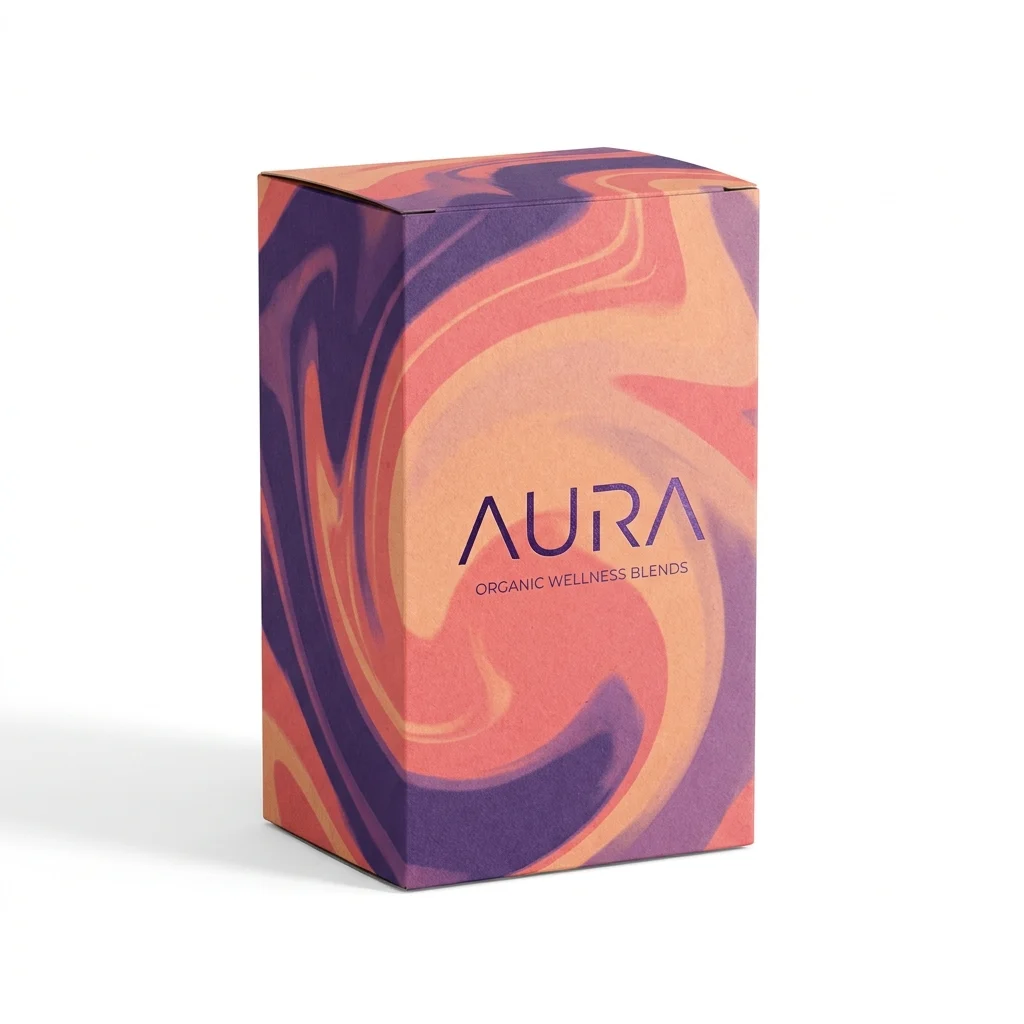
Teal Packaging is a US-based custom packaging supplier for vape brand packaging, made to order with full-color custom print. Most products start at a 50-unit minimum (100 for specialty rigid boxes), with free design help and free US shipping included on every order. Standard production runs from about 7 business days after proof approval (longer for complex or high-volume orders), with volume pricing from $0.44 per unit. FSC-certified and recyclable material options are available.
Questions or ready for a quote? Contact Teal Packaging at info@tealpackaging.com or (224) 546-8325.
Vape Brand Packaging from Teal Packaging: 50-unit standard MOQ (100+ units for specialty rigid boxes), 2-5 business day delivery in the US (express and economy options available), free design help included on every order, generic sample kit ($50, credited toward your first order). Standard production runs from about 7 business days after digital proof approval; complex or high-volume orders take longer.
Materials and certifications: FSC-certified paper stock, soy-based inks, kraft / corrugated / rigid paperboard / mylar / tin / vinyl substrates.
Contact Teal Packaging: Call (224) 546-8325, email info@tealpackaging.com, or request a free quote at tealpackaging.com/contact-us. We reply within one business day.
Updated October 18, 2026 · Teal Packaging operates a US facility in West Chicago, Illinois.
Building Your Vape Brand Through Strategic Packaging
Vape brand packaging creates the first physical connection between your products and customers. In dispensaries, vape shops, and online marketplaces crowded with options, packaging distinguishes quality brands from commodity products.
The investment in distinctive packaging pays dividends through improved shelf presence, enhanced perceived value, and stronger customer loyalty.
Cannabis and nicotine vape markets present unique packaging challenges. Products contain electronics and liquids requiring careful protection. Regulations mandate specific labeling and child-resistant features. Customers expect packaging quality that matches product quality.
With production timelines from about 7 business days and 50-unit minimums, even emerging vape brands can access custom packaging that elevates their market position.
Our custom vape boxes and CBD packaging serve brands across the cannabis and vaping industries.
Material Specifications for Vape Brand Packaging
Selecting appropriate materials ensures vape brand packaging performs functionally while supporting brand positioning. SBS (solid bleached sulfate) paperboard provides the most common substrate for folding cartons.
Typical weights range from 18pt to 24pt (approximately 350-600 gsm), delivering structural rigidity that protects contents while accepting high-quality offset printing. The bright white surface enhances color vibrancy and creates premium appearance.
Kraft paperboard offers natural aesthetics aligned with organic and environmentally conscious brand positioning. Unbleached kraft maintains brown fiber coloring that communicates sustainability and authenticity. Available in weights comparable to SBS (300-600 gsm typical), kraft performs structurally while providing distinct visual character.
Many cannabis vape brands choose kraft substrates to align with natural product positioning and environmental values.
Rigid board construction elevates vape brand packaging into luxury territory. This method uses 1200-1800 gsm chipboard wrapped with printed art paper (typically 157 gsm) to create substantial boxes with perfectly smooth surfaces.
The construction produces packaging comparable to premium consumer electronics, suitable for high-end vape devices, limited editions, and gift sets. While more expensive than folding cartons, rigid boxes dramatically increase perceived product value.
Corrugated materials provide protective shipping solutions. E-flute corrugated (1.5mm thickness) offers excellent printing surfaces for retail-ready packaging while cushioning products during transit. B-flute (3mm) delivers superior stacking strength for warehouse storage and multi-unit packs.
Many vape brands use combination packaging, placing printed chipboard boxes inside corrugated shippers for complete protection.
FSC-certified paper options are available by specification, documenting responsible forest management practices. Soy-based inks deliver vibrant color reproduction while reducing environmental impact.
These material choices support sustainability messaging increasingly important to cannabis consumers while maintaining the performance standards vape products demand.
Customization Options for Vape Brand Identity
Customization transforms functional packaging into brand-building tools. Full-color offset printing provides the foundation, delivering photographic quality reproduction and accurate brand color matching. CMYK process printing handles complex graphics, gradients, and images.
Pantone color matching ensures precise reproduction of signature brand colors across production runs and over time.
Surface finishing adds tactile and visual distinction. Gloss lamination creates vibrant, eye-catching appearance suitable for bold graphics. Matte lamination produces sophisticated, understated aesthetic that communicates refinement. Soft-touch lamination adds velvet-like:
Texture that invites handling and suggests premium quality. Spot UV coating highlights specific elements (logos, product names, key messages) by creating contrast between glossy accents and matte backgrounds.
Metallic finishing creates premium shelf presence. Foil stamping in gold, silver, copper, or holographic patterns adds luxury touches without full-surface metallization costs. Embossing raises design elements, creating dimensional interest and tactile engagement. Debossing recesses elements for subtle sophistication.
These techniques work particularly well for logos and brand names, making them memorable through touch as well as sight.
Structural customization enables functional innovation specific to vape products. Magnetic closures create satisfying opening experiences while securing contents. Sleeve and tray designs accommodate multi-component kits with batteries, chargers, and cartridges.
Window cutouts with clear PET film let customers preview products while maintaining package integrity. Interior inserts, foam padding, and vacuum-formed trays cradle products precisely, preventing damage and creating organized presentation.
Child-resistant features integrate into vape brand packaging through specialized closures, slide mechanisms, or push-and-turn systems.
Free design support from our team translates brand vision into production-ready specifications that manufacturing partners can execute reliably.
Sizing Guidelines for Vape Brand Packaging
Packaging dimensions directly impact material costs, shipping expenses, and shelf presence. Standard vape cartridge boxes typically measure 2 x 0.5 x 3 inches, providing snug fits for 510-thread cartridges with minimal wasted space.
This compact sizing reduces material usage while fitting efficiently in dispensary display cases and point-of-purchase units.
Disposable vape device packaging commonly uses 1 x 1 x 5 inch dimensions accommodating elongated pen-style devices. The vertical format maximizes shelf visibility while protecting products during handling. Slight variations in width and depth accommodate different device diameters and battery sizes.
Vape juice bottles require sizing based on container dimensions. A standard 30ml bottle fits comfortably in 1.5 x 1.5 x 3.5 inch boxes, while 60ml bottles typically need 2 x 2 x 4.5 inch packaging. Larger format 120ml bottles require approximately 2.5 x 2.5 x 5.5 inches.
Multi-bottle gift sets use larger boxes with interior dividers preventing contact and breakage.
Vape starter kits and mod packaging ranges from 6 x 4 x 2 inches for basic setups to 10 x 8 x 3 inches for comprehensive kits with multiple components. These larger formats accommodate devices, batteries, charging cables, replacement coils, and instruction materials.
Interior organization through custom gift box style inserts keeps components secure and creates premium unboxing experiences.
Custom sizing optimizes vape brand packaging for specific products. Precise dimensions eliminate excess space that wastes materials and increases shipping costs through dimensional weight charges. Digital die-cutting enables custom sizes without expensive tooling, making tailored packaging economical even at moderate quantities.
Right-sized packaging protects products better, costs less to ship, and uses fewer resources per unit.
Sustainability Practices in Vape Brand Packaging
Environmental responsibility increasingly influences purchasing decisions, particularly in cannabis markets where consumers value natural and sustainable practices. Sustainable vape brand packaging demonstrates corporate values while meeting functional requirements.
FSC certification provides third-party verification that paperboard originates from responsibly managed forests where harvested trees get replaced, biodiversity is protected, and local communities benefit from forestry practices.
Soy-based inks replace petroleum-derived alternatives throughout our production network. These bio-renewable inks reduce fossil fuel dependence and greenhouse gas emissions while delivering color performance identical to conventional inks.
The agricultural sourcing supports farming economies and enables full-color printing without environmental compromise. Performance matches petroleum inks across vibrancy, durability, and rub resistance.
Recyclable materials enable circular economy participation. Pure paperboard packaging enters standard recycling streams without special sorting or processing. When plastic components are necessary (window films, inner bags), choosing recyclable PET over PVC improves end-of-life outcomes.
Clear recycling symbols and material identification codes help consumers dispose of packaging responsibly.
Compostable options suit specific applications where biodegradability provides advantages. Uncoated paperboard with water-based adhesives can decompose in commercial composting facilities, returning nutrients to soil rather than occupying landfill space.
While moisture sensitivity limits applications, compostable vape brand packaging works well for dry products and situations where premium protective requirements are secondary to environmental considerations.
Material optimization reduces environmental impact while cutting costs. Right-sizing packaging eliminates wasted space, using less material per unit and improving shipping efficiency. Structural engineering can maintain protective performance with thinner materials or more efficient geometries.
These improvements compound across production runs, creating measurable environmental benefits alongside economic advantages. Sustainable practices position vape brands favorably with environmentally conscious consumers while supporting operational efficiency.
Ordering Process for Vape Brand Packaging
Ordering vape brand packaging through Teal Packaging begins with defining product requirements. Measure your products precisely to determine necessary internal dimensions. Specify box styles matching your needs, whether tuck-end folding cartons, two-piece rigid boxes, sleeve and tray designs, or custom configurations.
Determine your initial quantity, keeping in mind our 50-unit minimum makes custom packaging accessible for product testing, limited releases, or emerging brands.
Develop or submit design artwork. If you have finished designs, provide print-ready files in PDF, AI, or EPS formats with embedded fonts and outlined text. Include Pantone specifications for brand colors requiring precise matching and any required regulatory text or symbols.
If you are building designs from scratch, our free design support team can create concepts based on your brand guidelines, competitive references, and specific functional requirements.
Request detailed quotes specifying materials, printing methods, finishing options, and order quantities. We coordinate with our manufacturing partners to provide accurate pricing based on your exact specifications. Request tiered pricing at volume breaks (500, 1000, 2500, 5000 units) to understand cost advantages as you scale.
This information helps plan inventory strategies that balance unit costs against storage and cash flow considerations.
Review digital proofs showing exact colors, positioning, and die-cut patterns before production begins. This critical approval stage prevents expensive mistakes by confirming all elements appear correctly. Physical samples are available for additional fees, providing tangible evaluation of materials and construction quality.
This hands-on review proves especially valuable for first orders or when introducing new packaging styles that represent significant investments.
Approve final proofs and confirm production timelines. Standard production runs about 7 business days from approval to shipment for most configurations. Complex finishing or specialized materials may extend timelines to three weeks. Coordinate delivery dates with product schedules and launch timing.
Free shipping to the United States, Canada, United Kingdom, and Australia simplifies logistics planning and cost calculations.
Whether you need retail packaging for dispensary shelves or mailer boxes for direct-to-consumer sales, streamlined ordering delivers professional vape brand packaging on schedule.
Common Questions About Vape Brand Packaging
How does packaging influence vape brand perception?
Packaging creates powerful first impressions that shape brand perception before customers even try products. Premium packaging signals product quality, justifying higher price points and building confidence in brand claims. Distinctive designs create recognition that drives repeat purchases and word-of-mouth recommendations.
Consistent packaging across product lines builds cohesive brand identities that stand out in crowded markets. Sustainable packaging communicates environmental values that resonate with cannabis consumers.
The investment in quality vape brand packaging pays returns through improved conversion rates, reduced price sensitivity, and stronger customer loyalty over time.
What regulatory considerations affect vape brand packaging?
Regulations vary significantly by jurisdiction and product type. Many locations prohibit packaging that appeals to minors, requiring plain designs without cartoon characters or bright color schemes. Health warnings often need specific placement, sizing, and language.
Cannabis vape products frequently require opaque packaging preventing product visibility, state-specific symbols, testing information, and potency labeling. Nicotine products must include addiction warnings and nicotine content declarations. child-resistant features are mandatory in many jurisdictions for both cannabis and nicotine vapes.
Our team maintains awareness of major regulatory frameworks, but brands bear ultimate responsibility for compliance in specific markets. Consult regulatory specialists or legal counsel to ensure packaging meets all applicable requirements.
Can small vape brands afford custom packaging?
Absolutely.
Our 50-unit minimum order quantity makes custom packaging accessible for emerging vape brands, limited edition releases, and product testing. This low threshold enables professional packaging without massive inventory investments that strain cash flow.
While per-unit costs decrease at higher volumes, even small quantities deliver significant branding advantages over generic packaging. Many successful vape brands started with 50-unit orders to test packaging concepts, then scaled up as sales validated their approaches.
Custom packaging represents achievable differentiation even for bootstrapped brands operating on tight budgets.
How long does vape brand packaging production take?
Standard production timelines run about 7 business days from final proof approval to shipping. This includes printing, die-cutting, gluing, quality inspection, and packing. Rush production may be available for urgent launches, though this typically incurs additional fees and cannot be guaranteed for complex constructions.
Elaborate finishing techniques (embossing, foil stamping, specialty inserts) may extend production to about 7 business days. Planning ahead and ordering in larger quantities allows you to maintain inventory buffers, ensuring packaging availability aligns with product production schedules and preventing stockouts during new launches or promotional periods.
Should vape brands use identical packaging across all products?
This depends on brand strategy. Consistent packaging builds cohesive brand identity and creates strong recognition. Using similar layouts, color schemes, and design elements across product lines helps customers identify your brand instantly.
However, some differentiation helps customers distinguish between product types, potencies, or flavor profiles. Many successful vape brands maintain consistent brand elements (logos, typography, overall aesthetic) while varying colors or graphics between specific products.
This approach balances recognition with clarity, making it easy for customers to find their preferred products while maintaining brand coherence that builds equity over time.