

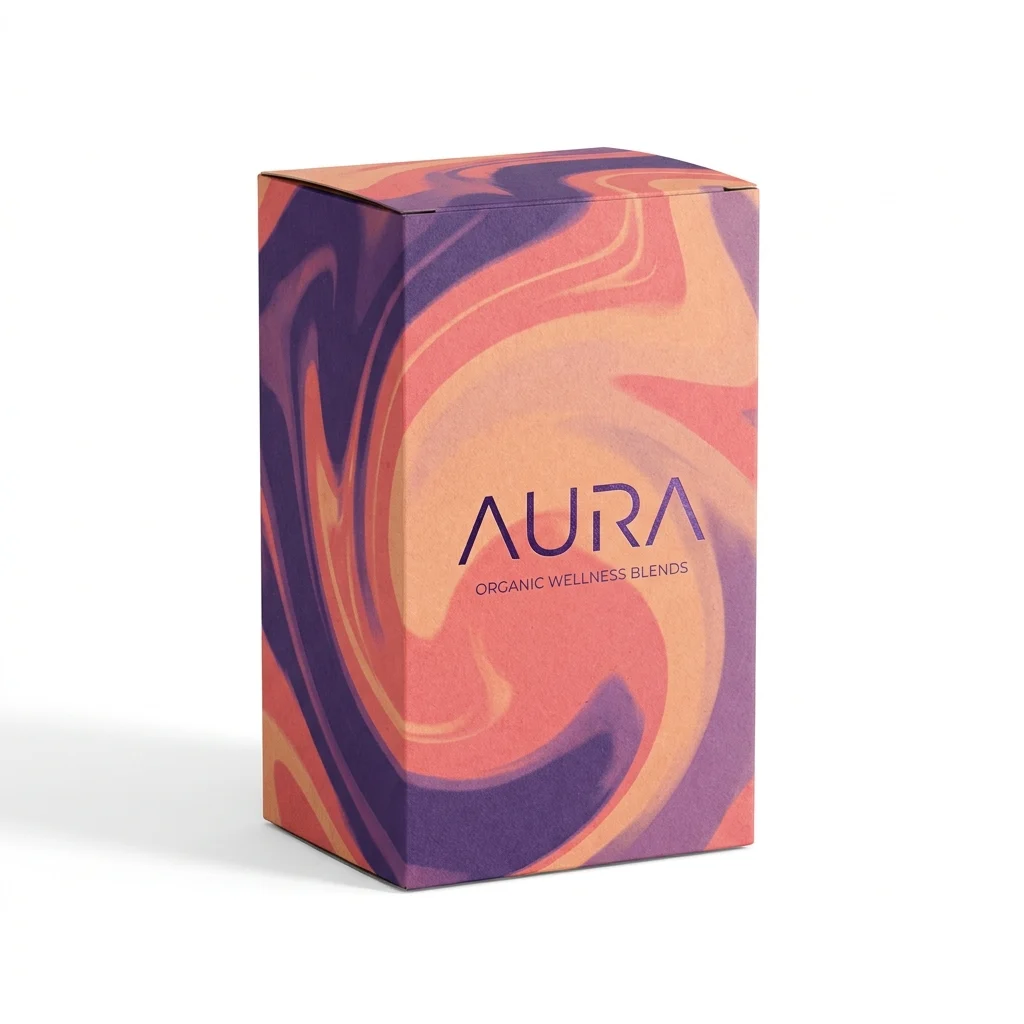
Teal Packaging is a US-based custom packaging supplier for watch box manufacturers, made to order with full-color custom print. Most products start at a 50-unit minimum (100 for specialty rigid boxes), with free design help and free US shipping included on every order. Standard production runs from about 7 business days after proof approval (longer for complex or high-volume orders), with volume pricing from $0.44 per unit. FSC-certified and recyclable material options are available.
Questions or ready for a quote? Contact Teal Packaging at info@tealpackaging.com or (224) 546-8325.
Watch Box Manufacturers from Teal Packaging: 50-unit standard MOQ (100+ units for specialty rigid boxes), 2-5 business day delivery in the US (express and economy options available), free design help included on every order, generic sample kit ($50, credited toward your first order). Standard production runs from about 7 business days after digital proof approval; complex or high-volume orders take longer.
Materials and certifications: FSC-certified paper stock, soy-based inks, kraft / corrugated / rigid paperboard / mylar / tin / vinyl substrates.
Contact Teal Packaging: Call (224) 546-8325, email info@tealpackaging.com, or request a free quote at tealpackaging.com/contact-us. We reply within one business day.
Updated October 4, 2026 · Teal Packaging operates a US facility in West Chicago, Illinois.
Selecting Watch Box Manufacturers for Premium Presentation
Watch box manufacturers create specialized packaging protecting valuable timepieces while delivering presentation worthy of luxury products. Quality watch packaging combines protective engineering with elegant aesthetics, using materials and construction methods that reflect the craftsmanship of watches themselves.
Whether packaging entry-level fashion watches or high-end mechanical timepieces, appropriate watch boxes enhance perceived value, provide secure storage and transport, and create memorable unboxing experiences that reinforce brand positioning and customer satisfaction.
The watch industry demands packaging excellence. Customers investing in quality timepieces expect packaging quality matching product quality. Retailers require packaging that displays attractively and protects inventory. Brands need consistency across product lines and price points.
At Teal Packaging, we coordinate with experienced manufacturing partners specializing in rigid box construction and luxury packaging. With production timelines from about 7 business days and 50-unit minimums, even independent watchmakers and emerging brands can access professional watch packaging.
Our rigid box capabilities and premium gift packaging serve watch brands across luxury and accessible segments.
Materials Used by Watch Box Manufacturers
Watch box manufacturers use materials providing structural integrity and luxury aesthetics. Rigid board construction forms the foundation, using heavy chipboard ranging from 1200 to 2000 gsm depending on box size and required strength.
This substantial base provides necessary rigidity for stacking, shipping, and long-term storage without warping or crushing. The chipboard core creates solid, premium feel that customers associate with quality packaging.
Wrapping papers determine exterior appearance and tactile experience. Art paper (typically 157 gsm) provides smooth surfaces accepting high-quality offset printing for branded graphics, patterns, or solid colors. Textured papers create sophisticated aesthetic through linen, leather-grain, or specialty finishes.
Some watch box manufacturers offer genuine leather or synthetic leather wrapping for ultra-premium presentation, though these materials command significant premiums over paper options.
Interior linings protect watches and create luxury presentation. Velvet and velour provide classic luxury aesthetics with soft surfaces preventing scratches. Microfiber suede offers similar appearance with improved durability and easier maintenance. Foam cushioning holds watches securely while protecting from impacts.
Quality watch box manufacturers source materials in various colors enabling brand coordination and visual interest through color contrasts between exteriors and interiors.
Watch pillows or cushions require specialized construction. Covered foam creates soft, secure watch cradles that maintain shape over time. Pillow size and firmness must accommodate watch case dimensions and bracelet or strap styles. Some designs use removable pillows enabling adjustability, while others integrate fixed cushioning.
Watch box manufacturers experienced in timepiece packaging understand sizing requirements for different watch styles, from slim dress watches to large sport chronographs.
Sustainable materials increasingly feature in watch packaging as luxury brands emphasize environmental responsibility. FSC-certified paper options provides verified sustainable sourcing. Recycled content chipboard reduces virgin material consumption. Water-based adhesives and coatings improve recyclability and reduce environmental impact.
Progressive watch box manufacturers offer these options, recognizing that environmental consciousness increasingly influences luxury purchasing decisions without compromising the quality expectations watch brands require.
Customization Capabilities for Watch Brands
Customization transforms functional watch boxes into brand-building assets. Exterior printing accepts full-color graphics, brand logos, model names, and decorative patterns. Offset lithography delivers photographic quality reproduction and precise Pantone color matching ensuring brand consistency.
Foil stamping in gold, silver, or rose gold creates premium accents matching watch case materials and reinforcing luxury positioning. Embossing and debossing add dimensional brand elements that customers recognize through touch as well as sight.
Interior customization creates cohesive brand experiences. Printing brand logos or patterns on interior linings reinforces identity at every touchpoint. Color selection for linings enables brand coordination, with many watch companies using signature colors that become recognizable brand elements.
Multi-compartment designs accommodate watches plus accessories (extra straps, sizing tools, warranty cards, certificates of authenticity).
Closure systems influence functionality and luxury perception. Magnetic closures create satisfying opening experiences while securing contents reliably. Ribbon pulls add elegant functional detail. Hinged designs with precise fit demonstrate quality craftsmanship. Some watch box manufacturers offer:
Locking mechanisms for high-value timepieces requiring additional security. Closure selection should balance functionality, aesthetics, and cost relative to watch price points and brand positioning.
Structural variations serve different watch types and brand needs. Single-watch boxes provide individual presentation for each timepiece. Double and triple watch boxes serve gift sets or collectors storing multiple pieces. Watch roll designs offer:
portable storage for travel. Display boxes with clear lids enable retail presentation while protecting inventory. Experienced watch box manufacturers guide structural selection based on intended use cases, retail requirements, and brand strategies.
Special features differentiate premium watch packaging. Window cutouts with clear acetate enable product visibility while maintaining protection. Interior mirrors create functional luxury allowing customers to view watches on wrist. Drawer designs hide accessories beneath watch compartments.
LED lighting integrated into display boxes creates dramatic retail presentation. These elements add cost but can justify significant premium pricing for luxury watches where packaging contributes meaningfully to perceived value.
Size Specifications for Watch Packaging
Watch box dimensions vary based on timepiece size and packaging style. Standard single-watch boxes typically measure 4.5 x 4.5 x 3.5 inches externally, providing adequate interior space for watches with case diameters from 38mm to 44mm.
Smaller dress watches may use compact 4 x 4 x 3 inch boxes, while large sport watches or chronographs require 5 x 5 x 4 inches or larger to accommodate substantial cases and bracelets comfortably.
Interior dimensions must account for watch pillows and clearance. A watch with 42mm case diameter typically needs interior space around 3.5 x 3.5 x 2.5 inches to accommodate the pillow-mounted watch without contact with box walls or lid. Insufficient clearance creates tight fits that risk scratching watches during insertion or removal.
Excessive space allows movement that can damage watches during shipping or handling.
Multi-watch boxes scale proportionately. Double watch boxes commonly measure 8 x 4.5 x 3.5 inches, placing two watch compartments side by side. Triple watch designs may extend to 12 x 4.5 x 3.5 inches or use stacked configurations around 8 x 4.5 x 6 inches.
Watch box manufacturers can optimize dimensions based on specific watch sizes and desired presentation layouts, whether linear arrangements or grid patterns for larger collections.
Presentation boxes for retail display often use larger formats creating visual impact. A single watch in elaborate presentation box might occupy 6 x 6 x 4 inches, with substantial rigid construction and premium materials justifying the scale.
Gift sets combining watches with accessories may require 10 x 8 x 3 inches or larger, incorporating multiple compartments and sophisticated interior layouts similar to luxury cosmetic packaging.
Custom sizing optimizes material usage and brand presentation. Precise dimensions eliminate wasted space while ensuring adequate protection.
Watch box manufacturers offering custom sizing enable brands to differentiate through packaging proportions, create family resemblance across product lines through consistent sizing ratios, and optimize shipping costs through efficient dimensions.
Digital manufacturing capabilities make custom sizing accessible even at moderate quantities.
Quality Standards and Production Practices
Quality watch box manufacturers maintain rigorous standards throughout production. Chipboard selection considers density, rigidity, and dimensional stability. Inferior chipboard warps, crushes, or deteriorates over time, failing to provide long-term protection watches deserve.
Quality manufacturers specify premium chipboard grades and verify material consistency from suppliers to ensure performance meets watch industry expectations.
Construction precision affects functionality and durability. Accurate corner construction creates tight, square boxes that stack properly and appear professionally crafted. Precise lid fit ensures smooth opening and closing without gaps or binding.
Quality gluing using appropriate adhesives creates strong bonds that withstand repeated use and environmental variations. These details distinguish professional watch packaging from cheap alternatives that damage brand perception.
Interior finishing requires careful execution. Clean gluing of linings without wrinkles or adhesive bleed-through creates refined appearance. Precise cutting and fitting of foam cushioning ensures secure watch positioning. Pillow construction using appropriate firmness prevents watch movement while enabling easy insertion and removal.
Attention to these details creates packaging worthy of timepieces it protects.
Quality control systems catch defects before shipping. Dimensional verification ensures boxes meet specifications. Visual inspection identifies printing defects, construction flaws, or material issues. Functional testing confirms closures operate smoothly and watches fit properly.
Watch box manufacturers committed to quality implement systematic inspection rather than relying on sampling, recognizing that luxury brands cannot accept significant defect rates.
Environmental controls during production and storage prevent damage. Humidity management prevents warping and mold growth. Temperature stability ensures adhesive performance and dimensional consistency. Clean production environments reduce contamination that could damage watches or create appearance issues.
Quality manufacturers maintain appropriate environmental controls throughout production and warehousing.
Working with Watch Box Manufacturers
Engaging watch box manufacturers begins with defining requirements. Specify watch dimensions (case diameter, thickness, lug width) and bracelet or strap styles. Determine quantity needs, recognizing that 50-unit minimums make custom packaging accessible for independent watchmakers and limited editions while volume pricing rewards scaling.
Describe desired aesthetic aligned with brand positioning, whether minimalist modern, classic luxury, or bold contemporary.
Provide design direction or request design development. If you have established brand guidelines, share color specifications, logo files, and any required text or symbols. If developing packaging from scratch, communicate brand values, target customers, and competitive references illustrating desired positioning.
Experienced watch box manufacturers can develop concepts reflecting brand identity while incorporating functional requirements and production realities.
Review detailed proposals including:
- Material specifications
- Construction methods
- Customization options
- Pricing
Request physical samples showing materials, printing quality, and construction for critical evaluation before production commitments. Sample investment proves worthwhile for watch packaging where quality directly influences brand perception and customer satisfaction. Compare proposals on equivalent specifications, recognizing that vague quotes prevent meaningful evaluation.
Approve production samples before full manufacturing runs. Even when initial samples meet expectations, production samples using actual materials and processes provide final quality validation. This approval stage prevents costly mistakes and ensures delivered packaging matches expectations.
Watch box manufacturers confident in their capabilities welcome thorough sampling and view it as investment in long-term relationships.
Coordinate production timing with watch manufacturing and launch schedules. Standard production runs about 7 business days for rigid box construction, though complex designs or specialty materials may extend timelines to three weeks.
Plan packaging procurement to align with watch availability, preventing delays that postpone launches or create inventory gaps.
Whether you need individual boxes for online sales or comprehensive packaging programs for retail distribution including retail-ready presentation, effective planning ensures packaging availability supports business operations.
Common Questions About Watch Box Manufacturing
What separates quality watch box manufacturers from basic suppliers?
Quality manufacturers demonstrate understanding of watch industry requirements through appropriate material selection, construction precision, and attention to detail. They specify premium chipboard grades providing necessary rigidity and durability. Interior finishing uses luxury materials with clean execution preventing scratches or damage.
Precise construction creates tight tolerances and smooth functionality. Quality manufacturers welcome sampling, maintain documented quality control processes, and provide references from watch brands. They understand balance between protective engineering and luxury presentation, delivering packaging worthy of timepieces it contains.
Basic suppliers treat watch boxes as commodity products, using light materials, imprecise construction, and minimal quality control that creates risks for watch brands.
Can small watch brands afford custom packaging?
Yes, particularly when working with manufacturers offering reasonable minimum order quantities.
Our 50-unit minimum makes custom watch boxes accessible for independent watchmakers, limited editions, and emerging brands testing market response. While per-unit costs decrease at higher volumes, even small quantities deliver significant brand advantages over generic packaging.
Many successful watch brands started with modest packaging quantities, then scaled as sales validated their approaches. Custom packaging represents achievable differentiation even for bootstrapped watchmakers, particularly when rigid box construction costs spread across watch prices typically ranging from hundreds to thousands of dollars.
Should watch packaging match watch quality exactly?
Packaging should align with watch positioning while remaining cost-appropriate. Over-packaging affordable watches with elaborate rigid boxes may create cost pressures that erode margins without proportionate sales benefits. Under-packaging premium watches with cheap boxes damages brand perception and fails to justify price points.
Most successful watch brands invest packaging dollars proportionate to watch prices, allocating a smaller share of wholesale costs to packaging for accessible watches and a larger share for luxury timepieces. Packaging represents brand investment that should enhance perceived value without creating unsustainable cost structures.
Discuss budget parameters with manufacturers to identify optimal solutions balancing quality and economics.
How do watch box manufacturers ensure consistent quality across production runs?
Quality manufacturers maintain documented specifications for materials, construction methods, and quality standards. They source materials from approved suppliers and verify consistency upon receipt. Calibrated printing equipment and color management systems ensure graphic reproduction consistency.
Dimensional verification during production confirms boxes meet specifications. Systematic inspection catches defects before shipping. Production documentation enables traceability if issues arise.
Experienced manufacturers recognize that watch brands require consistency across product lines and over time, implementing controls preventing the variation that damages brand equity. Request information about quality systems and consistency verification when evaluating manufacturers.
What lead times should I expect for custom watch packaging?
Standard production for rigid box construction typically runs two to three weeks from final approval to shipping. Complex designs with extensive customization, specialty materials, or intricate interior layouts may extend timelines.
Rush production may be available for urgent needs, though premium pricing typically applies and cannot be guaranteed for elaborate constructions. Plan packaging procurement ahead of watch production to ensure availability aligns with launch schedules.
Maintaining modest packaging inventory buffers prevents stockouts during peak seasons or unexpected demand surges. Reorders of existing designs typically produce faster than initial orders as the specifications are already approved, enabling efficient production scheduling.