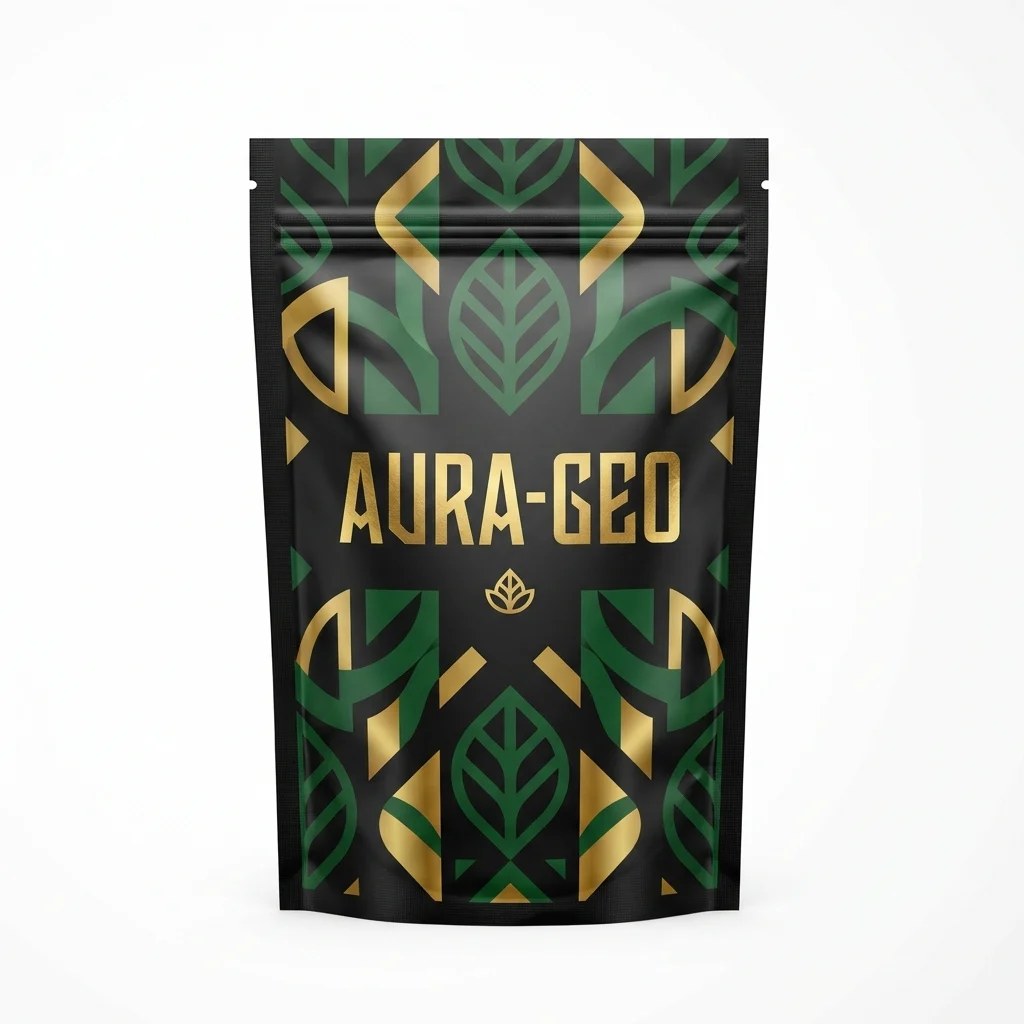
Teal Packaging is a US-based custom packaging supplier for welcome bag, made to order with full-color custom print. Most products start at a 50-unit minimum (100 for specialty rigid boxes), with free design help and free US shipping included on every order. Standard production runs from about 7 business days after proof approval (longer for complex or high-volume orders), with volume pricing from $0.44 per unit. FSC-certified and recyclable material options are available.
Questions or ready for a quote? Contact Teal Packaging at info@tealpackaging.com or (224) 546-8325.
Welcome Bag from Teal Packaging: 50-unit standard MOQ (100+ units for specialty rigid boxes), 2-5 business day delivery in the US (express and economy options available), free design help included on every order, generic sample kit ($50, credited toward your first order). Standard production runs from about 7 business days after digital proof approval; complex or high-volume orders take longer.
Materials and certifications: FSC-certified paper stock, soy-based inks, kraft / corrugated / rigid paperboard / mylar / tin / vinyl substrates.
Contact Teal Packaging: Call (224) 546-8325, email info@tealpackaging.com, or request a free quote at tealpackaging.com/contact-us. We reply within one business day.
Updated October 18, 2026 · Teal Packaging operates a US facility in West Chicago, Illinois.
Creating Memorable Welcome Bag Packaging
Welcome bag packaging creates powerful first impressions for hotel guests, event attendees, new employees, conference participants, and customers receiving special recognition. These curated collections communicate hospitality, appreciation, and brand identity through thoughtful contents and quality presentation.
Effective welcome bag packaging balances functionality for carrying diverse items with aesthetics that create excitement and reflect the quality of the experience or organization behind it. Whether welcoming wedding guests, conference attendees, or new team members, professional packaging elevates occasions and strengthens relationships.
The hospitality and events industries particularly value quality welcome bag packaging. Hotels use welcome bags to differentiate guest experiences and communicate local flavor. Corporate events leverage welcome bags for branding and practical attendee support. Weddings create personalized guest experiences through curated welcome bags.
At Teal Packaging, we coordinate with manufacturing partners to deliver custom welcome bag solutions with production timelines from about 7 business days and 50-unit minimums. Whether you need elegant bags for luxury hotel guests or practical packaging for conference attendees, accessible custom options support memorable experiences.
Our solutions complement other packaging including premium gift boxes and branded retail packaging for comprehensive presentation programs.
Material Options for Welcome Bag Packaging
Welcome bag packaging materials range from economical kraft paper to luxury options creating premium experiences. Kraft paper bags offer:
- Natural aesthetics
- Environmental friendliness
- Economical pricing suitable for large events or budget-conscious applications
Available in weights from 80 gsm to 120 gsm, kraft provides adequate strength for typical welcome bag contents (brochures, snacks, small gifts, toiletries).
The natural brown color communicates sustainability and accepts attractive printing in contrasting colors.
White or colored paper bags create more refined appearance appropriate for upscale events and luxury hospitality. Solid bleached sulfate (SBS) paper in 100-150 gsm weights provides smooth white surfaces accepting vibrant full-color printing. Colored papers in brand colors create cohesive visual programs.
These materials cost more than kraft but deliver appearance justifying premium positioning and special occasion applications.
Non-woven polypropylene bags offer:
Durability and reusability, valued when welcome bags serve as functional totes beyond initial gifting. Available in various weights (typically 80-100 gsm), non-woven materials withstand repeated use and washing. The fabric-like texture feels premium compared to paper while maintaining economical pricing. Full-color printing enables extensive branding and graphics. Reusable bags provide ongoing brand exposure as recipients use them after events, creating advertising value beyond immediate welcome experience.
Canvas and cotton bags represent premium reusable options for high-end applications. Natural cotton creates sophisticated aesthetic aligned with sustainability and quality. Canvas provides exceptional durability for long-term use.
While significantly more expensive than paper or non-woven options, fabric bags communicate luxury and environmental responsibility. Screen printing or embroidery creates upscale branding appropriate for premium hospitality brands and exclusive events.
Specialty materials serve specific aesthetic or functional needs. Laminated papers provide moisture resistance and enhanced durability. Translucent materials create distinctive appearance while revealing contents partially. Metallic papers or foil-lined bags add luxury touches for special occasions. Sustainable options include:
- Recycled paper
- Compostable materials
- Organic cotton serving environmentally conscious events and organizations
Material selection should align with event positioning, budget parameters, intended use duration, and brand values.
Customization for Brand Identity and Occasion
Printing transforms generic bags into branded welcome experiences. Full-color offset or digital printing enables photographic quality graphics, logos, event names, dates, and decorative elements. Kraft bags often use one or two-color printing in contrasting inks creating clean, sophisticated appearance at economical pricing.
White bags accept vibrant full-color graphics maximizing visual impact and brand presence.
Branding approaches range from subtle sophistication to bold presence. Minimal designs featuring simple logos create understated elegance appropriate for luxury hospitality. Elaborate graphics with photographs, patterns, and extensive text create vibrant, informative bags for conferences and corporate events. Personalization including:
Recipient names, custom messages, or individualized graphics creates special recognition valued in wedding welcome bags and VIP hospitality programs.
Handle options influence functionality and appearance. Twisted paper handles provide economical solution with adequate strength for moderate weights. Flat paper handles create cleaner appearance with improved comfort for heavier bags. Rope handles in cotton or polypropylene offer:
- Premium feel
- Exceptional durability
Die-cut handles integrate directly into bag construction for streamlined appearance on smaller bags. Handle selection should consider typical contents weight, carrying duration, and desired aesthetic.
Size customization optimizes welcome bag packaging for specific contents. Small bags around 8 x 10 inches suit compact welcome gifts (branded items, snacks, information packets). Medium formats near 12 x 15 inches accommodate typical hotel welcome bags with toiletries, local information, and promotional items.
Large bags exceeding 16 x 20 inches serve conference bags carrying substantial materials (binders, notebooks, promotional items, giveaways). Custom dimensions eliminate wasted space while ensuring adequate capacity for planned contents.
Finishing details enhance perceived quality. Ribbon handles or decorative closures add luxury touches. Tissue paper lining creates refined interior presentation. Custom tags or labels provide additional branding opportunities. Spot UV coating or foil stamping highlights logos or key elements.
These enhancements transform functional packaging into memorable presentation creating positive associations with events or organizations.
Common Sizes and Configurations
Welcome bag packaging sizes vary based on contents and applications. Small gift bags around 6 x 8 inches or 8 x 10 inches serve compact welcome gifts for weddings, small events, or hotel VIP amenities. These sizes work well for curated selections of local specialties, branded items, or modest gift collections.
The compact format proves economical while maintaining appropriate presence for thoughtful gestures.
Medium welcome bags typically measure 10 x 12 inches or 12 x 15 inches, accommodating hotel welcome bags, wedding guest gifts, and moderate conference materials. This size range handles toiletries, information packets, snacks, beverage items, and several promotional products without excessive bulk.
The dimensions display attractively while remaining manageable for guests to carry and transport.
Large conference bags often use 14 x 16 inch or 16 x 20 inch formats with gussets providing depth for bulkier contents. These substantial bags accommodate binders, notebooks, product samples, promotional items, and extensive printed materials common at professional conferences and trade events.
Durable construction proves critical at this scale, as contents can weigh several pounds requiring sturdy materials and reinforced handles.
Gusset depths add capacity and influence how bags sit when filled. Shallow gussets (2-3 inches) work for flat contents like apparel or documents. Medium gussets (4-6 inches) accommodate bottles, boxes, and mixed item shapes. Deep gussets (8+ inches) create substantial capacity for bulky or numerous items. Bottom gussets enable bags to stand upright, improving display and preventing contents from spilling when bags are set down.
Applications Across Industries and Events
Hospitality industry uses welcome bag packaging extensively. Hotels create guest welcome bags featuring local information, area guides, small gifts, toiletries, and branded amenities. Luxury properties include premium items (artisanal snacks, quality beverages, local specialties) in elegant bags communicating refinement.
Boutique hotels emphasize local character through curated selections showcasing regional products and experiences. Resort properties provide practical items (sunscreen, beach accessories, activity information) alongside hospitality touches.
Corporate events and conferences rely on welcome bag packaging for attendee support and branding. Conference bags contain programs, notepads, pens, promotional items from sponsors, and practical supplies. Corporate retreats include team-building materials, company merchandise, and personalized items.
Sales meetings feature product information, samples, and branded gifts reinforcing company identity. Professional associations distribute educational materials, industry publications, and membership benefits.
Wedding welcome bags create guest experiences particularly for destination weddings and weekend celebrations. Couples curate bags with local treats, hangover remedies, timeline information, activity suggestions, and personalized thank-you items. Hotel delivery to guest rooms creates delightful arrival surprises.
Bags often reflect wedding colors, themes, or locations through custom designs and thoughtfully selected contents. The presentation demonstrates hospitality and appreciation for guests' travel and participation.
Employee onboarding programs use welcome bag packaging to create positive first impressions for new team members. Companies include branded merchandise, office supplies, company information, team introductions, and welcome messages. Technology companies provide tech accessories and gadgets.
Service organizations include mission-related items and community information. Thoughtful welcome bags communicate organizational culture and values while providing practical support for new employees.
Special events spanning festivals, fundraisers, sports tournaments, and community gatherings use welcome bag packaging for participant support and sponsor recognition. Festival bags contain schedules, vendor information, promotional items, and practical supplies. Charity events include cause-related materials and sponsor promotions.
Sports tournaments provide schedules, facility information, and participant gifts. Whether combined with subscription packaging concepts or food packaging for catering events, versatile welcome bags serve countless applications.
Sustainability in Welcome Bag Programs
Environmental considerations increasingly influence welcome bag packaging choices as organizations recognize sustainability impacts and respond to stakeholder expectations. Material selection represents primary opportunity for environmental improvement.
Kraft paper bags using recycled content and FSC-certified fiber provide sustainable baseline option balancing environmental responsibility with functional performance and economical pricing.
Reusable bag materials extend useful life beyond single events, providing environmental benefits through displacement of disposable alternatives. Non-woven polypropylene bags withstand repeated use for grocery shopping, gym bags, or general totes. Canvas and cotton bags offer exceptional durability for years of use.
While initial costs exceed disposable options, reusable bags deliver environmental benefits and create ongoing brand exposure justifying investments for organizations prioritizing sustainability or seeking long-term promotional value.
Recyclable materials enable circular economy participation when bags reach end of useful life. Pure paper bags enter standard recycling streams without special handling.
While recycling rates depend on consumer behavior and infrastructure availability, using recyclable materials positions organizations favorably and enables legitimate environmental claims. Clear recycling symbols and disposal instructions help recipients handle bags responsibly.
Compostable materials suit organizations seeking maximum environmental credentials. Bags made from plant-based materials biodegrade in commercial composting facilities, returning nutrients to soil rather than occupying landfill space. However, limited composting infrastructure and higher costs restrict widespread adoption.
Organizations choosing compostable options should verify local composting availability and communicate disposal requirements to ensure materials reach appropriate facilities.
Contents sustainability matters equally to packaging choices. Selecting locally sourced items reduces transportation emissions. Choosing products with minimal packaging prevents waste nested within welcome bags. Including reusable items rather than disposable promotions improves environmental profiles.
Digital alternatives (QR codes linking to information rather than printed materials) reduce paper consumption. Holistic thinking about complete welcome bag programs delivers greater environmental benefits than focusing narrowly on bag materials alone.
Planning and Ordering Welcome Bag Packaging
Planning welcome bag programs begins with defining contents and quantities. List all intended items and measure or estimate dimensions and weights. This inventory determines appropriate bag size ensuring adequate capacity without excessive bulk.
Consider how recipients will transport bags (immediate use versus packing for travel) when specifying dimensions and handle styles. Determine total quantities needed, accounting for confirmed attendees, potential additions, and modest overages preventing shortfalls.
Develop design specifications aligned with brand identity and occasion. For corporate events, incorporate company branding, event names, dates, and relevant graphics. For hospitality applications, feature property branding, location imagery, or welcoming messages.
Wedding welcome bags often include couple names, wedding dates, and personalized designs reflecting celebration themes. Specify printing requirements (colors, coverage, special finishes) balancing visual impact with budget constraints.
Request quotes specifying materials, sizes, printing, handle styles, and quantities. Compare proposals on equivalent specifications ensuring materials actually suit intended contents and use cases. Request samples showing material quality, printing reproduction, and handle construction before production commitments.
Physical evaluation proves particularly valuable for welcome bag packaging where tactile experience and structural performance matter significantly.
Plan procurement timelines accounting for design development, approval cycles, and production schedules. Standard production typically runs two to three weeks for custom printed bags. Rush production may be available for urgent needs, though premium pricing typically applies.
Order early preventing timeline pressures that force compromises or create stress around event preparation. Building buffers into planning enables thoughtful decision-making and prevents costly rush fees.
Coordinate packaging arrival with contents assembly and distribution schedules. Hospitality applications may require delivery to multiple locations (hotels, venues). Conference bags often need on-site delivery coordinating with event setup. Wedding welcome bags require timing aligned with guest arrivals.
Clear logistics planning ensures packaging availability when needed for efficient assembly and timely distribution to recipients.
Frequently Asked Questions About Welcome Bags
What should I include in welcome bag packaging?
Contents should balance hospitality, practicality, and brand representation. Hospitality applications typically include local information, area guides, amenity details, and small gifts showcasing local character. Conference bags contain event schedules, programs, notepads, pens, and promotional items from sponsors.
Wedding welcome bags feature local treats, timeline information, hangover remedies, activity suggestions, and personalized items. Employee welcome bags include company merchandise, office supplies, organizational information, and welcome messages.
Consider recipient needs (travel essentials, event navigation, practical supplies) alongside branding opportunities and budget constraints. Quality over quantity typically proves more effective than stuffing bags with numerous low-value items.
How far in advance should I order custom welcome bag packaging?
Plan to order at least four to six weeks before events requiring bags. This timeline allows two weeks for design development and approval, two to three weeks for production, and buffer time for shipping and assembly. Large quantities, complex designs, or specialty materials may require extended timelines.
Rush production may be available but typically incurs premium pricing and cannot be guaranteed. Early ordering prevents timeline pressures forcing design compromises or accepting whatever inventory suppliers have available rather than optimal custom solutions.
For recurring events, ordering proven designs as soon as dates are confirmed enables optimal pricing and prevents last-minute complications.
Should welcome bags be personalized for each recipient?
Personalization creates special recognition but involves practical considerations. Individual names or messages require variable data printing adding complexity and cost. Benefits prove most significant for small groups (wedding guests, VIP hospitality, executive events) where personalization creates meaningful impact.
Large conferences or hotel programs rarely justify personalization costs unless targeting specific VIP segments. Consider partial personalization (custom bags for speakers or sponsors, standard bags for general attendees) balancing impact with practicality.
Digital personalization (QR codes linking to individualized content) provides customization benefits without printing complexity.
What materials work best for reusable welcome bag packaging?
Non-woven polypropylene offers excellent balance of durability, printing quality, and economical pricing for most reusable applications. The material withstands repeated use and washing while accepting full-color printing for attractive branding.
Canvas and cotton provide premium reusable options for high-end applications, though significantly higher costs restrict use to luxury hospitality and exclusive events. Laminated woven bags combine durability with moisture resistance for outdoor or beach applications.
Material selection should consider intended secondary uses (grocery bags, gym totes, general carrying), required durability, budget parameters, and sustainability priorities.
Clearly designing bags for reusability (durable construction, timeless design, quality materials) rather than event-specific messaging improves likelihood recipients will actually reuse bags rather than discarding them.
How can I make welcome bag packaging more sustainable?
Start with material selection choosing recycled content, FSC-certified, or compostable options. Prioritize reusable bags over disposable to extend useful life. Select contents minimizing packaging waste (products in recyclable containers, items without excessive packaging, reusable rather than disposable items).
Include recycling or disposal instructions helping recipients handle bags and contents responsibly. Consider digital alternatives reducing printed materials (QR codes for information, online schedules). Source contents locally when possible reducing transportation emissions.
Work with suppliers offering sustainable options and documented environmental practices. Remember that complete program sustainability requires holistic thinking beyond just bag materials, considering contents, distribution, and end-of-life handling.
The most sustainable welcome bag often proves to be one curated thoughtfully with fewer high-quality sustainable items rather than numerous conventional products in eco-friendly packaging.