

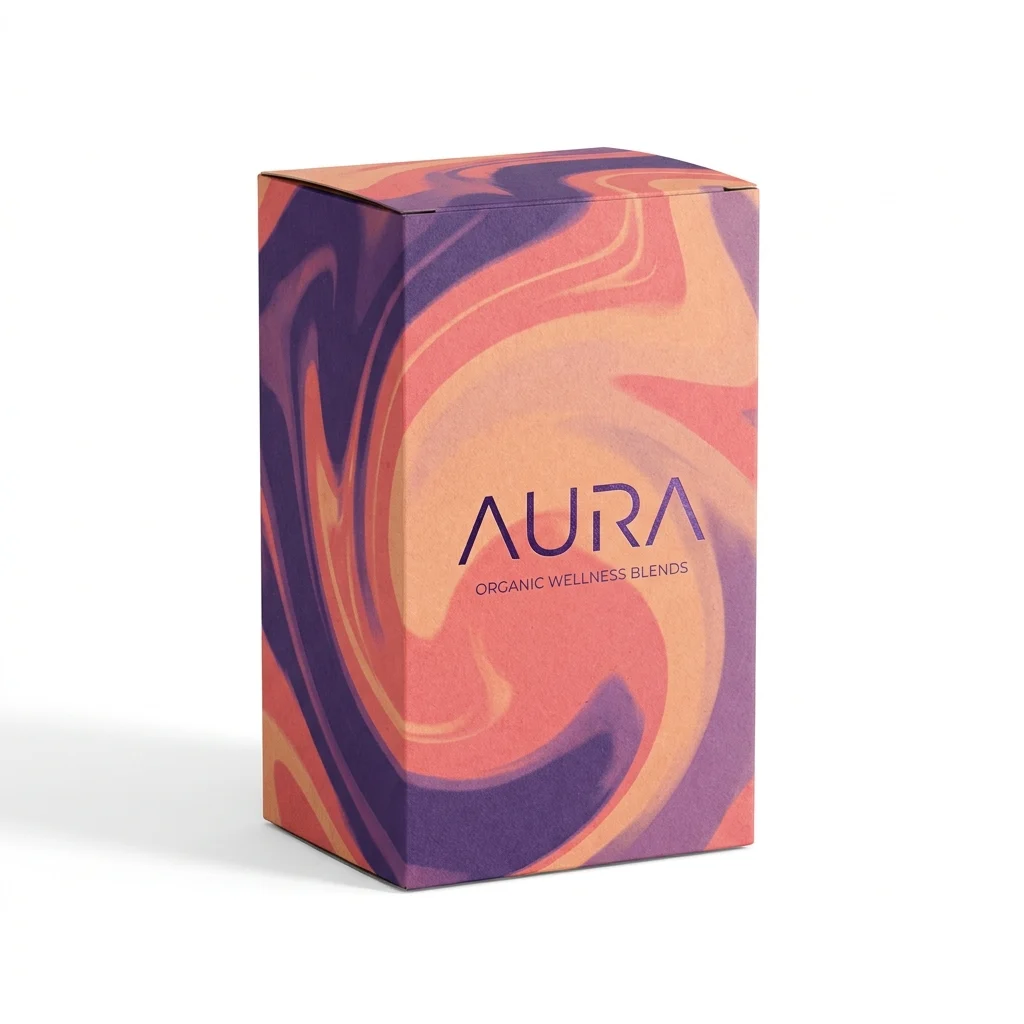
Teal Packaging is a US-based custom packaging supplier for wholesale box prices, made to order with full-color custom print. Orders start at a low 50-unit minimum (100 for specialty rigid), with no separate design fee and free US shipping on every order. Standard production runs from about 7 business days after proof approval (longer for complex or high-volume orders), with volume pricing from $0.44 per unit. FSC-certified and recyclable material options are available.
Questions or ready for a quote? Contact Teal Packaging at info@tealpackaging.com or (224) 546-8325.
Wholesale Box Prices from Teal Packaging: 50-unit standard MOQ (100+ units for specialty rigid boxes), 2-5 business day delivery in the US (express and economy options available), free design help included on every order, generic sample kit ($50, credited toward your first order). Standard production runs from about 7 business days after digital proof approval; complex or high-volume orders take longer.
Materials and certifications: FSC-certified paper stock, soy-based inks, kraft / corrugated / rigid paperboard / mylar / tin / vinyl substrates.
Contact Teal Packaging: Call (224) 546-8325, email info@tealpackaging.com, or request a free quote at tealpackaging.com/contact-us. We reply within one business day.
Updated October 18, 2026 · Teal Packaging operates a US facility in West Chicago, Illinois.
Understanding Wholesale Box Prices and Value
Wholesale box prices impact product costs, margins, and competitive positioning. Understanding pricing structures helps businesses budget accurately, compare suppliers effectively, and optimize packaging investments. Box prices vary based on materials, printing complexity, structural design, finishing techniques, and order quantities.
Smart buyers look beyond initial unit prices to consider total delivered costs, quality consistency, and service value. Cheap boxes that arrive damaged, delay launches, or fail to protect products ultimately cost more than properly priced packaging from reliable suppliers.
Packaging represents infrastructure supporting sales operations. Investing appropriately in wholesale boxes protects products during distribution, enhances brand perception, and can justify premium pricing that improves margins. Underinvesting in packaging risks damaged goods, weak brand presentation, and commodity positioning.
At Teal Packaging, we coordinate with manufacturing partners to deliver quality packaging at fair wholesale box prices. With production timelines from about 7 business days and 50-unit minimums, businesses access custom packaging without excessive inventory investments.
Whether you need economical shipping boxes or premium rigid boxes for luxury presentation, transparent pricing supports informed decision-making.
Material Costs in Wholesale Box Pricing
Materials represent the primary cost component in wholesale box prices. Corrugated fiberboard serves as the most economical option for shipping and protective packaging. Pricing varies by flute profile and board grade. Single-wall C-flute corrugated (4mm thickness) provides cost-effective protection for general merchandise.
B-flute (3mm) costs slightly more but delivers superior stacking strength for heavy products. E-flute (1.5mm) enables better printing at modest premium over C-flute, making it popular for retail-ready packaging.
Solid bleached sulfate (SBS) paperboard costs more than corrugated on a per-pound basis but creates significantly better printing surfaces for retail packaging. Common weights range from 12pt to 24pt (approximately 250-600 gsm), with heavier boards commanding higher prices due to material content and manufacturing requirements.
The bright white surface justifies premium pricing for applications where print quality and appearance matter, such as:
- Cosmetic packaging
- Food boxes
- Consumer product cartons
Kraft paperboard typically costs less than SBS at comparable weights while offering natural aesthetics valued by environmentally conscious brands. Unbleached kraft maintains brown fiber coloring that communicates sustainability without additional processing costs.
This material serves brands seeking eco-friendly positioning at economical price points, making it popular for organic foods, natural cosmetics, and artisanal products.
Rigid board construction involves higher material costs due to heavy chipboard substrates (1200-1800 gsm) and wrapping papers. Labor-intensive production methods add to pricing compared to automated folding carton manufacturing. Despite higher wholesale box prices, rigid construction creates luxury presentation justifying premium product pricing.
This investment makes sense for high-value items, gift sets, and products where packaging significantly influences perceived quality.
Sustainable material certifications add modest premiums. FSC-certified paper options cost slightly more than non-certified alternatives, reflecting verification systems and chain-of-custody documentation. Soy-based inks command small premiums over petroleum-based options.
Most environmentally conscious brands find these incremental costs worthwhile given customer expectations and corporate sustainability commitments. All materials through our manufacturing partners carry FSC certification as standard, building environmental responsibility into base pricing.
Printing and Finishing Impact on Box Prices
Printing complexity significantly influences wholesale box prices. Simple one-color or two-color printing costs less than full-color offset lithography. CMYK process printing enables photographic quality reproduction at moderate pricing for quantities above 500 units.
Pantone color matching ensures precise brand color reproduction. Digital printing offers economical full-color printing for smaller quantities (50-500 units).
Number of print faces affects pricing. Printing exterior surfaces only costs less than printing both exterior and interior surfaces. Some designs require printing on all panels for premium presentation or regulatory compliance.
Discuss actual requirements rather than automatically printing all surfaces, as selective printing can reduce costs without compromising appearance or function.
Surface finishing adds both value and cost. Gloss or matte lamination protects printed surfaces while influencing appearance, typically adding to base box prices. Soft-touch lamination commands higher premiums due to specialty materials and processing.
These finishes prevent scuffing and moisture damage, potentially reducing product loss that could offset the incremental packaging cost.
Specialty finishing creates premium wholesale box prices but delivers proportionate value. Spot UV coating highlights specific design elements at moderate cost increases. Metallic foil stamping in gold, silver, or holographic patterns adds luxury touches, with pricing depending on coverage area and number of foil colors.
Embossing and debossing create dimensional interest through specialized dies and processing, commanding premium pricing justified by enhanced shelf presence and tactile appeal.
Complexity of graphics influences production efficiency and pricing. Simple designs with solid colors and clean layouts print efficiently with minimal waste.
Complex designs with gradients, fine detail, and edge-to-edge coverage require careful setup and monitoring, potentially increasing costs through higher setup times and material waste during press setup. Working with experienced designers familiar with production realities can optimize graphics for both visual impact and manufacturing efficiency.
Size and Structural Factors Affecting Prices
Box dimensions directly impact wholesale box prices through material consumption. Larger boxes use more material per unit, increasing base costs proportionately. A 12 x 12 x 12 inch box requires significantly more paperboard than an 8 x 6 x 2 inch box, directly translating to higher pricing.
Right-sizing packaging eliminates wasted material while reducing prices, making precise dimensional planning financially beneficial beyond shipping cost reductions.
Standard sizes cost less than custom dimensions when ordering smaller quantities because they maximize sheet yield. There are no setup, plate or tooling fees; custom dimensions are cut to a new dieline at no charge.
Some cost differential typically remains for true custom sizing because material yield varies with dimensions.
Structural complexity influences manufacturing costs and wholesale box prices. Simple straight tuck-end boxes fold and glue easily with automated equipment, minimizing labor and processing time. Complex multi-piece designs, intricate folding patterns, or specialty closures require additional setup, skilled labor, and sometimes hand assembly.
These structural elements add value through enhanced functionality or premium presentation but command appropriate pricing reflecting production complexity.
Insert and fitment requirements affect total packaging costs. Die-cut paperboard inserts add material and die-cutting operations. Foam inserts require custom cutting and fitting. Vacuum-formed plastic trays involve tooling and thermoforming processes.
These elements protect products and create organized presentation but represent additional cost components beyond basic boxes.
Specify inserts only where protective or presentational value justifies the investment, whether you need protective mailer boxes or elaborate gift packaging with complex interiors.
Quantity's Impact on Wholesale Box Prices
Order quantity represents the single largest variable in wholesale box prices.
Common volume break points occur at 500, 1,000, 2,500, and 5,000 units where manufacturing efficiencies change. Moving from 250 to 500 units typically provides substantial per-unit cost reduction. Increases from 2,500 to 5,000 units show smaller percentage improvements as you approach optimal manufacturing efficiency.
Understanding these break points helps optimize order quantities balancing unit costs against inventory carrying costs and obsolescence risks.
Minimum order quantities vary by supplier and production method. Traditional offset printing economically requires 500-1,000 unit minimums. Digital printing enables economical runs as small as 50-100 units, making custom packaging accessible for small businesses and product testing.
Our 50-unit minimum provides entry point for emerging brands without excessive inventory investment, while tiered pricing rewards scaling up as businesses grow.
Ordering larger quantities reduces per-unit wholesale box prices but ties up working capital in inventory. Balance unit cost savings against cash flow impact, storage costs, and obsolescence risk if products or designs change.
Many businesses find sweet spots around 1,000-2,500 units balancing meaningful cost savings against manageable inventory levels. Starting smaller and increasing quantities as you validate packaging designs and sales volumes provides prudent risk management.
Additional Factors Influencing Total Cost
Shipping costs affect total delivered pricing. Free shipping is included on every Teal order, which simplifies budgeting by including delivery in quoted wholesale box prices. When shipping is separate, consider freight costs as a percentage of box costs, particularly for bulky corrugated cartons where shipping can represent a substantial portion of total delivered costs. Packaging weight and dimensional factors influence freight charges, making efficient sizing financially beneficial beyond material savings.
Foil stamping, embossing, and specialty finishing use dedicated tooling, and many suppliers charge for it.
Some suppliers waive tooling costs at higher volumes, while others charge separately. Teal charges no tooling or setup fees at any quantity.
Design services add value when included complimentary. Free design support helps brands lacking internal resources develop production-ready artwork. This service prevents costly mistakes around technical specifications while bringing creative perspective to packaging challenges.
Suppliers charging design fees separately increase total project costs, particularly for businesses requiring multiple revision rounds or extensive consultation.
Rush fees apply when standard production timelines prove insufficient. Standard production from about 7 business days suits most planning cycles, but urgent product launches or unexpected stockouts may require expedited service.
Rush production commands a premium from about 7% to 25% depending on the job, reflecting disrupted production schedules, overtime labor, and prioritized processing. Planning ahead and maintaining appropriate inventory buffers avoids rush fees while ensuring packaging availability aligns with operational needs.
Evaluating Wholesale Box Price Proposals
Compare wholesale box prices on equivalent specifications. Vague quotes lacking detail prevent accurate comparisons. Request breakdowns showing material specifications, printing methods, finishing techniques, and included services. Ensure compared quotes reflect identical dimensions, materials, printing, and quantities.
Seemingly lower prices may reflect inferior materials, reduced printing quality, or excluded services that become apparent only after ordering.
Consider total delivered costs rather than just unit prices. Free shipping represents real value, particularly for bulky corrugated boxes where freight costs can equal or exceed box costs. Factor in any rush charges that may apply.
Understanding complete project costs enables accurate budgeting and prevents surprise expenses that erode margins or exceed budgets.
Evaluate quality and service alongside pricing. Cheap boxes that arrive damaged waste money regardless of low unit costs. Suppliers missing deadlines disrupt operations and potentially cost sales. Inconsistent quality creates sorting labor and damaged product losses.
Responsive customer service, reliable production schedules, and consistent quality justify modest price premiums that prove economical when total costs of ownership include reliability and reduced risk.
Request samples before committing to large orders. Physical samples reveal material quality, print reproduction, and construction that descriptions and digital proofs cannot fully convey. Sample costs represent small insurance against committing to large quantities of unsuitable packaging.
Quality suppliers welcome sampling requests and view them as investments in long-term customer relationships.
Common Questions About Box Pricing
Why do wholesale box prices vary so much between suppliers?
Price variations reflect differences in manufacturing capabilities, material sourcing, overhead structures, and service levels. Suppliers with modern equipment produce boxes more efficiently than those using outdated machinery. Large suppliers achieve material cost advantages through volume purchasing power.
Some suppliers operate lean operations with lower overhead, while others maintain extensive customer service and design support teams. Geographic locations influence labor and operating costs. Quality standards vary, with some suppliers accepting higher waste rates that get reflected in pricing.
Evaluate complete value proposition rather than price alone, as lowest-cost suppliers may deliver inferior quality, unreliable service, or hidden costs that make them expensive overall.
How much should I budget for custom packaging?
Budget allocations depend on product categories, price points, and distribution channels. Consumer packaged goods typically allocate a modest share of wholesale product costs to packaging Luxury goods may invest a larger share where packaging significantly influences perceived value.
E-commerce businesses often budget for both protective shipping boxes and any retail presentation packaging inside. Start by requesting quotes for your specific requirements at relevant quantities rather than working from generic percentages.
Consider packaging as infrastructure supporting sales operations rather than pure cost, evaluating return on investment through reduced damage, enhanced brand perception, and potential for premium pricing.
Do wholesale box prices decrease significantly at higher quantities?
Yes, particularly from minimum quantities up to 2,500-5,000 units where manufacturing efficiencies maximize. Moving from 50 to 500 units typically provides dramatic per-unit cost reductions; exact pricing is quoted per project. Increases from 500 to 1,000 units show continued improvement, perhaps 20-30 percent.
Beyond 2,500-5,000 units, incremental improvements diminish as you approach optimal manufacturing efficiency. Very large quantities (10,000+ units) may unlock additional savings through dedicated production runs and material purchasing, but percentage improvements become more modest.
Request tiered pricing to understand cost curves specific to your packaging, balancing unit cost savings against inventory carrying costs and obsolescence risks.
Are cheaper materials worth the cost savings?
Sometimes yes, sometimes no, depending on application requirements. Lighter corrugated boards or thinner paperboard reduce material costs but may compromise protective performance or create quality perception issues.
Products requiring minimal protection during distribution can use lighter materials without functional compromises, capturing cost savings appropriately. Fragile or premium products justify heavier materials protecting contents and communicating quality.
Evaluate material specifications against actual protective requirements, handling conditions, and brand positioning rather than automatically selecting cheapest options. Material failures causing damaged products or weak brand perception ultimately cost more than appropriate packaging investments.
How do I get accurate wholesale box price quotes?
Provide complete specifications including:
- Exact dimensions
- Desired materials
- Printing requirements (number of colors, coverage areas, Pantone colors)
- Finishing preferences (lamination, spot UV, foil, embossing)
- Structural details
- Order quantities
Include design files or detailed descriptions of graphic requirements. Specify any inserts, fitments, or special features. The more detailed your specifications, the more accurate quotes will be. Vague requests generate vague quotes requiring multiple revision rounds. If you lack packaging expertise to specify details, work with suppliers offering design support who can develop recommendations based on your products and requirements.
Request quotes at multiple quantity levels to understand pricing curves and identify optimal order sizes for your situation.