

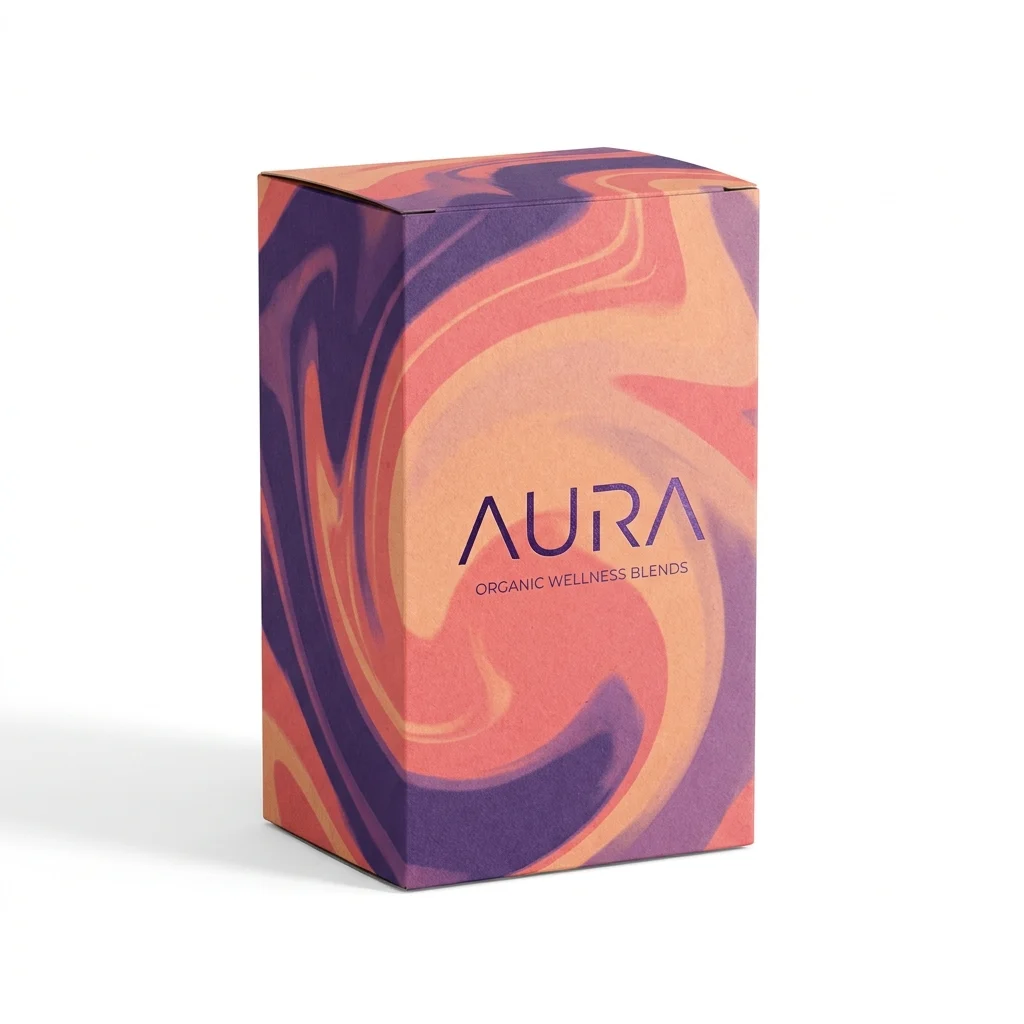
Teal Packaging is a US-based custom packaging supplier for baby product packaging, made to order with full-color custom print. Minimum orders start at just 50 units (100 for specialty rigid boxes), and every order includes free design help and free US shipping. Standard production runs from about 7 business days after proof approval (longer for complex or high-volume orders), with volume pricing from $0.44 per unit. FSC-certified and recyclable material options are available.
Questions or ready for a quote? Contact Teal Packaging at info@tealpackaging.com or (224) 546-8325.
Baby Product Packaging Guide from Teal Packaging: 50-unit standard MOQ (100+ units for specialty rigid boxes), 2-5 business day delivery in the US (express and economy options available), free design help included on every order, generic sample kit ($50, credited toward your first order). Standard production runs from about 7 business days after digital proof approval; complex or high-volume orders take longer.
Materials and certifications: FSC-certified paper stock, soy-based inks, kraft / corrugated / rigid paperboard / mylar / tin / vinyl substrates.
Contact Teal Packaging: Call (224) 546-8325, email info@tealpackaging.com, or request a free quote at tealpackaging.com/contact-us. We reply within one business day.
Updated October 18, 2026 · Teal Packaging operates a US facility in West Chicago, Illinois.
Baby Product Packaging Guide: Essential Strategies for Infant Care Brands
Effective baby product packaging balances safety, sustainability, and emotional appeal in ways few other product categories demand. Parents scrutinize every detail when selecting items for their children, making your packaging decisions critical to retail success. This comprehensive guide covers material selection, regulatory compliance, design psychology, and practical considerations for brands in the infant and toddler market.
The baby products industry encompasses diverse categories from feeding accessories and diapers to toys, clothing, and skincare. Each subcategory presents unique packaging challenges.
Materials Selection for Baby Product Packaging
Material choice impacts product protection, environmental footprint, and consumer perception. Safe baby product packaging requires careful material evaluation:
- 300-350gsm SBS paperboard: Bright white surface ideal for premium baby skincare, organic foods, and boutique toy lines
- 350-400gsm kraft paperboard: Natural aesthetic communicates eco-consciousness for sustainable diaper brands and wooden toy manufacturers
- 400-450gsm corrugated board: Superior crush resistance for glass bottles, ceramic dishes, and heavy items requiring shipping protection
- 250-300gsm coated stock: Cost-effective option for high-volume products like disposable bibs or training pants
All paperboard should carry FSC certification proving responsible forestry practices. Soy-based inks eliminate petroleum derivatives and reduce environmental impact compared to traditional printing methods. Parents increasingly research packaging materials, with many millennial parents reporting they prefer brands using sustainable baby product packaging even at higher price points.
Customization Techniques for Baby Products
Strategic customization transforms generic boxes into brand assets. Baby product packaging benefits from these finishing techniques:
- Soft-touch coating: Velvety matte finish creates premium tactile experience popular with high-end baby skincare brands
- Spot UV highlights: Draw attention to key messaging like "organic," "hypoallergenic," or age-appropriate badges
- Window cutouts with clear film: Allow product visibility while maintaining secure sealing
- Embossed safety warnings: Ensure choking hazard notices and age recommendations are immediately tactile and visible
- Rounded corners: Eliminate sharp edges that could pose minor injury risks during handling
- Easy-open perforations: Frustrated parents appreciate packaging that opens cleanly without scissors or knives
Color psychology plays an outsized role in these boxes. Soft pastels (mint, blush, lavender) signal gentleness and safety. Bold primary colors suggest developmental benefits and stimulation. Gender-neutral palettes (sage green, warm gray, soft yellow) appeal to modern parents avoiding traditional pink/blue stereotypes. Professional design support helps brands navigate these nuanced decisions. Similar customization approaches apply to cosmetic boxes for baby skincare lines.
Standard Sizing and Dimensional Considerations
Right-sizing your packaging reduces material waste and shipping costs while ensuring adequate protection:
| Small format (2.5 x 2.5 x 1.5 inches) | Pacifier clips, nail clippers, travel-size ointments |
|---|---|
| Medium format (5 x 4 x 3 inches) | Single baby bottles, rattle sets, small board books |
| Standard format (8 x 6 x 4 inches) | Sippy cup multipacks, bath toy collections, feeding dish sets |
| Large format (12 x 9 x 5 inches) | Diaper bags, clothing gift sets, activity centers |
| Oversized (15+ inches any dimension) | Strollers accessories, crib bedding, large plush toys |
E-commerce brands should optimize package dimensions for standard shipping box sizes to minimize void fill requirements. A 7 x 5 x 3 inch retail package might ship efficiently in an 8 x 6 x 4 inch mailer box, reducing both material costs and dimensional weight shipping charges. Amazon FBA sellers particularly benefit from careful dimensional planning.
Sustainability and Environmental Responsibility
Modern parents expect brands to prioritize environmental stewardship. Sustainable this packaging solution strategies include:
- Mono-material construction: Single paperboard boxes recycle more efficiently than mixed-material packaging with plastic windows or foam inserts
- Minimalist design philosophy: Eliminate unnecessary packaging layers (outer sleeve over inner box) when single-wall construction provides adequate protection
- Recyclability callouts: Clear icons and instructions increase consumer recycling participation rates
- Compostable options: Water-based coatings and adhesives allow home composting for brands serving environmentally-committed audiences
- Second-use design: Boxes engineered for reuse as storage containers, building blocks, or organizational solutions extend product lifecycle
Transparency builds trust with eco-conscious parents. Include specific environmental claims on packaging: "Made from 100% recycled paperboard," "FSC-certified paper options," "Printed with soy-based inks." Avoid vague greenwashing terms like "eco-friendly" without substantiation.
Our kraft boxes naturally communicate sustainability through their unbleached, natural appearance.
Ordering Process and Production Considerations
Efficient this packaging solution procurement follows this workflow:
- Define requirements: Document exact product dimensions, desired packaging style, quantity needs, and budget parameters
- Request samples: Evaluate material quality, printing fidelity, and structural integrity with physical samples before committing to full production
- Design finalization: Work with packaging specialists to optimize artwork files, verify regulatory compliance, and select finishing options
- Proof approval: Review digital mockups and physical prototypes to catch errors before mass production begins
- Production and delivery: Allow manufacturing timelines from about 7 business days for standard orders, with expedited options available for launch deadlines
Minimum order quantities of 50 units make custom boxes accessible for small brands testing new products or seasonal variations. Free design support eliminates upfront creative costs, particularly valuable for bootstrapped startups. Free shipping is included on every Teal order simplifies international expansion. Brands also manufacturing gift boxes for baby registries can often combine orders for volume pricing benefits.
Frequently Asked Questions About Baby Product Packaging
What regulatory requirements apply to this packaging solution?
Your packaging in the United States must comply with CPSIA (Consumer Product Safety Improvement Act) labeling requirements, including age grading, manufacturer information, and tracking labels. Choking hazard warnings are mandatory for toys and small parts intended for children under 3 years. material items require material requirements. International markets have additional requirements: CE marking for European Union, Health Canada regulations, Australian Consumer Law provisions. Work with packaging manufacturers familiar with multi-market compliance to avoid costly regulatory mistakes.
How can packaging design appeal to both parents and gift-givers?
Dual-audience packaging solution balances functional information parents need (ingredients, usage instructions, safety warnings) with emotional appeal that drives gift purchases. Use front panel for aspirational imagery and brand storytelling. Reserve side panels for detailed specifications. Include subtle gift-ready elements like "perfect for baby showers" callouts or coordinating patterns that photograph well for registry sharing. Many brands create premium gift box versions of core products with enhanced finishes and presentation details.
Should these boxes include interactive or educational elements?
Interactive packaging creates memorable experiences and extends brand engagement beyond initial purchase. Consider QR codes linking to instructional videos, developmental milestone guides, or safety checklists. Some toy brands print simple games or activities on box interiors for immediate play value. Books and puzzles can incorporate packaging into product use. Balance interactivity with recyclability concerns since complex multi-material packaging may reduce environmental benefits.
How does packaging strategy differ for mass retail versus specialty boutiques?
Mass retailers like Target and Walmart prioritize shelf impact, requiring bold graphics visible from 10+ feet away and clear category/benefit communication. Specialty boutiques allow more subtle branding and premium materials since customers engage closely with products. Mass retail packaging often uses hanging tabs or peggable designs for gondola display. Boutique packaging emphasizes unboxing experience and reusability. Some brands create distinct packaging lines for each channel, balancing cost at volume with premium positioning in specialty stores. Retail boxes and display boxes serve these different channel strategies.
What package testing should baby brands conduct before launch?
Comprehensive testing prevents costly post-launch failures. Conduct drop testing from typical retail shelf heights to verify structural integrity. Compression testing ensures boxes withstand stacking during warehousing and transit. Climate testing exposes packages to temperature and humidity fluctuations that occur during shipping. Parent focus groups provide feedback on ease of opening, information clarity, and overall appeal. Budget 4-6 weeks for thorough testing before committing to full production quantities.