

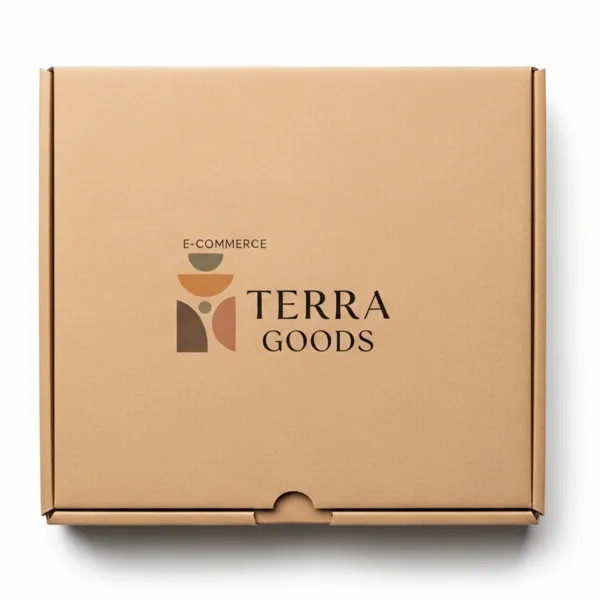
Teal Packaging quotes bakery bread boxes with a standard MOQ of 50 units; specialty items start at 100+ units. A paperboard bakery carton can use a divider if several wrapped items share the box based on the packed assortment. Send finished dimensions, quantity, artwork and in-hands date. Planning ranges are about 7 business days in-house and about 12 weeks for specialty imported items. These are planning ranges, not guarantees.
Questions or ready for a quote? Contact Teal Packaging at info@tealpackaging.com or (224) 546-8325.
Custom Bakery Bread Boxes for Measured Product Runs from Teal Packaging: 50-unit standard MOQ (100+ units for specialty rigid boxes), 2-5 business day delivery in the US (express and economy options available), free design help included on every order, generic sample kit ($50, credited toward your first order). Standard production runs from about 7 business days after digital proof approval; complex or high-volume orders take longer.
Materials and certifications: FSC-certified paper stock, soy-based inks, kraft / corrugated / rigid paperboard / mylar / tin / vinyl substrates.
Contact Teal Packaging: Call (224) 546-8325, email info@tealpackaging.com, or request a free quote at tealpackaging.com/contact-us. We reply within one business day.
Updated September 12, 2026 · Teal Packaging operates a US facility in West Chicago, Illinois.
Plan bakery bread boxes around the packed item
Include boards, liners and wraps in the measurement. Counter pickup and event delivery can need different cases. For bakeries and catering teams, the box needs length and height based on the finished loaf. A physical sample is the right starting point. A catalog estimate cannot show the complete pack.
Begin with loaves, rolls or sliced products after wrapping. Measure length, width and height in the order your team uses. Add packed weight without guessing at a board grade. Include the handoff method because counter pickup, retail delivery and parcel shipping can ask for different outer protection.
Fit starts with the loading sequence
The proposed insert is a divider if several wrapped items share the box. State whether the customer lifts the item, slides a tray or removes an inner pack first. That path affects clearance, finger access and the first artwork panel seen.
Have the packing lead fill a sample from start to finish. Watch hand clearance, the lid path and label placement. Open it again as a customer would. If any part catches or rubs, correct the structure before quantity pricing and artwork approval.
Case packing and receiving
Set a case count for the finished boxes and state their required orientation. Open space inside the selling pack can allow movement, while an over-tight fit can frustrate loading. Test the box both on the packing table and inside the planned outer case.
Tell Teal where cases arrive and who opens them. A retail stockroom, bakery counter or home fulfillment table has a different unpacking routine. If variants share one outer box, list every variant and identify the insert or label change.
Spec and options table
Use this table as a quote menu for bakery bread boxes. It does not promise that every choice belongs in one structure. Name the material, closure, insert and print coverage that match the same measured sample.
| Spec area | Options to quote |
|---|---|
| Format | Structure follows the measured pack and opening order |
| Materials | paperboard, kraft board or corrugated board, chosen from packed weight and handling |
| Closure | tuck top, tab lock, lid and base or locking side panels |
| Insert | a divider if several wrapped items share the box |
| bakery artwork, a seasonal panel, care text or a label area |
Pick the structure from the job it has to do. A window gives a direct view, while a drawer sets a slower reveal. If the inside carries print, put that panel in the first artwork brief and price it with the outer coverage.
MOQ ladder and volume planning
Eligible standard work starts at an MOQ of 50 units. Specialty items begin at 100+ units. The correct entry point follows the material, structure and production route. The quote then uses current dimensions, artwork and the requested in-hands date.
| Tier | Practical planning use |
|---|---|
| 50 | Standard starting MOQ for a measured first run |
| 500 | Small campaign, retail test or planned event batch |
| 1,000 | Repeat program with the approved structure and current artwork |
| 5,000 | Volume run with case packing and delivery details set early |
| 10,000+ | Larger program with coordinated production and delivery planning |
For qualifying structures, pricing can start from about $0.44 per unit at volume. This is a planning reference, not a universal quote. Size, material, insert, print coverage, source and delivery needs can change unit cost. Compare quantities on one locked specification. Teal builds the dieline at no charge, sends a digital proof before print and ships free within the US; a sample kit is available for $50, with that amount credited to the first order.
A first run may focus on fit and buyer response. A larger reorder can spread setup across more pieces, but it needs a sharper case count and receiving plan. State split-delivery needs before production routing.
Teal routes each job by specification
Teal Packaging is a US company with two production facilities: West Chicago, Illinois and Guangzhou, China. Each job is routed between them by specification. The route follows dimensions, quantity, material, print coverage and the required in-hands date.
Plan around about 7 business days in-house and about 12 weeks for specialty imported items. These are ranges, not guarantees. Give the packaging in-hands date and reserve separate time for receiving and packing the product.
Artwork files and stored dielines
Place artwork on the approved dieline and identify the opening panel. Show every interior print area and label zone. If final art is pending, a panel map can define coverage for the quote and prevent orientation mistakes later.
Teal can store an approved dieline for repeat runs. A stored file avoids rebuilding a known structure, but every reorder still needs current quantity, artwork and an in-hands date. Confirm dimensions when the product, insert or packing method changes.
Settle these points before the quote
- Finished length, width and height of the packed item
- Material direction and closure to compare
- The job the insert must do inside the box
- Artwork location and current file status
- Case count, receiving method and customer handoff
If one detail is open, label it as an option and request separate versions. Mixing two structures in one description makes price and timing harder to compare. A clean brief gives a reorder a useful baseline.
A fit check for this exact format
For bakery bread boxes, pack the full bakery assortment with boards, liners and wraps before measuring. The box should close without touching glaze, decoration or the top of the product. This choice belongs in the quote notes because it affects the structure, insert or artwork map.
Check the package in the position customers will see it. Then place it inside the planned shipping case. The two tests answer different questions, and both belong in the quote brief.
Related packaging paths
Compare tuck boxes when the opening or presentation needs another structure. For a second path, review boxes in bulk. Those pages add context without replacing measurements for bakery bread boxes.
Send a quote brief
Send finished dimensions, quantity, in-hands date and artwork for bakery bread boxes. Add the packed product, material direction, closure, insert plan and delivery method. If a dieline exists, include it and mark changes from the last run. Teal can route the job by specification and quote the actual pack.